
The clinical information regarding Liposuction Treatment in Korea in this article has been rigorously verified against the latest guidelines from the American Society of Plastic Surgeons (ASPS) and primary research from databases like PubMed. This piece was reviewed for accuracy and patient-centric clarity and was last updated in November 2023.
Introduction
introduction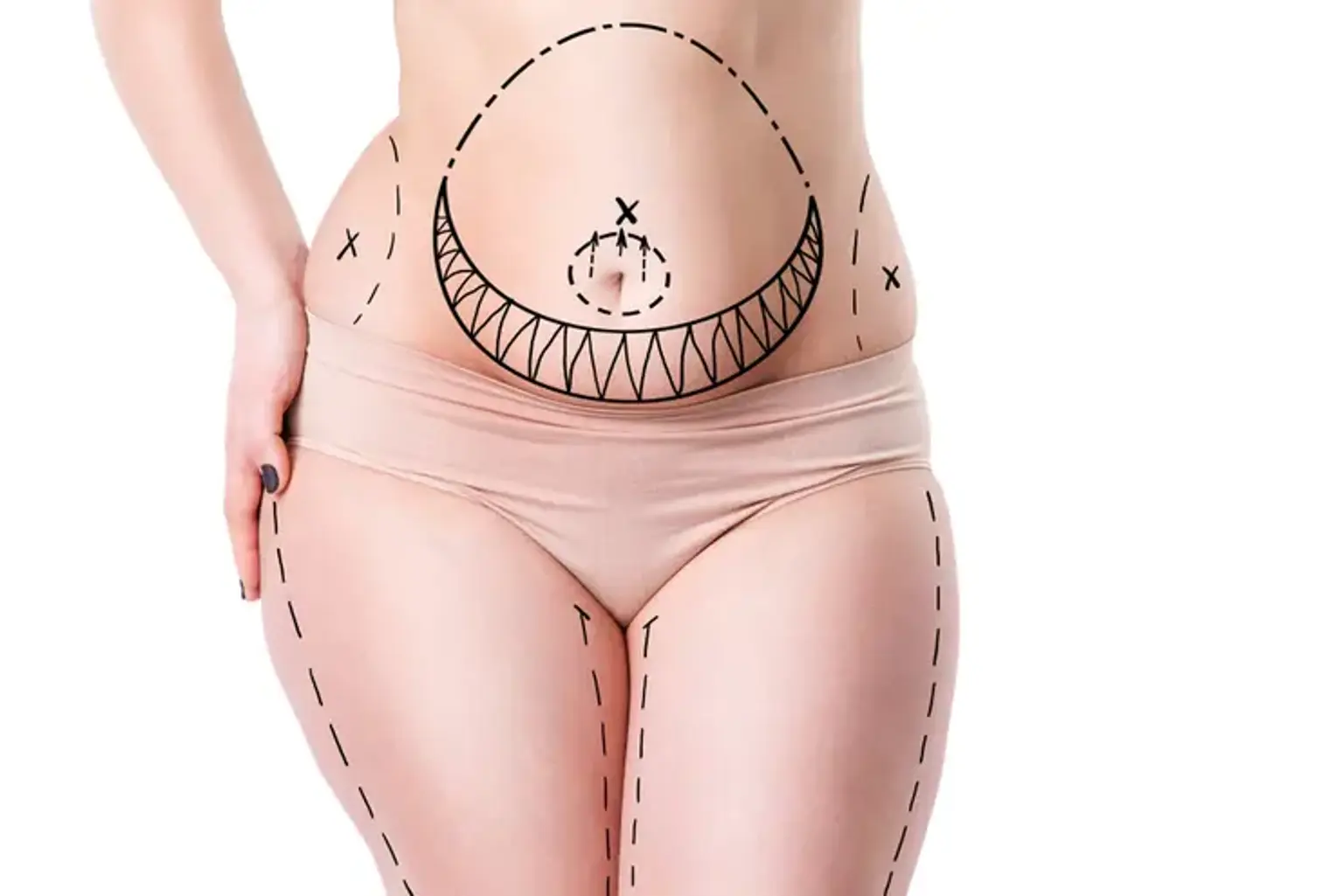
Liposuction is a surgical procedure designed to remove localized deposits of stubborn body fat, effectively sculpting and contouring the body. It is one of the most frequently performed procedures in plastic surgery globally, with South Korea emerging as a leading destination renowned for its advanced technology, experienced surgeons, and refined aesthetic outcomes. This guide provides a detailed examination of liposuction for individuals considering this transformative procedure in Korea.
What Are the Different Types of Liposuction Available in Korea?
what-are-the-different-types-of-liposuction-available-in-koreaKorean clinics offer several advanced liposuction techniques, allowing surgeons to tailor the procedure to a patient's specific body type and goals. The most common methods include tumescent liposuction, power-assisted liposuction (PAL), and ultrasound assisted liposuction (UAL), often known by the brand name VASER.
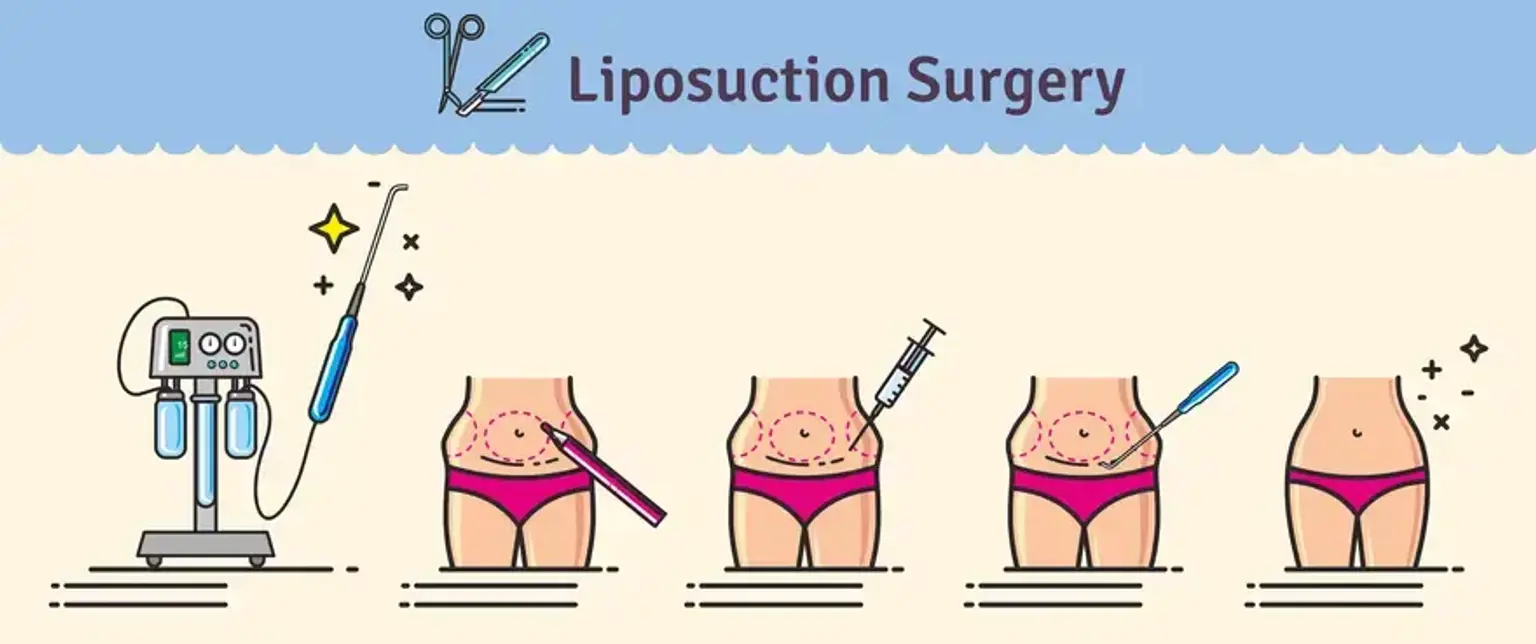
Tumescent Liposuction: This is the foundational technique where a large volume of medicated solution saline, a local anesthetic, and epinephrine is injected into the target area. The solution numbs the area, constricts blood vessels to minimize bleeding, and causes the fat to swell, making it easier to remove with a surgical vacuum and a small, hollow tube called a cannula.
Power-Assisted Liposuction (PAL): PAL utilizes a specialized cannula that vibrates rapidly. This vibration helps to break up fat cells more efficiently, allowing the surgeon to remove fat with less force and greater precision. This can result in less tissue trauma, reduced swelling, and a faster recovery.
Ultrasound-Assisted Liposuction (UAL/VASER): This technique uses a probe that emits ultrasonic energy to liquefy fat cells before they are suctioned out. VASER liposuction is particularly effective for treating dense, fibrous areas like the upper back or male chest. It is also known for its skin-tightening effects, which can be beneficial for patients with mild skin laxity.
Who is a Good Candidate for Liposuction?
who-is-a-good-candidate-for-liposuctionAn ideal candidate for liposuction is an individual who is at or near their ideal body weight but struggles with localized fat deposits that are resistant to diet and exercise. Liposuction is a body contouring tool, not a weight loss solution.
Key criteria for candidacy include:
Stable Body Weight: Candidates should have a stable body mass index (BMI), typically below 30.
Good Skin Elasticity: Firm, elastic skin allows for better draping over the newly contoured area. Patients with significant skin laxity may require an additional procedure like a tummy tuck or thigh lift.
Realistic Expectations: Understanding that liposuction enhances body shape, but does not create a completely new body, is crucial.
Overall Good Health: Candidates must be non-smokers or willing to quit well before and after surgery and free from medical conditions that could impair healing or increase surgical risk.
Specific Problem Areas: The procedure is most effective for areas like the abdomen, flanks love handles, thighs, hips, upper arms, back, and under the chin.
What Are the Key Benefits of Liposuction?
what-are-the-key-benefits-of-liposuctionWhen performed by a board-certified plastic surgeon, liposuction offers significant and lasting aesthetic improvements.
Targeted Fat Removal: Effectively removes stubborn fat from specific problem areas.
Improved Body Proportions: Creates a more balanced and harmonious body silhouette.
Enhanced Self-Confidence: Many patients report a significant boost in self esteem and comfort in clothing.
Permanent Results: The fat cells removed during liposuction do not grow back. As long as a stable weight is maintained, the results are considered permanent.
Is Liposuction in Korea Safe? Understanding the Risks
is-liposuction-in-korea-safe-understanding-the-risksLiposuction performed by a qualified, board-certified plastic surgeon in an accredited facility is generally safe. The risk of serious complications is low, with one study indicating a major complication rate of less than 1%. However, like any surgery, it carries potential risks.
Common Side Effects (Temporary): Bruising, swelling, soreness, and temporary numbness in the treated area.
Potential Risks: Infection, contour irregularities, fluid accumulation seroma, and adverse reactions to anesthesia.
Contraindications: Individuals with bleeding disorders, severe heart or lung disease, or a compromised immune system are not suitable candidates.
Choosing a reputable clinic with a proven safety record and transparent communication is the most critical step in mitigating these risks.
What Are the Steps of the Liposuction Procedure?
what-are-the-steps-of-the-liposuction-procedureThe patient journey follows a well defined path from initial consultation to final recovery, ensuring safety and optimal results.
Before the Procedure: Consultation and Preparation
before-the-procedure:-consultation-and-preparationYour journey begins with a thorough consultation. The surgeon will evaluate your health, discuss your aesthetic goals, and assess the target areas to determine the most appropriate technique. You may undergo pre-operative lab tests. You will be instructed to avoid certain medications like aspirin and anti-inflammatory drugs that can increase bleeding and to stop smoking several weeks before the surgery.
During the Procedure: What Happens in the Operating Room
during-the-procedure:-what-happens-in-the-operating-roomOn the day of surgery, the surgeon will mark the treatment areas on your body. Anesthesia is administered this could be local anesthesia with sedation, or general anesthesia, depending on the extent of the procedure. The surgeon then makes small, inconspicuous incisions and proceeds with the chosen liposuction technique to remove the excess fat. The entire procedure can take anywhere from one to four hours.
Immediately After the Procedure: The Initial Recovery Phase
immediately-after-the-procedure:-the-initial-recovery-phaseAfter the procedure, you will be moved to a recovery room for monitoring. You will be fitted with a compression garment, which is essential for controlling swelling and helping your skin conform to its new contours. Some drainage from the small incision sites is normal.
"The first few days were the most challenging, but seeing the swelling go down week by week was incredibly motivating. Wearing the compression garment was key, and by the second month, I could really see the shape I had been working towards for years." – an anonymous patient, Australia.
What is the Recovery Timeline for Liposuction?
what-is-the-recovery-timeline-for-liposuctionRecovery varies based on the extent of the procedure and the individual's healing capacity, but a general timeline can be established.
First 3-7 Days: This is the period of most significant swelling and discomfort, which is managed with prescribed pain medication. Rest is crucial. The compression garment is worn 24/7.
Weeks 1-2: Most patients can return to a desk job and light daily activities. Strenuous exercise is still prohibited. Swelling and bruising begin to subside noticeably.
Weeks 3-6: You can typically resume most forms of exercise. The compression garment may only be needed during the day. While much of the swelling is gone, some residual swelling can persist.
Months 3-6: The final results become fully apparent as all residual swelling resolves and the tissues settle. The new body contour is visible.
Recommended Clinics with Relevant Expertise in South Korea
recommended-clinics-with-relevant-expertise-in-south-koreaSouth Korea has numerous high-caliber clinics specializing in body contouring. The following institutions are noted for their expertise in plastic and reconstructive surgery.
Website | Clinic Name | Best Known For | Address | Contact |
|---|---|---|---|---|
Kowon Plastic Surgery | Comprehensive plastic surgery, body contouring, anti-aging | Gangnam-gu, Seoul, South Korea | ||
TJ Plastic Surgery | Eye and nose surgery, body liposuction | Gangnam-gu, Seoul, South Korea | ||
Hugo Plastic Surgery | Facial contouring, rhinoplasty, body surgery | Gangnam-gu, Seoul, South Korea | ||
SoonPlus Plastic Surgery | Specialized in Rhinoplasty, offers comprehensive procedures | Gangnam-gu, Seoul, South Korea | ||
Face Plus Plastic Surgery | Anti-aging specialist, facelift, body contouring | Gangnam-gu, Seoul , South Korea | ||
Yujin Plastic Surgery & Stem Cell Research | International patient services, general cosmetic surgery | Gangnam-gu, Seoul, South Korea | ||
Dite Plastic Surgery | Eye and nose surgery, liposuction and fat grafting | Gangnam-gu, Seoul, South Korea | ||
JK Plastic Surgery Center | Facial contouring and anti-aging procedures | Gangnam-gu, Seoul, South Korea | ||
ID Hospital | Integrated plastic surgery, dermatology, and stem cell research | Gangnam-gu, Seoul, South Korea | ||
Banobagi Plastic Surgery | JCI-accredited, comprehensive surgery, strong international focus | Gangnam-gu, Seoul, South Korea | ||
View plastic surgery | Hospital-level facility, renowned for facial and body contouring | Gangnam-gu, Seoul, South Korea |
Recommended Treatment/Procedure Names with Average Costs in South Korea
recommended-treatmentprocedure-names-with-average-costs-in-south-koreaThe cost of plastic surgery in South Korea is competitive. Below are estimates for various procedures. Actual costs vary based on clinic, surgeon, and procedural complexity.
Treatment/Procedure Name | Duration | Hospitalization? | Avg. Cost(USD) in S. Korea | Contact |
|---|---|---|---|---|
Liposuction (Body) | 1-4 hours | Not Needed | $3,000 - $8,000 | |
Abdominal Liposuction | 1-2 hours | Not Needed | $3,500 - $6,500 | |
Facelift (Full Face Lifting/SMAS) | 4-6 hours | Needed (1-2 days) | $8,000 - $15,000 | |
Facial Contouring Surgery | 2-4 hours | Needed (1-2 days) | $7,000 - $14,000 | |
Square Jaw Surgery | 2-3 hours | Needed (1-2 days) | $5,000 - $9,000 | |
Cheekbone Reduction Surgery | 1-2 hours | Needed (1 day) | $4,500 - $8,000 | |
Rhinoplasty | 2-4 hours | Not Needed | $4,000 - $7,500 | |
Revision Rhinoplasty | 3-5 hours | Not Needed | $6,000 - $12,000 | |
Male Rhinoplasty | 2-4 hours | Not Needed | $4,500 - $8,000 | |
Nostril Reduction / Alar Reduction | 30-60 mins | Not Needed | $1,000 - $2,500 | |
Breast Augmentation | 1-2 hours | Needed (1 day) | $7,000 - $12,000 | |
Hip-up Plastic Surgery (Implants/Grafting) | 2-4 hours | Needed (1-2 days) | $8,000 - $15,000 | |
Chin Correction (Genioplasty) | 1-2 hours | Needed (1 day) | $4,000 - $7,000 | |
Double Eyelid Surgery | 30-90 mins | Not Needed | $1,500 - $3,500 | |
Canthoplasty / Eye Enlargement | 30-60 mins | Not Needed | $1,200 - $3,000 |
Frequently Asked Questions (FAQs) about Liposuction
frequently-asked-questions-(faqs)-about-liposuction1. How much fat can be removed with liposuction?
1.-how-much-fat-can-be-removed-with-liposuctionThe maximum amount of fat that can be safely removed in a single session is generally considered to be around 5 liters about 11 pounds. Removing more than this large-volume liposuction significantly increases surgical risks and is typically performed only in specific medical circumstances. The focus is on contour improvement, not maximal fat removal.
2. Will I have loose skin after liposuction?
2.-will-i-have-loose-skin-after-liposuctionThis depends on your skin's pre-existing elasticity. Patients with good, firm skin tone will typically see their skin retract smoothly over the new contours. Those with poor elasticity, significant sun damage, or stretch marks may experience some skin laxity. In such cases, the surgeon might recommend a combined procedure or a non-surgical skin tightening treatment post-op.
3. How soon can I fly home after liposuction in Korea?
3.-how-soon-can-i-fly-home-after-liposuction-in-koreaMost surgeons recommend waiting at least 7 to 10 days before taking a long-haul flight. This allows for an essential post-operative check-up and ensures you are past the initial high-risk period for complications like deep vein thrombosis (DVT), which can be exacerbated by long flights.
4. Will I have visible scars?
4.-will-i-have-visible-scarsLiposuction incisions are very small, typically just a few millimeters long, and are strategically placed in natural skin creases or inconspicuous areas. Over time, these incisions heal into tiny, faint marks that are usually very difficult to notice.
5. Is the liposuction procedure painful?
5.-is-the-liposuction-procedure-painfulThe procedure itself is performed under anesthesia, so you will not feel pain. Post-operative pain is typically described as significant soreness, similar to intense muscle ache. This discomfort is most pronounced in the first few days and is well-managed with prescribed pain medication.
6. Do I need a medical translator at the clinic?
6.-do-i-need-a-medical-translator-at-the-clinicMost top-tier Korean clinics catering to international patients have in-house translators or English-speaking staff. Confirming this service beforehand is crucial for clear communication regarding your health, goals, and post-operative care instructions.
Sculpt Your Ideal Contour: Begin Your Liposuction Journey in Korea Now!
sculpt-your-ideal-contour:-begin-your-liposuction-journey-in-koreaTaking the step to reshape your body is a significant decision. The world-class clinics in South Korea offer a combination of advanced technology, surgical artistry, and comprehensive care. To navigate this process with confidence, expert guidance is invaluable. By inquiring through a dedicated medical tourism coordinator, you ensure a seamless and transparent process. You will be paired with a Care Manager who provides end-to-end support, from selecting the right clinic to post-recovery follow-up. And Start Your Confidential Inquiry with CloudHospital.