
The clinical information regarding Pectoral Implants in this article has been rigorously verified against the latest guidelines from the American Society of Plastic Surgeons (ASPS) and primary research from databases like PubMed. This piece was reviewed for accuracy and patient-centric clarity and was last updated in September 2024.
Introduction
introduction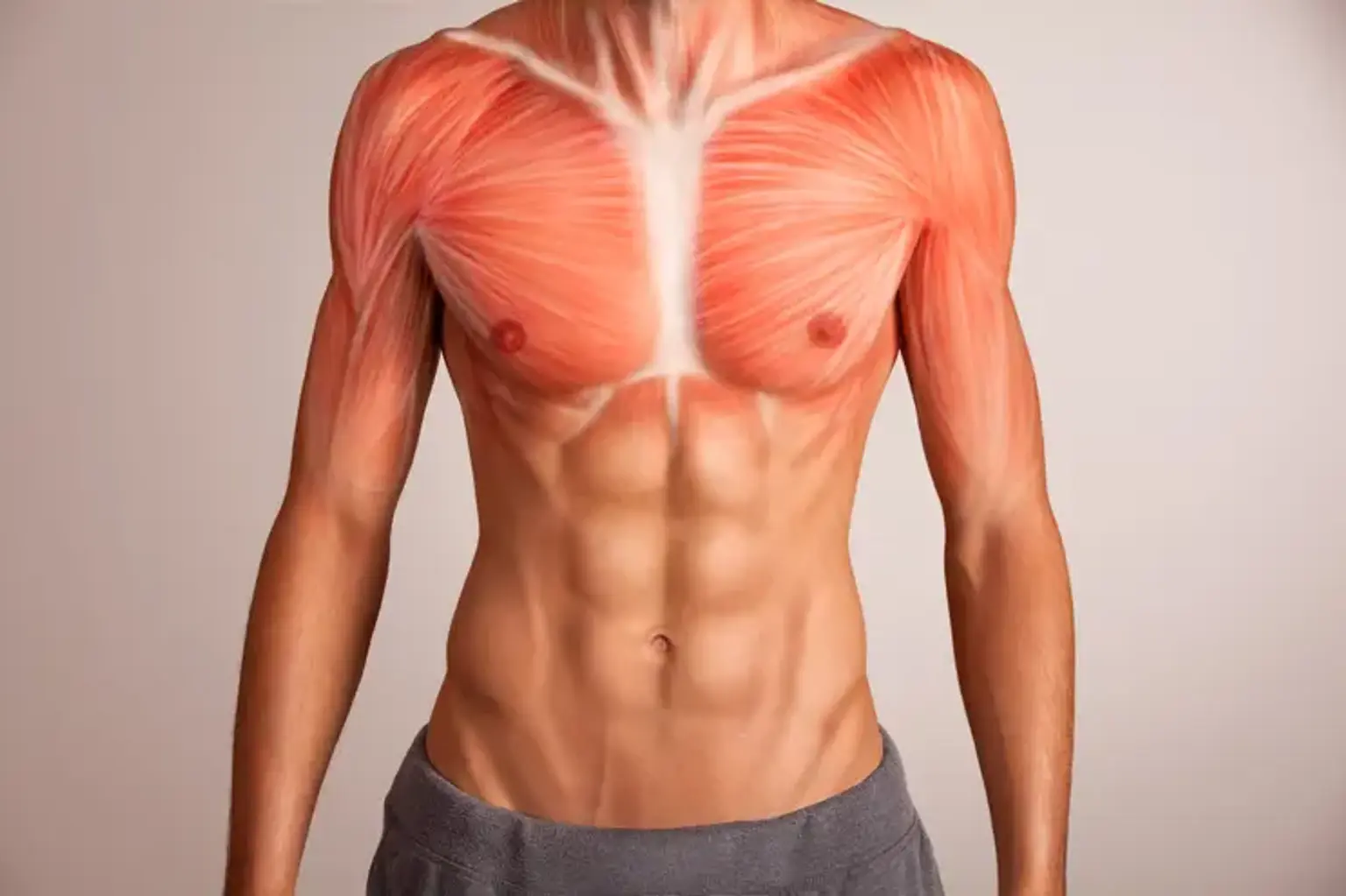
Pectoral implants offer a surgical solution for men seeking to enhance the size, shape, and definition of their chest. This procedure's primary goal is to create a more muscular and traditionally masculine pectoral contour for individuals who cannot achieve their desired results through exercise alone. As a prominent procedure within male plastic surgery, it addresses both aesthetic desires and reconstructive needs. This guide provides a detailed examination of the entire process for individuals considering pectoral implant surgery, from initial consultation to final results.
How Do Pectoral Implants Work to Create a Masculine Chest?
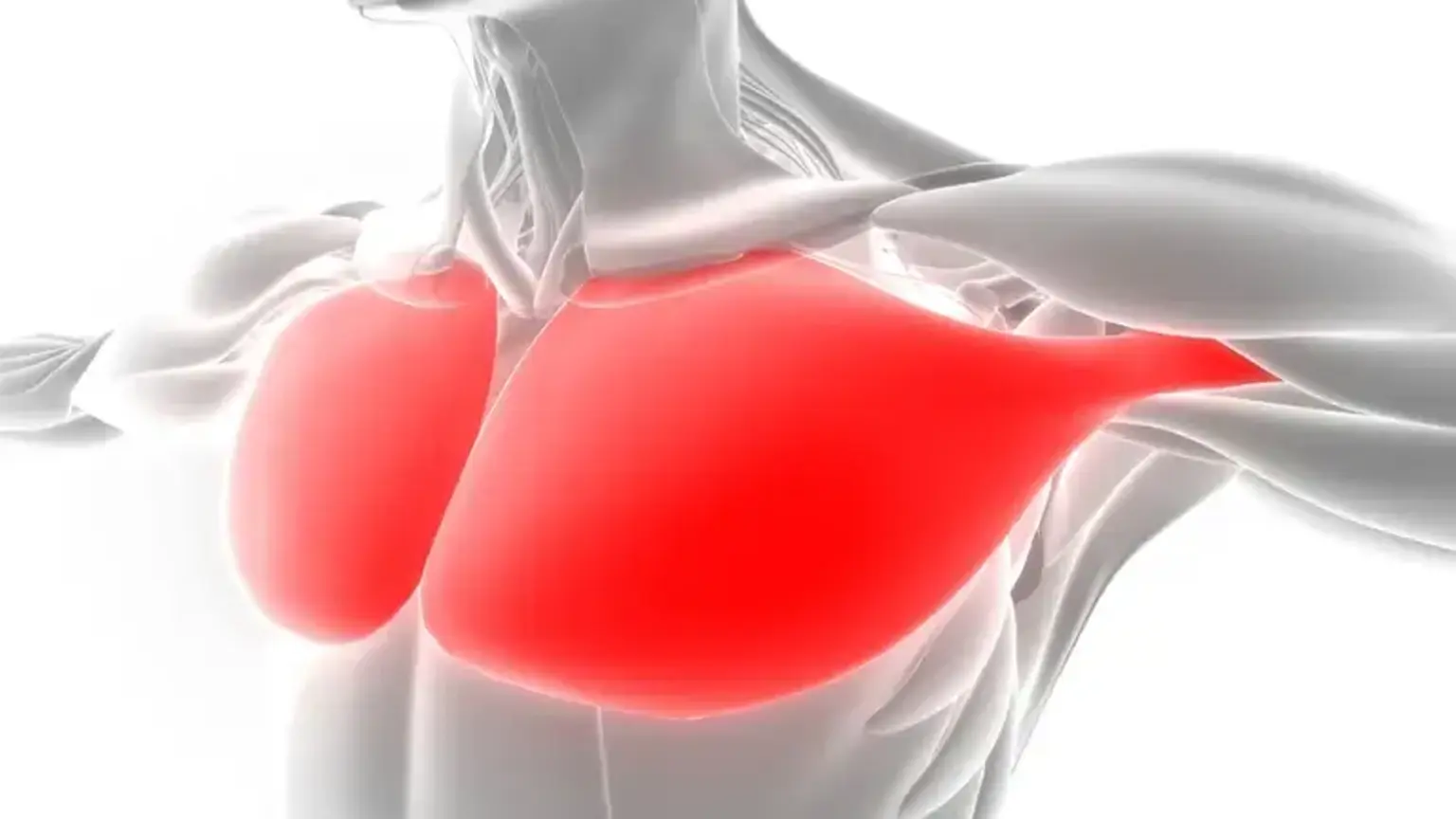
how-do-pectoral-implants-work-to-create-a-masculine-chestPectoral implants work by placing a solid, soft silicone implant underneath the pectoralis major muscle to augment its volume and improve its shape. The surgeon creates a precise pocket for the implant, which is custom-sized to fit the patient's anatomy and aesthetic goals. Unlike breast implants, which are typically softer and rounder, pectoral implants are firmer and anatomically shaped to mimic the look and feel of a well-developed chest muscle, thereby enhancing the chest's overall contour and definition.
What Are the Key Benefits of Pectoral Implants?
what-are-the-key-benefits-of-pectoral-implantsThe primary benefits of pectoral implant surgery are both physical and psychological, helping patients achieve a physique that aligns with their self-image.
Enhanced Chest Contour: Creates the appearance of larger, more defined pectoral muscles.
Improved Proportions: Balances the upper body with the rest of the physique, especially for men with a naturally narrow or underdeveloped chest.
Correction of Asymmetry: Can effectively correct congenital chest wall deformities like Poland syndrome or asymmetries resulting from injury.
Increased Confidence: Achieving a more masculine physique often leads to a significant boost in self esteem and confidence.
Permanent Results: The implants are designed to be durable and provide a long-lasting solution for chest enhancement.
Who is a Good Candidate for Pectoral Implants?
who-is-a-good-candidate-for-pectoral-implantsAn ideal candidate for pectoral implants is an individual who meets specific physical and psychological criteria, ensuring both safety and satisfaction with the outcome.
Healthy Individuals: Candidates should be in good overall health with no active diseases or medical conditions that could impair healing.
Realistic Expectations: A thorough understanding of the procedure's capabilities and limitations is crucial.
Underdeveloped Chest Muscles: Men who, despite regular exercise, cannot develop their pectoral muscles to their desired size.
Chest Wall Deformities: Individuals with conditions such as Poland syndrome or pectus excavatum may be candidates for reconstructive purposes.
Non-Smokers: Smoking significantly increases the risk of complications and can impede the healing process.
Emotionally Stable: Candidates should be psychologically sound and pursuing the surgery for personal reasons, not due to external pressure.
What are the Risks and Complications of Pectoral Implant Surgery?
what-are-the-risks-and-complications-of-pectoral-implant-surgeryPectoral implant surgery is generally safe when performed by a board-certified plastic surgeon, but it carries inherent risks like any surgical procedure. Potential complications include infection, hematoma, adverse reaction to anesthesia, and implant related issues such as shifting, rotation, or capsular contracture scar tissue hardening around the implant. Asymmetry or dissatisfaction with the aesthetic result is also possible. A detailed discussion with your surgeon about these risks is a mandatory part of the pre-operative consultation.
What Are the Steps of the Pectoral Implant Procedure?
what-are-the-steps-of-the-pectoral-implant-procedureThe patient journey for pectoral implants is a structured process involving careful planning, precise execution, and a dedicated recovery period.
Before the Procedure: Consultation and Preparation
before-the-procedure:-consultation-and-preparationThe process begins with an in-depth consultation. Your surgeon will evaluate your chest anatomy, discuss your aesthetic goals, and take detailed measurements to select the appropriate implant size and shape. You will review your medical history and may undergo a physical exam. Pre-operative instructions typically include stopping certain medications like aspirin and anti-inflammatory drugs that can increase bleeding. You will also be advised to cease smoking several weeks before and after surgery.
During the Procedure: What Happens in the Operating Room
during-the-procedure:-what-happens-in-the-operating-roomThe surgery is performed under general anesthesia and typically lasts 1 to 2 hours. The surgeon makes a small incision in the armpit (axilla), which allows for discreet scar placement. Through this incision, a precise pocket is created directly beneath the pectoralis major muscle. The sterile silicone implant is then carefully inserted into this pocket. The surgeon ensures proper placement and symmetry before closing the incision with sutures.
Immediately After the Procedure: The Initial Recovery Phase
immediately-after-the-procedure:-the-initial-recovery-phaseAfter surgery, you will be moved to a recovery area for monitoring as the anesthesia wears off. Your chest will be wrapped in bandages or a compression garment to minimize swelling and support the implants. Some discomfort, swelling, and bruising are normal and can be managed with prescribed pain medication. Most patients can return home the same day, though an overnight stay may sometimes be recommended.
"The first week was the toughest, with a lot of tightness in my chest. But seeing the new shape emerge as the swelling went down was incredibly motivating. By the third month, I felt completely normal, just with the chest I'd always wanted." – an anonymous patient, United States.
What is the Recovery Timeline for Pectoral Implants?
what-is-the-recovery-timeline-for-pectoral-implantsRecovery is a gradual process that requires patience and adherence to post-operative instructions. While timelines vary, a typical progression is as follows:
First 48 Hours: Focus on rest. Chest movement will be limited. Pain medication helps manage discomfort.
Week 1: Swelling and bruising are most prominent. You should avoid lifting your arms above your shoulders. Most patients can return to a desk job or light activities.
Weeks 2-4: Swelling continues to subside. Light walking is encouraged, but strenuous activities and heavy lifting are still prohibited. Your surgeon may clear you to resume light arm movements.
Weeks 4-6: Most patients are cleared to gradually resume normal exercise routines, including upper body workouts. It is crucial to reintroduce activities slowly to avoid complications.
3-6 Months: The final results become apparent as residual swelling resolves completely and the implants settle into their final position. Scars will continue to fade over the next year.
Are Pectoral Implant Results Permanent?
are-pectoral-implant-results-permanentThe results from pectoral implant surgery are considered permanent. The solid silicone implants are designed to last a lifetime and do not require replacement unless a complication arises or the patient desires a change in size. However, the body will continue to age naturally, which may affect the overlying skin and muscle tissue over many years. Maintaining a stable weight and healthy lifestyle helps preserve the long-term aesthetic outcome.
Recommended Clinics with Relevant Expertise in South Korea
recommended-clinics-with-relevant-expertise-in-south-koreaSouth Korea is renowned for its advanced plastic surgery centers. The clinics listed below offer a wide range of procedures and are known for their expertise in various cosmetic and reconstructive surgeries.
Website | Clinic Name | Best Known For | Address | Contact |
|---|---|---|---|---|
Kowon Plastic Surgery | Natural chest contouring, gland removal, muscle definition | Gangnam-gu, Seoul, South Korea | ||
TJ Plastic Surgery | Full male aesthetic surgery, chest augmentation, V-line body sculpting | Gangnam-gu, Seoul, South Korea | ||
Hugo Plastic Surgery | Male liposuction, upper body sculpting, customized fat reduction | Gangnam-gu, Seoul, South Korea | ||
SoonPlus Plastic Surgery | Chest definition, gynecomastia revision surgery, lean muscular design | Gangnam-gu, Seoul , South Korea | ||
Face Plus Plastic Surgery | Facial contouring with torso balance, male enhancement techniques | Gangnam-gu, Seoul , South Korea | ||
Yujin Plastic Surgery & Stem Cell Research | Advanced male rejuvenation, fat grafting, regenerative contouring | Gangnam-gu, Seoul, South Korea | ||
Dite Plastic Surgery | Chest sculpting with body balance, international male patient services | Gangnam-gu, Seoul, South Korea | ||
JK Plastic Surgery Center | Comprehensive Plastic Surgery, Wellness Center | Gangnam-gu, Seoul, South Korea | ||
ID Hospital | Abs etching, chest lifting, gland removal procedures | Gangnam-gu, Seoul, South Korea | ||
Banobagi Plastic Surgery | Natural-look facial surgery, anti-aging, eye and nose surgery, revision cases | Gangnam-gu, Seoul, South Korea | ||
View plastic surgery | Facial contouring, rhinoplasty, breast augmentation, and body contouring | Gangnam-gu, Seoul, South Korea |
Recommended Treatment/Procedure Names with Average Costs in South Korea
recommended-treatmentprocedure-names-with-average-costs-in-south-koreaThe following table provides an overview of common plastic surgery procedures available in South Korea, with estimated costs to aid in your research. Costs can vary based on clinic reputation and procedure complexity.
Treatment/Procedure Name | Duration | Hospitalization | Avg. Cost (USD) in S. Korea | Contact |
|---|---|---|---|---|
Full Face Lifting | 4-6 hours | Needed (1-2 days) | $12,000 - $20,000 | |
SMAS Facelift | 3-5 hours | Needed (1 day) | $10,000 - $18,000 | |
Face Contouring | 2-4 hours | Needed (1-3 days) | $7,000 - $15,000 | |
Square Jaw Surgery | 2-3 hours | Needed (1-2 days) | $6,000 - $12,000 | |
Cheekbone Reduction Surgery | 1-2 hours | Needed (1 day) | $5,000 - $9,000 | |
Revision Rhinoplasty | 3-5 hours | Needed (1 day) | $6,000 - $12,000 | |
Male Rhinoplasty | 2-3 hours | Not Needed | $4,500 - $8,000 | |
Breast Augmentation | 1-2 hours | Not Needed | $8,000 - $15,000 | |
Hip-up Plastic Surgery | 2-3 hours | Needed (1 day) | $9,000 - $16,000 | |
Abdominal Liposuction | 2-4 hours | Not Needed | $5,000 - $10,000 | |
Genioplasty (Chin Surgery) | 1-2 hours | Needed (1 day) | $4,000 - $8,000 | |
Upper & Lower Blepharoplasty | 2-3 hours | Not Needed | $3,500 - $6,000 | |
Neck Lift | 2-3 hours | Needed (1 day) | $6,000 - $10,000 | |
Forehead Lift | 1-2 hours | Not Needed | $4,000 - $7,000 | |
Canthoplasty (Eye Enlargement) | 30-60 mins | Not Needed | $1,500 - $3,000 | |
Double Eyelid Surgery | 1-1.5 hours | Not Needed | $2,000 - $4,500 | |
Dimple Surgery | 20-30 mins | Not Needed | $1,000 - $2,500 | |
Nasal Alar Reduction | 30-60 mins | Not Needed | $1,500 - $3,000 | |
Thread Lifting | 45-60 mins | Not Needed | $2,500 - $5,000 |
Frequently Asked Questions (FAQs) about Pectoral Implants
frequently-asked-questions-(faqs)-about-pectoral-implants1. Will I have a visible scar from pectoral implants?
1.-will-i-have-a-visible-scar-from-pectoral-implantsThe incision is strategically placed in the natural crease of the armpit (axilla), making the resulting scar very inconspicuous. Over time, the scar typically fades and becomes difficult to notice, even with arms raised.
2. How soon can I exercise after the procedure?
2.-how-soon-can-i-exercise-after-the-procedureYou must avoid all strenuous exercise, especially upper body workouts, for at least 4 to 6 weeks. Your surgeon will provide a specific timeline for gradually reintroducing physical activity to ensure the implants heal properly and remain in the correct position.
3. Is the pectoral implant procedure painful?
3.-is-the-pectoral-implant-procedure-painfulYou will be under general anesthesia and feel no pain during the surgery. Post-operative pain, tightness, and discomfort are expected for the first few days but are effectively managed with prescribed pain medication. Most patients report the discomfort subsides significantly within the first week.
4. Can pectoral implants rupture?
4.-can-pectoral-implants-rupturePectoral implants are made of solid, soft silicone, which is different from the gel-filled implants used in female breast augmentation. They are extremely durable and cannot rupture or leak in the same way.
5. What do pectoral implants feel like?
5.-what-do-pectoral-implants-feel-likeWhen placed correctly under the pectoralis major muscle, the implants feel firm, similar to a well-developed muscle. As your body heals and the tissue settles around the implant, they will integrate with your natural chest, and the muscle will still be able to contract over them.
6. Will I lose sensation in my chest or nipples?
6.-will-i-lose-sensation-in-my-chest-or-nipplesTemporary changes in sensation in the chest skin or nipples can occur after surgery due to nerve stretching. This is usually temporary, and normal sensation typically returns over several weeks to months as the nerves recover. Permanent loss of sensation is rare.
Build Your Ideal Physique: Start Your Pectoral Implant Journey!
build-your-ideal-physique:-start-your-pectoral-implant-journeyTaking the next step towards achieving your aesthetic goals requires expert guidance and personalized care. If you are considering Pectoral Implants, the world-class clinics in South Korea offer unparalleled skill and technology. To simplify your journey, we provide a seamless, transparent process from start to finish. A dedicated Care Manager will handle everything from consultations to post-recovery support, ensuring your experience is stress free. And Start Your Confidential Inquiry with CloudHospital to receive a personalized plan tailored to your needs.