
The clinical information regarding Dental Veneers in this article has been rigorously verified against the latest professional standards from the American Dental Association (ADA) and primary research from databases like PubMed. This piece was reviewed for accuracy and patient-centric clarity and was last updated in May 2024.
Introduction
introductionDental veneers represent one of the most transformative procedures in cosmetic dentistry, capable of correcting a wide range of aesthetic imperfections. In one prospective clinical study, porcelain laminate veneers showed a remarkable 96% survival rate over 10 years, demonstrating their durability as a long-term solution. This guide provides a clinical level explanation of what veneers are, the benefits they offer, the detailed procedural steps, and what to expect when seeking treatment in South Korea.
What Are Dental Veneers?
what-are-dental-veneers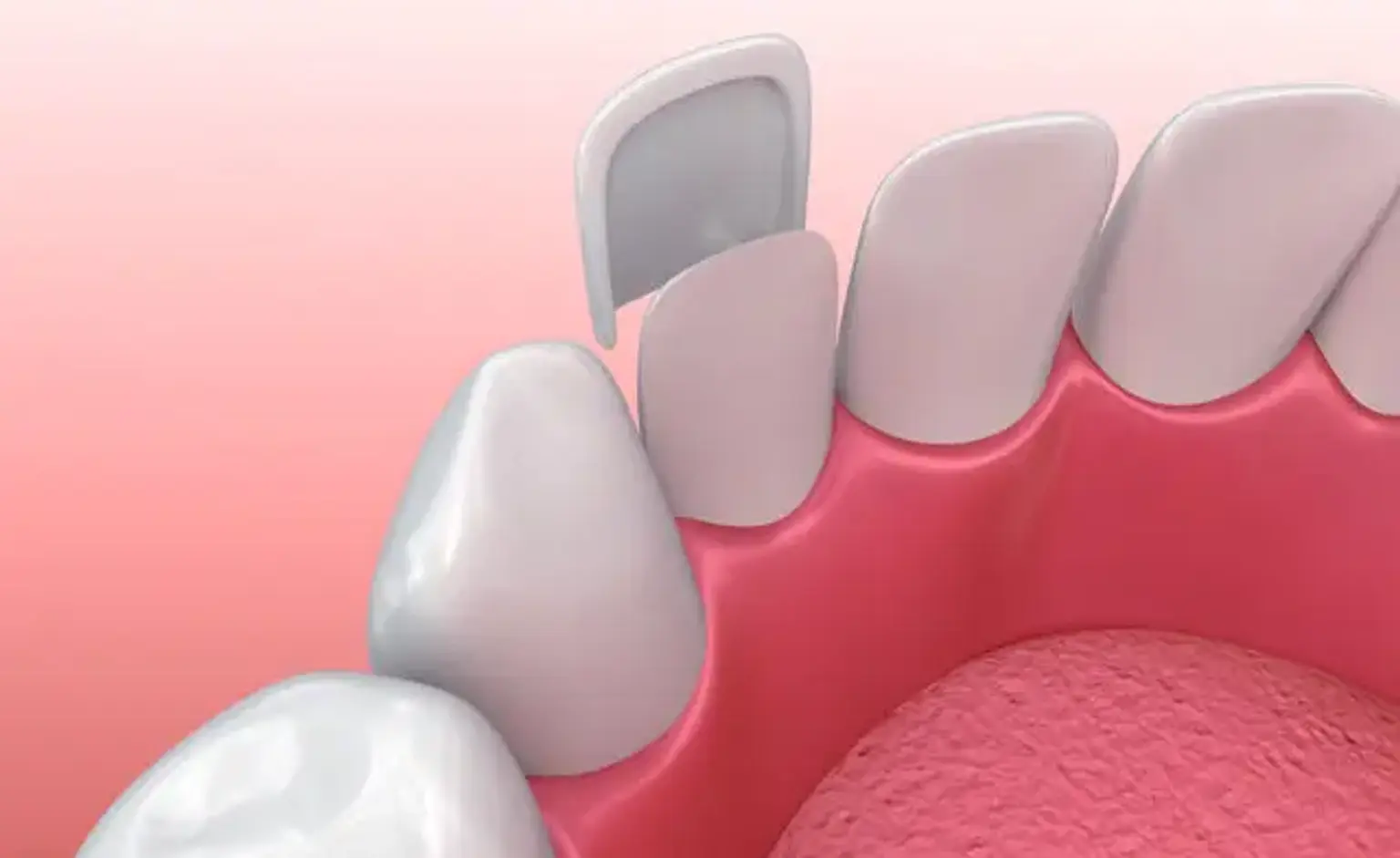
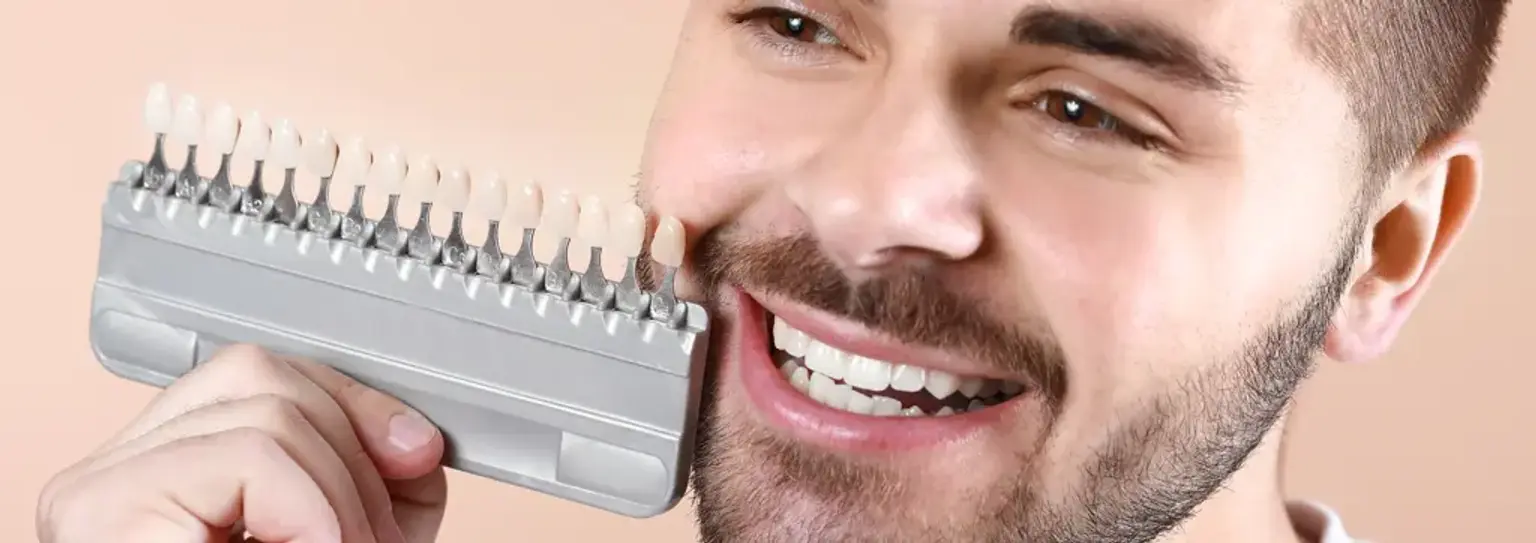
Dental veneers are custom made, wafer thin shells of tooth colored material designed to cover the front surface of teeth. Their primary purpose is to improve the appearance of a smile by changing the color, shape, size, or length of the teeth they are bonded to. The two most common materials used for veneers are porcelain and composite resin. Porcelain veneers are highly resistant to staining and mimic the light reflecting properties of natural tooth enamel exceptionally well. Composite resin veneers are typically fabricated directly onto the teeth in a single visit, offering a faster and often more affordable solution.
What Are the Main Benefits of Getting Dental Veneers?
what-are-the-main-benefits-of-getting-dental-veneersThe primary benefits of dental veneers are cosmetic enhancement, durability, and a conservative approach to altering a tooth's appearance compared to a full Zirconia Crown. They offer a powerful solution for achieving a symmetrical, bright, and aesthetically pleasing smile.
Key Clinical Benefits:
Aesthetic Transformation: Veneers can effectively mask severe discoloration, chips, cracks, and minor misalignments. They create a uniform and harmonious appearance.
Stain Resistance: High quality porcelain materials like E-MAX are non-porous, making them highly resistant to staining from coffee, tea, or smoking.
Durability and Longevity: With proper care, porcelain veneers can last 10-15 years or longer, providing a lasting investment in your smile.
Biocompatibility: Dental porcelain is well-tolerated by the gum tissues gingiva, minimizing the risk of adverse reactions.
Conservative Approach: Compared to a full crown, a veneer requires minimal removal of the natural tooth structure, preserving the tooth's integrity.
What Is the Procedure for Getting Porcelain Veneers?
what-is-the-procedure-for-getting-porcelain-veneersThe process for getting traditional porcelain veneers typically requires two to three dental visits over one to two weeks. This multi-step approach ensures a precise fit and optimal aesthetic outcome.
Step-by-Step Clinical Protocol:
Consultation and Treatment Planning: The initial appointment is a comprehensive discussion with your cosmetic dentist. You will discuss your desired outcome. The dentist will perform an examination, take X-rays, and confirm you are a suitable candidate. This involves checking for signs of tooth decay or gum treatments that may need to be addressed first.
Tooth Preparation: To accommodate the thickness of the veneer, the dentist removes a very small amount of enamel from the tooth's front surface typically less than 0.5 mm. This step is irreversible. A local anesthetic is often used to ensure comfort.
Impression Taking: After preparation, a highly accurate mold or digital scan of your teeth is taken. This impression is sent to a dental laboratory where your custom veneers will be fabricated. This process usually takes 1-2 weeks.
Temporary Veneers: The dentist may place temporary veneers to protect the prepared teeth while the permanent ones are being made.
Bonding and Final Placement: During your final visit, the dentist will place the permanent veneers on your teeth to check the fit and color. After confirming the perfect match, your teeth are cleaned, polished, and etched to create a rough surface for a strong bonding agent. A special cement is applied to the veneer, which is then placed on your tooth. A specialized light beam is used to cure the cement, hardening it and securing the veneer permanently.
Final Adjustments: Any excess cement is removed, your bite is evaluated, and final adjustments are made as necessary.
Who Is a Good Candidate for Dental Veneers?
who-is-a-good-candidate-for-dental-veneersA good candidate for dental veneers is someone with healthy teeth and gums who wishes to correct cosmetic imperfections. Ideal candidates have sufficient tooth enamel for the veneers to bond to effectively.
You may be a good candidate if you have:
Teeth that are severely stained or discolored and do not respond to Professional Teeth Whitening.
Minor cosmetic issues like chips, cracks, or worn down teeth.
Gaps between teeth diastemas or minor misalignments.
Irregularly shaped or sized teeth.
Veneers may not be suitable for individuals who:
Have active gum disease or significant tooth decay.
Suffer from bruxism severe teeth grinding, as this can damage the veneers.
Have insufficient healthy enamel on the tooth surface.
Require major orthodontic correction for issues like a severe Open Bite Treatment.
"I remember tracing the tiny chip on my front tooth for years. After the final bonding appointment, the first time I saw my complete smile in the mirror, it was seamless. The feeling wasn't just about aesthetics; it was about reclaiming a piece of my confidence." – An anonymous patient, United States.
What is the Difference Between Porcelain Veneers and No-Prep Veneers?
what-is-the-difference-between-porcelain-veneers-and-no-prep-veneersThe primary difference lies in the amount of tooth preparation required. No-Prep Laminates, sometimes known by brand names like Lumineers, are a less invasive alternative because they require little to no removal of the natural tooth enamel.
Traditional Porcelain Veneers: Involve removing a thin layer of enamel to make space for the veneer. This makes the process irreversible but allows for more significant changes in tooth color and shape.
No-Prep Veneers: Are ultra-thin as thin as a contact lens and can be bonded directly onto the existing tooth surface. This process is often reversible. However, they are not suitable for all cases, particularly for correcting severe discoloration or significant crowding, as they add a layer of thickness to the tooth.
Recommended Clinics with Relevant Expertise in South Korea
recommended-clinics-with-relevant-expertise-in-south-koreaSouth Korea is recognized for its advanced dental technology and highly skilled cosmetic dentists. The clinics below are noted for their expertise in aesthetic and restorative dentistry, making them excellent choices for veneer procedures.
Website | Clinic Name | Best Known For | Address | Contact |
|---|---|---|---|---|
OnO Dental Clinic | Advanced implantology and cosmetic dentistry | Gangnam-gu, Seoul, South Korea | ||
Ye-on Dental Clinic | Comprehensive dental care, including orthodontics and aesthetics | Namdong-gu, Incheon, South Korea | ||
S-PLANT Dental Hospital | Specializes in dental implants, prosthodontics, and digital dentistry | Gangnam-gu, Seoul, South Korea | ||
Miju Dental Clinic | Focus on aesthetic dentistry, implants, and orthodontics | Busanjin-gu, Busan, South Korea | ||
Su Dental Hospital | Expertise in complex implant surgeries and full mouth reconstruction | Gangnam-gu, Seoul, South Korea | ||
Columbia Dental Hospital | University-affiliated hospital with strong orthodontics and pediatric dentistry | Suwon-si, Gyeonggi-do, South Korea | ||
Dasan Barun Dental Clinic | Orthodontics and general family dentistry | Namyangju-si, Gyeonggi-do, South Korea | ||
Yonsei Hana Dental Clinic | Prosthodontics, conservative dentistry, and periodontics | Gyeonggi-do,Seoul, South Korea |
Recommended Treatment/Procedure Names with Average Costs in South Korea
recommended-treatmentprocedure-names-with-average-costs-in-south-koreaThe cost of a smile makeover in South Korea is competitive, offering high value for advanced materials and technology. Prices are typically quoted per tooth for veneers and crowns.
Treatment/Procedure Name | Duration | Hospitalization? | Avg. Cost Range (USD) in S. Korea | Contact |
|---|---|---|---|---|
Laminates (Porcelain Veneers) | 1-2 weeks | Not Needed | $400 - $800 | |
No-Prep Laminates | 1 week | Not Needed | $450 - $900 | |
E-MAX All-Ceramic Crowns | 1 week | Not Needed | $550 - $1,100 | |
Zirconia Crowns | 1 week | Not Needed | $500 - $1,000 | |
Professional Teeth Whitening | 60-90 mins | Not Needed | $200 - $500 | |
Gum Contouring (Gingivectomy) | 30-60 mins | Not Needed | $150 - $400 |
Your Key Questions About Dental Veneers Answered
your-key-questions-about-dental-veneers-answeredThis section addresses common patient questions about the practical aspects of living with veneers.
1. How much do dental veneers cost in South Korea?
1.-how-much-do-dental-veneers-cost-in-south-koreaThe cost of dental veneers in South Korea typically ranges from $400 to $900 USD per tooth. The final price depends on the material chosen e.g., standard porcelain, E-MAX, or no-prep, the complexity of the case, and the specific clinic's pricing structure.
2. Are dental veneers permanent and how long do they last?
2.-are-dental-veneers-permanent-and-how-long-do-they-lastTraditional porcelain veneers are considered a permanent treatment because a small amount of enamel is removed. They are not reversible. With excellent oral hygiene and regular dental check-ups, porcelain veneers can last for 10 to 15 years or even longer before they may need replacement.
3. How do you care for dental veneers after the procedure?
3.-how-do-you-care-for-dental-veneers-after-the-procedureYou care for veneers just as you would your natural teeth. This includes brushing twice a day with a non-abrasive fluoride toothpaste, flossing daily, and attending regular professional cleanings. It is also wise to avoid biting on very hard objects like ice or using your teeth to open packaging.
4. Can you still get cavities with veneers?
4.-can-you-still-get-cavities-with-veneersYes, you can still get cavities on the parts of the tooth not covered by the veneer. The veneer itself does not decay, but the underlying tooth and the tooth structure at the veneer margins are still susceptible to decay. Maintaining rigorous oral hygiene is critical to prevent this.
5. Do veneers look fake or unnatural?
5.-do-veneers-look-fake-or-unnaturalModern dental veneers, especially those made from high quality porcelain like E-MAX, are custom fabricated to look incredibly natural. Your dentist works with you to select the perfect shade, shape, and translucency to match your surrounding teeth and achieve a result that is both beautiful and believable.
6. Is the veneer procedure painful?
6.-is-the-veneer-procedure-painfulThe veneer procedure is generally not painful. A local anesthetic is used during the tooth preparation phase to numb the area completely, ensuring you remain comfortable. You may experience some mild sensitivity in your teeth and gums for a few days after the final bonding, but this typically resolves quickly.
Design Your Perfect Smile: Get a Personalized Veneers Consultation Today!
design-your-perfect-smile:-get-a-personalized-veneers-consultationYour journey to a confident, radiant smile begins with expert guidance. By inquiring through CloudHospital, you gain access to a seamless, transparent process for exploring dental veneers in South Korea. A dedicated Care Manager will guide you from your first question to post-procedure care. Start your confidential inquiry today and receive a free, personalized treatment plan from top-tier dental specialists.