
The clinical information regarding Kidney Stones Pain: Your Complete Guide to Relief and Treatment in this article has been rigorously verified against the latest guidelines from the American Urological Association (AUA) and primary research from databases like PubMed. This piece was reviewed for accuracy and patient centric clarity and was last updated in May 2024.
Introduction
introductionThe sudden onset of kidney stone pain is an experience few forget. Often described as one of the most severe pains imaginable, it can be debilitating and frightening. You are not just dealing with discomfort you are facing a medical event that demands immediate attention and effective solutions. This guide provides a clear, evidence based pathway to understanding your pain, managing it effectively, and exploring the advanced medical treatments that can bring lasting relief.
What Causes the Intense Pain of Kidney Stones?
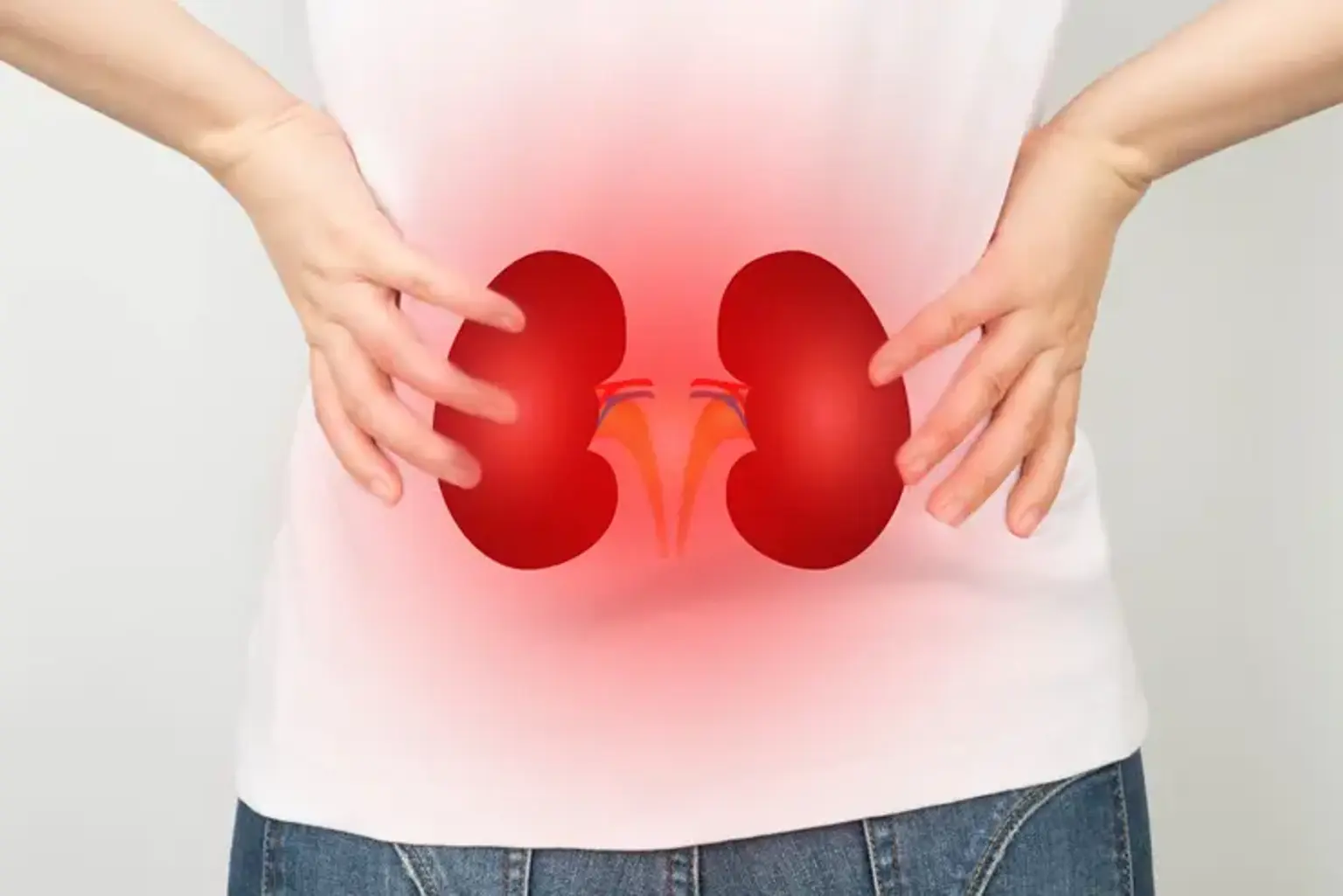
what-causes-the-intense-pain-of-kidney-stonesThe characteristic pain of a kidney stone, known as renal colic, is not caused by the stone itself being sharp. Instead, the severe pain arises when the stone moves from the kidney and becomes lodged in the ureter, the narrow tube connecting the kidney to the bladder.
This blockage prevents urine from draining, causing it to back up into the kidney. The resulting pressure buildup stretches the sensitive tissues of the kidney and ureter, a condition called hydronephrosis. This intense stretching and the ureter's powerful muscle spasms trying to push the stone out are what trigger the excruciating, often wave like pain that can radiate from your side and back to your lower abdomen and groin.
How Can You Relieve Kidney Stone Pain Fast at Home?
how-can-you-relieve-kidney-stone-pain-fast-at-homeFor very small stones that are likely to pass on their own, initial management can sometimes begin at home, but this is only appropriate for mild, manageable pain without red flag symptoms. The primary goals are pain control and hydration.
Increased Fluid Intake: Drinking a significant amount of water 2-3 liters per day can help flush the urinary system and may encourage the stone to pass.
Over the Counter Pain Relievers: Nonsteroidal anti inflammatory drugs (NSAIDs) like ibuprofen can be effective in reducing the inflammation and pain associated with renal colic. They are often more effective than acetaminophen for this specific type of pain. Always follow package directions and consult a doctor if you have other medical conditions.
Heat Application: Applying a heating pad to the affected back, side, or abdomen can help relax cramping muscles and soothe some of the discomfort.
These home based strategies are temporary measures for minor stones and should not replace professional medical advice.
When Should You Go to the ER for Kidney Stone Pain?
when-should-you-go-to-the-er-for-kidney-stone-painIt is critical to recognize when kidney stone pain constitutes a medical emergency. Do not wait to seek immediate medical attention if you experience any of the following:
Unbearable Pain: Pain that is so severe you cannot find a comfortable position.
Pain Accompanied by Fever and Chills: This can indicate a serious infection urosepsis, which can be life-threatening.
Nausea and Vomiting: If you are unable to keep fluids down, you risk dehydration, complicating the situation further.
Signs of a Complete Blockage: If you notice you are unable to urinate.
Known Solitary Kidney: If you have only one functioning kidney and experience these symptoms.
In these situations, a hospital emergency department can provide immediate, powerful pain relief and perform diagnostic imaging typically a CT scan to determine the stone's size, location, and whether it is causing a dangerous obstruction or infection.
What Are the Medical Treatments for Kidney Stone Pain and Removal?
what-are-the-medical-treatments-for-kidney-stone-pain-and-removalWhen a stone is too large to pass, causes unbearable pain, or leads to complications, a urologist will recommend a procedure to treat it. Modern urology offers several highly effective, minimally invasive options.
Medical Expulsive Therapy (MET)
medical-expulsive-therapy-(met)For smaller stones located in the lower ureter that have a high chance of passing, a doctor may prescribe a medication like tamsulosin. This alpha blocker relaxes the muscles of the ureter, making it wider and less prone to spasms. This can ease pain and help the stone pass more quickly and with less discomfort Source: American Urological Association, 2024.
Extracorporeal Shock Wave Lithotripsy (ESWL)
extracorporeal-shock-wave-lithotripsy-(eswl)ESWL is a completely non invasive procedure that uses high energy sound waves to break a kidney stone into tiny, sand like particles. During the procedure, you lie on a specialized table, and a machine targets the stone with focused shock waves from outside the body. These fragments can then be passed naturally in the urine over the following weeks. ESWL is best suited for stones of a certain size located within the kidney or upper ureter.
Ureteroscopy (URS) with Laser Lithotripsy
ureteroscopy-(urs)-with-laser-lithotripsyUreteroscopy is a minimally invasive surgical procedure that is highly effective for stones in the ureter and kidney. A urologist passes a very thin, flexible scope a ureteroscope through the urethra and bladder and up into the ureter to the stone's location. A tiny laser fiber is then passed through the scope to break the stone into dust or small fragments, which are then removed with a microscopic basket. A temporary stent may be placed in the ureter for a week or two afterward to ensure proper drainage and healing.
Percutaneous Nephrolithotomy (PCNL)
percutaneous-nephrolithotomy-(pcnl)PCNL is the gold standard for treating very large typically (>2 cm )or complex kidney stones. It is more invasive than ESWL or URS but is also the most effective method for clearing a large stone burden in a single session. The procedure involves making a small incision in the patient's back, through which a surgeon creates a direct tunnel into the kidney. A scope is inserted to visualize the stone, which is then broken up and removed.
How Do I Choose the Right Treatment?
how-do-i-choose-the-right-treatmentThe best treatment depends on several factors, including the stone's size, location, and composition, as well as your overall health and anatomy. A urologist will use diagnostic imaging and a thorough evaluation to recommend the safest and most effective option for your specific situation.
"The pain was a 10 out of 10, completely taking over my life. I couldn't work, I couldn't sleep. After the ureteroscopy, the relief was almost immediate. Waking up from the procedure without that agonizing pain felt like a miracle. I finally had my life back." an anonymous patient, Australia.
Recommended Clinics with Relevant Expertise in South Korea
recommended-clinics-with-relevant-expertise-in-south-koreaSouth Korea is home to world-class medical facilities with advanced urology departments specializing in the diagnosis and treatment of kidney stones.
Website | Clinic Name | Best Known For | Address | Contact |
|---|---|---|---|---|
Gangnam St. Mary's Urology Clinic | Comprehensive Urological Care & Diagnostics | Seocho-gu, Seoul, South Korea | ||
Samsung Medical Center | Advanced Urological Surgery, including Robotics | Gangnam-gu, Seoul, South Korea | ||
Asan Medical Center | High-Volume Center for Complex Urological Cases | Songpa-gu, Seoul, South Korea | ||
Seoul National University Hospital - Gangnam district | Leading Research & Treatment in Urology | Gangnam-gu, Seoul, South Korea | ||
Korea University Anam Hospital | Specialized Treatments for BPH & Kidney Stones | Seongbuk-gu, Seoul, South Korea | ||
Chung-Ang University Hospital | Minimally Invasive Urological Procedures | Dongjak-gu, Seoul, South Korea | ||
Best Top Urology Clinic | General Urology and Men's Health | Seongnam-si, Gyeonggi-do, South Korea | ||
Top Urology Clinic | Localized Urological Care & Diagnostics | Gumi-si, Gyeongsangbuk-do, South Korea |
Recommended Treatment/Procedure Names with Average Costs in South Korea
recommended-treatmentprocedure-names-with-average-costs-in-south-koreaBelow are estimates for various urological procedures available in South Korea. Costs can vary based on the specific hospital and the complexity of the case.
Treatment/Procedure Name | Duration | Hospitalization | Avg. Cost (USD) in S. Korea | Contact |
|---|---|---|---|---|
Kidney Stones Treatment (ESWL) | 45-60 minutes | Not Needed | $2,000 - $4,500 | |
Kidney Stones Treatment (URS) | 1-2 hours | Needed (1 day) | $3,500 - $6,000 | |
Prostate Cancer Treatment (RARP) | 2-4 hours | Needed (2-4 days) | $15,000 - $25,000 | |
Rezūm Water Vapor Therapy (BPH) | 10-15 minutes | Not Needed | $4,000 - $6,500 | |
Urolift Procedure (BPH) | 20-30 minutes | Not Needed | $5,000 - $8,000 | |
Male Infertility Treatment | 2–3 weeks | Not Needed | $1,500 - $5,000 | |
Vasectomy Surgery | 20-30 minutes | Not Needed | $600 - $1,200 | |
Circumcision | 30-60 minutes | Not Needed | $800 - $1,500 | |
CASA (Semen Analysis) | 30 minutes | Not Needed | $150 - $300 |
What Other Questions Do People Have About Kidney Stone Treatment?
what-other-questions-do-people-have-about-kidney-stone-treatmentNavigating treatment options can bring up many practical questions.
1. How long does the pain last?
1.-how-long-does-the-pain-lastWithout intervention, the pain of renal colic can last for hours or days, often coming in waves as the stone moves or the ureter spasms. It typically subsides once the stone passes into the bladder or is medically removed. With effective treatment like URS, the severe pain is resolved almost immediately post procedure.
2. Does the size of the kidney stone determine the treatment?
2.-does-the-size-of-the-kidney-stone-determine-the-treatmentYes, absolutely. Stones smaller than 5mm have a high chance up to 80% of passing on their own with hydration and pain management. Stones between 5mm and 10mm may require intervention like (ESWL or URS). Stones larger than 10mm almost always require treatment, and very large stones (>20mm) are typically managed with PCNL.
3. Can I prevent kidney stones from coming back?
3.-can-i-prevent-kidney-stones-from-coming-backYes, prevention is key as recurrence is common. The single most effective preventive measure is increasing fluid intake to produce at least 2.5 liters of urine per day. Depending on the type of stone you form (e.g., calcium oxalate stones, uric acid stones), your doctor may recommend specific dietary changes like reducing sodium and animal protein or medications.
4. What is the recovery like after a kidney stone procedure?
4.-what-is-the-recovery-like-after-a-kidney-stone-procedureESWL: Recovery is very fast. Most people are back to normal activities within a day or two. You may experience some bruising on your back and see blood in your urine for a few days.
URS: Recovery is also quick. You can typically resume normal activities in 2-3 days. If a stent is placed, you may feel some bladder discomfort or an urge to urinate frequently until it is removed.
PCNL: Recovery is longer due to the incision. A hospital stay of 1-3 days is typical, with a return to normal activities in 1-2 weeks.
5. Are these procedures painful?
5.-are-these-procedures-painfulThe procedures themselves are not painful as they are performed under sedation or general anesthesia. Post-procedure discomfort is well managed. After ESWL, you may feel sore. After URS, a stent can cause a bothersome, achy feeling, but this is temporary and far less severe than the original kidney stone pain.
Take Control of Your Kidney Stone Pain Today !
take-control-of-your-kidney-stone-pain-today-!You don't have to endure the agony of kidney stone pain. South Korea's world-class urology centers offer a clear path to fast relief and long-term prevention using the most advanced treatments available. Our seamless process provides a dedicated Care Manager to support you from initial consultation to full recovery. Don't wait for the pain to return. Start your confidential inquiry at CloudHospital to receive a free, personalized treatment plan from a leading specialist