

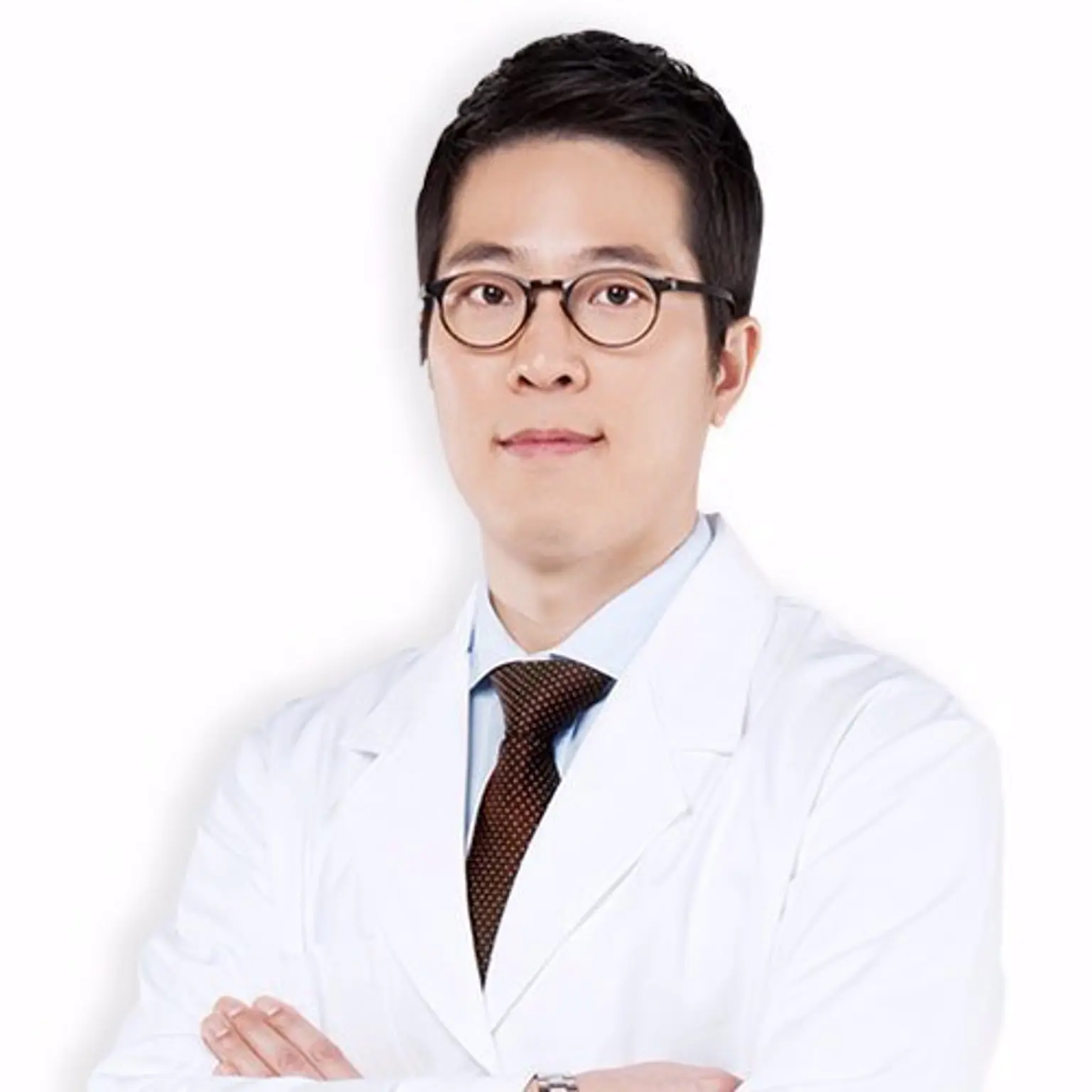
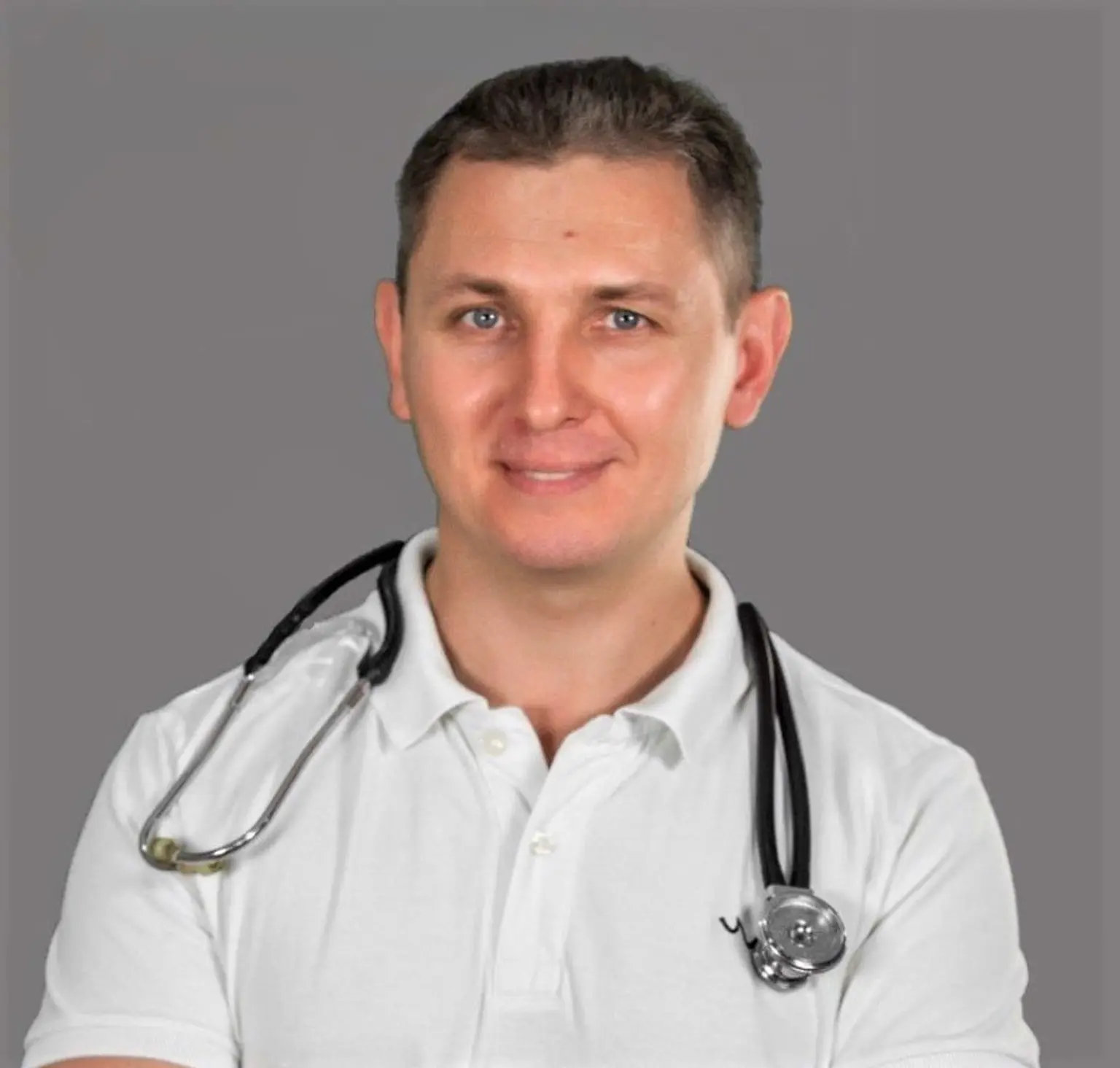
The clinical information regarding Abdominoplasty Insights in this article has been rigorously verified against the latest guidelines from the American Society of Plastic Surgeons (ASPS) and primary research from databases like PubMed. This piece was reviewed for accuracy and patient-centric clarity and was last updated in October 2023.
Introduction
introductionAn abdominoplasty, commonly known as a tummy tuck, is a significant surgical procedure that requires careful consideration and expert guidance. To provide clarity, we present this Q&A, offering professional insights into the most common and important questions patients have. This information is designed to cut through the confusion and empower you with knowledge from a clinical perspective.

Who is an Ideal Candidate for a Tummy Tuck?
who-is-an-ideal-candidate-for-a-tummy-tuckThe ideal candidate for a tummy tuck is a non-smoking individual in good overall health, at a stable weight, who is bothered by the appearance of excess skin and fat in the abdominal area that does not respond to diet and exercise. Candidates often include women post-pregnancy or individuals who have experienced significant weight loss. A key factor is the presence of loose skin or weakened abdominal muscles, a condition known as diastasis recti. It is crucial that candidates have realistic expectations about the surgical outcome, understanding it is a body contouring procedure, not a weight-loss method.
What is the Difference Between a Full and Mini Tummy Tuck?
what-is-the-difference-between-a-full-and-mini-tummy-tuckThe primary difference lies in the extent of the correction and the area of the abdomen being addressed.
Full Abdominoplasty: This procedure addresses the entire abdominal area, both above and below the navel. It involves a longer incision, typically from hip to hip, repositioning of the navel (umbilicus), and repair of the underlying abdominal muscles diastasis recti. It is suited for patients with significant skin laxity and muscle separation across the whole abdomen.
Mini Abdominoplasty: This is a less extensive option focusing only on the area below the navel. It involves a shorter incision, similar to a C-section scar, and does not typically require repositioning the navel. This procedure is best for individuals with a small amount of excess skin and fat confined to the lower abdomen.
How Long is the Recovery Period for an Abdominoplasty?
how-long-is-the-recovery-period-for-an-abdominoplastyThe initial recovery period for an abdominoplasty is typically about two to three weeks, during which you must avoid strenuous activity. Most patients can return to a desk job and light daily activities within this timeframe. Full recovery, including the ability to resume vigorous exercise, can take six to eight weeks or longer. You will be required to wear a compression garment continuously for several weeks to minimize swelling and support the healing tissues. The presence of surgical drains for the first few days to a week is common to prevent fluid accumulation.
Can Abdominoplasty Remove Stretch Marks?
can-abdominoplasty-remove-stretch-marksAn abdominoplasty can remove stretch marks, but only those located on the excess skin that is surgically excised. Stretch marks on the lower abdomen, below the navel, are most likely to be removed during a full tummy tuck. Any stretch marks located on the upper abdomen or flanks will remain, although their position may shift lower and they may appear less noticeable as the remaining skin is tightened.
What Are the Risks and Potential Complications of Abdominoplasty?
what-are-the-risks-and-potential-complications-of-abdominoplastyLike any major surgery, abdominoplasty carries risks that must be carefully considered. Potential complications include adverse reactions to general anesthesia, bleeding hematoma infection, and fluid accumulation seroma. Other risks specific to the procedure include poor wound healing, undesirable scarring, skin sensation changes numbness, and skin loss. Deep vein thrombosis (DVT) and pulmonary complications are rare but serious risks. Choosing a board-certified plastic surgeon and adhering strictly to post-operative care instructions are the most effective ways to mitigate these risks.
What Are the Most Important Takeaways?
what-are-the-most-important-takeawaysCandidacy is Key: Abdominoplasty is for body contouring, not weight loss. Ideal candidates are at a stable weight with concerns about loose skin and muscle laxity.
Procedure is Tailored: The choice between a full or mini tummy tuck depends entirely on your specific anatomy and goals.
Recovery is a Process: Plan for at least two weeks away from normal routines and up to two months before resuming strenuous physical activity.
Scarring is Permanent: While surgeons strive to place incisions discreetly, a permanent scar is an unavoidable outcome of the procedure.
"After my consultation, I finally felt like I had a clear, honest roadmap. The surgeon took the time to answer every single one of my questions, replacing anxiety with confidence." – an anonymous patient, Australia.
Recommended Clinics with Relevant Expertise in South Korea
recommended-clinics-with-relevant-expertise-in-south-koreaWebsite | Clinic Name | Best Known For | Address | Contact |
|---|---|---|---|---|
Human Plastic Surgery | Facial Contouring, Rhinoplasty, Anti-Aging | Gangnam-gu, Seoul, South Korea | ||
Dite Plastic Surgery | Liposuction, Body Contouring, Breast Surgery | Gangnam-gu, Seoul, South Korea | ||
1mm Plastic Surgery | Eye Surgery, Rhinoplasty, Anti-Aging | Gangnam-gu, Seoul, South Korea | ||
Kowon Plastic Surgery | Rhinoplasty (Primary & Revision) | Gangnam-gu, Seoul, South Korea | ||
SoonPlus Plastic Surgery | Eye Surgery, Rhinoplasty, Breast Surgery | Gangnam-gu, Seoul, South Korea | ||
Face Plus Plastic Surgery | Facial Contouring, Rhinoplasty, Eye Surgery | Gangnam-gu, Seoul, South Korea | ||
TJ plastic surgery | Facial Contouring, Breast Surgery, Lifting | Gangnam-gu, Seoul, South Korea | ||
Hugo Plastic Surgery | Rhinoplasty, Eye Surgery | Gangnam-gu, Seoul, South Korea | ||
Yujin PS & Dermatology | Stem Cell Therapy, Dermatology, Anti-Aging | Gangnam-gu, Seoul, South Korea | ||
ID Hospital | Facial Bone Surgery, Comprehensive Plastic Surgery | Gangnam-gu, Seoul, South Korea | ||
JK Plastic Surgery | Comprehensive Plastic Surgery, Wellness | Gangnam-gu, Seoul, South Korea |
Recommended Treatment/Procedure Names with Average Costs in South Korea
recommended-treatmentprocedure-names-with-average-costs-in-south-koreaTreatment/Procedure Name | Treatment Duration | Hospitalization? | Avg Cost Range (USD) in S. Korea | Contact |
|---|---|---|---|---|
Full Face Lifting | 3-5 hours | Needed (1-2 days) | $8,000 - $15,000 | |
SMAS Facelift | 2-4 hours | Needed (1 day) | $7,000 - $13,000 | |
Face Contouring | 2-4 hours | Needed (1-2 days) | $6,000 - $18,000 | |
Square Jaw Surgery | 1-2 hours | Needed (1-2 days) | $4,500 - $8,000 | |
Cheekbone Reduction Surgery | 1-2 hours | Needed (1 day) | $4,000 - $7,500 | |
Revision Rhinoplasty | 2-4 hours | Needed (1 day) | $5,000 - $10,000 | |
Rhinoplasty | 1-3 hours | Needed (1 day) | $3,000 - $7,000 | |
Breast Augmentation | 1-2 hours | Needed (1 day) | $6,000 - $12,000 | |
Hip-up Plastic Surgery | 2-3 hours | Needed (1-2 days) | $7,000 - $15,000 | |
Liposuction (Abdominal) | 1-3 hours | Needed (1 day) | $3,000 - $8,000 | |
Genioplasty (Chin Surgery) | 1-2 hours | Needed (1 day) | $3,500 - $6,500 | |
Upper & Lower Blepharoplasty | 1-2 hours | Not Needed | $2,500 - $5,000 | |
Neck Lift | 2-3 hours | Needed (1 day) | $4,000 - $7,000 | |
Forehead Lift | 1-2 hours | Needed (1 day) | $3,500 - $6,000 | |
Double Eyelid Surgery | 30-60 mins | Not Needed | $1,500 - $3,500 | |
Thread Lifting | 30-60 mins | Not Needed | $1,000 - $4,000 |
How Can I Prepare for My Own Consultation?
how-can-i-prepare-for-my-own-consultationProper preparation is vital for a productive consultation. It allows your surgeon to provide the most accurate assessment and helps you make a fully informed decision.
1. Compile Your Medical History
1.-compile-your-medical-historyBe ready to discuss your complete medical history. This includes past surgeries, current and past medical conditions, any allergies, and a full list of medications, vitamins, and herbal supplements you are currently taking. Honesty and thoroughness are paramount for your safety.
2. Define Your Goals and Concerns
2.-define-your-goals-and-concernsThink specifically about what you wish to achieve with an abdominoplasty. Are you primarily concerned with loose skin after pregnancy? Is it excess skin from weight loss? Do you suspect muscle separation? Write down your goals and any specific questions or anxieties you have about the procedure, recovery, or results.
3. Be Prepared for a Physical Examination
3.-be-prepared-for-a-physical-examinationThe surgeon will need to perform a physical examination of your abdomen to assess your skin quality, the amount of excess fat, and the condition of your abdominal muscles. This is a necessary step for determining your candidacy and developing a surgical plan. Wear comfortable clothing that is easy to change.
4. Understand the Costs and Logistics
4.-understand-the-costs-and-logisticsAsk about the total cost of the procedure, including surgeon's fees, anesthesia, facility costs, and any post-operative garments or medications. For international patients, it's crucial to ask about the availability of virtual consultations and the recommended length of stay in the country for pre-operative and post-operative care.
From Consideration to Confidence: Plan Your Abdominoplasty Today!
from-consideration-to-confidence:-plan-your-abdominoplastyUnderstanding the details of an abdominoplasty is the most critical step. Take the next one by connecting with leading specialists in South Korea. By inquiring through our dedicated service, you gain access to a seamless, transparent process guided by a personal Care Manager who will support you from the initial inquiry to your post-recovery care. And Start Your Confidential Inquiry through CloudHospital to receive a personalized treatment plan and begin your journey with confidence.