

The clinical information regarding Crohn's Disease: Expert Insights and Key Facts for Patients in this article has been rigorously verified against the latest guidelines from the Crohn's & Colitis Foundation and primary research from databases like PubMed. This piece was reviewed for accuracy and patient-centric clarity and was last updated in June 2024.
Introduction
introductionLiving with or suspecting you have a chronic condition like Crohn's disease brings a wave of questions and uncertainty. Getting clear, authoritative answers is the first step toward gaining control over your health. This expert guided Q&A provides professional insights into the most critical questions patients have about Crohn's disease, cutting through medical jargon to offer the clarity you need.
What are the early signs of Crohn's disease?
what-are-the-early-signs-of-crohn's-disease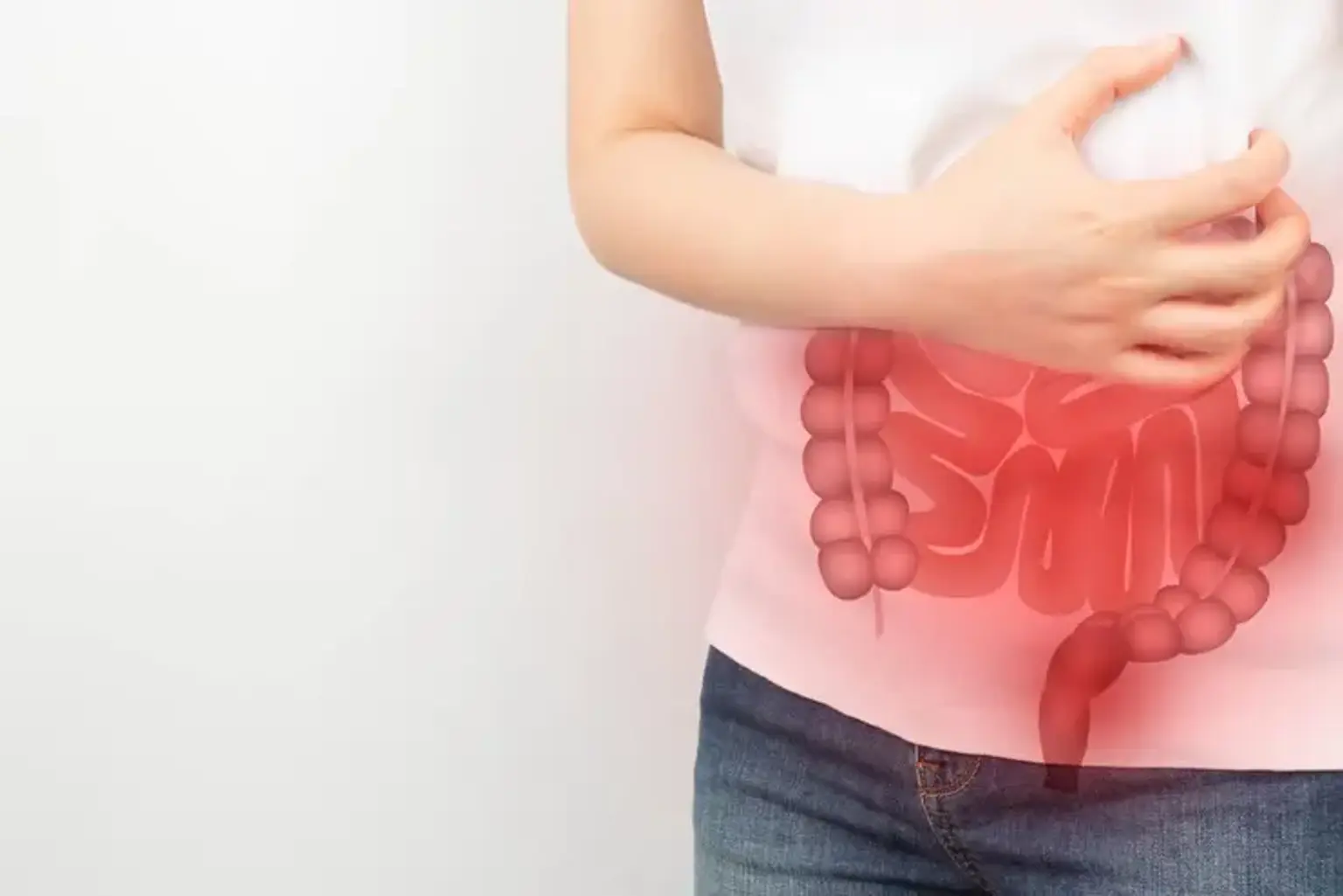
The earliest signs of Crohn's disease often include persistent diarrhea, abdominal cramping and pain, fever, and unexplained weight loss. These symptoms can be subtle at first and may develop gradually. Many individuals also experience fatigue and a reduced appetite. Because Crohn's can affect any part of the gastrointestinal (GI) tract from the mouth to the anus, symptoms can vary significantly between patients. Some may also notice blood in their stool.
What is the difference between Crohn's and ulcerative colitis?
what-is-the-difference-between-crohn's-and-ulcerative-colitisThe primary difference is the location and pattern of inflammation in the GI tract. Crohn's disease can affect any part of the GI tract and the inflammation often occurs in patches, with healthy tissue in between inflamed areas. In contrast, ulcerative colitis is limited to the large intestine colon and rectum, and the inflammation is continuous, starting at the rectum and extending upwards into the colon. Crohn's disease also tends to affect all layers of the bowel wall, whereas ulcerative colitis typically only involves the innermost lining.
Can Crohn's disease be cured or only managed?
can-crohn's-disease-be-cured-or-only-managedCrohn's disease cannot be cured, but it can be effectively managed to achieve long-term remission. Remission is a period where symptoms disappear or are significantly reduced. The primary goal of treatment is to control inflammation, relieve symptoms, and prevent complications like fistulas or strictures. This is achieved through a combination of medication, lifestyle adjustments, and in some cases, surgery. Modern treatments, especially biologic therapies, have revolutionized management, allowing many patients to lead full and active lives.
How is Crohn's disease diagnosed?
how-is-crohn's-disease-diagnosedA diagnosis of Crohn's disease is made through a combination of tests, as no single test can confirm it. The process typically begins with a physical exam and a review of your medical and family history. Key diagnostic procedures include:
Blood and Stool Tests: To check for anemia, signs of inflammation like elevated C-reactive protein, and to rule out infections.
Endoscopy: An upper GI endoscopy (EGD) examines the esophagus, stomach, and duodenum.
Colonoscopy: This is the most common procedure to diagnose Crohn's, allowing a doctor to view the entire colon and the end of the small intestine terminal ileum and take tissue samples (biopsies).
Imaging Scans: CT scans or MRI enterography provide detailed images of the small intestine, which is harder to view with a standard endoscope.
What are the most important takeaways for a newly diagnosed patient?
what-are-the-most-important-takeaways-for-a-newly-diagnosed-patientNavigating a new Crohn's diagnosis can feel overwhelming. Focusing on a few key pillars can provide a clear path forward.
Find a Specialist: Partnering with a gastroenterologist who specializes in Inflammatory Bowel Disease (IBD) is critical for effective, long term management.
Treatment is a Marathon: The goal is long term remission, not just short-term symptom relief. Adherence to your prescribed treatment plan, especially advanced therapies like biologics, is the most effective way to prevent disease progression and complications.
You Are Not Alone: Crohn's affects millions worldwide. Connecting with support groups and educational resources like the Crohn's & Colitis Foundation can provide invaluable emotional and practical support.
Lifestyle Matters: While medication is the cornerstone of treatment, diet, stress management, and avoiding smoking can significantly impact your well being and symptom control.
"For months, I was just lost in a sea of confusing search results and scary stories. Having a specialist sit down and clearly answer my specific questions what my tests meant, why a certain treatment was best was the moment I felt I could actually handle this. The fear was replaced by a plan." – an anonymous patient, United States.
Recommended Clinics with Relevant Expertise in South Korea
recommended-clinics-with-relevant-expertise-in-south-koreaSouth Korea is home to world class medical centers with advanced gastroenterology departments specializing in the diagnosis and management of complex IBD cases.
Website | Clinic Name | Best Known For | Address | Contact |
|---|---|---|---|---|
Asan Medical Center | High-volume complex surgeries, comprehensive cancer and organ transplant centers. | Songpa-gu, Seoul,South Korea | ||
Seoul St. Mary's Hospital-Seocho | Specialized centers for cancer, cardiovascular, and organ transplantation. | Seocho-gu, Seoul,South Korea | ||
Seoul National University Hospital | Leading national research hospital with a focus on rare and intractable diseases. | Gangnam-gu, Seoul, South Korea | ||
Kangdong Sacred Heart Hospital | Specialized centers including a digestive disease center and spine center. | Gangdong-gu, Seoul, South Korea | ||
H Plus Yangji Hospital | Modern general hospital with specialized departments and a health promotion center. | Gwanak-gu, Seoul, South Korea | ||
Soon Chun Hyang University Hospital Seoul | University-affiliated hospital with strong research and specialized clinical programs. | Yongsan-gu, Seoul, South Korea | ||
Kyung Hee University Hospital At Gangdong | Unique integration of Western, Korean, and dental medicine. | Gangdong-gu, Seoul, South Korea | ||
Hanyang University Seoul Hospital | Major academic medical center with a strong focus on research and development. | Seongdong-gu, Seoul,South Korea |
Associated Gastroenterology Procedures with Average Costs in South Korea
associated-gastroenterology-procedures-with-average-costs-in-south-koreaThe management of Crohn's disease and other GI conditions involves a range of diagnostic and therapeutic procedures. The following table provides an overview of common treatments available in South Korea.
Treatment/Procedure Name | Treatment Duration | Hospitalization? | Avg Cost Range (USD) in S. Korea | Contact |
|---|---|---|---|---|
Inflammatory Bowel Disease (IBD) Biologic Therapy | 30 mins - 2 hours | Not Needed | $15,000 - $30,000 | |
Colonoscopy with Polypectomy | 30-60 mins | Not Needed | $1,500 - $2,500 | |
Upper GI Endoscopy with Biopsy (EGD) | 15-30 mins | Not Needed | $1,000 - $1,800 | |
Endoscopic Ultrasound (EUS) with Fine Needle Aspiration | 30-60 mins | Not Needed | $2,500 - $4,500 | |
Colon Cancer Surgery (Colectomy) | 2-4 hours | Needed (3-7 days) | $15,000 - $25,000 | |
ERCP with Biliary or Pancreatic Stenting | 30-90 mins | Needed (1 day) | $4,000 - $7,000 | |
Pancreatic Surgery (Whipple Procedure) | 4-7 hours | Needed (1-2 weeks) | $40,000 - $60,000 | |
Liver Transplantation | 4-8 hours | Needed (2 to 3 weeks) | $130,000 - $160,000 | |
Bariatric Surgery (Gastric Bypass, Sleeve Gastrectomy) | 1-3 hours | Needed (2-4 days) | $12,000 - $18,000 | |
Hepatitis C Antiviral Therapy | 8-12 weeks | Not Needed | $20,000 - $40,000 |
How Can I Prepare for a Consultation?
how-can-i-prepare-for-a-consultationTaking proactive steps before your appointment can help you and your doctor develop the most effective plan.
1. What kind of doctor treats Crohn's disease?
1.-what-kind-of-doctor-treats-crohn's-diseaseA gastroenterologist is the specialist who diagnoses and treats Crohn's disease. For complex cases, it is highly beneficial to see a gastroenterologist who has a specific focus or sub-specialty in Inflammatory Bowel Disease (IBD).
2. What information should I bring to my first appointment?
2.-what-information-should-i-bring-to-my-first-appointmentTo make the most of your consultation, prepare a detailed summary of your health. Include a timeline of your symptoms, any triggers you've noticed like certain foods or stress, a list of all current medications and supplements, and your family's medical history, especially concerning autoimmune or digestive diseases.
3. Are there non-medical ways to help manage symptoms?
3.-are-there-non-medical-ways-to-help-manage-symptomsYes, lifestyle modifications play a crucial supporting role. A dietitian can help create a personalized nutrition plan to avoid trigger foods during a flare up. Stress reduction techniques such as mindfulness, yoga, or counseling can be beneficial, as stress is a known factor in exacerbating symptoms. Quitting smoking is one of the most impactful changes a patient can make, as smoking is known to worsen disease activity.
4. How can I find a specialist in South Korea for a second opinion or treatment?
4.-how-can-i-find-a-specialist-in-south-korea-for-a-second-opinion-or-treatmentAccessing international specialists is more straightforward than ever. Services like CloudHospital connect you directly with leading gastroenterologists at top Korean medical centers. You can securely share your medical records for review, receive treatment plans, and arrange virtual or in person consultations, often with dedicated care coordination to manage language and logistics.
Begin Your Journey to Effective Crohn's Management Now!
begin-your-journey-to-effective-crohn's-managementTaking control of Crohn's disease starts with expert guidance and a personalized treatment strategy. The advanced medical infrastructure and renowned specialists in South Korea offer a path to remission and improved quality of life. CloudHospital can help you navigate the process with confidence. A dedicated Care Manager will provide end-to-end support, ensuring a seamless and transparent experience from your first question to your post-treatment care. Start Your Confidential Inquiry.