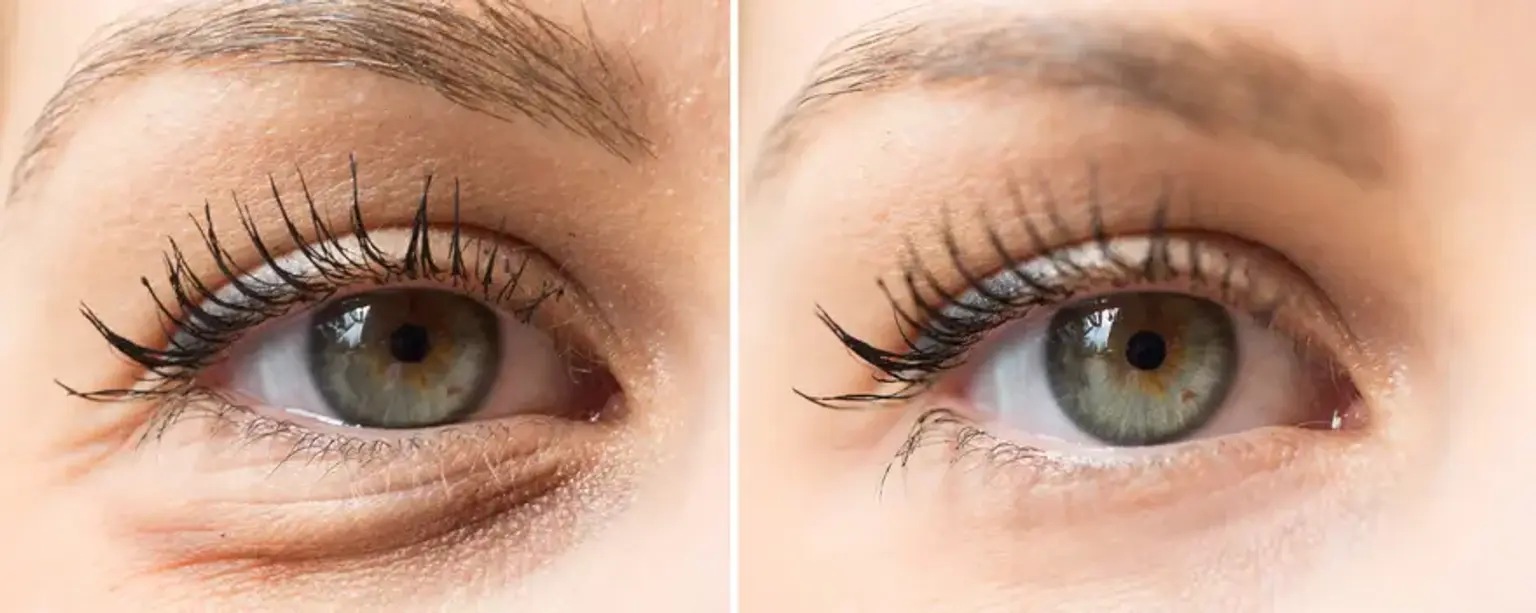



The clinical information regarding Epicanthoplasty in this article has been rigorously verified against the latest procedural guidelines from authoritative bodies like the Korean Society of Plastic and Reconstructive Surgeons (KSPRS) and primary research from databases like PubMed. This piece was reviewed for accuracy and patient-centric clarity and was last updated in October 2023.
Introduction
introduction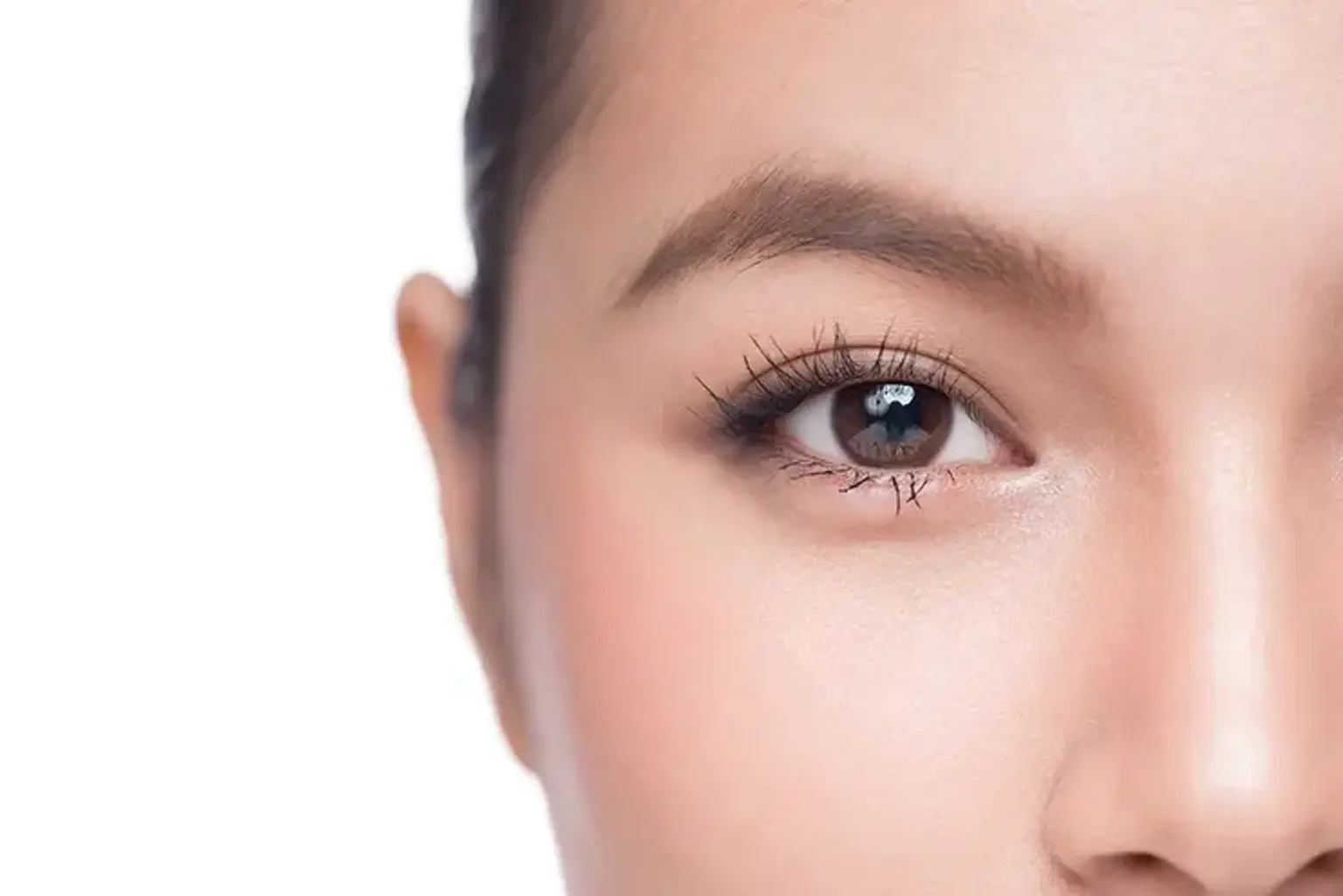
Epicanthoplasty is a precise surgical procedure that requires a deep understanding of anatomy and a keen aesthetic sense. For patients considering this surgery, the volume of information can be overwhelming. This guide synthesizes knowledge from leading oculoplastic and facial plastic surgeons to answer the most critical questions patients have. We provide direct, professional insights to empower you with the clarity needed to make an informed decision.
What Exactly Is Epicanthoplasty Surgery?
what-exactly-is-epicanthoplasty-surgeryEpicanthoplasty is a specialized type of eye surgery designed to modify or remove the epicanthal fold, also known as the Mongolian fold. This is a small web of skin that runs from the upper eyelid to the inner corner of the eye.
The primary goal of the procedure is to expose the inner corner of the eye, which can create a wider, longer, and more open eyed appearance. Surgeons accomplish this by making precise incisions at the medial canthus and then repositioning or excising the small flap of skin, a technique often referred to as skin redraping. It is very commonly performed in conjunction with double eyelid surgery to create a more harmonious and defined parallel pretarsal crease.
Key Surgical Objectives:
Elongate the eyes horizontally: Making them appear larger and less rounded.
Reduce the intercanthal distance: The space between the two eyes.
Expose the medial sclera (white part) and lacrimal caruncle (pink corner): This contributes to a brighter, more alert look.
Refine the shape of the double eyelid crease: Allowing it to start smoothly from the inner corner rather than being obscured by the fold.
Who Is a Good Candidate for Epicanthoplasty?
who-is-a-good-candidate-for-epicanthoplastyAn ideal candidate for epicanthoplasty is an individual in good general health who wishes to alter the appearance of their epicanthal folds for aesthetic reasons. The decision is highly personal and based on specific anatomical features and desired outcomes.
Ideal candidates typically exhibit:
A prominent epicanthal fold: This is the primary indication for the procedure.
A wide-set appearance: The procedure can make the eyes appear closer together.
A desire for larger, more open eyes: This is one of the most common patient goals.
Plans for concurrent double eyelid surgery: Many patients undergo both procedures simultaneously for a comprehensive and balanced result. A surgeon can create a natural looking parallel eyelid crease that is not possible when a significant epicanthal fold is present.
Realistic expectations: Understanding the limitations and potential risks, including scarring, is crucial.
A board-certified plastic surgeon will assess your unique facial anatomy, including the severity of the fold, skin thickness, and overall facial balance, to determine if you are a suitable candidate.
How Long Is the Recovery for Epicanthoplasty?
how-long-is-the-recovery-for-epicanthoplastyThe full recovery timeline for epicanthoplasty occurs in stages, with most of the visible healing happening in the first few weeks and final scar maturation taking several months.
A direct, concise answer is: Initial significant swelling and bruising subside within 1-2 weeks, and most patients feel comfortable returning to public activities after 7-10 days. Stitches are typically removed around 5-7 days post-surgery.
Here is a more detailed breakdown of the recovery timeline:
First 48-72 Hours: This is the period of maximum swelling and potential bruising. Cold compresses are recommended to manage swelling. Some tightness and mild discomfort are normal.
Days 5-7: Stitches are usually removed at a follow-up appointment. Swelling will have noticeably decreased, but the area will still look puffy.
Weeks 1-2: The majority of bruising and swelling resolves. You can typically resume most non-strenuous daily activities and wear makeup to conceal any remaining discoloration.
Month 1: The incision lines will still be pink or reddish and slightly raised. The overall shape of the eye will be apparent, but residual swelling can persist.
Months 3-6: This is the scar maturation phase. The incision lines begin to fade, soften, and flatten. The final aesthetic result becomes much clearer during this time. It is critical to follow your surgeon's scar care instructions, which may include silicone gels and sun protection.
6+ Months: The scar should be a fine, pale line that is well concealed in the natural crease of the inner eye. The final, stable result is now visible.
What Are the Risks and Potential Complications of Epicanthoplasty?
what-are-the-risks-and-potential-complications-of-epicanthoplastyWhile epicanthoplasty is generally safe when performed by an experienced, board-certified surgeon, it carries risks inherent to any surgical procedure. The most significant risk specific to this surgery is unsatisfactory scarring.
Potential risks include:
Visible Scarring: The inner corner of the eye is a delicate area, and hypertrophic or visible scarring is the most common concern. Advanced surgical techniques like Z-plasty or W-plasty are designed to minimize this by hiding incisions in natural creases.
Asymmetry: Minor differences between the two eyes can occur. A skilled surgeon aims for the best possible symmetry, but perfect symmetry is not always achievable.
Under-correction: The fold is not sufficiently released, leading to a minimal change in appearance.
Over-correction: Too much tissue is removed, resulting in an unnatural or stark appearance of the inner eye corner.
Wound Dehiscence or Infection: As with any surgery, there is a small risk of the incision opening or becoming infected. Following post-operative care instructions is vital to prevent this.
Changes in Tearing: Temporary or, rarely, permanent changes to tear drainage can occur.
Choosing a surgeon who specializes in oculoplastic procedures and has extensive experience with epicanthoplasty is the most critical step in mitigating these risks.
Can Epicanthoplasty Be Reversed or Revised?
can-epicanthoplasty-be-reversed-or-revisedYes, epicanthoplasty can be revised, but it is a highly complex procedure often referred to as epicanthoplasty reconstruction or reverse epicanthoplasty. It is significantly more challenging than the initial surgery.
Reversal is not a simple process of stitching the fold back together. It involves creating local flaps of nearby tissue to reconstruct the web like fold. The primary goals of a revision are typically to correct over correction an overly exposed caruncle or to improve the appearance of prominent scarring. Success depends heavily on the amount and quality of the remaining skin and tissue in the area. Because of this complexity, it is paramount to seek a highly satisfactory result with the primary surgery.
"After my initial online research, I felt more confused than ever. Having a structured consultation where the surgeon answered every single one of my questions from scarring to recovery gave me the confidence that I was making a clear-headed, informed choice for myself. The anxiety just melted away." – an anonymous patient, Australia.
Recommended Clinics with Relevant Expertise in South Korea
recommended-clinics-with-relevant-expertise-in-south-koreaSouth Korea is globally recognized for its advanced techniques in facial plastic surgery, particularly intricate procedures like epicanthoplasty. The following clinics are noted for their expertise in this and related fields.
Website | Clinic Name | Best Known For | Address | Contact |
|---|---|---|---|---|
TJ Plastic Surgery | Anti-aging, Lifting, and Specialized Eye Surgery | Gangnam-gu, Seoul, South Korea | ||
Hugo Plastic Surgery | Delicate and Natural-Looking Eye and Nose Surgery | Gangnam-gu, Seoul, South Korea | ||
SoonPlus Plastic Surgery | High-Precision Rhinoplasty and Eye Surgery | Gangnam-gu, Seoul, South Korea | ||
Face Plus Plastic Surgery | Rhinoplasty and Revision Surgeries | Gangnam-gu, Seoul, South Korea | ||
Yujin Plastic Surgery & Stem Cell Research | Facial Contouring and Body Procedures | Gangnam-gu, Seoul, South Korea | ||
JK Plastic Surgery Center | Facial contouring and anti-aging procedures | Gangnam-gu, Seoul, South Korea | ||
ID Hospital | Naturalistic Eye, Nose, and Lifting Procedures | Gangnam-gu, Seoul, South Korea | ||
Banobagi Plastic Surgery | Comprehensive Facial Surgery and Contouring | Gangnam-gu, Seoul, South Korea | ||
View plastic surgery | Integrated Surgical, Dermatological, and Anti-Aging Treatments | Gangnam-gu, Seoul, South Korea | ||
JW Plastic Surgery | Hospital-Level Facility for Facial Bone and Contouring Surgery | Gangnam-gu, Seoul, South Korea |
Recommended Treatment/Procedure Names with Average Costs in South Korea
recommended-treatmentprocedure-names-with-average-costs-in-south-koreaThe following table provides an overview of common plastic surgery procedures offered in South Korea, with estimated costs to help with financial planning. Prices are approximate and can vary based on surgeon expertise, clinic reputation, and the complexity of the individual case.
Treatment/Procedure Name | Duration | Hospitalization? | Avg. Cost (USD) in S.Korea | Contact |
|---|---|---|---|---|
Epicanthoplasty | 30-60 mins | Not Needed | $1,000 - $2,000 | |
[Double Eyelid Surgery] | 1-1.5 hours | Not Needed | $1,500 - $4,000 | |
Canthoplasty (Lateral/Outer) | 30-60 mins | Not Needed | $1,000 - $2,500 | |
[Rhinoplasty] (Primary) | 2-4 hours | Not Needed | $4,000 - $8,000 | |
Revision Rhinoplasty | 3-5 hours | Needed (1 day) | $6,000 - $12,000 | |
Male Rhinoplasty | 2-4 hours | Not Needed | $4,500 - $9,000 | |
Full Face Lifting (SMAS) | 4-6 hours | Needed (1-2 days) | $12,000 - $25,000 | |
[Neck Lift] | 2-3 hours | Needed (1 day) | $5,000 - $9,000 | |
Forehead Lift / Brow Lift | 1.5-2.5 hours | Needed (1 day) | $4,000 - $7,000 | |
Facial Contouring (V-Line) | 3-4 hours | Needed (2-3 days) | $9,000 - $16,000 | |
Cheekbone Reduction Surgery | 2-3 hours | Needed (2 days) | $6,000 - $10,000 | |
[Genioplasty] (Chin Surgery) | 1-2 hours | Needed (1 day) | $4,000 - $7,000 | |
Upper & Lower Blepharoplasty | 2-3 hours | Not Needed | $4,000 - $7,500 | |
Breast Augmentation | 1-2 hours | Needed (1 day) | $8,000 - $15,000 | |
Liposuction (Abdomen) | 2-3 hours | Not Needed | $4,000 - $8,000 | |
Hip-up Plastic Surgery | 2-3 hours | Needed (1 day) | $7,000 - $12,000 | |
Thread Lifting | 45-60 mins | Not Needed | $2,000 - $5,000 | |
Dimple Surgery | 20-30 mins | Not Needed | $1,000 - $2,000 | |
Nostril Reduction | 30-60 mins | Not Needed | $1,500 - $3,000 |
Frequently Asked Questions (FAQ)
frequently-asked-questions-(faq)This section addresses further practical questions patients often have when considering epicanthoplasty.
1. What is the difference between epicanthoplasty and canthoplasty?
1.-what-is-the-difference-between-epicanthoplasty-and-canthoplastyThis is a common point of confusion. Epicanthoplasty specifically addresses the inner corner of the eye to release the epicanthal fold. Canthoplasty, on the other hand, typically refers to surgery on the outer corner of the eye lateral canthus. Lateral canthoplasty can be used to elongate the eye horizontally or to change the slant of the eye. Is epicanthoplasty a painful procedure?
The surgery itself is not painful as it is performed under anesthesia. Local anesthesia with sedation is most common, so you will be comfortable and unaware during the procedure. Post-operatively, patients typically report a feeling of tightness or mild soreness rather than significant pain. This is well managed with prescribed or over the counter pain medication for the first few days.
3. Will the scar from epicanthoplasty be very noticeable?
3.-will-the-scar-from-epicanthoplasty-be-very-noticeableThis is a primary concern for patients and a focus for surgeons. An experienced surgeon will use advanced techniques like the Z-plasty or W-plasty to place the incision within the natural contours of the inner eye. Initially, the scar will be pink and visible. However, over 6 to 12 months, it should mature into a fine, pale line that is very difficult to detect with the naked eye. Strict adherence to sun protection and scar care protocols is essential for the best possible outcome.
4. How soon can I wear contact lenses or makeup after surgery?
4.-how-soon-can-i-wear-contact-lenses-or-makeup-after-surgeryYou should wait to wear contact lenses until your surgeon gives you clearance, typically around 1-2 weeks after surgery, to avoid irritating the healing incision site. Eye makeup can usually be applied after 10-14 days, once the stitches are removed and the initial healing is complete. It is crucial to be gentle when applying and removing makeup to not put stress on the incisions.
5. Can epicanthoplasty be performed on non-Asian patients?
5.-can-epicanthoplasty-be-performed-on-non-asian-patientsYes. While the procedure is most famously associated with patients of East Asian descent, it can be performed on any individual who has an epicanthal fold and desires a more open appearance in the inner eye corner. The presence of an epicanthal fold is not exclusive to any single ethnicity. The surgeon's assessment will be based on anatomy, not race.
Clarify Your Vision: Begin Your Epicanthoplasty Consultation Today !
clarify-your-vision:-begin-your-epicanthoplasty-consultationTaking the next step involves a professional evaluation of your unique anatomy and aesthetic goals. A formal consultation is the best way to receive personalized advice and a concrete surgical plan. You can inquire directly with world-class clinics in South Korea for a seamless and transparent process. A dedicated care manager can provide end-to-end support, from your initial questions to post-recovery care, ensuring your journey is safe and well-managed. Start Your Confidential Inquiry and Get a Free Personalized Treatment Plan with CloudHospital.