


The clinical information regarding Essential Dental Implant Facts in this article has been rigorously verified against the latest consensus statements from the International Congress of Oral Implantologists (ICOI) and primary research from databases like PubMed. This piece was reviewed for accuracy and patient-centric clarity and was last updated in October 2023.
Introduction
introductionDental implants represent the pinnacle of modern tooth replacement, yet patients often face a flood of conflicting information. To provide clarity, we present this expert-driven Q&A. We will address the most common and critical questions patients have about dental implants, cutting through the confusion to deliver scientifically-backed, trustworthy answers. This guide is designed to empower you with the knowledge needed to make confident decisions about your oral health.
What is the real success rate of dental implants?
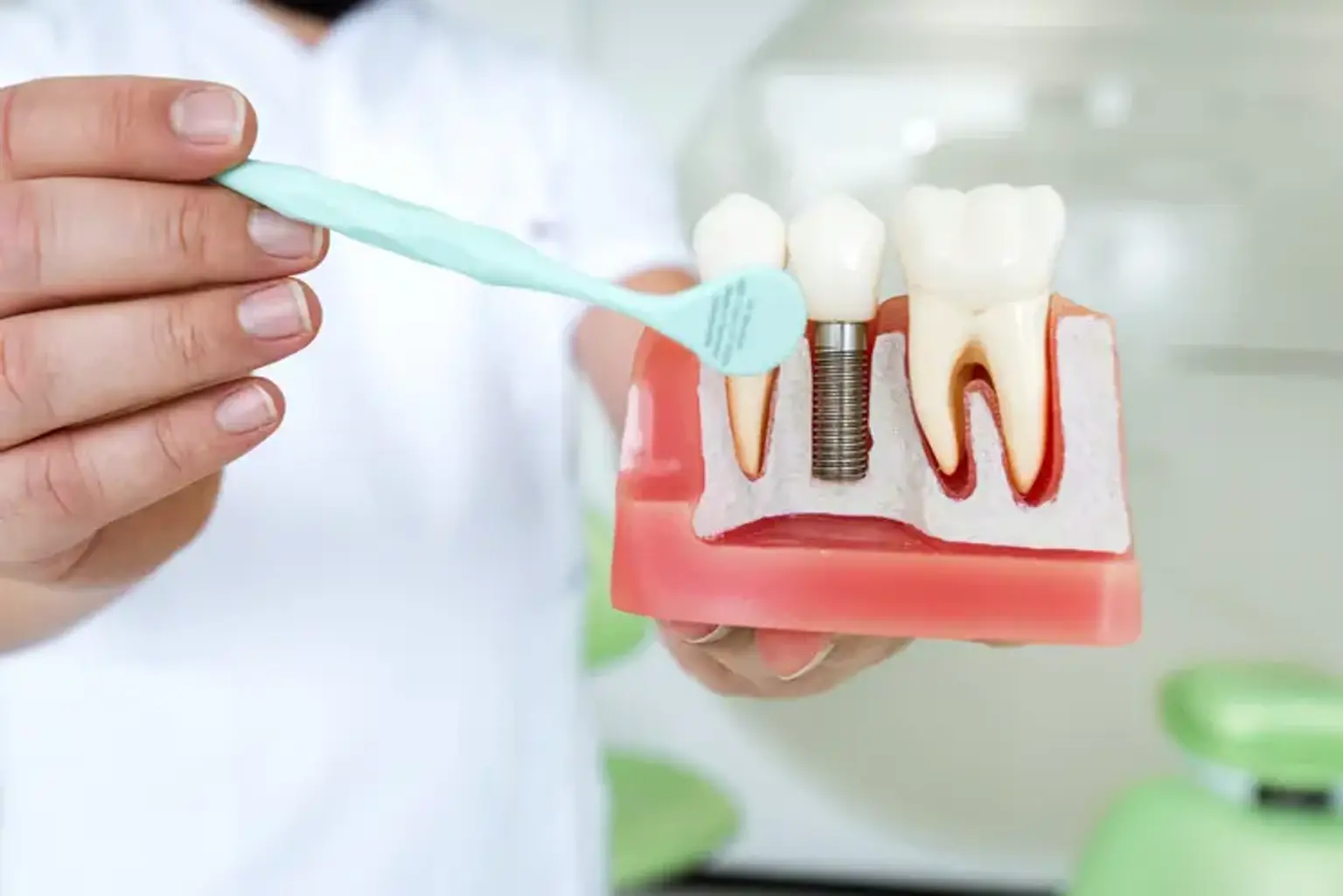
what-is-the-real-success-rate-of-dental-implantsThe success rate of dental implants is exceptionally high, typically reported between 95% and 98% over a ten-year period. This figure refers to the implant post itself successfully integrating with the jawbone, a process known as osseointegration. Success depends on several key factors, including the patient's overall health, bone quality and quantity, the surgeon's expertise, and diligent post-operative care. For patients with well-managed systemic conditions like diabetes, or for those who require procedures like a bone grafting to augment the jaw, success rates remain impressively high when the procedure is performed by a skilled specialist.
Are dental implant procedures painful?
are-dental-implant-procedures-painfulThe implant placement surgery itself is not painful. Patients receive local anesthesia to completely numb the area, and many clinics offer sedation options, such as conscious sedation, to eliminate any anxiety. While the surgery is pain-free, it is normal to experience some post-operative discomfort, swelling, and minor bruising for a few days. This is a standard part of the body's healing response and is typically well-managed with over-the-counter pain relievers and cold compresses. Most patients report the discomfort is less than that of a tooth extraction and can return to normal activities within a day or two.
How long do dental implants actually last?
how-long-do-dental-implants-actually-lastDental implants are designed to be a permanent solution for tooth loss. The titanium or zirconia implant post that fuses with the jawbone can last a lifetime with proper care. The prosthetic component the dental crown attached to the implant may need replacement due to normal wear and tear, typically after 15 to 25 years. The longevity of the entire restoration is directly influenced by:
Oral Hygiene: Brushing, flossing, and using tools designed for implants are crucial to prevent peri-implantitis, an inflammatory condition similar to gum disease.
Regular Dental Check-ups: Professional cleanings and examinations allow dentists to monitor the implant and surrounding tissues.
Lifestyle Factors: Avoiding smoking and managing teeth grinding bruxism significantly contribute to the implant's long-term health.
Who is an ideal candidate for dental implants?
who-is-an-ideal-candidate-for-dental-implantsAn ideal candidate for dental implants is someone with one or more missing teeth who possesses adequate jawbone density and good overall oral and general health. Key qualifications include:
Sufficient Bone Volume: The jawbone must be dense and wide enough to securely anchor the implant. If bone loss has occurred, a bone grafting or sinus lift procedure can often create the necessary foundation.
Healthy Gums: Gums must be free from periodontal disease.
Good General Health: While conditions like diabetes or osteoporosis don't automatically disqualify a patient, they must be well-controlled.
Non-Smoker: Smoking can impair healing and significantly lowers the implant success rate.
Commitment to Oral Hygiene: Candidates must be dedicated to maintaining excellent care of their new teeth.
Advanced technologies like Computerized Analysis Implants use 3D CT scans to precisely map nerve pathways and bone structure, allowing specialists to place implants safely even in complex cases, expanding candidacy to more patients.
What are the most critical steps in the dental implant process?
what-are-the-most-critical-steps-in-the-dental-implant-processThe dental implant process is a multi-stage journey, and understanding each step is vital for a successful outcome.
Comprehensive Consultation and Planning: This is the most crucial phase. It involves a full oral examination, 3D imaging CBCT scan, and a detailed discussion of your medical history. The specialist creates a precise, customized treatment plan.
Implant Placement Surgery: The titanium implant post is surgically placed into the jawbone. This procedure is performed under local anesthesia, often with sedation. A healing cap may be placed over the implant.
Osseointegration Period: This is the biological healing phase where the jawbone grows around and fuses with the implant post. It can take anywhere from 3 to 6 months. A temporary tooth may be worn during this time.
Abutment Placement: Once osseointegration is complete, a small connector post called an abutment is attached to the implant. The gum tissue is allowed to heal around it for a couple of weeks.
Final Crown Restoration: An impression of the abutment is taken to create a custom, permanent dental crown. This crown is then securely attached to the abutment, completing the restoration and giving you a fully functional, natural-looking tooth.
"After my consultation, the entire implant process was demystified. The specialist laid out every step, answered all my questions about healing and cost, and for the first time, I felt confident instead of anxious about the procedure. It made all the difference." – an anonymous patient, Australia.
Recommended Clinics with Relevant Expertise in South Korea
recommended-clinics-with-relevant-expertise-in-south-koreaSouth Korea is globally recognized for its advanced dental technology and highly skilled specialists, particularly in the field of implantology. The following clinics are noted for their expertise in dental implants and related procedures.
Website | Clinic Name | Best Known For | Address | Contact |
|---|---|---|---|---|
Dr. Se Hong Oh's Dental Clinic | One-Day Implant, Navigation Implant | Gangnam-gu, Seoul, South Korea | ||
Ye-on Dental Clinic | Implants, Orthodontics, Laminates | Namdong-gu, Incheon, South Korea | ||
S-PLANT Dental Hospital | Implantology, Digital Dentistry | Gangnam-gu, Seoul, South Korea | ||
Miju Dental Clinic | Implants, Orthodontics | Busanjin-gu, Busan, South Korea | ||
Su Dental Hospital | Implants, Jaw Surgery, Sedation | Gangnam-gu, Seoul, South Korea | ||
Columbia Dental Hospital | Implants, Orthodontics, Pediatric Dentistry | Suwon-si, Gyeonggi-do, South Korea | ||
Dasan Barun Dental Clinic | Implants, Orthodontics | Namyangju-si, Gyeonggi-do, South Korea | ||
Yonsei Hana Dental Clinic | Dental Implants, Orthodontics | Gyeonggi-do,Seoul, South Korea |
Recommended Treatment/Procedure Names with Average Costs in South Korea
recommended-treatmentprocedure-names-with-average-costs-in-south-koreaThe cost of dental care in South Korea is highly competitive, often providing significant savings without compromising on quality or technology. Below are estimated costs for common dental procedures.
Treatment/Procedure Name | Treatment Duration | Hospitalization? | Avg Cost Range (USD) in S. Korea | Contact |
|---|---|---|---|---|
Dental Implant Surgery | 1-2 hours | Not Needed | $1,000 - $3,000 | |
Same-Day Implant | 2-4 hours | Not Needed | $1,200 - $2,800 | |
Denture Implant (per arch) | 2-4 hours | Not Needed | $3,000 - $15,000 | |
Bone Grafting | 1-2 hours | Not Needed | $400 - $2,500 | |
Zirconia Crowns | 1-2 hours | Not Needed | $700 - $1,500 | |
E-MAX All-Ceramic Crowns | 1-2 hours | Not Needed | $800 - $1,600 | |
PFM Crowns | 1-2 hours | Not Needed | $500 - $1,200 | |
Laminates (Porcelain Veneers) | 2-3 hours | Not Needed | $800 - $1,800 | |
No-Prep Laminates | 2 hours | Not Needed | $900 - $2,000 | |
Root Canal Treatment | 1-1.5 hours | Not Needed | $700 - $1,500 | |
Invisalign Braces | 2-4 hours | Not Needed | $4,000 - $8,000 | |
Professional Teeth Whitening | 1-1.5 hours | Not Needed | $300 - $800 | |
Conscious Sedation (add-on) | 30-60 mins | Not Needed | $300 - $800 | |
TMJ Treatment | 1-2 hours | Not Needed | $500 - $5,000 | |
Protruding Mouth Correction | 2-4 hours | Not Needed | $5,000 - $15,000 | |
Prognathism Treatment | 2-4 hours | Needed (3-6 days) | $10,000 - $25,000 |
How Can I Prepare for My Own Consultation?
how-can-i-prepare-for-my-own-consultationPreparing for your initial consultation ensures you get the most value from your time with the specialist and helps them create the best possible treatment plan for you.
1. What documents and information should I have ready?
1.-what-documents-and-information-should-i-have-readyGather any recent dental records, including X-rays or CT scans if you have them. Make a comprehensive list of your medical history, including all current and past health conditions, surgeries, and a full list of medications and supplements you take. Also, write down any specific questions or concerns you have about the procedure.
2. How do I find a trustworthy dental implant specialist in Korea?
2.-how-do-i-find-a-trustworthy-dental-implant-specialist-in-koreaLook for a dentist with specialized training and credentials in implantology, such as a prosthodontist or an oral and maxillofacial surgeon. Verify their experience by looking at before-and-after photos and patient testimonials. Choosing a hospital or clinic with a strong reputation, modern technology like 3D CBCT scanners, and a dedicated international patient department is a reliable indicator of quality.
3. What questions should I ask during the consultation?
3.-what-questions-should-i-ask-during-the-consultationTo ensure you are fully informed, consider asking the following:
What is my specific diagnosis and proposed treatment plan?
Are there any alternative treatment options for my case?
What type and brand of implant do you recommend, and why?
Will I need preliminary procedures like a bone graft or sinus lift?
What is the total estimated cost, including the implant, abutment, crown, and any other procedures?
What is the expected timeline for the entire process from start to finish?
What are the specific risks for my case, and how do you mitigate them?
4. Are virtual consultations available for international patients?
4.-are-virtual-consultations-available-for-international-patientsYes, most top-tier Korean clinics that cater to international patients offer virtual consultations. This is an excellent first step to discuss your case, review your existing dental records, receive a preliminary treatment plan, and get a cost estimate before you commit to travel.
Your Journey to a Restored Smile Begins Here: Inquire About Dental Implants
your-journey-to-a-restored-smile-begins-here:-inquire-about-dental-implantsTaking the next step towards a permanent, confident smile is a significant decision. By inquiring through a trusted platform, you can ensure a seamless and transparent process from start to finish. A dedicated Care Manager will provide end-to-end support, from helping you connect with the right specialists and coordinating consultations to assisting with all your arrangements for a stress-free experience. And Start Your Confidential Inquiry through CloudHospital to receive a personalized treatment plan from leading dental experts in South Korea.