


The clinical information regarding Intervertebral Hernia in this article has been rigorously verified against the latest guidelines from the American Academy of Orthopaedic Surgeons AAOS and primary research from databases like PubMed. This piece was reviewed for accuracy and patient centric clarity and was last updated in October 2023.
Introduction
introductionAn intervertebral hernia diagnosis can feel overwhelming filled with complex terms and uncertain outcomes. To provide clarity we turn to the expertise of Dr. Min-jun Park a leading spinal surgeon with over 15 years of experience in advanced orthopedic procedures. In this Q&A Dr Park offers professional insights into the most critical questions patients have about intervertebral hernias. His goal is to cut through the confusion and deliver direct trustworthy information.
What are the first signs of an intervertebral hernia?
what-are-the-first-signs-of-an-intervertebral-hernia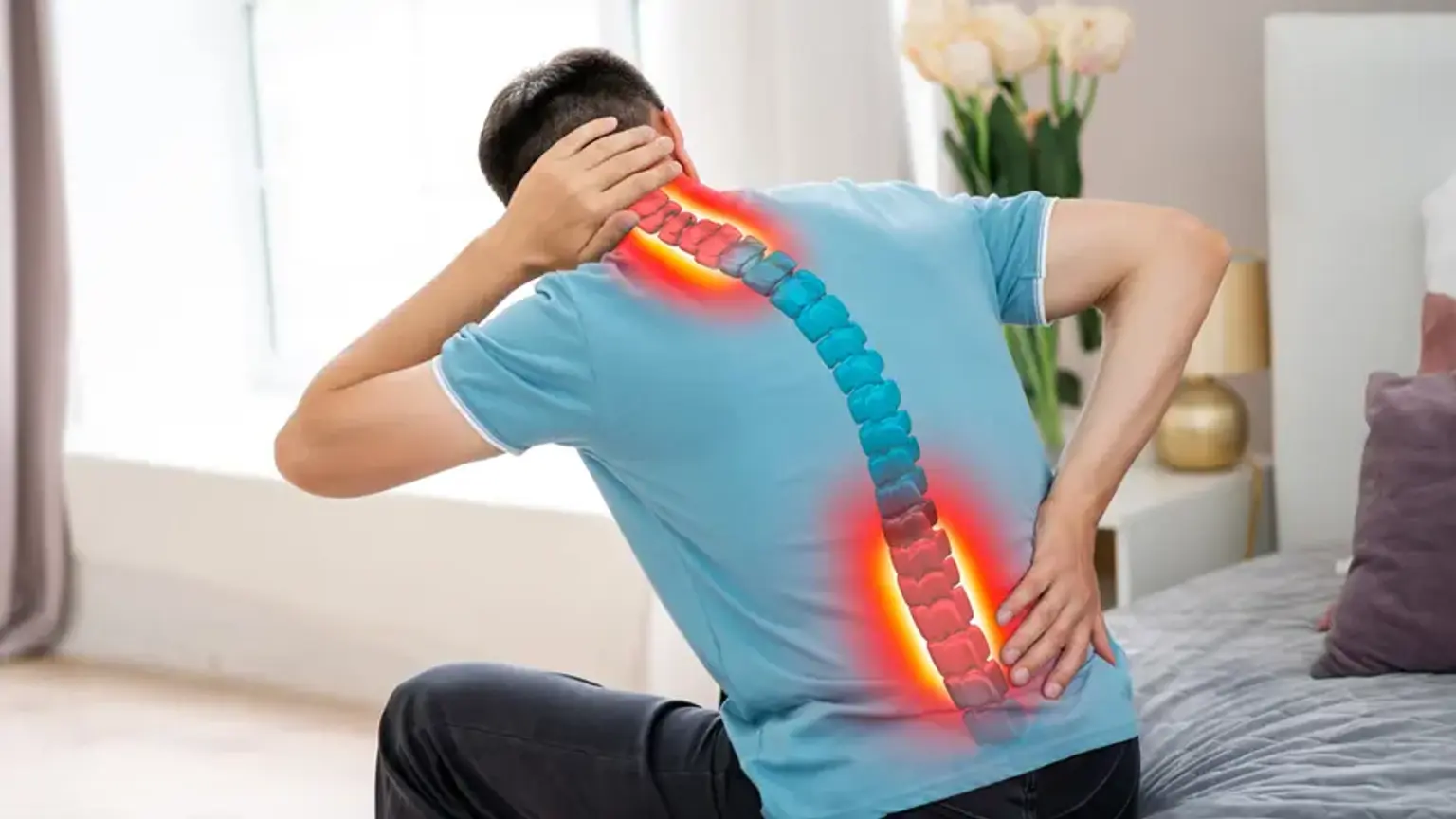
The very first signs depend heavily on the hernia's location. For a lumbar or lower back hernia the most common sign is sharp shooting pain that travels from the buttock down the back of the leg. This condition is widely known as sciatica. You might also feel numbness tingling or muscle weakness along that same nerve path. For a cervical or neck hernia initial symptoms often include a dull or sharp pain in the neck or between the shoulder blades. This pain can radiate down the arm into the hand and fingers accompanied by similar sensations of numbness or tingling.
What are the biggest misconceptions about spinal hernia?
what-are-the-biggest-misconceptions-about-spinal-herniaThe biggest misconception is that every herniated disc automatically requires surgery. This is false. A significant percentage of patients find relief through conservative treatments. Over 90 percent of patients with a lumbar disc herniation recover within six months using non surgical methods. Another common myth is that you must remain completely still. In reality gentle activity and specific physical therapy exercises are crucial for recovery. They help strengthen supporting muscles and improve blood flow to the affected area. The final misconception is that the pain is permanent. With correct diagnosis and a proper treatment plan most individuals can achieve significant long term pain relief and return to their normal activities.
Can a herniated disc heal without surgery?
can-a-herniated-disc-heal-without-surgeryYes a herniated disc can heal or at least become asymptomatic without surgical intervention. The body has a natural ability to resorb the herniated portion of the disc over time. This process involves an inflammatory response where macrophages essentially clean up the extruded disc material reducing pressure on the nerve root. Conservative treatments accelerate this process. These include physical therapy anti inflammatory medication epidural steroid injections and lifestyle modifications. The goal of these treatments is to manage pain and inflammation giving the body the time it needs to heal itself.
When is surgery considered necessary for a disc hernia?
when-is-surgery-considered-necessary-for-a-disc-herniaSurgery becomes a necessary consideration when specific red flag symptoms appear or when conservative treatment fails. If a patient experiences progressive neurological deficits like worsening muscle weakness or loss of coordination surgery is often recommended to prevent permanent nerve damage. Another urgent indication is cauda equina syndrome a rare but serious condition causing loss of bladder or bowel control which requires immediate surgical decompression. For most other patients surgery is an option after six to twelve weeks of comprehensive non operative care that has failed to provide adequate pain relief and functional improvement.
What is the most effective surgery for a slipped disc?
what-is-the-most-effective-surgery-for-a-slipped-discThe most effective surgery is tailored to the individual patient's specific condition. The gold standard for a lumbar herniated disc causing nerve compression is a microdiscectomy. This is a minimally invasive procedure where a surgeon uses a microscope to remove only the herniated portion of the disc relieving pressure on the nerve. For a cervical herniated disc an anterior cervical discectomy and fusion ACDF or an artificial disc replacement are common effective options. Artificial disc replacement has gained popularity because it preserves motion in the neck a key advantage for many patients. The choice depends on factors like spinal stability the patient's age and activity level.
What are the most important takeaways?
what-are-the-most-important-takeawaysNon Surgical First: The vast majority of intervertebral hernias do not require surgery and respond well to conservative care.
Diagnosis is Key: An accurate diagnosis using tools like an MRI scan is essential to pinpoint the exact location and severity of the hernia.
Surgery is Precise: Modern spine surgery is highly advanced. Procedures like microscopic decompression surgery are minimally invasive with high success rates for the right candidates.
Recovery is Active: A proactive approach to recovery involving physical therapy is more effective than prolonged rest for most patients.
"I had so many questions and fears about my back pain. Speaking with a specialist who could clearly explain what was happening and what my real options were changed everything. I finally felt in control of my health again." – an anonymous patient, United States.
Recommended Clinics with Relevant Expertise in South Korea
recommended-clinics-with-relevant-expertise-in-south-koreaWebsite | Clinic Name | Best Known For | Address | Contact |
|---|---|---|---|---|
Seoul Yes Hospital | Non surgical and minimally invasive spine and joint treatments | Yongin-si, Gyeonggi-do, South Korea | ||
Asan Medical Center | Complex orthopedic surgeries and comprehensive rehabilitation programs | Songpa, Seoul, South Korea | ||
Bumin Hospital Group | High specialization in spinal and joint disorders across multiple locations | Haeundae, Busan, South Korea | ||
Nanoori Hospital, Gangnam | Specialized spine and joint care with a focus on motion preservation | Gangnam, Seoul, South Korea | ||
Himchan Hospital | High volume joint replacement and arthroscopic surgery center | Bupyeong, Incheon, South Korea | ||
Nasaret International Hospital | International patient services and integrated neuromuscular treatments | Yeonsu-gu, Incheon, South Korea | ||
Gachon University Gil Medical Center | University hospital known for advanced research and complex treatments | Namdong-gu, Incheon, South Korea | ||
Wooridul Hospital Gangnam | World renowned leader in minimally invasive spine surgery techniques | Gangnam, Seoul, South Korea |
Recommended Treatment/Procedure Names with Average Costs in South Korea
recommended-treatmentprocedure-names-with-average-costs-in-south-koreaTreatment/Procedure Name | Treatment Duration | Hospitalization? | Avg Cost Range (USD) in S. Korea | Contact |
|---|---|---|---|---|
Total knee replacement | 1 to 2 hours | Needed (5 to 7 days) | $18000 to $25000 | |
Artificial disc replacement | 2 to 3 hours | Needed (3 to 5 days) | $20000 to $30000 | |
Artificial joint replacement | 1 to 3 hours | Needed (3 to 7 days) | $15000 to $28000 | |
Minimally invasive spinal fusion surgery | 2 to 4 hours | Needed (2 to 4 days) | $15000 to $25000 | |
Stem cell based cartilage regeneration | 1 to 2 hours | Needed (1 to 2 days) | $8000 to $15000 | |
Orthopedic Stem Cell Therapy | 2 hours | Not Needed | $5000 to $12000 | |
Complex neuromuscular treatment | 1 hour | Not Needed | $7000 to $20000 | |
Spinal endoscopic treatment | 1 to 2 hours | Needed (1 day) | $12000 to $18000 | |
High tibial osteotomy | 1 to 2 hours | Needed (3 to 5 days) | $10000 to $16000 | |
ACL reconstruction | 1 to 2 hours | Needed (1 to 2 days) | $7000 to $12000 | |
Ankle ligament reconstruction | 1 to 1.5 hours | Needed (1 day) | $6000 to $10000 | |
Arthroscopic surgery | 30 to 90 mins | Needed (1 day) | $4000 to $9000 | |
Microscopic decompression surgery | 1 to 2 hours | Needed (1 day) | $13000 to $19000 | |
Spinal Disorder Treatment | 2 to 4 hours | Needed (3–5 days) | $18,000 – $30,000 | |
Joint Disorder Treatment | 1 to 2 hours | Needed (5–10 days) | $15,000 – $25,000 | |
Percutaneous vertebroplasty | 30 to 60 mins | Needed (1 day) | $8000 to $14000 | |
Hallux valgus correction | 1 hour | Needed (1 day) | $5000 to $8000 | |
Epidural neuroplasty | 30 mins | Not Needed | $1500 to $3000 | |
Zero gravity spinal decompression | 20 to 30 mins | Not Needed | $100 to $250 | |
Extracorporeal shock wave therapy | 15 to 20 mins | Not Needed | $150 to $300 |
How Can I Prepare for My Own Consultation?
how-can-i-prepare-for-my-own-consultationPreparing for your consultation empowers you to get the most value from your time with a specialist. A structured approach ensures all your concerns are addressed.
1. How do I get a consultation with a specialist in Korea?
1.-how-do-i-get-a-consultation-with-a-specialist-in-koreaYou can contact the hospitals directly through their websites. A more streamlined option is to use a medical coordination service. This service manages communication helps schedule appointments and handles logistics for international patients.
2. What medical records should I gather?
2.-what-medical-records-should-i-gatherCollect all relevant medical information. This includes recent imaging reports like MRI or CT scans a list of current medications and a detailed history of your symptoms. Note when the pain started what makes it better or worse and what treatments you have already tried.
3. What questions should I ask the doctor?
3.-what-questions-should-i-ask-the-doctorPrepare a list of questions in advance. Good questions include: What is the specific cause of my pain? What are all my treatment options both surgical and non surgical? What are the risks and benefits of each option? What is your experience with my specific condition? What is the expected recovery timeline?
4. Are virtual consultations available for international patients?
4.-are-virtual-consultations-available-for-international-patientsYes many top South Korean hospitals offer virtual consultations. This allows you to have an initial discussion with a specialist from your home country. You can review your case get a preliminary opinion and determine if traveling for treatment is the right step for you.
5. What is the typical cost of an initial consultation?
5.-what-is-the-typical-cost-of-an-initial-consultationThe cost for an initial consultation with a top orthopedic specialist in South Korea typically ranges from $150 to $400 USD. This fee often includes a review of your existing medical records. A coordination service can provide a precise quote beforehand.
Begin Your Journey to a Pain Free Spine Now!
begin-your-journey-to-a-pain-free-spineTaking the next step can feel daunting but clarity and expert guidance make all the difference. The world class orthopedic centers in South Korea offer advanced solutions for intervertebral hernia that can help you reclaim your life from pain. To simplify the process you can receive customized assistance from a dedicated team. They ensure a seamless and transparent experience from your first question to your post treatment care. Your dedicated Care Manager will handle everything for you. And Start Your Confidential Inquiry to get a personalized treatment plan from leading specialists with CloudHospital.