

The clinical information regarding Liposuction Insights in this article has been rigorously verified against the latest guidelines from the American Society of Plastic Surgeons (ASPS) and primary research from databases like PubMed. This piece was reviewed for accuracy and patient-centric clarity and was last updated in October 2023.
Introduction
introductionLiposuction is one of the most well-known plastic surgery procedures globally, yet it is surrounded by significant questions and misconceptions. To provide clarity, this expert Q&A offers professional insights into the most common and important questions patients have. We aim to cut through the confusion, providing direct, authoritative answers to help you understand the realities of body contouring and make a decision rooted in confidence and knowledge.
Who is an ideal candidate for liposuction?
who-is-an-ideal-candidate-for-liposuctionThe ideal candidate for liposuction is a healthy individual who is at or near their ideal body weight but struggles with localized pockets of stubborn fat that do not respond to diet and exercise. It is not a weight-loss procedure.
Key characteristics of a good candidate include:
Stable Weight: Candidates should have maintained a stable weight for at least six months. Significant weight fluctuations post-procedure can compromise the results.
Good Skin Elasticity: The skin must have sufficient elasticity to contract and conform to the new, slimmer contours after fat removal. Patients with poor, loose, or sun-damaged skin may require an additional procedure, like a tummy tuck or thigh lift, to remove excess skin.
Realistic Expectations: A candidate must understand what liposuction can and cannot achieve. It is a body sculpting tool designed to improve shape and proportion, not a cure for obesity or a substitute for a healthy lifestyle.
Overall Good Health: You should be a non-smoker or willing to quit well before and after surgery and free from medical conditions that could impair healing or increase surgical risk, such as heart disease, immune system disorders, or bleeding abnormalities.
A thorough consultation with a board-certified plastic surgeon is essential to determine if you are a suitable candidate based on your unique anatomy and health profile.
How much fat can safely be removed during liposuction?
how-much-fat-can-safely-be-removed-during-liposuctionThe maximum amount of fat that can be safely removed in a single liposuction session is a critical safety parameter. In most jurisdictions, the accepted limit for outpatient liposuction is 5,000 milliliters 5 liters of total aspirate, which includes fat, tumescent fluid, and blood. Removing more than this amount, a procedure known as large-volume liposuction, significantly increases the risk of complications and typically requires an overnight hospital stay for monitoring.
It is crucial to understand that the goal is not to remove the maximum possible volume but to achieve an aesthetic, proportionate, and natural-looking contour. An experienced surgeon will prioritize a safe and aesthetically pleasing outcome over aggressive fat removal. Attempting to remove too much fat can lead to skin irregularities, contour deformities, and serious health risks like fluid shifts and shock.
Is the fat removal from liposuction permanent?
is-the-fat-removal-from-liposuction-permanentYes, the fat cells removed during a liposuction procedure are gone permanently. The adult body has a relatively fixed number of fat cells adipose tissue, and when they are suctioned out, they do not grow back.
However, this does not mean you cannot gain weight in the treated area. The remaining fat cells in the area, as well as fat cells in other parts of the body, can still expand if you gain weight after surgery. This is why maintaining a stable weight through a healthy diet and regular exercise is critical to preserving your results long-term. Patients who maintain their post-procedure weight enjoy a permanent improvement in their body contour. If a patient does gain a moderate amount of weight, it tends to be distributed more evenly throughout the body rather than accumulating in the former problem areas.
What is the recovery process for liposuction really like?
what-is-the-recovery-process-for-liposuction-really-likeRecovery from liposuction is a phased process that varies depending on the extent of the procedure and the areas treated. Understanding the timeline helps set realistic expectations.
Phase 1: The First Week (Days 1-7)
Immediate Post-Op: You will experience swelling, bruising, and soreness in the treated areas. This is managed with prescribed pain medication.
Compression Garments: You will be required to wear a specialized compression garment 24/7. This is non-negotiable as it minimizes swelling, supports the healing tissues, and helps the skin conform to the new shape.
Activity: Light activity, such as walking around the house, is encouraged to promote circulation and prevent blood clots. Strenuous activity is forbidden. Most patients can return to a desk job within 3-7 days.
Phase 2: Weeks 2-6
Reduced Discomfort: Pain and soreness will significantly decrease. Bruising will begin to fade.
Swelling: Swelling remains the most persistent side effect. While you will see an immediate improvement in your shape, the majority of the swelling will subside over these weeks.
Return to Activity: You can typically resume light exercise after 2-3 weeks, gradually increasing intensity as tolerated. Your surgeon will provide specific guidance. You will continue to wear the compression garment, though perhaps not 24/7 after the first few weeks.
Phase 3: Months 2-6
Final Results: The last of the residual swelling will resolve, and your final, refined contours will become fully apparent. It can take up to six months for the tissues to completely settle and for the final result to be visible.
Scar Maturation: Incision sites are very small typically a few millimeters and strategically placed. They will fade from red to pink and eventually to a pale, less noticeable mark over this period.
What are the most advanced liposuction techniques available in Korea?
what-are-the-most-advanced-liposuction-techniques-available-in-koreaSouth Korean clinics are known for adopting and refining advanced technologies to improve liposuction outcomes, focusing on efficiency, safety, and reduced recovery time.
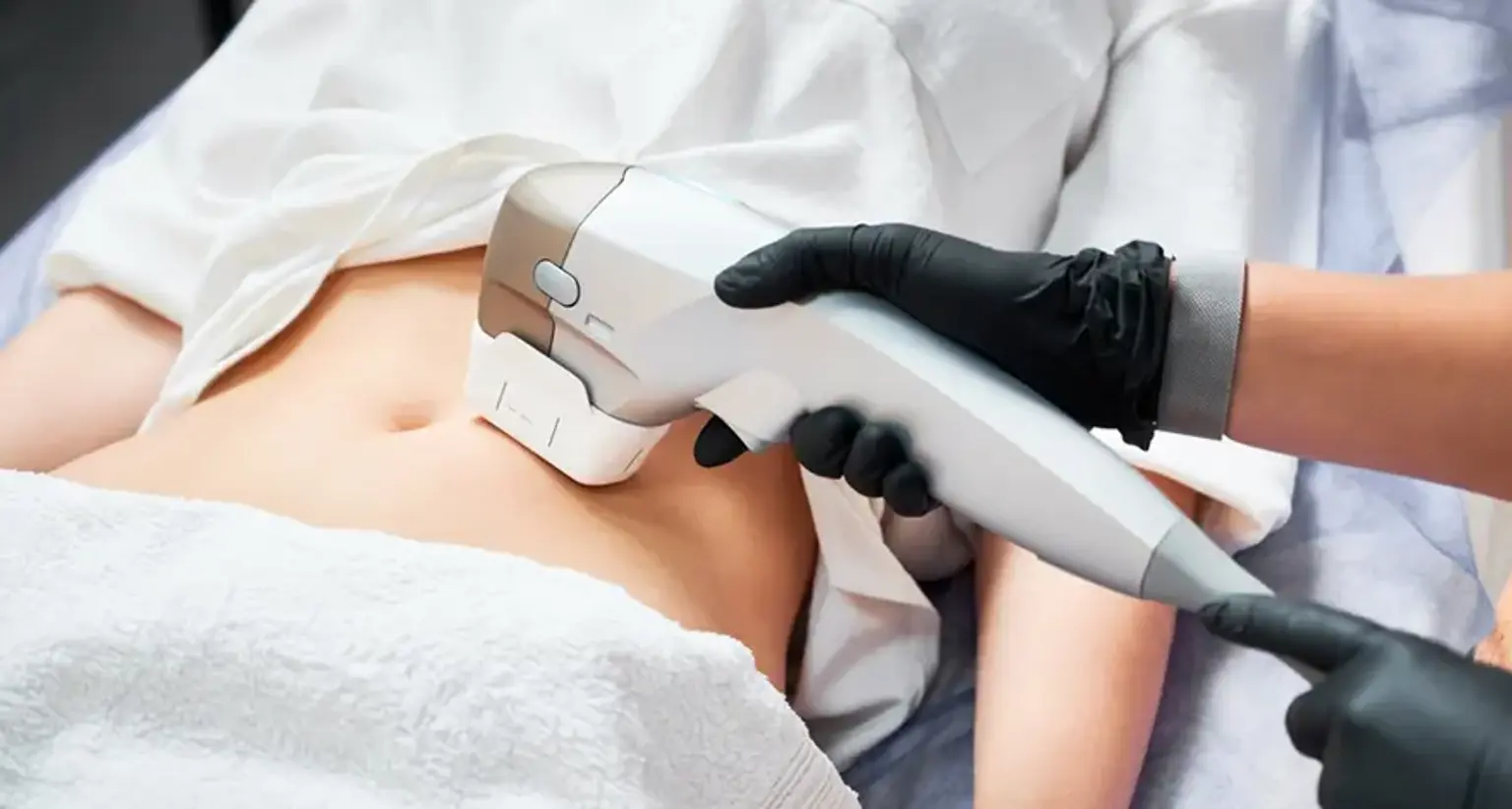
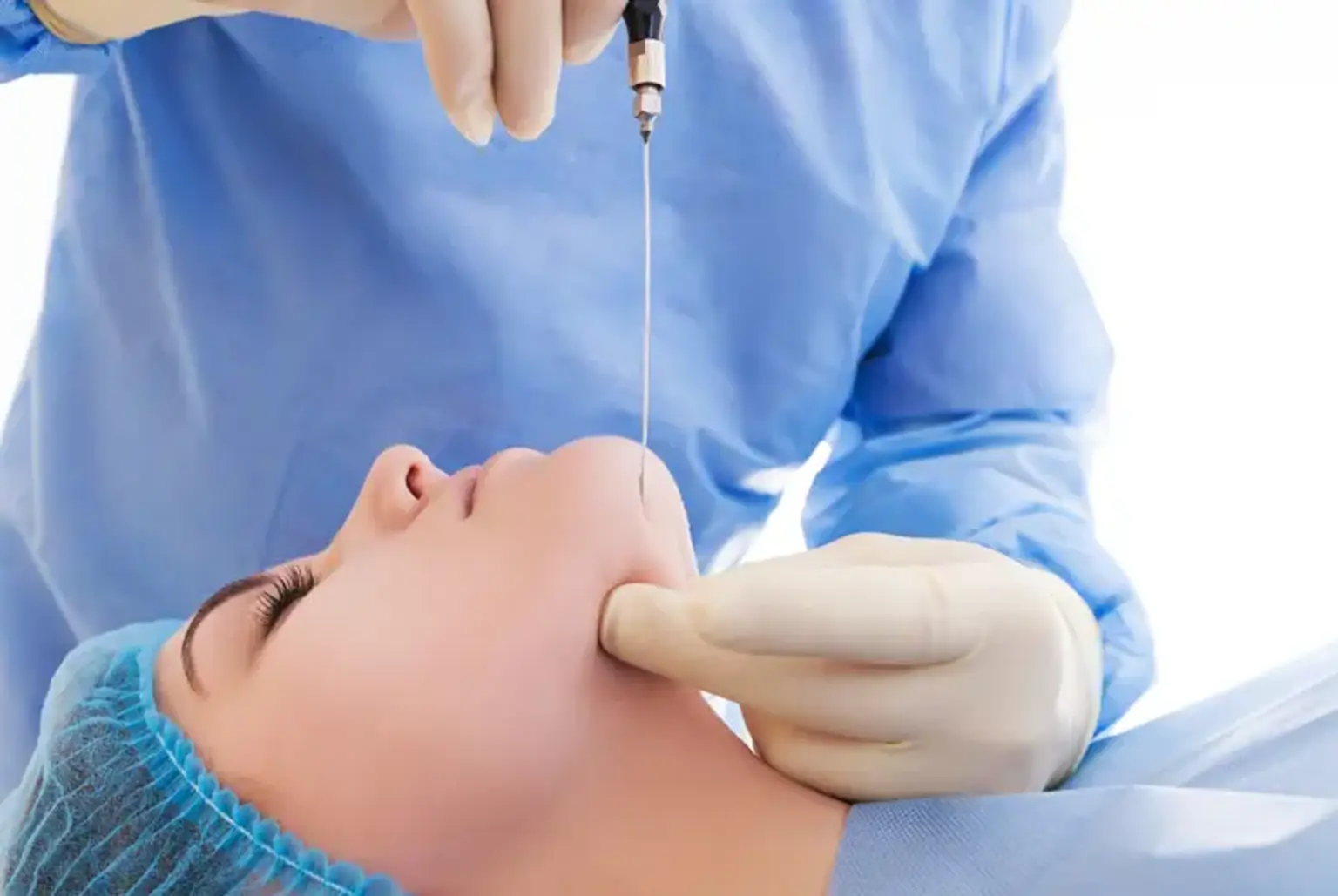
VASER Liposuction: This is an ultrasound-assisted technique. A specialized probe emits ultrasonic energy to selectively break apart fat cells before they are suctioned out. This process emulsifies the fat, making it easier to remove with less trauma to surrounding tissues like blood vessels and nerves. The result is often less bruising and a smoother result, and it is particularly effective for fibrous areas like the back or male chest.
Water-Jet Assisted Liposuction (Body-Jet): This method uses a gentle, fan-shaped spray of saline to dislodge fat cells from the connective tissue. This is considered a very gentle technique that minimizes tissue damage. A significant advantage is that the harvested fat cells are often of high quality, making them ideal for subsequent fat transfer to areas like the breasts Breast Augmentation or face.
Power-Assisted Liposuction (PAL): This technique uses a specialized cannula that vibrates rapidly. This mechanical motion breaks up the fat, allowing the surgeon to remove it more easily and with less physical effort. This can lead to a faster procedure and less surgeon fatigue, which translates to a more precise and even result, especially in large-volume cases.
The choice of technique depends on the surgeon's preference, the areas being treated, and the patient's specific goals.
What are the key takeaways for a prospective patient?
what-are-the-key-takeaways-for-a-prospective-patientUnderstanding the core principles of liposuction is the first step toward a successful outcome. Here are the most critical points to remember:
Liposuction is for sculpting, not weight loss. The best results are seen in patients who are already dedicated to a healthy lifestyle.
Surgeon skill is more important than technology. While advanced tools are helpful, the experience, training, and artistic eye of your board-certified plastic surgeon are the most critical factors for a safe and beautiful result.
Recovery is a process that requires patience. You must commit to following all post-operative instructions, especially regarding compression garments and activity restrictions, to ensure optimal healing.
Results are permanent, but your lifestyle maintains them. The fat cells are gone for good, but you must maintain a stable weight to enjoy your new contours for years to come.
"I had so many questions and was honestly overwhelmed by all the information online. Sitting down with the surgeon, who answered every single one of my questions directly and patiently, was the moment I knew I was in the right hands. That clarity gave me the confidence to move forward." – an anonymous patient, United States.
Recommended Clinics with Relevant Expertise in South Korea
recommended-clinics-with-relevant-expertise-in-south-koreaSouth Korea is home to numerous world-class clinics specializing in plastic and cosmetic surgery. The clinics listed below are recognized for their expertise in various procedures, including advanced body contouring.
Website | Clinic Name | Best Known For | Address | Contact |
|---|---|---|---|---|
Human Plastic Surgery | Anti-aging, Rhinoplasty, Facial Contouring | Gangnam-gu, Seoul, South Korea | ||
Dite Plastic Surgery | Liposuction, Body Contouring, Fat Grafting | Gangnam-gu, Seoul, South Korea | ||
1mm Plastic Surgery | Rhinoplasty, Eye Surgery, Facial Contouring | Gangnam-gu, Seoul, South Korea | ||
Kowon Plastic Surgery | Rhinoplasty (Primary & Revision) | Gangnam-gu, Seoul, South Korea | ||
SoonPlus Plastic Surgery | Eye Surgery, Rhinoplasty, Anti-aging | Gangnam-gu, Seoul, South Korea | ||
Face Plus Plastic Surgery | Facial Contouring, Two-Jaw Surgery, Rhinoplasty | Gangnam-gu, Seoul, South Korea | ||
TJ plastic surgery | Breast Surgery, Anti-aging, Body Contouring | Gangnam-gu, Seoul, South Korea | ||
Hugo Plastic Surgery | Facial Contouring, Eye Surgery, Rhinoplasty | Gangnam-gu, Seoul, South Korea | ||
Yujin PS & Dermatology | Stem Cell Therapy, Anti-aging, Dermatology | Gangnam-gu, Seoul, South Korea | ||
ID Hospital | Facial Bone Surgery, Two-Jaw Surgery | Gangnam-gu, Seoul, South Korea | ||
JK Plastic Surgery | Comprehensive Plastic Surgery, Wellness Center | Gangnam-gu, Seoul, South Korea |
Recommended Treatment/Procedure Names with Average Costs in South Korea
recommended-treatmentprocedure-names-with-average-costs-in-south-koreaThe cost of plastic surgery can vary based on clinic reputation, surgeon experience, and the complexity of the case. The following table provides estimated ranges for various popular procedures in South Korea.
Treatment/Procedure Name | Treatment Duration | Hospitalization? | Avg Cost Range (USD) in S. Korea | Contact |
|---|---|---|---|---|
Liposuction (Body) | 1 - 4 hours | Not Needed | $2,500 - $10,000 | |
Abdominal Liposuction | 1.5 - 3 hours | Not Needed | $3,500 - $7,000 | |
Full Face Lifting / SMAS Facelift | 3 - 5 hours | Needed (1-2 days) | $8,000 - $15,000 | |
Face Contouring (V-Line) | 2 - 4 hours | Needed (1-2 days) | $7,000 - $14,000 | |
Square Jaw Surgery | 1.5 - 3 hours | Needed (1 day) | $5,000 - $9,000 | |
Cheekbone Reduction Surgery | 1 - 2 hours | Needed (1 day) | $4,500 - $8,000 | |
Rhinoplasty (Primary) | 2 - 4 hours | Not Needed | $4,000 - $7,500 | |
Revision Rhinoplasty | 3 - 5 hours | Not Needed | $6,000 - $12,000 | |
Breast Augmentation | 1 - 2 hours | Needed (1 day) | $7,000 - $15,000 | |
Hip-up Plastic Surgery (Implants/Fat Graft) | 2 - 4 hours | Needed (1-2 days) | $8,000 - $16,000 | |
Genioplasty / Chin Surgery | 1 - 2 hours | Needed (1 day) | $3,500 - $7,000 | |
Double Eyelid Surgery (Non-incisional) | 30 - 60 mins | Not Needed | $1,500 - $3,000 | |
Lower Blepharoplasty | 1 - 1.5 hours | Not Needed | $3,000 - $5,500 | |
Neck Lift | 2 - 3 hours | Needed (1 day) | $5,000 - $9,000 | |
Brow Lift / Forehead Lift | 1.5 - 2.5 hours | Not Needed | $4,000 - $7,500 | |
Thread Lifting | 30 - 60 mins | Not Needed | $2,000 - $5,000 |
How Can I Best Prepare for a Liposuction Consultation?
how-can-i-best-prepare-for-a-liposuction-consultationA productive consultation is a two-way conversation. Being prepared allows you to get the most value from your time with the surgeon and helps them understand your goals.
1. What questions should I ask my surgeon?
1.-what-questions-should-i-ask-my-surgeonArm yourself with a list of questions to ensure all your concerns are addressed.
Are you a board-certified plastic surgeon?
How many liposuction procedures have you performed?
Can I see before-and-after photos of patients with a similar body type to mine?
Which liposuction technique do you recommend for me, and why?
What are the specific risks associated with my procedure?
What will my recovery timeline look like, and when can I return to work and exercise?
What are the total costs, including surgeon fees, anesthesia, and facility fees?
2. How do I verify a surgeon's qualifications?
2.-how-do-i-verify-a-surgeon's-qualificationsVerifying a surgeon's credentials is a critical step for your safety. Look for certification by a recognized national board of plastic surgery. In Korea, this could be the Korean Society of Plastic and Reconstructive Surgeons (KSPRS). Many top surgeons catering to international patients also hold certifications from international bodies. Do not hesitate to ask the clinic's staff for verification of the surgeon's credentials.
3. Are virtual consultations effective for international patients?
3.-are-virtual-consultations-effective-for-international-patientsYes, virtual consultations are highly effective and a standard practice for international patients. Through high-quality video calls, you can meet the surgeon, discuss your goals, and show the areas of concern. You will need to provide clear photos and your medical history beforehand. This allows the surgeon to make a preliminary assessment and provide a treatment plan and cost estimate, making the process much more efficient before you travel.
4. What pre-operative tests are required?
4.-what-pre-operative-tests-are-requiredFor your safety, standard pre-operative tests are mandatory before undergoing surgery with general anesthesia. These typically include:
Blood tests: To check for anemia, infection, and clotting function.
Electrocardiogram (ECG): To assess heart health, especially for patients over 40.
Physical examination: To ensure you are fit for surgery.
These tests confirm you are in good health and help the medical team plan for your safe care.
Define Your Shape: Begin Your Liposuction Consultation Today!
define-your-shape:-begin-your-liposuction-consultationTaking the step to explore your body contouring options is a meaningful decision. This expert-backed guidance is designed to help you make informed choices. The next step is a personalized consultation to create a treatment plan tailored to your body and goals. By inquiring through CloudHospital, you'll be connected with top specialists in South Korea and receive seamless support from a dedicated Care Manager guiding you from your first questions to post-recovery care. And Start Your Confidential Inquiry today to get a free, customized treatment plan.