



The clinical information regarding Liver Cancer Insights in this article has been rigorously verified against the latest guidelines from the National Cancer Institute (NCI) and primary research from databases like PubMed. This piece was reviewed for accuracy and patient-centric clarity and was last updated in October 2023.
Introduction
introductionA liver cancer diagnosis raises urgent and complex questions. Navigating the available information can be overwhelming. This Q&A synthesizes insights from leading oncologists and hepatobiliary surgeons to provide direct, professional answers. We aim to cut through the confusion and provide the clarity you need to make informed decisions about your health and treatment path.
What are the early signs of liver cancer that are often missed?
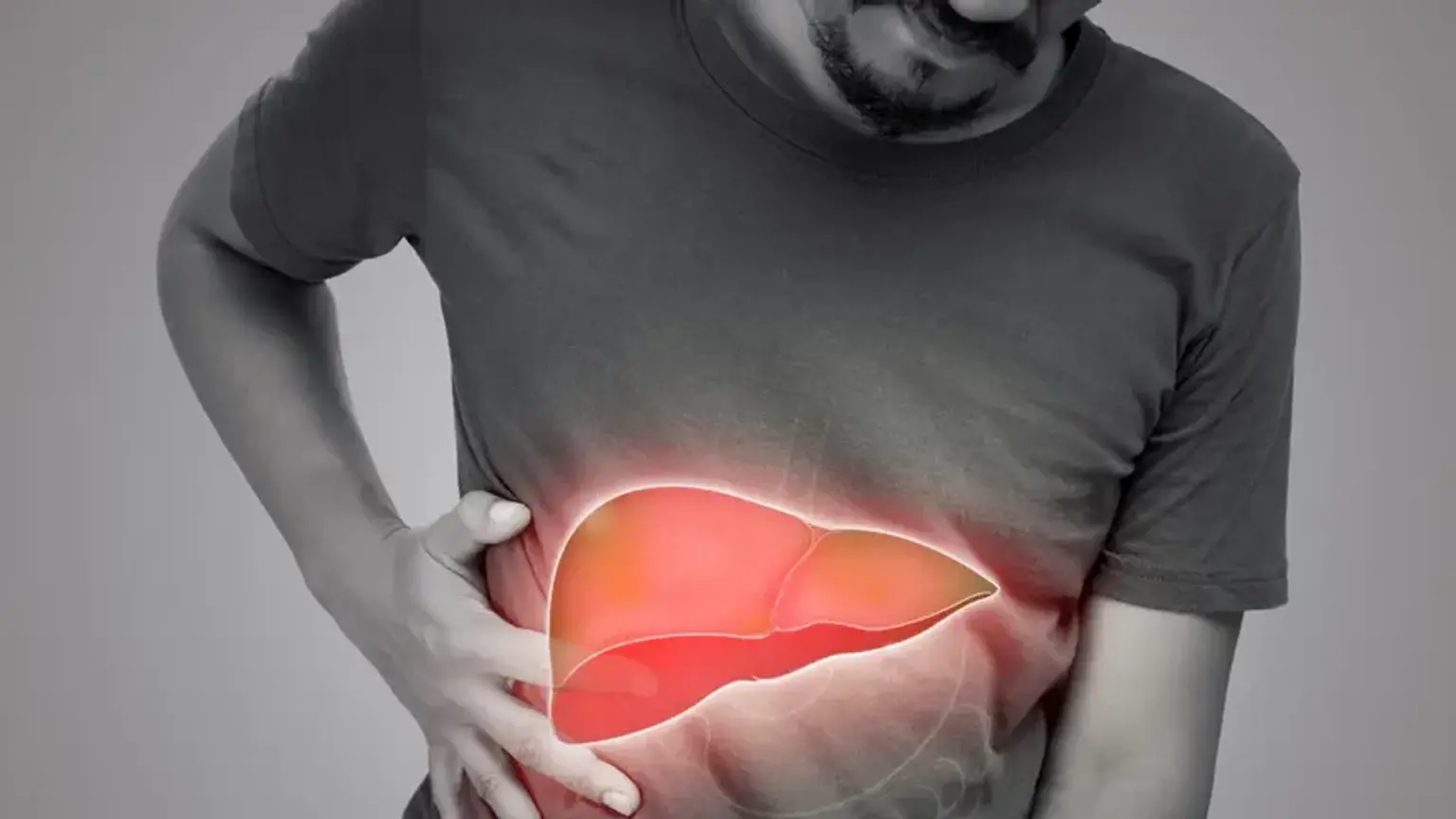
what-are-the-early-signs-of-liver-cancer-that-are-often-missedThe most dangerous aspect of early-stage liver cancer is that it often presents with no symptoms, or symptoms that are vague and easily attributed to other conditions. When symptoms do appear, they can include unexplained weight loss, a loss of appetite, feeling very full after a small meal, persistent nausea or vomiting, and a dull ache or pain on the right side of the abdomen, just below the rib cage. Because these signs are non-specific, they are frequently overlooked until the cancer has progressed. Regular screening is critical for high-risk individuals, such as those with cirrhosis or chronic hepatitis B or C infections.
Can liver cancer be cured, and what factors affect prognosis?
can-liver-cancer-be-cured-and-what-factors-affect-prognosisYes, liver cancer can be cured, especially when it is detected in its early stages. The prognosis, or outlook, depends heavily on several key factors:
Stage of the Cancer: The size of the tumor and whether it has spread beyond the liver is the single most important factor. Localized cancers that can be completely removed have the highest cure rates.
Overall Liver Function: The health of the remaining liver tissue is crucial. A patient with underlying cirrhosis may have fewer treatment options than a patient with a healthy liver.
Patient's General Health: Age and the presence of other medical conditions can influence which treatments a patient can tolerate.
Response to Treatment: How well the cancer responds to initial therapies like surgery, ablation, or transplantation directly impacts long-term outcomes.
For localized hepatocellular carcinoma (HCC), the 5-year survival rate can be as high as 70% with surgical resection or liver transplant.
What are the most advanced treatments for liver cancer available now?
what-are-the-most-advanced-treatments-for-liver-cancer-available-nowThe most advanced treatments for liver cancer focus on precision, minimizing damage to healthy tissue, and harnessing the body's own immune system. Key innovations include:
Proton Beam Therapy: This is a highly advanced form of radiation that uses protons to deliver a precise dose of radiation directly to the tumor, sparing surrounding healthy liver tissue. This is particularly valuable for tumors near critical structures and for patients with compromised liver function.
Robotic Cancer Surgery: Using systems like the da Vinci robot, surgeons can perform highly complex liver resections with enhanced precision, smaller incisions, less blood loss, and faster recovery times compared to traditional open surgery.
Immunotherapy: These drugs, such as checkpoint inhibitors, unmask cancer cells, allowing the patient's own immune system to recognize and attack them. They have become a first-line treatment for many patients with advanced or unresectable liver cancer.
Targeted Therapy: These medications identify and attack specific molecular pathways that cancer cells use to grow and spread. They are often used in combination with immunotherapy for advanced HCC.
Advanced Embolization Techniques: Techniques like TACE and radioembolization (Y-90) deliver chemotherapy or radiation beads directly to the tumor through its blood supply, concentrating the treatment where it's needed most.
How does immunotherapy work for advanced liver cancer?
how-does-immunotherapy-work-for-advanced-liver-cancerImmunotherapy works by overcoming the defenses that cancer cells use to hide from the immune system. In advanced liver cancer, a combination of immunotherapy drugs is often used. For example, a PD-L1 inhibitor like atezolizumab is combined with a VEGF inhibitor like bevacizumab. The PD-L1 inhibitor blocks a signal that cancer cells use to turn off attacking T-cells. The VEGF inhibitor disrupts the tumor's ability to create new blood vessels, which not only starves the tumor but also helps immune cells penetrate it more effectively. This dual-action approach has significantly improved survival rates for patients with advanced, inoperable liver cancer.
What is the difference between primary and secondary liver cancer?
what-is-the-difference-between-primary-and-secondary-liver-cancerThis is a critical distinction that determines the entire treatment strategy.
Primary Liver Cancer: This cancer originates in the cells of the liver itself. The most common type is hepatocellular carcinoma (HCC), which develops from the main liver cells called hepatocytes. Other less common types include cholangiocarcinoma bile duct cancer and angiosarcoma.
Secondary Liver Cancer Metastasis: This cancer started somewhere else in the body such as the colon, lung, or breast and has spread metastasized to the liver. This is more common than primary liver cancer. The cancer cells in the liver are identical to the cells of the original cancer, so a liver metastasis from colon cancer is treated as colon cancer, not liver cancer.
"I came into the video consultation with a notebook full of disorganized, frantic questions. The specialist went through them one by one, explaining the difference between my options in a way I could finally grasp. For the first time, I felt like I had a map, not just a diagnosis." – an anonymous patient, Australia.
Recommended Clinics with Relevant Expertise in South Korea
recommended-clinics-with-relevant-expertise-in-south-koreaSouth Korea is globally recognized for its advanced cancer care, particularly in robotic surgery and innovative therapies. The following institutions are leading centers for treating complex oncological conditions.
Website | Clinic Name | Best Known For | Address | Contact |
|---|---|---|---|---|
Gangnam Severance Hospital | Advanced Robotic Surgery, Comprehensive Cancer Center | Gangnam-gu, Seoul, South Korea | ||
Seoul National University Hospital- Gangnam District | Leading Cancer Care, Organ Transplantation | Gangnam-gu, Seoul, South Korea | ||
Samsung Medical Center | Proton Therapy Center, Comprehensive Cancer Institute | Gangnam-gu, Seoul, South Korea | ||
Seoul St. Mary's Hospital‑Seocho | Hematologic Cancers, Bone Marrow Transplants | Seocho-gu, Seoul, South Korea | ||
Ulsan University Hospital | Regional Cancer Center, Advanced Robotic Surgery | Dong-gu, Ulsan, South Korea | ||
Cha University Bundang Medical Center | Advanced Research, Stem Cell and Cancer Therapies | Bundang-gu, Gyeonggi-do, South Korea | ||
Samyook Busan Adventist Hospital | General Surgery, Comprehensive Health Screening | Seo-gu, Busan, South Korea | ||
Kangdong Sacred Heart Hospital | Digestive System Cancers, Cardiovascular Center | Gangdong-gu, Seoul, South Korea | ||
Seoul Miz Hospital | Specialized Surgical Procedures, Women's Health | Gangdong-gu, Seoul, South Korea |
Advanced Treatment Options & Average Costs in South Korea
advanced-treatment-options-and-average-costs-in-south-koreaThe cost of cancer care varies based on the stage, specific therapies required, and hospital. The following table provides estimated ranges for advanced procedures available in South Korea.
Treatment/Procedure Name | Treatment Duration | Hospitalization? | Avg Cost Range (USD) in S. Korea | Contact |
|---|---|---|---|---|
Robotic Cancer Surgery (Liver) | 2 - 5 hours | Needed (3 - 7 days) | $20,000 - $45,000 | |
Proton Beam Therapy | 30-60 mins | Not Needed | $50,000 - $120,000 | |
Immunotherapy | 2-4 hours | Not Needed | $8,000 - $15,000 | |
Targeted Therapy | 1-2 hours | Not Needed | $5,000 - $12,000 | |
CyberKnife Radiosurgery | 30-90 mins | Not Needed | $15,000 - $35,000 | |
Chemotherapy | 2-3 hours | Not Needed | $3,000 - $8,000 | |
CAR-T Cell Therapy | 2-4 hours | Needed (5-10 days) | $370,000 - $500,000 | |
Bone Marrow Transplant | 2-3 hours | Needed (5-10 days) | $80,000 - $250,000 | |
Lung Cancer Surgery (for metastasis) | 2 - 4 hours | Needed (4 - 7 days) | $18,000 - $40,000 | |
Brain Tumor Surgery (for metastasis) | 3 - 6 hours | Needed (5 - 10 days) | $25,000 - $50,000 |
How can I prepare for my own consultation?
how-can-i-prepare-for-my-own-consultationPreparing for your consultation is a crucial step toward taking control of your treatment journey. A structured approach ensures you maximize your time with the specialist.
1. How do I schedule a consultation with a top specialist?
1.-how-do-i-schedule-a-consultation-with-a-top-specialistYou can contact world-class hospitals directly, but this can be a slow process with language barriers. A more streamlined approach is to use a medical concierge service that has established relationships with these centers. They can facilitate faster appointments, handle medical record transfers, and overcome communication gaps.
2. What questions should I ask during the consultation?
2.-what-questions-should-i-ask-during-the-consultationGo in with a written list of questions. Organize them into categories:
Diagnosis: What is the exact type and stage of my liver cancer? What does the biopsy show?
Treatment Options: What are all the possible treatment options for me? What do you recommend and why? What are the success rates and potential side effects of this plan?
Logistics: How long will the treatment take? Will I need to stay in the hospital? What is the estimated total cost?
Post-Treatment: What is the follow-up care plan? What are the signs of recurrence I should watch for?
3. What documents and records should I gather?
3.-what-documents-and-records-should-i-gatherCompile a complete medical portfolio. This should include:
All recent imaging scans CT, MRI, PET and their official reports.
Pathology reports from any biopsies.
Recent blood test results, especially liver function tests and the alpha-fetoprotein (AFP) marker.
A list of your current medications and dosages.
A summary of your medical history, including any chronic conditions like hepatitis or diabetes.
4. Are virtual consultations available for international patients?
4.-are-virtual-consultations-available-for-international-patientsYes, most leading international hospitals now offer virtual telemedicine consultations for initial assessments. This allows you to speak directly with a specialist, share your medical records, and receive a preliminary treatment plan and cost estimate before committing to travel. This is a highly effective way to get a second opinion and plan your medical journey.
Take Control of Your Treatment: Start Your Journey Today!
take-control-of-your-treatment:-start-your-journey-todayFacing liver cancer requires decisive action and access to the best possible care. The advancements in treatment offer more hope than ever before. You can get a personalized plan from Korea's leading oncology specialists, who are pioneers in robotic surgery, proton therapy, and immunotherapy. Let us connect you with the expertise you deserve. The process is seamless and transparent, with a dedicated Care Manager supporting you from your first inquiry to your post-recovery care. And Start Your Confidential Inquiry with CloudHospital.