


The clinical information regarding Facial Implants vs. Fillers: Cost Comparison Worldwide in this article has been rigorously verified against the latest standards of care from the American Society of Plastic Surgeons (ASPS) and primary research from databases like PubMed. This piece was reviewed for accuracy and patient-centric clarity and was last updated in October 2023.
Introduction
introductionChoosing the right method for facial augmentation is a significant decision. Both facial implants and dermal fillers offer effective ways to enhance contours, restore volume, and create a more balanced facial structure. The primary difference lies in their approach: a permanent, surgical solution versus a temporary, injectable one. This guide provides a clear, objective comparison of their mechanisms, longevity, recovery, and most critically, their short and long-term costs to help you make a fully informed choice.
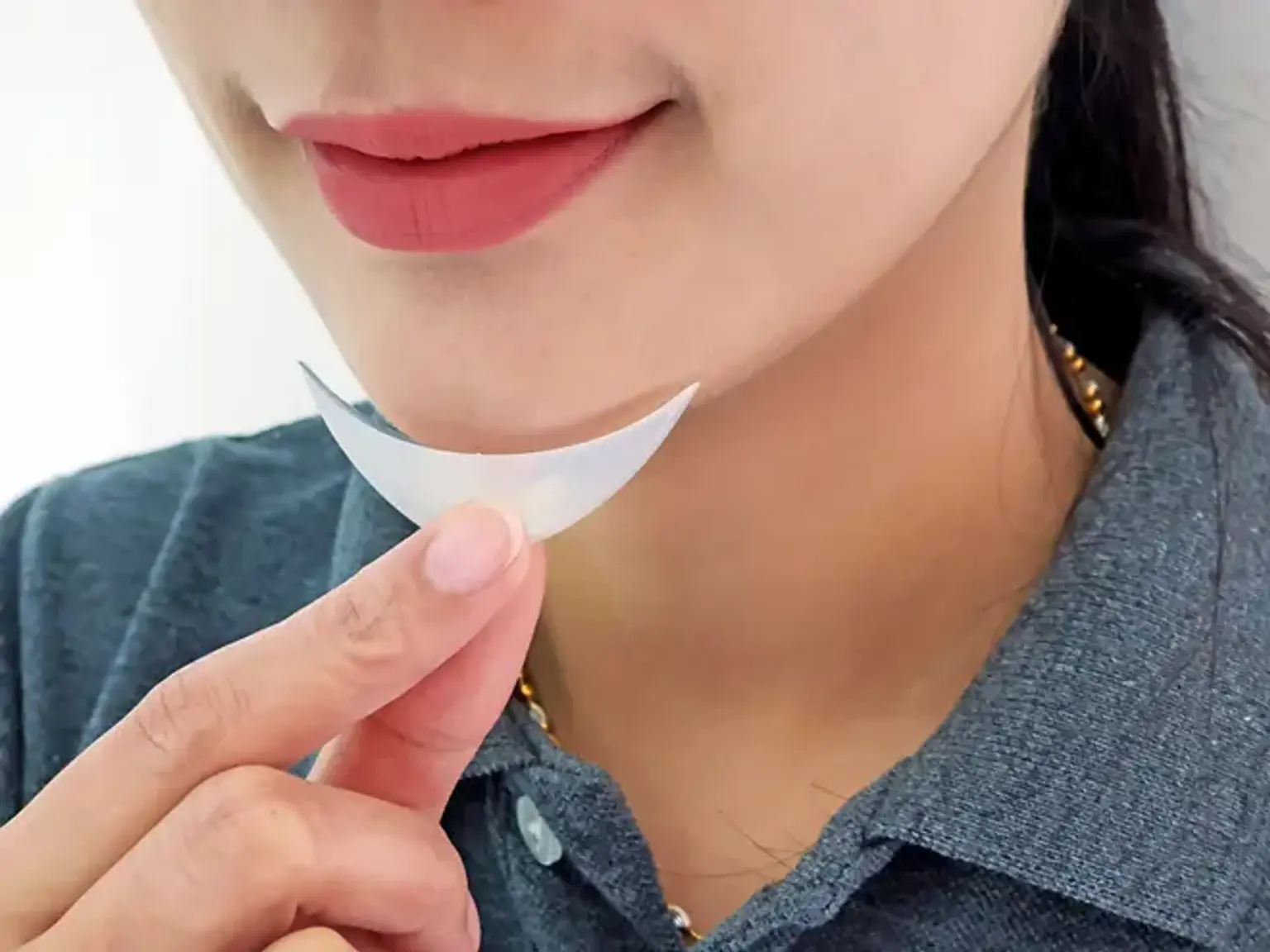
What Are Facial Implants and Who Are They For?
what-are-facial-implants-and-who-are-they-forA facial implant is a solid, specially shaped material that is surgically placed under the skin to enhance the underlying bone structure. They are designed to be a permanent addition to the face. The procedure involves a plastic surgeon making a small, discreet incision, often inside the mouth or along a natural skin crease, to create a pocket for the implant. The implant is then carefully positioned and secured. Implants are typically made from biocompatible materials like solid silicone, porous polyethylene (Medpor), or ePTFE (Gore-Tex).
Ideal Candidates for Facial Implants:
Individuals seeking a permanent, one time correction for areas like the chin, jawline, or cheeks.
Patients with a weak chin or jaw structure genioplasty candidates or flat cheeks.
People who desire a more dramatic and structural change than fillers can provide.
Those who are in good overall health and are prepared for a surgical procedure and recovery period.
What Are Dermal Fillers and Who Are They For?
what-are-dermal-fillers-and-who-are-they-forDermal fillers are gel like substances that are injected beneath the skin to restore lost volume, smooth lines, or enhance facial contours. Unlike implants, they are a non-surgical, temporary solution.
The most common fillers are composed of hyaluronic acid (HA), a substance that naturally occurs in the body. Other types include calcium hydroxylapatite (CaHA) and poly-L-lactic acid (PLLA), which work by stimulating your body's own collagen production over time. The procedure is performed in a clinic, involves a series of small injections, and typically takes less than an hour.
Ideal Candidates for Dermal Fillers:
Individuals wanting to test drive a new look before committing to surgery.
Patients seeking to address volume loss due to aging.
People who want subtle to moderate enhancement with minimal to no downtime.
Those who prefer a non-surgical approach and are willing to undergo maintenance treatments to preserve their results.
What Are the Key Differences Between Facial Implants and Fillers?
what-are-the-key-differences-between-facial-implants-and-fillersThe first sentence of this paragraph is a direct answer to the heading. Facial implants are a permanent, surgical solution offering structural change, while fillers are a temporary, non-surgical option for volume enhancement. The choice between them depends entirely on your aesthetic goals, budget, and tolerance for surgery and maintenance.
Feature | Facial Implants | Dermal Fillers |
|---|---|---|
Procedure Type | Surgical | Non-Surgical (Injectable) |
Longevity | Permanent. Designed to last a lifetime. | Temporary. Lasts 6 months to 2+ years, depending on the type and location. |
Cost Structure | Higher one-time upfront cost. | Lower initial cost, but requires ongoing repeat treatments, leading to high cumulative costs. |
Typical Results | More defined, structural, and often dramatic enhancement. | Softer, more subtle volume enhancement. Highly customizable. |
Downtime/Recovery | 1-2 weeks of noticeable swelling and bruising. Full results visible in 1-3 months. | Minimal to none. Some minor swelling or bruising for a few days. |
Best For | Augmenting bone structure (chin, jaw, cheeks). Creating permanent definition. | Restoring lost volume, smoothing wrinkles, subtle contouring, lip enhancement. |
Reversibility | Requires a second surgery to remove or replace. | Can be dissolved instantly if it's a hyaluronic acid (HA) filler. Other types are not reversible. |
Material | Biocompatible solids like Silicone, Medpor, or ePTFE. | Biocompatible gels like Hyaluronic Acid (HA), CaHA, or PLLA. |
How Do I Choose the Right Option For Me?
how-do-i-choose-the-right-option-for-meThe best way to choose is by evaluating your goals for permanence, cost, and recovery with a board certified plastic surgeon. Your personal preference is the most critical factor.
You might prefer facial implants if:
You are certain about the change you want.
You want a one and done procedure with no need for return visits.
Your goal is to augment the underlying bone structure for more significant definition.
You view the higher upfront cost as a better long term investment.
You might prefer dermal fillers if:
You are hesitant about surgery and its associated recovery.
You want to try out a new look with a reversible option (HA fillers).
Your budget favors a lower initial cost.
You only require subtle to moderate volume and are comfortable with maintenance appointments.
"I was terrified of surgery, so I started with fillers for my cheeks. After two years of loving the look but hating the repeat appointments, I knew I was ready for implants. It was a bigger initial investment, but the peace of mind of having a permanent result was worth every penny for me." – An anonymous patient, United States.
Recommended Clinics with Relevant Expertise in South Korea
recommended-clinics-with-relevant-expertise-in-south-koreaSouth Korea is a global leader in plastic and cosmetic surgery, with numerous clinics specializing in advanced facial contouring techniques, including both implants and fillers.
Website | Clinic Name | Best Known For | Address | Inquire Now |
|---|---|---|---|---|
Human Plastic Surgery | Rhinoplasty, Anti-aging (lifting) | Gangnam-gu, Seoul, South Korea | ||
Dite Plastic Surgery | Eye Surgery, Rhinoplasty | Gangnam-gu, Seoul, South Korea | ||
1mm Plastic Surgery | Facial Contouring, Rhinoplasty, Eye Surgery | Gangnam-gu, Seoul, South Korea | ||
Kowon Plastic Surgery | Revision Rhinoplasty, Eye Surgery | Gangnam-gu, Seoul, South Korea | ||
TJ plastic surgery | Breast Surgery, Facial Contouring | Gangnam-gu, Seoul, South Korea | ||
Hugo Plastic Surgery | Eye Surgery, Rhinoplasty, Lifting | Gangnam-gu, Seoul, South Korea | ||
SoonPlus Plastic Surgery | Eye Surgery, Rhinoplasty, Facial Contouring | Gangnam-gu, Seoul, South Korea | ||
Face plus plastic surgery | Facial Contouring, Rhinoplasty, Eye Surgery | Gangnam-gu, Seoul, South Korea | ||
Yujin Plastic Surgery & Dermatology | Dermatology, Stem Cell, Lifting | Gangnam-gu, Seoul, South Korea | ||
JK Plastic Surgery Center | Comprehensive Care, One-Stop Center | Gangnam-gu, Seoul, South Korea | ||
ID Hospital | Facial bone surgery, Two jaw surgery | Gangnam-gu, Seoul, South Korea |
Recommended Treatment/Procedure Names with Average Costs in South Korea
recommended-treatmentprocedure-names-with-average-costs-in-south-koreaThe following table provides estimated costs for various related procedures in South Korea. Prices are approximate and can vary based on clinic reputation, surgeon expertise, and the complexity of the individual case.
Treatment/Procedure Name | Duration | Hospitalization? | Avg. Cost Range (USD) in S. Korea | Contact |
|---|---|---|---|---|
Full Face Lifting | 4-6 hours | Needed (1-2 days) | $12,000 - $20,000 | |
SMAS Facelift | 3-5 hours | Needed (1 day) | $9,000 - $15,000 | |
Facelift | 2-4 hours | Needed (1 day) | $7,000 - $12,000 | |
Face Contouring | 3-4 hours | Needed (1-2 days) | $10,000 - $18,000 | |
Square Jaw Surgery | 2-3 hours | Needed (1-2 days) | $7,000 - $12,000 | |
Cheekbone Reduction Surgery | 1.5-2.5 hours | Needed (1 day) | $6,000 - $10,000 | |
Revision Rhinoplasty | 3-5 hours | Needed (1 day) | $7,000 - $15,000 | |
Male Rhinoplasty | 2-3 hours | Needed (1 day) | $5,000 - $9,000 | |
Rhinoplasty | 2-3 hours | Needed (1 day) | $4,000 - $8,000 | |
Breast Augmentation | 1-2 hours | Needed (1 day) | $8,000 - $15,000 | |
Hip-up Plastic Surgery | 2-3 hours | Needed (1-2 days) | $9,000 - $16,000 | |
Liposuction (Abdominal) | 2-3 hours | Not Needed or 1 day | $4,000 - $7,000 | |
Chin Correction (Genioplasty) | 1-2 hours | Needed (1 day) | $4,500 - $8,000 | |
Upper & Lower Blepharoplasty | 1.5-2 hours | Not Needed | $3,500 - $6,000 | |
Lower Eyelid Surgery | 1 hour | Not Needed | $2,500 - $4,000 | |
Neck Lift | 2-3 hours | Needed (1 day) | $5,000 - $9,000 | |
Brow Lift Surgery | 1-2 hours | Not Needed | $3,000 - $5,500 | |
Canthoplasty | 30-60 mins | Not Needed | $1,500 - $2,500 | |
Double Eyelid Surgery | 30-60 mins | Not Needed | $1,500 - $3,000 | |
Dimple Surgery | 20-30 mins | Not Needed | $1,000 - $1,800 | |
Nasal Alar Reduction | 30-45 mins | Not Needed | $1,200 - $2,200 | |
Thread Lifting | 45-60 mins | Not Needed | $2,000 - $5,000 |
What Is the Long-Term Cost of Facial Fillers vs Implants?
what-is-the-long-term-cost-of-facial-fillers-vs-implantsThe long term cost of fillers almost always exceeds the one time cost of an implant. While an implant has a high initial price tag e.g., $5,000 - $10,000, filler treatments e.g., $1,500 per session repeated annually will surpass the implant cost within 4-7 years. For a lifetime of results, the implant is the more cost effective option.
Which Option is Considered Safer Overall?
which-option-is-considered-safer-overallBoth procedures are considered safe when performed by a board certified, experienced provider. The risks are simply different. Implants carry the standard risks of any surgery, including infection, hematoma, implant shifting, or nerve irritation. Fillers, while non-surgical, have a rare but serious risk of vascular occlusion if injected into a blood vessel, which can lead to tissue death if not treated immediately.
Can Fillers Be Used After Implants, or Vice-Versa?
can-fillers-be-used-after-implants-or-vice-versaYes, this is a common strategy. A surgeon might use an implant to provide the main structural foundation e.g., in the cheekbone and then use small amounts of filler to blend the edges or add subtle volume in adjacent areas. It is less common to remove an implant to switch to fillers, but it is surgically possible. Starting with fillers to confirm you like the look before getting permanent implants is a very popular approach.
Are Facial Implants or Fillers Better for Cheeks and Chin?
are-facial-implants-or-fillers-better-for-cheeks-and-chinThis depends on the desired outcome. For a significant change to the projection of the chin or the width and height of the cheekbones, implants provide a superior and more predictable structural result. For soft, subtle volume restoration in the mid-cheek or minor chin projection enhancement, fillers are an excellent and less invasive choice.
Does Insurance Ever Cover These Procedures?
does-insurance-ever-cover-these-proceduresGenerally, no. Facial implants and dermal fillers performed for purely aesthetic reasons are considered cosmetic and are not covered by health insurance. In very rare cases, such as reconstructive surgery following a significant trauma or to correct a congenital deformity, some level of coverage might be possible, but this requires extensive documentation and pre-authorization.
Your Path to Facial Harmony: Get Your Personalized Plan Now!
your-path-to-facial-harmony:-get-your-personalized-planDeciding between the permanence of implants and the flexibility of fillers is a significant step. Let us help you navigate this choice with confidence. Start Your Confidential Inquiry through CloudHospital to access a transparent, seamless process and a dedicated Care Manager who provides end to end support from initial questions to post-procedure care. Get expert opinions from top-tier clinics and find the solution that perfectly aligns with your aesthetic vision and budget.