

The clinical information regarding Frenectomy in this article has been rigorously verified against the latest guidelines from the American Academy of Periodontology (AAP) and primary research from databases like PubMed. This piece was reviewed for accuracy and patient-centric clarity and was last updated in May 2024.
Introduction
introductionA frenectomy is a precise and common surgical procedure performed in dentistry to correct issues related to an overly restrictive frenulum the small band of tissue connecting the lips to the gum or the tongue to the floor of the mouth. While often associated with newborns experiencing breastfeeding difficulties, this procedure offers significant benefits for children and adults facing speech, orthodontic, or dental health challenges. This guide provides a detailed examination of the frenectomy procedure, its benefits, the recovery process, and considerations for individuals exploring this treatment.
What is the Difference Between a Lingual and Labial Frenectomy?
what-is-the-difference-between-a-lingual-and-labial-frenectomy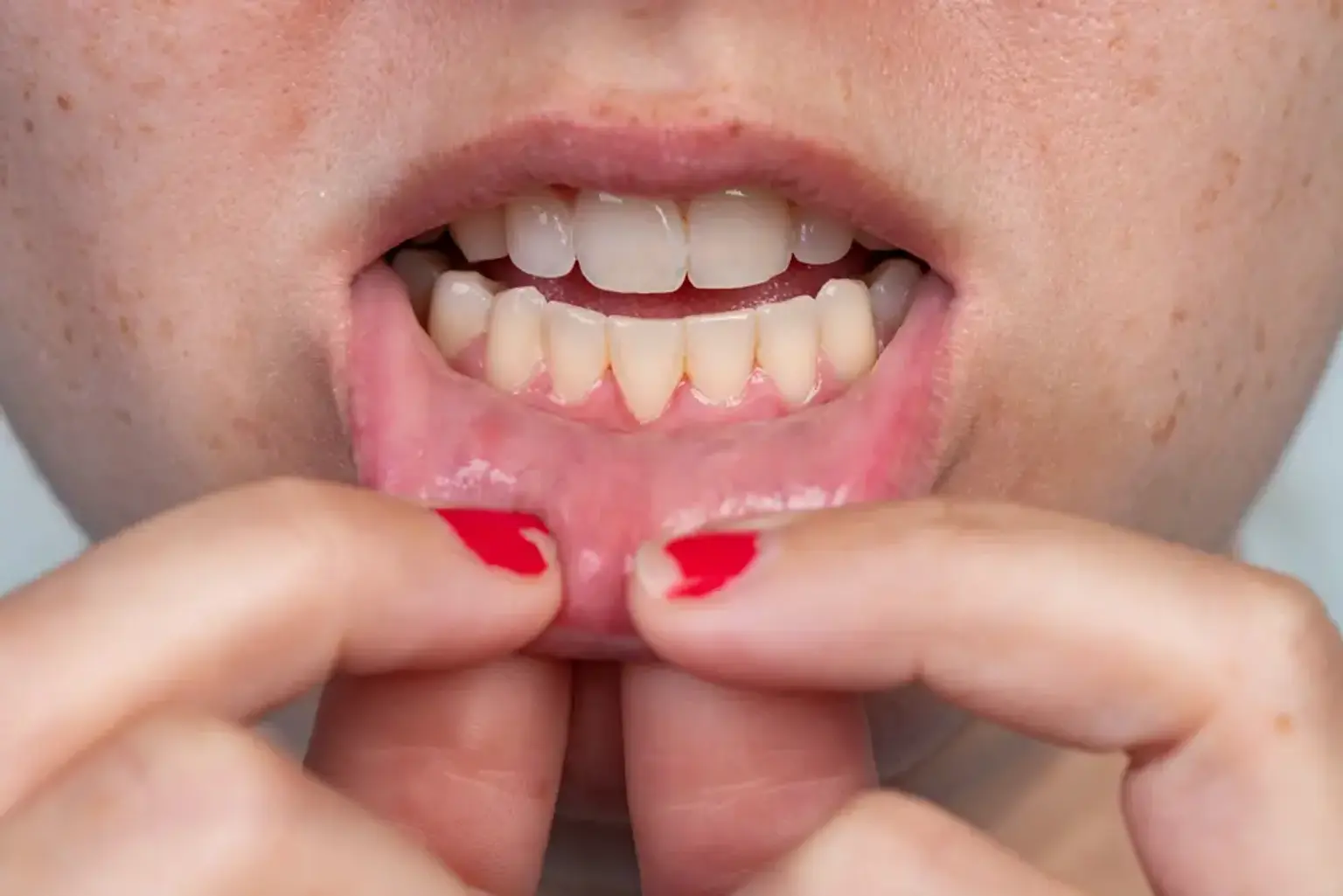
A frenectomy works by releasing or removing a restrictive band of tissue, known as a frenulum, to improve range of motion. The procedure is categorized based on the location of this frenulum.
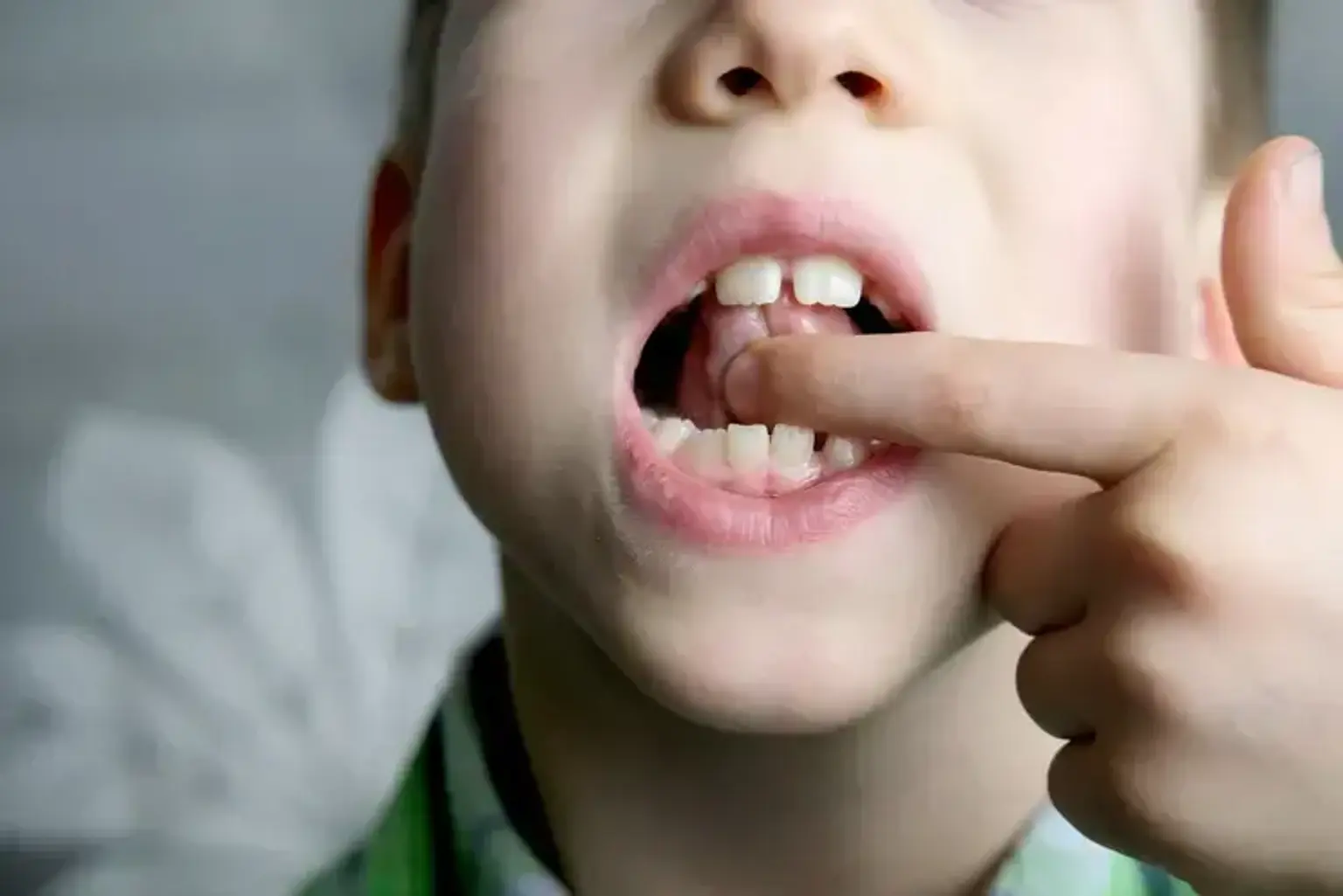
Lingual Frenectomy: This procedure addresses an overly short, thick, or tight band of tissue under the tongue the lingual frenulum. This condition, known as ankyloglossia or tongue-tie, can severely restrict the tongue's movement. The procedure involves making a small incision to release the frenulum, allowing the tongue to move freely.
Labial Frenectomy: This procedure targets the band of tissue connecting the upper lip to the gum area between the two front teeth the labial frenulum. An overly prominent labial frenulum can create a large gap between the front teeth, known as a midline diastema, and may cause gum recession by pulling the gums away from the teeth.
Modern frenectomies are often performed using a soft-tissue or diode laser, which minimizes bleeding, reduces the need for sutures, and promotes faster healing compared to traditional scalpel methods.
What are the Key Benefits of a Frenectomy?
what-are-the-key-benefits-of-a-frenectomyThe benefits of a frenectomy are transformative and vary depending on the patient's age and the type of procedure performed.
For Infants:
Improved Breastfeeding: This is the most common reason for an infant frenectomy. A successful procedure allows the baby to latch properly, making nursing more efficient and less painful for the mother.
Enhanced Weight Gain: By improving feeding efficiency, a frenectomy can help infants who are struggling to gain weight.
Reduced Colic and Reflux: A poor latch can cause infants to swallow excess air, leading to gas, fussiness, and reflux symptoms.
For Children:
Clearer Speech: A tongue-tie can interfere with the ability to make certain sounds and a frenectomy can resolve these articulation issues.
Improved Oral Hygiene: A free-moving tongue can effectively clean food particles from the teeth, reducing the risk of cavities and gingivitis.
Orthodontic Stability: A restrictive labial frenulum can be a primary cause of a gap between the front teeth. A frenectomy is often performed before or during orthodontic treatment to close the gap and prevent it from reopening.
For Adults:
Denture Fit and Comfort: A prominent frenulum can interfere with the proper fit of dentures, causing instability and sores.
Resolution of Gum Recession: Releasing a tight labial frenulum can stop it from pulling on the gum line, preventing further recession and the need for more complex gum grafting procedures.
Improved Quality of Life: Adults who have compensated for a lifetime of restricted tongue or lip movement may find relief from jaw pain, tension headaches, and difficulties with speech or eating.
Who is a Good Candidate for a Frenectomy?
who-is-a-good-candidate-for-a-frenectomyA dental professional or specialist will determine candidacy after a thorough examination. Ideal candidates are individuals experiencing functional problems due to a restrictive frenulum.
Infants with observable breastfeeding issues, such as a poor latch, clicking sounds while nursing, inadequate weight gain, or causing significant pain to the mother.
Children with speech articulation problems that have been assessed by a speech language pathologist.
Children and Adults with a prominent labial frenulum causing a persistent gap between the front teeth diastema or contributing to gum recession.
Adults whose frenulum interferes with the fit and function of a partial or full denture.
Individuals of any age experiencing discomfort, limited tongue mobility, or oral hygiene challenges directly linked to a tight frenulum.
What are the Risks and Contraindications of a Frenectomy?
what-are-the-risks-and-contraindications-of-a-frenectomyA frenectomy is a very safe, minimally invasive procedure with a high success rate. However, like any surgical intervention, it carries some potential risks, though they are rare.
Potential Risks:
Infection: The risk is low, especially with proper post-operative care.
Bleeding: Minimal, particularly when a laser is used.
Nerve Damage: Extremely rare, but possible damage to nerves in the tongue or lip area.
Scarring or Reattachment: The frenulum can sometimes reattach during healing if post-operative stretching exercises are not performed correctly.
Adverse reaction to local anesthesia.
Contraindications:
There are very few absolute contraindications. Patients with active oral infections or certain bleeding disorders may need to have their condition managed before the procedure can be performed safely.
What Are the Steps of the Frenectomy Procedure?
what-are-the-steps-of-the-frenectomy-procedureThe patient journey for a frenectomy is straightforward and typically completed in a single, short visit.
Before the Procedure: Consultation and Preparation
before-the-procedure:-consultation-and-preparationThe process begins with a consultation. The dentist or surgeon will physically examine the frenulum to assess its thickness, length, and attachment point. They will discuss the patient's or parent's concerns, explain the procedure, and answer any questions. For infants, no specific preparation is needed. For older children and adults, standard pre-operative instructions may be given.
During the Procedure: What Happens in the Clinic
during-the-procedure:-what-happens-in-the-clinicThe procedure itself is very quick, often lasting only a few minutes.
Anesthesia: For infants, a topical numbing gel is usually sufficient. For older children and adults, a small amount of local anesthetic is injected to ensure the area is completely numb.
Procedure: The patient is positioned comfortably. The surgeon uses either a sterile scalpel or, more commonly, a dental laser to precisely and quickly release the frenulum. The laser cauterizes the tissue as it cuts, resulting in virtually no bleeding.
Completion: Sutures are rarely needed with laser frenectomies. The entire active part of the procedure may take less than 60 seconds.
Immediately After the Procedure: The Initial Recovery Phase
immediately-after-the-procedure:-the-initial-recovery-phaseAfter an infant frenectomy, the baby is encouraged to breastfeed immediately. This comforts the baby, helps the healing process, and allows the mother to notice an immediate improvement in the latch. For all patients, the numbness will wear off within an hour or two.
"The difference was immediate. My baby could finally latch properly without pain, and the relief was just immense. The procedure itself was so quick and the team was incredibly reassuring." – An anonymous mother, South Korea.
What is the Detailed Recovery Timeline for a Frenectomy?
what-is-the-detailed-recovery-timeline-for-a-frenectomyRecovery is typically rapid, with most discomfort subsiding within a few days. The most critical part of recovery is performing prescribed stretching exercises to prevent reattachment.
Timeframe | What to Expect & Key Actions |
|---|---|
First 24 Hours | Discomfort: Mild soreness, similar to a pizza burn on the roof of the mouth. Manage with over-the-counter pain relievers if needed. Action: Begin gentle stretching exercises as instructed by your dentist (typically 4-6 times a day). |
Days 2-7 | Healing: A white or yellowish patch will form over the surgical site. This is a normal part of healing, like a scab, not a sign of infection. Action: Continue stretching exercises diligently. Maintain good oral hygiene, avoiding the direct surgical site with a toothbrush for a few days. Stick to a soft diet. |
Week 2 | Resolution: The white patch will disappear, and the tissue will look pink and healthy. Discomfort should be gone. Action: Continue stretching exercises for the full recommended period (often 3-4 weeks) to ensure optimal results and prevent reattachment. |
1 Month Post-Op | Full Function: The site is fully healed. Patients can resume all normal activities. Follow-up appointments with a lactation consultant or speech therapist may be recommended. |
How Long Do Frenectomy Results Last?
how-long-do-frenectomy-results-lastThe results of a frenectomy are considered permanent. Once the restrictive tissue is released and the area heals properly without reattachment, the improved range of motion and associated functional benefits are lasting.
Recommended Clinics with Relevant Expertise in South Korea
recommended-clinics-with-relevant-expertise-in-south-koreaSouth Korea is home to advanced dental hospitals equipped with the latest technology for procedures like laser frenectomies. The following clinics are noted for their comprehensive dental services.
Website | Clinic Name | Best Known For | Address | Contact |
|---|---|---|---|---|
OnO Dental Clinic | Advanced Implantology | Gangnam-gu, Seoul, South Korea | ||
Ye-on Dental Clinic | Implants & Orthodontics | Namdong-gu, Incheon, South Korea | ||
S-PLANT Dental Hospital | Digital & Implant Dentistry | Gangnam-gu, Seoul, South Korea | ||
Miju Dental Clinic | Comprehensive Aesthetic Dentistry | Busanjin-gu, Busan, South Korea | ||
Su Dental Hospital | High-Risk & Specialized Implants | Gangnam-gu, Seoul, South Korea | ||
Columbia Dental Hospital | Full-Service Family & Cosmetic Dentistry | Suwon-si, Gyeonggi-do, South Korea | ||
Dasan Barun Dental Clinic | Specialized Orthodontic Care | Namyangju-si, Gyeonggi-do, South Korea | ||
Yonsei Hana Dental Clinic | General & Cosmetic Dentistry | Gyeonggi-do,Seoul, South Korea |
Recommended Treatment/Procedure Names with Average Costs in South Korea
recommended-treatmentprocedure-names-with-average-costs-in-south-koreaThe cost of dental care in South Korea is competitive, offering high-quality services. Below are estimated costs for various common procedures.
Treatment/Procedure Name | Duration | Hospitalization? | Avg. Cost (USD) in S.Korea | Contact |
|---|---|---|---|---|
Same-Day Implant | 2-4 hours | Not Needed | $2,000 - $4,500 | |
Denture Implant | 1-2 hours | Not Needed | $4,000 - $15,000 | |
Conscious Sedation Implant | 1-3 hours | Not Needed | $500 - $1,000 | |
Computerized Analysis Implant | (1 hour | Not Needed | $1,800 - $4,000 | |
Systemic Disease Implant | 2-4 visits | Not Needed | $2,500 - $5,000 | |
HERI Implants | 1-2 visits | Not Needed | $1,900 - $4,200 | |
Dentium Superline Fixture Implant | 1-2 visits | Not Needed | $1,500 - $3,500 | |
Dental Implant Surgery | 1-2 hours | Not Needed | $1,200 - $3,000 | |
Health Insurance Implant | 2-3 visits | Not Needed | $4,000 - $15,000 | |
Bone Grafting | 60-90 minutes | Not Needed | $400 - $1,200 | |
Gingival Flap Surgery | 1-2 hours | Not Needed | $600 - $1,500 | |
Temporomandibular Joint (TMJ) Treatment | 2-4 visits | Not Needed | $500 - $2,500 | |
Invisalign Braces | 12-18 months | Not Needed | $4,500 - $8,000 | |
Clippy-C Braces | 18-24 months | Not Needed | $4,000 - $7,000 | |
Pediatric/Adolescent Orthodontics | 1-3 years | Not Needed | $3,500 - $7,500 | |
Orthodontic Treatment | 1-3 years | Not Needed | $3,000 - $8,000 | |
Open Bite Treatment | 18-36 months | Not Needed | $5,000 - $9,000 | |
Protruding Mouth Correction | 18-36 months | Not Needed | $5,000 - $9,000 | |
Dental Crowding Treatment | 12-30 months | Not Needed | $4,000 - $8,000 | |
Prognathism Treatment | 18-36 months | Not Needed | $5,000 - $10,000 | |
Zirconia Crowns | 1 hour | Not Needed | $800 - $1,500 | |
E-MAX All-Ceramic Crowns | 1 hour | Not Needed | $900 - $1,600 |
Frequently Asked Questions (FAQs) about Frenectomy
frequently-asked-questions-(faqs)-about-frenectomy1. Is a frenectomy painful for an infant or adult?
1.-is-a-frenectomy-painful-for-an-infant-or-adultFor infants, a topical anesthetic gel is highly effective, and they typically show only brief fussiness. For adults, local anesthesia completely numbs the area, so no pain is felt during the procedure. Post-operative discomfort is mild and easily managed with over-the-counter pain relievers.
2. How soon can my baby breastfeed after a frenectomy?
2.-how-soon-can-my-baby-breastfeed-after-a-frenectomyYou will be encouraged to breastfeed your baby immediately after the procedure. This helps calm the infant, provides natural pain relief, and allows both mother and baby to experience the benefits of the improved latch right away.
3. Will my child definitely need speech therapy after a frenectomy?
3.-will-my-child-definitely-need-speech-therapy-after-a-frenectomyNot always. For very young children, releasing the tongue-tie may be enough for speech to develop normally. For older children with established speech patterns, a frenectomy is often a crucial first step, followed by work with a speech language pathologist to retrain the tongue muscles for correct sound production.
4. What are the post-operative stretching exercises and why are they important?
4.-what-are-the-post-operative-stretching-exercises-and-why-are-they-importantThe exercises are simple, gentle lifts of the tongue or lip designed to stretch the surgical site. They are the single most important factor in preventing the frenulum from healing back together reattaching. Your dentist will demonstrate the exact technique, which must be performed several times a day for a few weeks.
5. How much does a frenectomy cost in South Korea?
5.-how-much-does-a-frenectomy-cost-in-south-koreaThe cost of a laser frenectomy in South Korea is generally affordable. While prices vary by clinic, the average cost for a single frenectomy lingual or labial typically ranges from $250 to $600 USD. This is often significantly less than costs in the US or Europe for the same high-quality, laser-assisted procedure.
Unlock Full Function and Comfort: Inquire About Your Frenectomy Today!
unlock-full-function-and-comfort:-inquire-about-your-frenectomy-todayAddressing a restrictive frenulum can have a profound impact on health and quality of life, from an infant's first feed to an adult's confident smile. Navigating this decision is easier with expert guidance. By inquiring through a dedicated service, you gain access to a seamless, transparent process and a personal Care Manager who will support you from the initial inquiry to post-procedure care. To learn more and receive a customized plan from a top-tier specialist, To Start Your Confidential Inquiry with CloudHospital and get a free, personalized treatment plan.