

The clinical information regarding High Fiber Foods in this article has been rigorously verified against the latest guidelines from the American Gastroenterological Association (AGA) and primary research from databases like PubMed. This piece was reviewed for accuracy and patient-centric clarity and was last updated in October 2023.
Introduction
introductionA staggering percentage of adults fail to meet their recommended daily fiber intake, a deficiency directly linked to a higher incidence of chronic digestive disorders. Dietary fiber is not merely roughage; it is a critical component for maintaining gut motility, nourishing the beneficial bacteria in your gut microbiome, and reducing the risk of conditions ranging from simple constipation to colon cancer. This guide provides a clinical explanation of dietary fiber, its different types, specific food sources, and how to incorporate it safely and effectively for profound improvements in your digestive well-being.
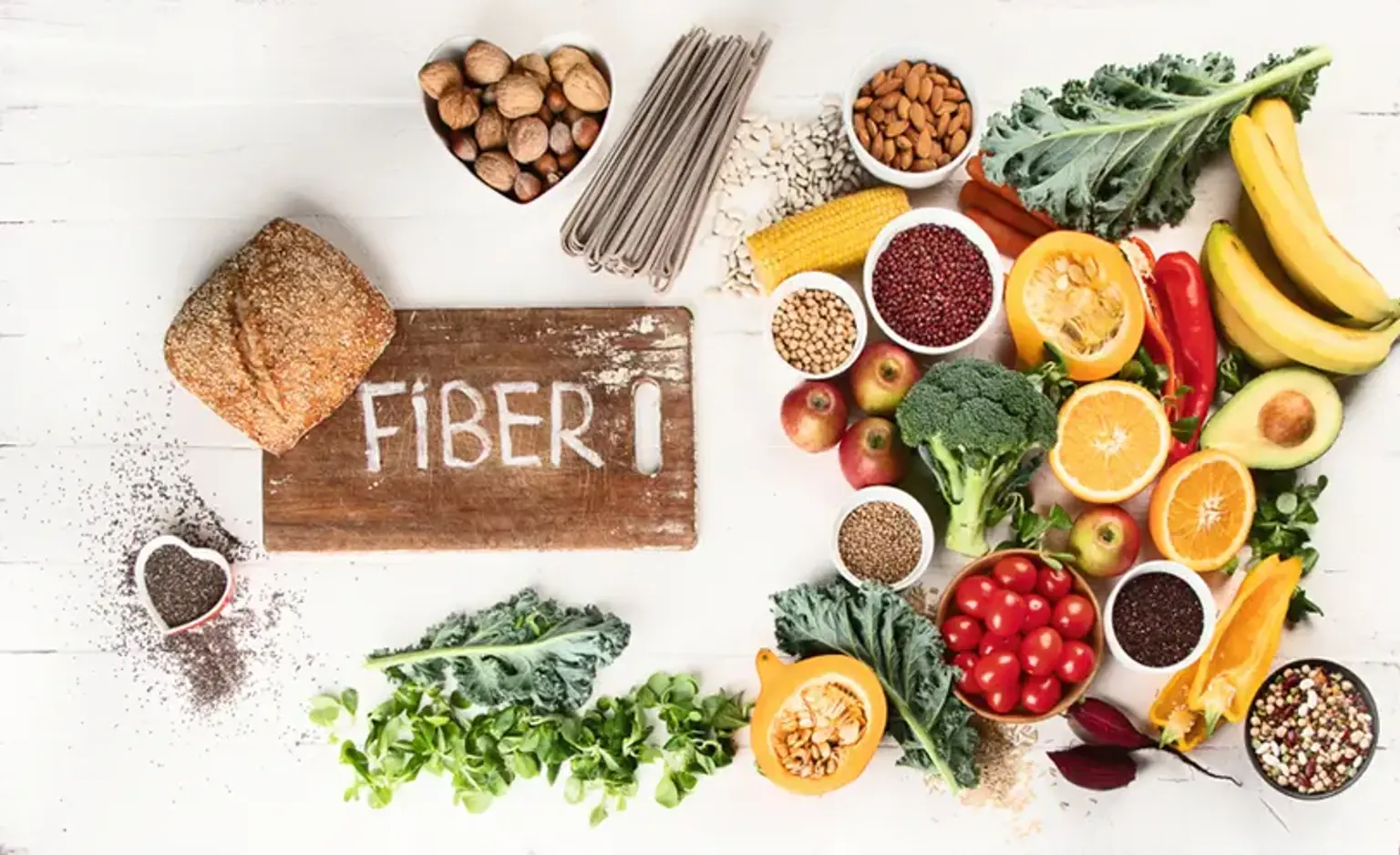
What is Dietary Fiber and Why is it Essential?
what-is-dietary-fiber-and-why-is-it-essentialDietary fiber is a type of carbohydrate that the body cannot digest or absorb. Unlike other carbohydrates, which are broken down into sugar molecules, fiber passes relatively intact through the stomach, small intestine, and colon and out of your body. Its role is fundamental to digestive health. Clinically, adequate fiber intake is associated with regular bowel movements, management of blood sugar levels, and maintenance of a healthy weight.
What Are the Main Types of Fiber?
what-are-the-main-types-of-fiberFiber is primarily classified into two categories based on its water solubility, and both are vital for health. Most plant-based foods contain a mix of both types.
Soluble Fiber: This type of fiber dissolves in water to form a gel like material. It can help lower blood cholesterol and glucose levels. By slowing digestion, it can also help you feel full longer, which is beneficial for weight management. Good sources include oats, peas, beans, apples, citrus fruits, carrots, and barley.
Insoluble Fiber: This type of fiber promotes the movement of material through your digestive system and increases stool bulk. It is particularly beneficial for those who struggle with constipation or irregular stools. Excellent sources include whole wheat flour, wheat bran, nuts, beans, and vegetables like cauliflower and green beans.
Which High-Fiber Foods Should I Eat for Optimal Health?
which-high-fiber-foods-should-i-eat-for-optimal-health
Incorporating a variety of fiber rich foods is the most effective strategy. Aim to include items from each of these categories in your weekly diet. The following tables provide examples and their approximate fiber content.
High-Fiber Fruits
Fruit (1 cup serving) | Approximate Fiber (grams)
Raspberries | 8.0 g
Pear (medium, with skin) | 5.5 g
Apple (medium, with skin) | 4.4 g
Banana (medium) | 3.1 g
Orange (medium) | 3.1 g
High-Fiber Vegetables
Vegetable (1 cup serving) | Approximate Fiber (grams)
Green Peas (cooked) | 8.8 g
Broccoli (chopped, boiled) | 5.1 g
Brussels Sprouts (boiled) | 4.1 g
Potato (with skin, baked) | 3.6 g
Carrots (chopped) | 3.6 g
High-Fiber Grains, Legumes, Nuts & Seeds
Food Item (serving size as noted) | Approximate Fiber (grams)
Split Peas (1 cup, cooked) | 16.3 g
Lentils (1 cup, cooked) | 15.6 g
Black Beans (1 cup, cooked) | 15.0 g
Chia Seeds (2 tablespoons) | 10.0 g
Quinoa (1 cup, cooked) | 5.2 g
Oats (1 cup, cooked) | 4.0 g
"For years I struggled with bloating and just feeling 'off'. My doctor suggested slowly adding more beans and berries to my diet. The first week was a bit gassy, but after that, the change was incredible. I finally felt regular and so much lighter." – an anonymous patient, United Kingdom.
How Much Fiber Do I Need Per Day?
how-much-fiber-do-i-need-per-dayThe recommended daily intake of fiber varies by age and sex. According to the Institute of Medicine, the general recommendations are:
Men 50 and younger: 38 grams
Women 50 and younger: 25 grams
Men over 50: 30 grams
Women over 50: 21 grams
Most individuals consume less than half of their recommended amount, which underscores the importance of consciously choosing high-fiber foods.
Leading Gastroenterology Centers in South Korea
leading-gastroenterology-centers-in-south-koreaFor individuals seeking comprehensive digestive health evaluations or treatment for conditions like IBD, colorectal cancer, or complex biliary disorders, South Korea offers several world-class medical centers with advanced gastroenterology departments.
Website | Clinic Name | Best Known For | Address | Contact |
|---|---|---|---|---|
Asan Medical Center | Organ transplantation, cancer care, cardiology, and complex surgeries. | Songpa-gu, Seoul,South Korea | ||
Seoul St. Mary's Hospital-Seocho | Hematopoietic stem cell transplantation, eye diseases, and organ transplantation. | Seocho-gu, Seoul,South Korea | ||
Seoul National University Hospital | Cancer treatment, organ transplantation, and cardiovascular disease. | Gangnam-gu, Seoul, South Korea | ||
Kangdong Sacred Heart Hospital | Geriatric medicine, rehabilitation, and a focus on chronic diseases. | Gangdong-gu, Seoul, South Korea | ||
H Plus Yangji Hospital | Specialized centers for spine, joint, and digestive health. | Gwanak-gu, Seoul, South Korea | ||
Soon Chun Hyang University Hospital Seoul | Digestive disease center, emergency medicine, and international patient services. | Yongsan-gu, Seoul, South Korea | ||
Kyung Hee University Hospital At Gangdong | Combination of Western and Korean medicine, specializing in cerebrovascular and joint diseases. | Gangdong-gu, Seoul, South Korea | ||
Hanyang University Seoul Hospital | Rheumatology, organ transplantation, and robotic surgery. | Seongdong-gu, Seoul,South Korea |
Common Gastroenterology Procedures & Costs in South Korea
common-gastroenterology-procedures-and-costs-in-south-koreaA proper diet is preventative, but when conditions arise, advanced procedures may be necessary. Below are common treatments and their estimated costs in South Korea, known for its high-quality, cost effective medical care.
Treatment/Procedure Name | Duration | Hospitalization? | Avg. Cost(USD) in S. Korea | Contact |
|---|---|---|---|---|
Liver Transplantation | 4-8 weeks | Needed (2 to 3 weeks) | $100,000 - $160,000 | |
ERCP with Stenting | 1-2 hours | Needed (1-2 days) | $3,500 - $7,000 | |
Endoscopic Ultrasound (EUS) with Aspiration | 30-90 minutes | Not Needed | $2,000 - $4,500 | |
Bariatric Surgery (Gastric Bypass/Sleeve) | 2-3 hours | Needed (2-4 days) | $12,000 - $19,000 | |
Colon Cancer Surgery (Colectomy) | 2-4 hours | Needed (5-10 days ) | $15,000 - $25,000 | |
IBD Biologic Therapy | 30 mins - 2 hours | Not Needed | $15,000 - $30,000 | |
Upper GI Endoscopy (EGD) | 15-30 minutes | Not Needed | $800 - $1,500 | |
Colonoscopy with Polypectomy | 30-60 minutes | Not Needed | $1,200 - $2,500 | |
Pancreatic Surgery (Whipple Procedure) | 4-8 hours | Needed (7-14 days) | $30,000 - $55,000 | |
Hepatitis C Antiviral Therapy | 8-12 weeks | Not Needed | $15,000 - $30,000 |
Your Key Questions About High-Fiber Diets Answered
your-key-questions-about-high-fiber-diets-answered1. What happens if you eat too much fiber too quickly?
1.-what-happens-if-you-eat-too-much-fiber-too-quicklyAdding too much fiber to your diet too fast can lead to uncomfortable side effects such as abdominal pain, bloating, gas, and either constipation or diarrhea. The digestive system needs time to adapt to a higher fiber load. This is why a gradual increase is clinically recommended.
2. How do I slowly increase fiber intake to avoid gas and bloating?
2.-how-do-i-slowly-increase-fiber-intake-to-avoid-gas-and-bloatingTo increase fiber intake safely, add one new high fiber food every few days and drink plenty of water. For example, start by swapping white bread for whole wheat bread for a week. The following week, add a serving of beans or lentils to a meal. This slow and steady approach allows your gut bacteria to adjust, minimizing discomfort.
3. Is soluble or insoluble fiber better for digestive health?
3.-is-soluble-or-insoluble-fiber-better-for-digestive-healthBoth soluble and insoluble fiber are essential for a healthy gut, and one is not better than the other; they serve different functions. Soluble fiber is excellent for managing blood sugar and cholesterol, while insoluble fiber (whole grains, nuts) is key for promoting regularity and preventing constipation. A balanced diet should include rich sources of both.
4. Can a high fiber diet help manage IBD or diverticulosis?
4.-can-a-high-fiber-diet-help-manage-ibd-or-diverticulosisYes, but with important considerations. For diverticulosis, a high-fiber diet can help reduce pressure in the colon and prevent flare ups (diverticulitis). For Inflammatory Bowel Disease (IBD), the role of fiber is more complex. During a flare-up, a low fiber diet is often recommended. During remission, slowly reintroducing soluble fiber may be beneficial. This must be managed under the guidance of a gastroenterologist.
5. Which high-fiber foods are least likely to cause gas?
5.-which-high-fiber-foods-are-least-likely-to-cause-gasWhile individual reactions vary, some high-fiber foods are generally better tolerated. Soluble fiber sources like psyllium, oats, and oranges are often less gas producing than large servings of cruciferous vegetables (broccoli, cabbage) or beans. Cooking vegetables thoroughly and soaking beans before cooking can also help reduce their gas producing potential.
Take Control of Your Digestive Health Today!
take-control-of-your-digestive-health-todayMaking informed dietary choices is the first step toward better digestive function and long-term health. If you are experiencing persistent digestive issues or wish to seek an expert opinion on managing a condition, a consultation is your most powerful next step. CloudHospital provides a seamless, transparent process to connect you with leading gastroenterology specialists in South Korea, with a dedicated Care Manager to support you from inquiry to post-recovery care. And Start Your Confidential Inquiry.