

The clinical information regarding Hormone Replacement Therapy (HRT) in this article has been rigorously verified against the latest guidelines from The North American Menopause Society (NAMS) and primary research from databases like PubMed. This piece was reviewed for accuracy and patient-centric clarity and was last updated in July 2022.
Introduction
introductionHormone Replacement Therapy (HRT), also known as menopausal hormone therapy, is a medical treatment designed to supplement the hormones that naturally decline as women approach menopause. Its primary goal is to alleviate the often-disruptive symptoms of this transition, improving overall quality of life. As a globally recognized hub for advanced medical care, South Korea offers sophisticated and personalized HRT options. This guide provides a detailed examination of the therapy for individuals considering treatment in Korea, exploring the benefits, candidacy, procedural steps, and leading clinics.
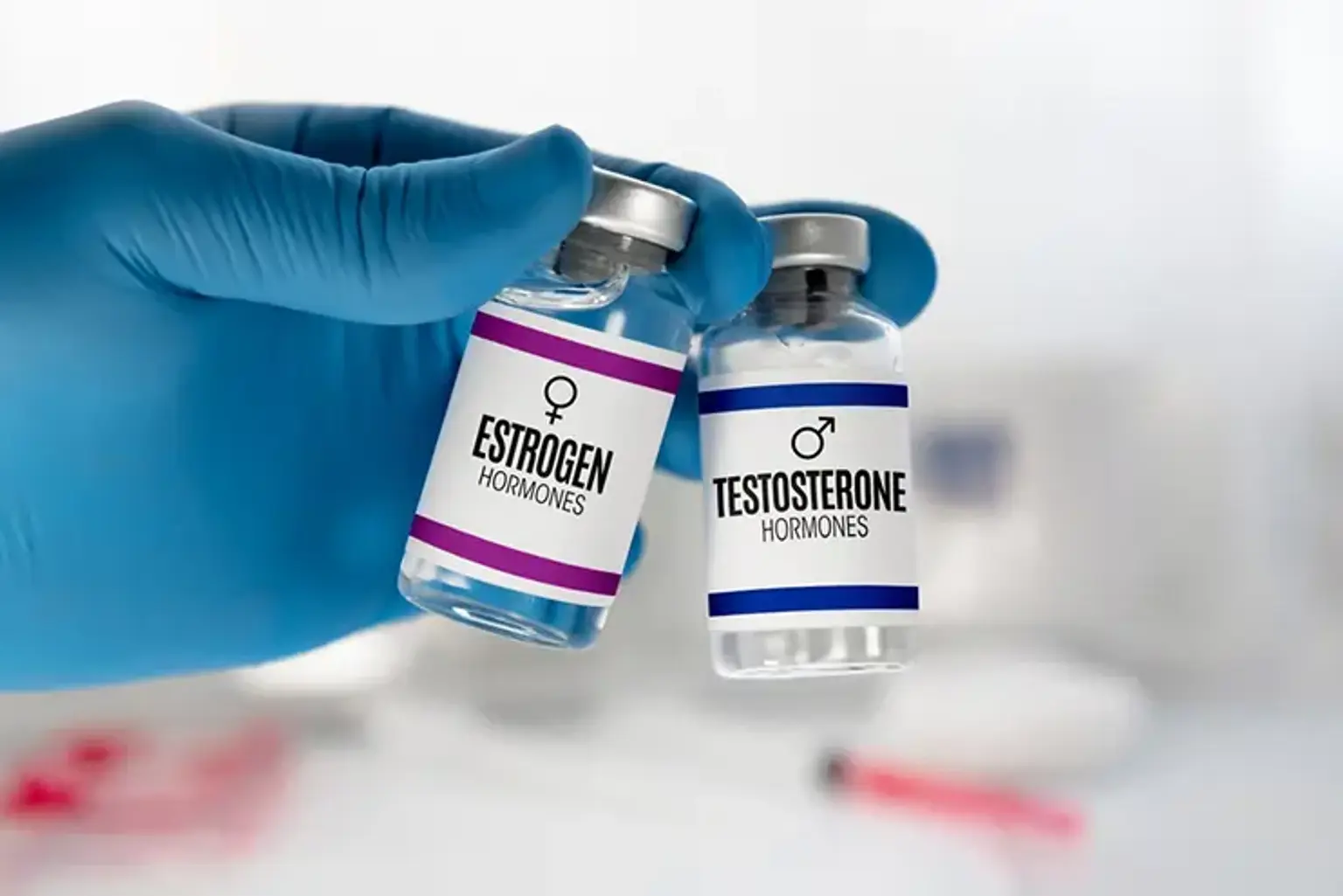
How Does Hormone Replacement Therapy Work?
how-does-hormone-replacement-therapy-workHormone Replacement Therapy works by reintroducing estrogen and, in many cases, progesterone into the body to restore hormonal balance. As the ovaries produce less estrogen during perimenopause and menopause, this sharp decline triggers a range of physical and emotional symptoms. HRT counteracts this by providing the body with the hormones it no longer sufficiently produces, thereby managing symptoms like hot flashes, night sweats, and vaginal dryness. The treatment is personalized based on a patient's specific symptoms, health history, and whether they have a uterus.
What are the Key Benefits of HRT?
what-are-the-key-benefits-of-hrtThe primary advantage of HRT is its effectiveness in managing the symptoms of menopause. For many women, the benefits significantly outweigh the risks, especially for those who begin therapy before the age of 60 or within 10 years of menopause onset.
Relief from Vasomotor Symptoms (VMS): HRT is the most effective treatment for relieving disruptive symptoms like hot flashes and night sweats.
Prevention of Bone Loss: It has been proven to prevent bone density loss and reduce the risk of osteoporosis and fractures.
Improved Genitourinary Health: The therapy effectively treats Genitourinary Syndrome of Menopause (GSM), which includes symptoms like vaginal dryness, itching, and pain during intercourse.
Enhanced Quality of Life: By managing symptoms, HRT can lead to better sleep, improved mood stability, and greater overall well-being.
Cardiovascular Health: For women who start HRT around the time of menopause, it may help protect against heart disease.
Who is a Good Candidate for Hormone Replacement Therapy?
who-is-a-good-candidate-for-hormone-replacement-therapyA thorough consultation with a gynecologist is essential to determine if HRT is the right choice. Treatment is highly individualized.
Ideal candidates typically include women who:
Experience moderate to severe menopausal symptoms like hot flashes and night sweats that disrupt their daily life.
Have experienced bone mass loss or are at a high risk for osteoporosis and cannot tolerate other treatments.
Began menopause early or experienced premature ovarian insufficiency are at a higher risk for conditions like heart disease and bone loss.
They are under 60 years of age and within 10 years of the onset of menopause, as the benefit-to-risk ratio is most favorable in this group.
What are the Risks and Contraindications of HRT?
what-are-the-risks-and-contraindications-of-hrtWhile HRT is beneficial for many, it is not suitable for everyone. A doctor will carefully assess your personal and family medical history before prescribing treatment.
HRT is generally not recommended for individuals with a history of:
Unexplained vaginal bleeding
Blood clots (venous thromboembolism)
Heart attack or stroke
Liver disease
Risks can vary depending on the type of HRT, dose, and route of administration. For example, using a transdermal (skin patch) route may decrease the risk of blood clots compared to oral tablets. Your physician will discuss these factors to create the safest and most effective plan for you.
What Are the Steps of the Hormone Replacement Therapy Process?
what-are-the-steps-of-the-hormone-replacement-therapy-processThe journey to starting HRT in Korea is a structured process focused on safety, personalization, and continuous monitoring to ensure the treatment aligns with your health goals.
Before Starting Therapy: Consultation and Preparation
before-starting-therapy:-consultation-and-preparationThe first step is a comprehensive consultation with an OB/GYN specialist. This visit involves a detailed discussion of your symptoms, personal and family medical history, and a physical examination. To establish a hormonal baseline and rule out other conditions, blood tests are typically ordered to measure levels of estrogen, progesterone, FSH, and LH. Depending on your age and risk factors, your doctor may also recommend a mammogram and a DEXA bone density scan. This thorough evaluation ensures HRT is a safe and appropriate option for you.
During the Treatment: Personalization and Monitoring
during-the-treatment:-personalization-and-monitoringOnce you are cleared for HRT, your doctor will prescribe a specific type, dosage, and delivery method tailored to your needs. Options in Korea include oral tablets, transdermal patches, topical gels or creams, and vaginal rings. The choice depends on your symptoms, health profile, and personal preference. Regular follow-up appointments are crucial to monitor your body's response, adjust dosages if necessary, and ensure the treatment remains effective and safe over the long term.
After Starting Therapy: Long-Term Management
after-starting-therapy:-long-term-managementLong-term management involves periodic re-evaluations with your doctor. These appointments are used to assess if the current treatment plan is still optimal and to discuss the duration of therapy. The decision to continue HRT is made collaboratively, weighing the ongoing benefits against any potential risks. For many women, HRT is a life-changing treatment that restores balance and vitality.
"The night sweats were unbearable and completely disrupted my sleep for over a year. A few months after starting a personalized HRT plan in Seoul, I felt like myself again rested, energetic, and clear-headed." – An anonymous patient, USA.
What Types of HRT Are Available in Korea?
what-types-of-hrt-are-available-in-koreaClinics in South Korea offer a comprehensive range of modern HRT options, allowing for highly personalized treatment plans. The specific regimen prescribed depends on whether a patient has a uterus.
Estrogen-Only Therapy (ET): This form is prescribed for women who have had a hysterectomy removal of the uterus. Estrogen is provided alone as there is no risk of endometrial cancer.
Combined Estrogen-Progestin Therapy (EPT): This is for women who still have their uterus. Progestin a synthetic form of progesterone is added to protect the uterine lining endometrium from thickening, which can increase the risk of cancer.
Local Estrogen Therapy: For women whose symptoms are primarily limited to vaginal dryness or discomfort, low-dose vaginal estrogen is a highly effective option. It comes in the form of a cream, ring, or tablet and has minimal absorption into the bloodstream.
Bioidentical Hormone Therapy: Some Korean clinics also offer bioidentical hormones, which are derived from plant sources and are chemically identical to the hormones produced by the human body. These can be compounded into customized formulations.
How Much Does Hormone Replacement Therapy Cost in Korea?
how-much-does-hormone-replacement-therapy-cost-in-koreaThe cost of HRT in South Korea is generally competitive and varies based on the specific services required. Initial consultations and hormone testing can range from ₩100,000 to ₩300,000 KRW approximately $75 to $225 USD. The monthly cost for HRT medication itself typically falls between ₩50,000 and ₩150,000 KRW approximately $35 to $110 USD, depending on the type and delivery method pills, patches, etc. These prices are for patients without Korean National Health Insurance and can vary between clinics.
Recommended Clinics with Relevant Expertise in South Korea
recommended-clinics-with-relevant-expertise-in-south-koreaSouth Korea, particularly Seoul, is home to numerous advanced women's health clinics with extensive experience in menopause management and Hormone Replacement Therapy. Many of these facilities are equipped with English-speaking staff to cater to international patients.
Website | Clinic Name | Best Known For | Address | Contact |
|---|---|---|---|---|
Second Spring Women's Clinic | Anti-aging, menopause, and vaginal aesthetic treatments | Gangnam-gu, Seoul, South Korea | ||
Seoul Miz Hospital | Specialized hospital for obstetrics, gynecology, and fertility | Gangdong-gu, Seoul, South Korea | ||
Asan Medical Center | Leading general hospital with a comprehensive OB/GYN department | Songpa-gu, Seoul, South Korea | ||
Goeunbit Women’s Clinic | Comprehensive women's disease and menopause management | Songpa-gu, Seoul, South Korea | ||
MizMedi Hospital | Comprehensive women's hospital from fertility to post-menopause care | Gangseo-gu, Seoul, South Korea | ||
Ewha Womans University Medical Center | Departments like Obstetrics & Gynecology, and research focused on menopausal HRT, implying clinical relevance. | Gangseo‑gu, Seoul, South Korea | ||
Gangnam Severance Hospital | Provides obstetric ultrasonography and is supported by its OB-GYN department, which offers HRT. | Gangnam-gu, Seoul, South Korea | ||
Catholic University Seoul St. Mary's Hospital | A premier JCI-accredited teaching hospital known for its services, academic excellence, and international patient care | Seocho‑gu, Seoul, South Korea | ||
Seoul National University Hospital | SNUH has a highly active Obstetrics & Gynecology department includes menopause care and related conditions | Gangnam-gu, Seoul, South Korea |
Associated Treatments and Average Costs in South Korea
associated-treatments-and-average-costs-in-south-koreaAlongside HRT, many women explore other gynecological and aesthetic procedures to address changes related to aging, childbirth, or hormonal shifts. South Korea is a premier destination for these treatments due to its advanced technology and specialized surgeons.
Treatment/Procedure Name | Duration | Hospitalization? | Avg Cost Range (USD) in S. Korea | Contact |
|---|---|---|---|---|
Hormone Replacement Therapy | 15 - 30 mins | Not Needed | $75 - $225 | |
Menopause & Hormonal Disorders Management | 30 - 60 mins | Not Needed | $35 - $110 | |
Labiaplasty | 1 - 2 hours | Not Needed | $1,800 - $4,100 | |
Vaginal Tightening (Surgical) | 1 - 2 hours | Not Needed | $2,300 - $6,000 | |
Non-Invasive Vaginal Tightening (Laser) | 20 - 30 minutes | Not Needed | $300 - $400 | |
Vaginal Mucosa Correction/Filler Injections | 30 - 60 minutes | Not Needed | $800 - $1,500 | |
Endometriosis Management (Surgical) | 1 - 3 hours | Needed | $7,000 - $10,000 | |
Clitoral Pop Filler Treatments | 20 - 30 minutes | Not Needed | $500 - $1,000 | |
Vulvar Whitening (Laser) | 30 - 40 minutes | Not Needed | $500 - $800 | |
Contraception Care (IUD Insertion) | 15 - 30 minutes | Not Needed | $220 - $370 | |
General Gynecological Surgery | 3 - 4 hours | Needed | $10,000 - $15000 | |
Miscarriage Care | 1 hour | Needed | $1000 - $2000 |
Frequently Asked Questions (FAQs) about HRT
frequently-asked-questions-(faqs)-about-hrt1. How long do I need to be on Hormone Replacement Therapy?
1.-how-long-do-i-need-to-be-on-hormone-replacement-therapyThe duration of HRT is a personalized decision made between you and your doctor. Some women may use it for a few years to manage symptoms through the peak of their menopausal transition, while others may continue longer for benefits like bone protection. The recommendation is to use the lowest effective dose for the appropriate duration, with periodic re-evaluations of the benefits and risks.
2. Will HRT make me gain weight?
2.-will-hrt-make-me-gain-weightWeight gain is a common concern during menopause, often attributed to hormonal changes and a slowing metabolism rather than HRT itself. Some women may experience initial bloating when starting therapy, but HRT is not typically associated with long-term weight gain. A healthy diet and regular exercise remain the most effective strategies for weight management during this life stage.
3. Are bioidentical hormones safer than traditional HRT?
3.-are-bioidentical-hormones-safer-than-traditional-hrtThe term bioidentical means the hormones are chemically identical to those produced by the body. While some commercially available bioidentical hormones are approved and regulated by health authorities, many custom-compounded versions are not. These compounded hormones have not undergone the same rigorous testing for safety and efficacy. The North American Menopause Society has raised safety concerns about compounded bioidentical HRT due to a lack of regulation and potential for inconsistent dosing.
4. How soon will I feel the benefits of HRT?
4.-how-soon-will-i-feel-the-benefits-of-hrtMost women begin to notice an improvement in symptoms like hot flashes and sleep disturbances within a few weeks of starting HRT. However, it can sometimes take up to three months to feel the full effects of the treatment. Your doctor will schedule follow-up appointments to monitor your progress and make any necessary adjustments to your dosage.
5. Can I take HRT if I have a history of migraines?
5.-can-i-take-hrt-if-i-have-a-history-of-migrainesHaving a history of migraines does not automatically disqualify you from using HRT, but it requires careful consideration. For some women, hormonal fluctuations can trigger migraines, and stabilizing hormone levels with HRT might help. However, for others, oral estrogen can worsen migraines. Using a transdermal (patch) form of estrogen at a low dose is often a safer option. It is crucial to discuss your migraine history with your doctor.
6. What happens if I stop taking HRT?
6.-what-happens-if-i-stop-taking-hrtWhen you decide to stop HRT, your doctor will likely recommend gradually tapering the dose rather than stopping abruptly. This can help minimize the potential for menopausal symptoms to return. Some women may find their symptoms do not come back, while others might experience a temporary recurrence as their body adjusts.
7. Does HRT increase the risk of breast cancer?
7.-does-hrt-increase-the-risk-of-breast-cancerThe relationship between HRT and breast cancer is complex. Long-term use of combined estrogen and progestin HRT is associated with a small increase in the risk of breast cancer. The risk is dependent on the duration of use and other individual factors. Estrogen-only therapy for women without a uterus has been shown to have little to no effect on breast cancer risk. This potential risk should be weighed against the significant quality-of-life benefits of the therapy.
Your Path to a Balanced Life Starts Here!
your-path-to-a-balanced-life-starts-hereNavigating the changes of menopause can be challenging, but you don't have to do it alone. The advanced medical facilities and expert gynecologists in South Korea offer personalized Hormone Replacement Therapy to help you manage symptoms and reclaim your vitality. Taking the first step towards treatment is a proactive choice for your long-term health and well-being. To receive customized assistance, go through CloudHospital Start Your Confidential Inquiry and a dedicated Care Manager will guide you through a seamless and transparent process, from initial consultation to post-treatment care.