
The clinical information regarding The Latest Trends in LASIK Surgery in Korea in this article has been rigorously verified against the latest guidelines from the American Academy of Ophthalmology (AAO) and primary research from databases like PubMed. This piece was reviewed for accuracy and patient-centric clarity and was last updated in October 2023.
Introduction
introductionSouth Korea has long been a global leader in technological advancement, and its ophthalmology sector is no exception. The field of vision correction is experiencing a period of rapid evolution, moving far beyond conventional procedures. For patients seeking freedom from glasses and contact lenses, Korean clinics are pioneering next-generation technologies that promise greater precision, faster recovery, and enhanced safety. This article explores the most significant trends shaping the future of laser eye surgery in Korea, focusing on breakthrough technologies like advanced lenticule extraction, AI-driven diagnostics, topography-guided treatments, and sophisticated implantable lenses.

What is the newest laser eye surgery technology in Korea?
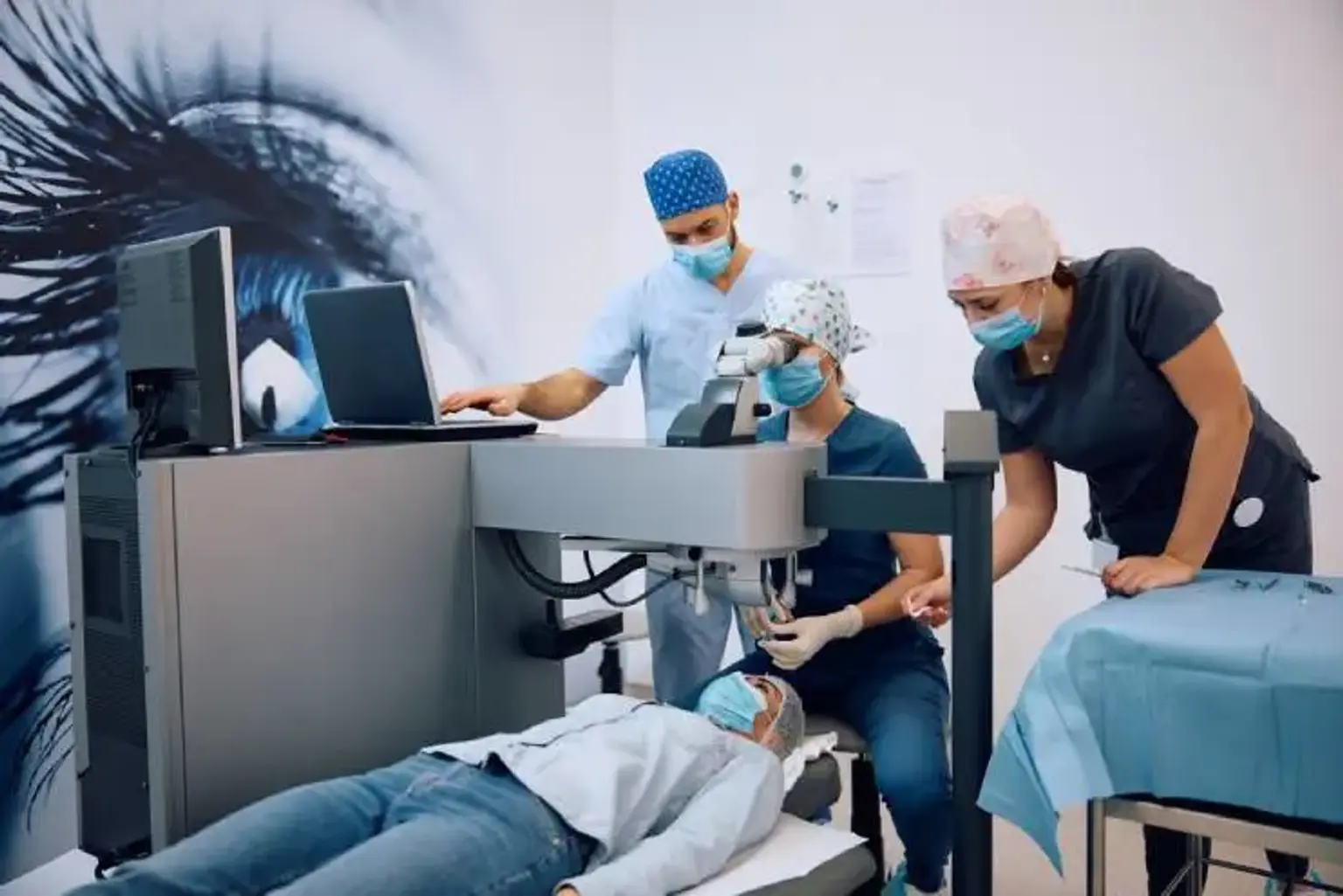
what-is-the-newest-laser-eye-surgery-technology-in-koreaThe most significant recent advancement is the evolution of lenticule extraction, particularly with the introduction of SMILE Pro. This technology represents a leap forward from its predecessor, Small Incision Lenticule Extraction (SMILE). SMILE Pro utilizes an even faster femtosecond laser to create and remove a small piece of corneal tissue a lenticule through a keyhole incision of just 2-4mm. This flapless procedure preserves the structural integrity of the upper cornea, which can lead to a lower incidence of post-operative dry eye syndrome and faster biomechanical recovery compared to traditional LASIK.
Key advantages of SMILE Pro include:
Speed: The laser portion of the procedure can be completed in under 10 seconds per eye.
Minimally Invasive: The small incision avoids the creation of a large corneal flap, which is the hallmark of LASIK.
Reduced Dry Eye: By preserving more corneal nerves, the risk of developing or worsening dry eye is theoretically reduced.
High Precision: The procedure is guided by advanced computer algorithms for exceptional accuracy in correcting myopia and astigmatism.
How is AI improving LASIK surgery outcomes in Korea?
how-is-ai-improving-lasik-surgery-outcomes-in-koreaArtificial intelligence (AI) is revolutionizing the pre-operative planning and diagnostic phase of vision correction. AI-powered diagnostic platforms can analyze thousands of data points from corneal topography, wavefront scans, and other measurements to create a highly detailed, multi-dimensional map of the eye. This allows surgeons to identify subtle corneal irregularities or conditions like subclinical [keratoconus] that might be missed by conventional analysis.
The impact of AI in Korean ophthalmology clinics is multifaceted:
Enhanced Candidate Screening: AI algorithms can more accurately determine a patient's suitability for a specific procedure LASIK, LASEK, SMILE, or ICL, significantly improving safety and predictability.
Personalized Treatment Planning: The system can recommend the optimal surgical plan tailored to the unique optical characteristics of each eye, rather than applying a one-size-fits-all approach.
Predictive Outcome Modeling: Surgeons can use AI to simulate the potential post-operative visual outcome, helping manage patient expectations and refine the surgical strategy for the best possible results.
Is SMILE Pro a better option than traditional LASIK?
is-smile-pro-a-better-option-than-traditional-lasikSMILE Pro is not universally better than LASIK; rather, it is a superior option for a specific subset of patients. The choice between SMILE Pro and LASIK depends entirely on the individual's unique eye anatomy, prescription, and lifestyle.
Feature | SMILE Pro | Modern LASIK (e.g., Femto-LASIK) |
|---|---|---|
Procedure | Flapless; a small lenticule is removed via a keyhole incision. | A corneal flap is created, lifted, and the underlying tissue is reshaped with an excimer laser. |
Best For | Patients with moderate to high myopia, active lifestyles, or concerns about dry eye. | A wider range of refractive errors, including hyperopia farsightedness and higher levels of astigmatism. |
Recovery | Visual recovery is rapid, often within 24-48 hours. Less discomfort. | Visual recovery is also very fast, but the flap requires healing time and carries a remote risk of displacement. |
Dry Eye Risk | Lower risk due to preservation of corneal nerves. | Higher potential for temporary or chronic dry eye as nerves in the flap area are severed. |
Invasiveness | Minimally invasive, preserving more corneal biomechanical strength. | More invasive due to the creation of a 20mm flap circumference. |
The decision must be made after a comprehensive eye evaluation and discussion with an experienced refractive surgeon who can outline the pros and cons for your specific case.
What are the benefits of Contoura Vision LASIK in Korea?
what-are-the-benefits-of-contoura-vision-lasik-in-koreaContoura Vision, a form of topography-guided LASIK, represents the pinnacle of personalized laser vision correction. While standard LASIK and even wavefront-guided LASIK correct vision based on the eyeglass prescription, Contoura goes a step further. It maps up to 22,000 unique elevation points on the surface of the cornea, creating a highly detailed topographical map. This map allows the excimer laser to smooth out microscopic irregularities on the corneal surface, addressing imperfections that standard methods cannot.
The primary patient benefits are:
Superior Visual Quality: Many Contoura patients report achieving better than 20/20 vision. A significant percentage of patients in clinical trials could see more lines on an eye chart post-surgery than they could with their best glasses or contacts before
Reduction in Visual Aberrations: The procedure is specifically designed to reduce common post-LASIK complaints like glare, halos, starbursts, and difficulty with night driving.
Unmatched Personalization: The treatment is unique to each individual eye, correcting vision with a level of detail previously unattainable.
What are advanced ICLs and who are they for?
what-are-advanced-icls-and-who-are-they-forFor patients who are not suitable candidates for laser-based procedures, the Implantable Collamer Lens ICL offers an excellent alternative. The latest generation, often known as EVO+ Visian ICLs, are particularly popular in Korea. These are microscopic, biocompatible lenses that are inserted into the eye behind the iris and in front of the natural lens.
ICLs are an ideal solution for patients with:
High Myopia: They can correct severe prescriptions that are outside the safe treatment range for LASIK or SMILE.
Thin Corneas: Because no corneal tissue is removed, ICLs are safe for individuals whose corneas are too thin to withstand laser reshaping.
Significant Dry Eye: The procedure does not sever corneal nerves and therefore does not induce or worsen dry eye syndrome.
A key advantage of ICLs is that the procedure is additive and reversible. The natural lens is left untouched, and the ICL can be surgically removed if necessary, returning the eye to its pre-operative state.
Why is South Korea a top destination for vision correction surgery?
why-is-south-korea-a-top-destination-for-vision-correction-surgery"I was always hesitant about LASIK because of my high prescription and astigmatism. Seeing the level of diagnostic detail and the personalized options like Contoura available in Korea gave me the confidence to finally move forward. The future of vision is truly here." – an anonymous patient, Australia.
South Korea's leadership in vision correction stems from a powerful combination of factors:
Early Adoption of Technology: Korean clinics are often among the first in the world to adopt and master new technologies like SMILE Pro and advanced diagnostic AI.
High Volume and Expertise: Surgeons in major Seoul clinics perform thousands of procedures annually, leading to an incredibly high level of technical skill and refinement.
Competitive Pricing: Despite offering the world's most advanced technology, costs for procedures like LASIK and SMILE in Korea are often significantly lower than in the United States, Europe, or Australia.
Emphasis on Safety: A culture of meticulous pre-operative screening ensures that only suitable candidates proceed to surgery, maximizing safety and successful outcomes.
Recommended Clinics with Relevant Expertise in South Korea
recommended-clinics-with-relevant-expertise-in-south-koreaThe following institutions are renowned for their expertise in advanced ophthalmology and vision correction surgery.
Website | Clinic Name | Best Known For | Address | Contact |
|---|---|---|---|---|
SNU Eye Clinic | Advanced diagnostics and complex refractive error correction | Gangnam-gu, Seoul, South Korea | ||
Gangnam Joeunnun Vision Clinic | SMILE and Presbyopia vision correction | Gangnam-gu, Seoul, South korea | ||
Jryn Eye Clinic | High-precision lenticule extraction (SMILE Pro) | Busanjin-gu, Busan, South Korea | ||
Global Ubal Eye Center | Comprehensive vision correction and ICL surgery | Jung-gu, Incheon, South Korea | ||
Cha University Bundang Medical Center | Multidisciplinary treatment of complex eye diseases and surgical complications | Bundang-gu, Seongnam-si, South Korea | ||
Chosun University Hospital | Tertiary care for retinal diseases and glaucoma | Gwangju, Dong-gu, South Korea | ||
Kangdong Sacred Heart Hospital | Cataract surgery and pediatric eye care | Gangdong-gu ,Seoul, South Korea | ||
Samyook Busan Adventist Hospital | General ophthalmology and cataract treatment in Busan | Seo-gu, Busan, South Korea |
Recommended Treatment/Procedure Names with Average Costs in South Korea
recommended-treatmentprocedure-names-with-average-costs-in-south-koreaThe following table provides an overview of common ophthalmology procedures and their estimated costs in South Korea. Prices are indicative and can vary based on the clinic, surgeon's expertise, and the complexity of the case.
Treatment/Procedure Name | Treatment Duration | Hospitalization? | Avg Cost Range (USD) in S. Korea | Contact |
|---|---|---|---|---|
LASIK Surgery | 15-20 minutes | Not Needed | $1,800 - $3,500 | |
SMILE Eye Surgery | 20-25 minutes | Not Needed | $2,500 - $4,500 | |
Premium Cataract Surgery with IOLs | 20-30 minutes | Not Needed | $4,000 - $7,000 | |
LASEK | 15-20 minutes | Not Needed | $1,500 - $3,000 | |
Presbyopia Correction | 20-30 minutes | Not Needed | $3,000 - $6,000 | |
Implantable Collamer Lens (ICL) | 20-30 minutes | Not Needed | $4,500 - $7,500 | |
Non-Surgical Vision Correction (Ortho-K) | 30-60 minutes | Not Needed | $1,000 - $2,500 | |
Dry Eye Treatment (IPL/RF) | 15-30 minutes | Not Needed | $150 - $500 | |
Vitreoretinal Surgery | 1-3 hours | Needed (1-2 days) | $5,000 - $15,000 | |
Corneal Transplantation Surgery | 1-2 hours | Needed (1-3 days) | $8,000 - $20,000 | |
Treatment for Keratoconus (CXL) | 1 hour | Not Needed | $2,500 - $5,000 |
What Should Patients Know About Accessing These Future Technologies?
what-should-patients-know-about-accessing-these-future-technologiesNavigating the landscape of advanced vision correction requires careful consideration. Here are answers to common questions patients have when exploring these innovative options.
1. How soon will these new technologies be widely available?
1.-how-soon-will-these-new-technologies-be-widely-availableTechnologies like SMILE Pro, Contoura Vision, and advanced AI diagnostics are already standard of care in leading ophthalmology centers in South Korea, particularly in Seoul's Gangnam district. While not every clinic may offer every single platform, the most reputable centers focused on medical tourism and premium care have invested heavily in this equipment.
2. How can patients ensure they are a good candidate for new LASIK technologies?
2.-how-can-patients-ensure-they-are-a-good-candidate-for-new-lasik-technologiesThe only way to determine candidacy is through a comprehensive pre-operative examination. This assessment in a top Korean clinic is extremely thorough and can take 2-3 hours. It will include corneal topography, wavefront analysis, corneal thickness measurement (pachymetry), dry eye evaluation, and a dilated fundus exam. An ethical surgeon will refuse to operate if the tests reveal any contraindications.
3. Do these new technologies make treatments more expensive?
3.-do-these-new-technologies-make-treatments-more-expensiveGenerally, the most advanced procedures carry a premium price tag. For example, SMILE Pro or Contoura Vision LASIK typically cost more than conventional LASIK. However, due to the competitive market in Korea, even these premium procedures are often more affordable than less advanced options in Western countries. The price reflects the cost of the technology, the disposables used, and the surgeon's expertise.
4. What is the most important factor when choosing a clinic in Korea?
4.-what-is-the-most-important-factor-when-choosing-a-clinic-in-koreaWhile technology is important, the most crucial factor is the surgeon's experience and the clinic's commitment to safety and personalized care. Look for centers that perform a high volume of the specific procedure you are interested in. Prioritize clinics that offer a wide range of technologies LASIK, LASEK, SMILE, ICL, as this indicates they are more likely to recommend the best procedure for you, not just the one they happen to have.
5. How long do I need to stay in Korea for vision correction surgery?
5.-how-long-do-i-need-to-stay-in-korea-for-vision-correction-surgeryA typical itinerary involves a 5-7 day stay.
Day 1: Arrival and rest.
Day 2: Comprehensive pre-operative examination 2-3 hours.
Day 3: Surgery the procedure itself is very quick, under 30 minutes for both eyes.
Day 4: First post-operative check-up 1 day after surgery.
Day 5-6: Rest and final check-up before departure.
See the Future Clearly: Begin Your Vision Correction Journey in Korea
see-the-future-clearly:-begin-your-vision-correction-journey-in-koreaThe decision to undergo vision correction is a significant step toward a life of freedom and clarity, and South Korea’s cutting-edge technology and world-renowned ophthalmologists make it an ideal destination for your treatment. While navigating the process from abroad may seem daunting, services like Cloud Hospital ensure a smooth and transparent experience. With a dedicated Care Manager by your side from your first inquiry to post-recovery support you’ll receive expert guidance every step of the way. Take the first step toward perfect vision and Start Your Confidential Inquiry to receive a personalized treatment plan from Korea’s top eye specialists.