

The clinical information regarding Top Trends in Refractive Surgery in this article has been rigorously verified against the latest guidelines from the Korean Ophthalmological Society (KOS) and primary research from databases like PubMed. This piece was reviewed for accuracy and patient-centric clarity and was last updated in September 2023.
Introduction
introductionSouth Korea's leadership in medical technology is profoundly evident in the field of Ophthalmology. The rapid pace of innovation is transforming refractive surgery from simple vision correction into a highly personalized and precise medical art. For patients worldwide, this means safer procedures, faster recovery times, and visual outcomes that were once thought impossible. This article explores the most significant trends shaping the future of patient care, from next generation laser techniques to advanced implantable lenses.
Why is South Korea a leader in refractive surgery technology?
why-is-south-korea-a-leader-in-refractive-surgery-technology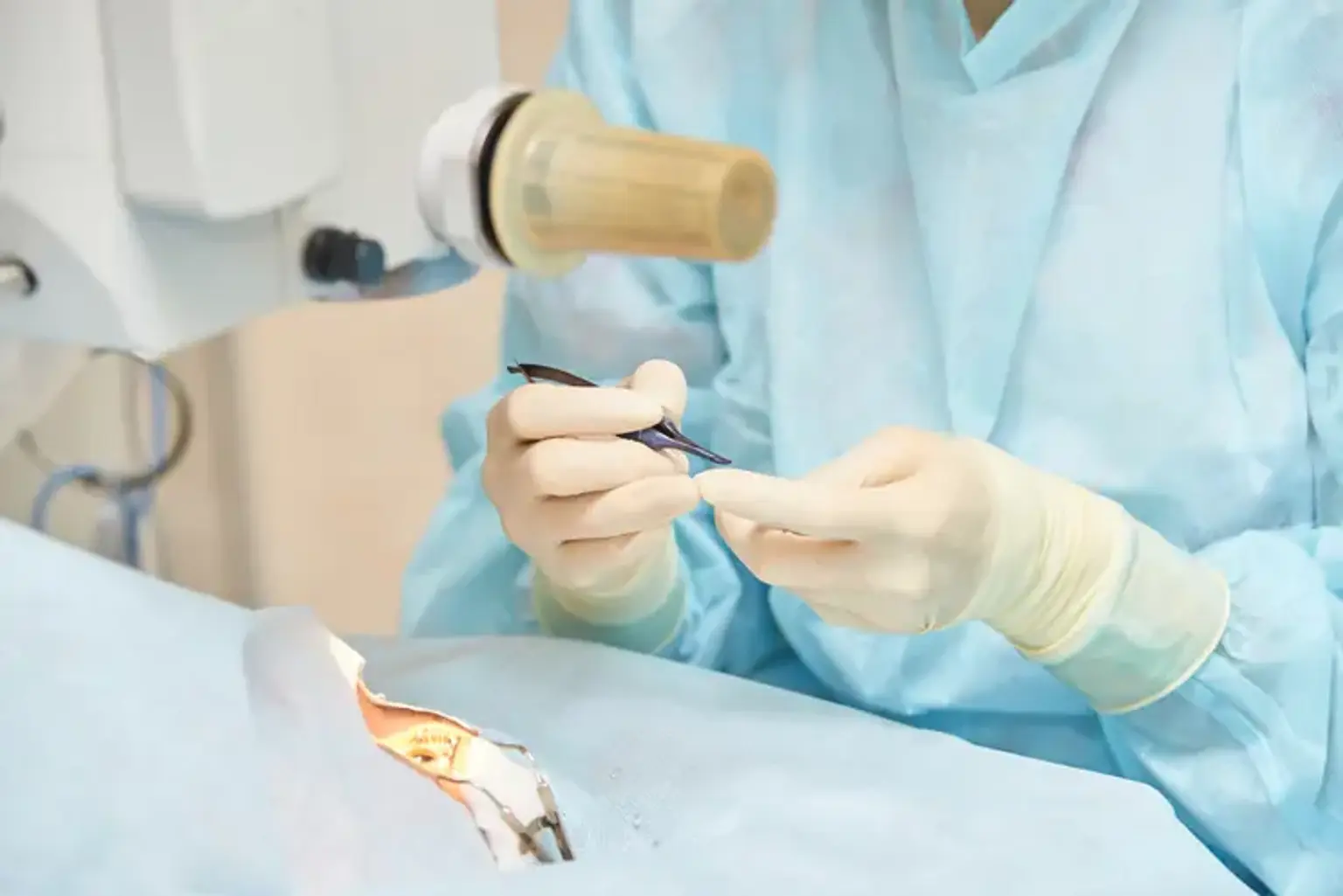
South Korea's position as a global leader in refractive surgery stems from a powerful combination of high patient demand, intense competition among clinics, and a national focus on technological advancement. This environment fosters rapid adoption of the latest diagnostic and surgical equipment. Surgeons in Korea often have extensive experience with cutting edge platforms like the latest femtosecond lasers and advanced IOLs, performing high volumes of procedures that contribute to refined techniques and superior outcomes. This cycle of investment and experience makes the country a top destination for patients seeking the most advanced vision correction available.
How is lenticule extraction surgery evolving in Korea?
how-is-lenticule-extraction-surgery-evolving-in-koreaLenticule extraction surgery, most famously known as SMILE, is evolving significantly with the introduction of next generation laser platforms. The core benefit of this minimally invasive procedure creating a small incision to remove a precisely shaped piece of corneal tissue the lenticule is being enhanced for greater speed, accuracy, and a wider range of treatable prescriptions.
Key advancements include:
Faster Laser Systems: Newer femtosecond lasers like the VISUMAX 800 can create the lenticule in under 10 seconds, reducing suction time on the eye. This enhances patient comfort and minimizes the risk of suction loss during the procedure.
Centration and Astigmatism Control: Advanced cyclotorsion control and digital centration aids ensure the laser treatment is perfectly aligned with the patient's visual axis. This is critical for achieving the best possible correction, especially for patients with significant astigmatism.
Expanded Treatment Range: Ongoing clinical trials and software upgrades are expanding the approved treatment parameters for SMILE, making it a viable option for a broader group of patients, including those with higher levels of myopia.
What are the advantages of new Implantable Collamer Lenses (ICL)?
what-are-the-advantages-of-new-implantable-collamer-lenses-(icl)Newer Implantable Collamer Lenses (ICL), such as the EVO+ Visian ICL, offer significant advantages, particularly for patients who are not ideal candidates for laser-based procedures like LASIK or SMILE. These biocompatible lenses are placed inside the eye, behind the iris and in front of the natural lens, to correct vision.
The primary advantages are:
Wider Treatment Range: ICLs can correct very high degrees of nearsightedness myopia that are outside the safe treatment range for laser surgery.
Preservation of Corneal Tissue: Because no tissue is removed from the cornea, the procedure is reversible and does not induce the kind of dry eye symptoms sometimes associated with laser vision correction. This is a major benefit for patients with pre existing dry eye or thin corneas.
Superior Visual Quality: Many patients report exceptional visual quality with ICLs, often described as high-definition vision, with excellent sharpness and clarity, especially at night. The newer models feature a larger optic zone, further enhancing night vision quality.
How are premium IOLs changing cataract and presbyopia surgery?
how-are-premium-iols-changing-cataract-and-presbyopia-surgeryPremium intraocular lenses (IOLs) are revolutionizing both cataract surgery and refractive lens exchange for presbyopia correction. Unlike a standard monofocal IOL, which corrects vision at a single distance, premium IOLs use advanced optics to provide a continuous range of vision, significantly reducing or eliminating the need for glasses.
Major categories of premium IOLs include:
Trifocal IOLs: These lenses are designed with three distinct focal points for clear near, intermediate, and distance vision. They are a popular choice for active patients who want maximum independence from glasses.
Extended Depth of Focus (EDOF) IOLs: EDOF lenses create one elongated focal point to provide a continuous range of vision from distance to intermediate. They generally have a lower incidence of halos and glare compared to some trifocal designs.
Light-Adjustable Lenses (LAL): This groundbreaking technology allows the surgeon to fine-tune the power of the IOL after it has been implanted in the eye. Using a special UV light-delivery device in the clinic, the lens power can be precisely adjusted post-surgery to achieve a highly customized and accurate visual outcome.
"I was nervous about losing my reading vision as I got older. Learning about the new trifocal lenses available in Korea gave me so much hope. The idea that one procedure could fix my distance vision and let me read a menu without glasses is incredible." – an anonymous patient, Australia.
Recommended Clinics with Relevant Expertise in South Korea
recommended-clinics-with-relevant-expertise-in-south-koreaSouth Korea is home to numerous world-class ophthalmology centers. The following clinics are noted for their expertise in advanced refractive and vision correction surgeries.
Website | Clinic Name | Best Known For | Address | Contact |
|---|---|---|---|---|
SNU Eye Clinic | Comprehensive care at a leading university hospital | Gangnam-gu, Seoul, South Korea | ||
Gangnam Joeunnun Vision Clinic | High-volume LASIK, LASEK, and ICL surgeries | Gangnam-gu, Seoul, South Korea | ||
Jryn Eye Clinic | Specialization in SMILE, LASIK, and LASEK | Busan-gu, Seoul, South Korea | ||
Global Ubal Eye Center | Advanced vision correction and cataract surgery | Incheon-gu, Seoul, South Korea | ||
Cha University Bundang Medical Center | Multi-disciplinary hospital with advanced ophthalmology | YBundang-gu, Gyeonggi-do, South Korea | ||
Chosun University Hospital | University-level treatment for retinal and corneal diseases | Dong-gu, Gwangju, South Korea | ||
Kangdong Sacred Heart Hospital | Comprehensive ophthalmology and complex surgical cases | Gangdong-gu, Seoul, South Korea | ||
Samyook Busan Adventist Hospital | Community-focused comprehensive eye care | Seo-gu, Busan, South Korea |
Recommended Treatment/Procedure Names with Average Costs in South Korea
recommended-treatmentprocedure-names-with-average-costs-in-south-koreaThe cost of vision correction can vary based on the technology used and the complexity of the patient's prescription. Below are typical ranges for popular procedures in South Korea.
Treatment/Procedure Name | Treatment Duration | Hospitalization? | Avg Cost Range (USD) in S. Korea | Contact |
|---|---|---|---|---|
LASIK | 15-20 minutes | Not Needed | $1,800 - $3,500 | |
LASEK | 15-20 minutes | Not Needed | $1,700 - $3,200 | |
SMILE Eye Surgery | 20-30 minutes | Not Needed | $2,500 - $4,500 | |
Implantable Collamer Lens (ICL) Surgery | 2 to 3 hours | Not Needed | $4,500 - $7,000 | |
Presbyopia Correction (Refractive Lens Exchange) | 1.5 to 2 hours | Not Needed | $5,000 - $8,500 | |
Premium Cataract Surgery with IOLs | 2 to 3 hours | Not Needed | $4,000 - $7,500 | |
Astigmatism Refractive Surgery | 15-30 minutes | Not Needed | $2,000 - $4,000 | |
Dry Eye Treatment (e.g., IPL) | 6 to 12 weeks | Not Needed | $200 - $500 | |
Treatment for Keratoconus (e.g., Cross-linking) | 60-90 minutes | Not Needed | $1,500 - $3,000 |
What Should Patients Know About These Future Technologies?
what-should-patients-know-about-these-future-technologiesNavigating the options for advanced eye surgery requires understanding a few key practical points.
1. How soon will these innovations be widely available?
1.-how-soon-will-these-innovations-be-widely-availableMany of these technologies, such as SMILE Pro, advanced ICLs, and various premium IOLs, are already available at leading clinics in South Korea. The newest technologies, like light adjustable lenses, may be found at select, highly specialized university hospitals or premium vision centers first before becoming more widely adopted.
2. Do these new technologies make treatments more expensive?
2.-do-these-new-technologies-make-treatments-more-expensiveGenerally, newer and more advanced technologies command a higher price. For example, SMILE is typically more expensive than conventional LASIK, and premium IOLs for cataract surgery cost more than standard monofocal lenses. Patients should view this as an investment in a higher quality of vision and greater independence from glasses.
3. How can I find a clinic that uses these advanced techniques?
3.-how-can-i-find-a-clinic-that-uses-these-advanced-techniquesThe best approach is to research clinics that specifically advertise these technologies on their websites. Look for centers that highlight their use of specific femtosecond laser models like VISUMAX 800 or name the premium IOLs they offer like PanOptix, Vivity, Symfony. Using a medical tourism facilitator can also streamline this process, as they often have established relationships with the most technologically advanced centers.
4. What is the most important factor in choosing a procedure?
4.-what-is-the-most-important-factor-in-choosing-a-procedureWhile technology is important, the most critical factor is a comprehensive pre-operative evaluation. A thorough eye exam using advanced diagnostic tools like corneal topography and tomography will determine which procedure is safest and most effective for your unique eyes. The surgeon's experience and judgment are paramount in making the final recommendation.
Discover Your Clearest Vision: Inquire About Advanced Refractive Surgery Now!
discover-your-clearest-vision:-inquire-about-advanced-refractive-surgery-in-korea-now!Your journey toward visual freedom begins with expert guidance. Understanding the latest trends is the first step, but a personalized consultation is essential to determine the ideal path for your eyes. By inquiring through a dedicated service, you can receive customized treatment plans from top-tier Korean ophthalmology centers. This ensures a seamless and transparent process, guided by a personal Care Manager who provides end-to-end support, from your initial questions to post-procedure care. Start Your Confidential Inquiry through CloudHospital to explore the best that Korean vision correction has to offer.