

The clinical information regarding Safe and Effective Non-Surgical Aesthetic Treatments for Genital Health in this article has been rigorously verified against the latest committee opinions from the American College of Obstetricians and Gynecologists (ACOG) and primary research from databases like PubMed. This piece was reviewed for accuracy and patient-centric clarity and was last updated in October 2023.
Introduction
introductionThe decision to pursue an aesthetic genital procedure is deeply personal. A growing number of individuals are seeking non-surgical options to address concerns related to comfort, function, and appearance that can arise from childbirth, menopause, or natural aging. Acknowledging your questions about the safety and effectiveness of these treatments is the first step toward making a sound decision. This guide provides a transparent, evidence based evaluation of both the benefits and the potential risks of popular non-surgical aesthetic genital treatments, empowering you to make a fully informed choice for your intimate health.
Efficacy: How Well Do Non-Surgical Genital Treatments Work?
efficacy:-how-well-do-non-surgical-genital-treatments-workThe effectiveness of these procedures depends heavily on three factors: the specific technology used, the condition being treated, and the expertise of the clinician. These treatments are not a one size fits all solution, but they can yield high patient satisfaction when applied to the right candidate.
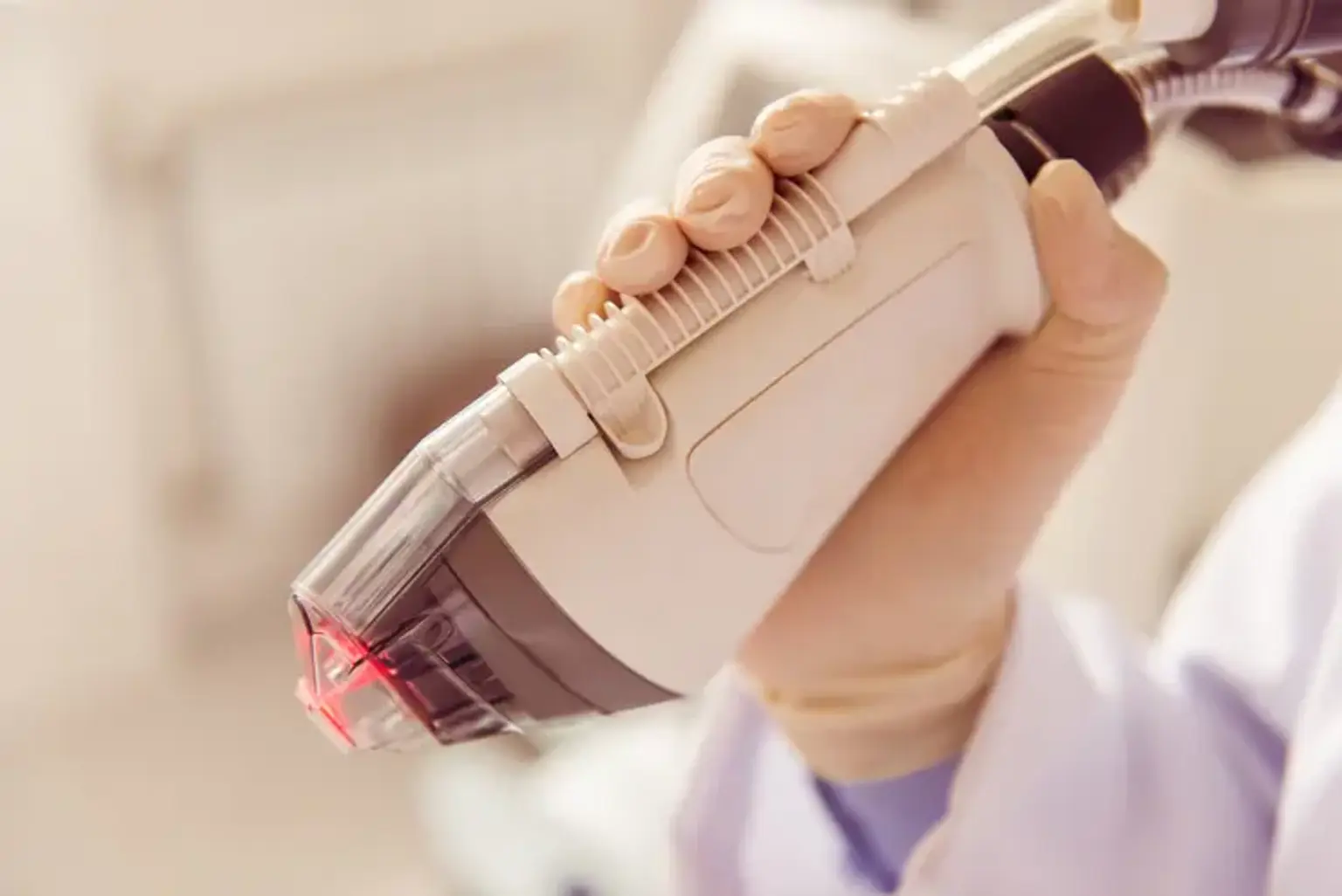
Energy-Based Devices (Laser and Radiofrequency)
energy-based-devices-(laser-and-radiofrequency)These are the most common non-surgical treatments for concerns like vaginal laxity, mild stress urinary incontinence, and symptoms of Genitourinary Syndrome of Menopause (GSM), such as dryness and discomfort.
Mechanism of Action: Both CO2 lasers and radiofrequency (RF) devices deliver controlled thermal energy to the vaginal and/or vulvar tissues. This process stimulates the body's natural healing response, promoting the production of new collagen and elastin fibers. The result is tissue remodeling, leading to thicker, more resilient, and better hydrated tissue.
Vaginal Laxity & Atrophy: Multiple studies demonstrate significant improvements. A meta-analysis of treatments for GSM found that laser therapy led to substantial improvements in symptoms like vaginal dryness, itching, and dyspareunia painful intercourse.
Patient Satisfaction: Satisfaction rates are generally high, often reported between 80-95% for appropriately selected patients seeking relief from symptoms of vaginal atrophy or mild laxity.
Factors for Success: Success is greatest in women with mild to moderate symptoms. Severe vaginal prolapse or significant urinary incontinence requires surgical intervention. A typical treatment course involves 2-3 sessions spaced 4-6 weeks apart.
Injectable Treatments (Hyaluronic Acid Fillers)
injectable-treatments-(hyaluronic-acid-fillers)Commonly used in facial aesthetics, hyaluronic acid (HA) fillers are now adapted for specific gynecological applications.
Mechanism of Action: Specially formulated HA gel is injected to restore volume, provide hydration, or enhance sensitivity.
Labia Majora Augmentation: Restores a fuller, more youthful appearance to the outer labia, which can lose volume with age.
Vaginal Mucosa Correction: Injections into the vaginal lining mucosa can improve hydration and comfort, directly addressing dryness.
Clitoral Pop or G-Spot Amplification: Aims to increase the surface area and sensitivity of these erogenous zones, though clinical evidence for enhanced sexual response is still emerging and largely anecdotal.
Proven Efficacy: Results are temporary, typically lasting 9-18 months. The primary outcome is structural and volumetric improvement. Patient satisfaction for labia majora augmentation is very high, as it effectively addresses a visible aesthetic concern. Efficacy for sexual function enhancement is less well documented in large scale trials.
Topical Treatments (Vulvar Whitening)
topical-treatments-(vulvar-whitening)These treatments address hyperpigmentation on the vulva, which can be caused by hormonal changes, friction, or genetics.
Mechanism of Action: Utilizes medical grade chemical peels or topical agents like tranexamic acid to reduce melanin concentration in the skin. This is often combined with laser treatments for enhanced effect.
Proven Efficacy: Multiple sessions are required. Results are effective for reducing pigmentation but require maintenance and strict adherence to post-procedure care, including sun avoidance, to prevent recurrence.
The Safety Profile: A Transparent Look at the Risks
the-safety-profile:-a-transparent-look-at-the-risksWhile generally considered safe when performed by a qualified professional, no medical procedure is without risk. The American College of Obstetricians and Gynecologists (ACOG) urges a cautious approach, emphasizing the need for robust, long-term safety data.
Common, Short-Term Side Effects
common-short-term-side-effectsThese are generally mild and resolve within a few days to a week.
For Energy Based Devices: Temporary redness, swelling, and mild discomfort. Some patients report a watery discharge for a few days.
For Injectables: Bruising, swelling, tenderness, and lumpiness at the injection site.
For Topical Treatments: Skin irritation, peeling, redness, and temporary sensitivity.
Less Common but Serious Risks
less-common-but-serious-risksThese complications are rare but underscore the importance of choosing a highly skilled provider.
Infection: As with any procedure that breaks the skin barrier.
Burns, Scarring, or Adhesions: A potential risk with energy based devices if operated incorrectly.
Altered Sensation: Can include temporary or, in very rare cases, permanent numbness or hypersensitivity.
Dyspareunia (New or Worsened): Pain during intercourse can occur if the healing process results in scarring or tissue changes.
Vascular Occlusion (Fillers): An extremely rare but severe complication where filler is inadvertently injected into a blood vessel, potentially leading to tissue necrosis. This requires immediate medical intervention.
Who Should Avoid These Procedures Contraindications
who-should-avoid-these-procedures-contraindicationsThese treatments are not safe for everyone. Key contraindications include:
Active pelvic, vaginal, or urinary tract infection
Pregnancy or breastfeeding
Undiagnosed vaginal bleeding or lesions
History of keloid scarring
Certain autoimmune disorders affecting wound healing
Unrealistic expectations about the outcome
How to Minimize Risks and Maximize Safety
how-to-minimize-risks-and-maximize-safetyYou have a critical role in ensuring a safe and successful outcome. The power lies in diligent research and careful provider selection.
The Critical Role of Provider Selection: This is the single most important factor. Seek a board certified obstetrician gynecologist or plastic surgeon who has specific, demonstrable experience with these non-surgical procedures. Do not hesitate to ask about their training on the specific device being used.
The Comprehensive Consultation: Your consultation should be a thorough medical evaluation. Be prepared to provide your complete medical history, including past pregnancies, surgeries, and any symptoms you are experiencing. This is the time to establish realistic expectations with your doctor.
Following Pre- and Post-Procedure Instructions: Your compliance is mandatory for safety. This often includes abstaining from intercourse, tampons, and hot tubs for a prescribed period to allow for proper healing and minimize infection risk.
Choosing an Accredited Facility: Ensure the procedure is performed in a clean, professional medical clinic or hospital, not a spa or salon. Accredited facilities adhere to strict standards for safety and hygiene.
"After two kids, things just didn't feel the same. The laser treatments were quick, and the difference in comfort and confidence during intimacy was something I hadn't realized I was missing so much." – An anonymous patient, Australia.
Your Safety Checklist: Questions to Ask Your Doctor
your-safety-checklist:-questions-to-ask-your-doctorUse this checklist during your consultation to ensure you are making a well-informed decision.
Are you a board-certified OB/GYN or plastic surgeon?
How many procedures of this specific type have you performed?
What specific training have you received on this laser/RF device?
Based on my examination, what is a realistic outcome I can expect?
What are the most common side effects you see in your patients for this treatment?
What is your protocol for handling a complication if one were to occur?
Can I see anonymized before-and-after photos of your actual patients?
Recommended Clinics for Expert Consultations in South Korea
recommended-clinics-for-expert-consultations-in-south-koreaSouth Korea is a global leader in aesthetic technology and expertise. The following clinics are recognized for their advanced women's health and aesthetic centers.
Website | Clinic Name | Best Known For | Address | Contact |
|---|---|---|---|---|
Second Spring Women's Clinic | Specialized in vaginal aesthetic and reconstructive treatments, including non-invasive procedures. | Gangnam-gu, Seoul, South Korea | ||
Seoul Miz Hospital | Advanced diagnostics and a wide range of OB/GYN services. | Gangdong-gu, Seoul, South Korea | ||
MariaPlus Fertility Hospital | Specializing in fertility, reproductive health, and hormonal disorders. | Songpa-gu, Seoul, South Korea | ||
Goeunbit Women’s Clinic | Known for detailed women's health management, from menopause and hormonal disorders to aesthetic treatments. | Songpa-gu, Seoul, South Korea | ||
MizMedi Hospital | A large, well-respected women's hospital offering a full spectrum of OB/GYN services, including specialized aesthetic care. | Songpa-gu, Seoul, South Korea | ||
HI Fertility Clinic | Focused care on fertility and underlying hormonal conditions affecting cycles. | Gangseo-gu, Seoul, South Korea | ||
Helen Women’s Obstetrics & Gynecology Clinic | Focuses on personalized care for women's diseases, hormonal issues, and related aesthetic concerns. | Gangseo-gu, Seoul, South Korea | ||
Asan Medical Center | A world renowned tertiary hospital with highly specialized departments capable of handling complex gynecological cases. | Songpa-gu, Seoul, South Korea |
Relevant Procedures and Average Costs in South Korea
relevant-procedures-and-average-costs-in-south-koreaCosts are estimates and can vary based on the clinic, the specific device used, and the number of sessions required.
Treatment/Procedure Name | Duration | Hospitalization Needed? | Avg. Cost (USD) in S. Korea | Contact |
|---|---|---|---|---|
Laser Vaginal Tightening / Rejuvenation | 20-30 minutes | Not Needed | $800 - $1,500 | |
Radiofrequency (RF) Vaginal Tightening | 30-45 minutes | Not Needed | $900 - $1,800 | |
Vaginal Filler / Mucosa Correction (HA) | 30-40 minutes | Not Needed | $1,000 - $2,500 | |
Labia Majora Filler (HA) | 30-45 minutes | Not Needed | $1,200 - $3,000 | |
Vulvar Whitening (Laser or Peel) | 20-30 minutes | Not Needed | $400 - $900 |
What Other Questions Do Patients Have About Safety and Results?
what-other-questions-do-patients-have-about-safety-and-resultsAddressing common anxieties and practical questions is key to feeling prepared and confident in your decision-making process.
1. Are the Results from Non-Surgical Genital Procedures Permanent?
1.-are-the-results-from-non-surgical-genital-procedures-permanentThe results are long-lasting but not permanent. For energy based treatments like laser or RF, the collagen production they stimulate can provide benefits for one to two years or more. However, the natural aging process will continue. Most clinics recommend maintenance sessions every 12-24 months to preserve the results. The longevity of fillers varies by product but typically lasts from 9 to 18 months.
2. How Do I Know If I Am a High-Risk Candidate?
2.-how-do-i-know-if-i-am-a-high-risk-candidateA high risk candidate is typically someone with conditions that could impair healing or increase complication rates. This includes individuals with uncontrolled diabetes, autoimmune disorders affecting skin or connective tissue like scleroderma or lupus, a history of keloid scarring, or those taking medications that suppress the immune system or affect blood clotting. Your doctor will determine your risk level during a thorough medical history review.
3. How Do Top Clinics Handle Complications If They Occur?
3.-how-do-top-clinics-handle-complications-if-they-occurReputable clinics have a clear, established protocol for managing complications. This includes providing patients with direct after hours contact information for the medical team, scheduling prompt follow-up appointments to assess any issues, and having the necessary resources to manage potential problems like infection or adverse reactions. They prioritize patient safety and provide comprehensive post-procedure support.
4. What Happens If I'm Not Satisfied with the Results?
4.-what-happens-if-i'm-not-satisfied-with-the-resultsThis is an important topic to discuss during your initial consultation. An ethical provider will set realistic expectations from the beginning. If results are suboptimal, a follow-up assessment is the first step. Depending on the situation, the solution might involve a touch-up procedure, an additional treatment session sometimes at a reduced cost, or exploring an alternative treatment modality.
5. Does Insurance Cover Aesthetic Gynecological Procedures?
5.-does-insurance-cover-aesthetic-gynecological-proceduresGenerally, no. Procedures performed purely for aesthetic enhancement are considered elective and are not covered by health insurance. However, if a procedure is deemed medically necessary to address a functional problem such as using a laser to treat severe symptoms of GSM or performing a labiaplasty to resolve chronic pain and irritation there may be a possibility for partial coverage. This requires thorough documentation from your doctor and pre-authorization from your insurance provider.
6. Is There a Best Age for These Treatments?
6.-is-there-a-best-age-for-these-treatmentsThere is no single best age. The ideal candidate is determined by symptoms and goals, not chronology. Post-partum women in their 30s and 40s may seek treatment for laxity, while perimenopausal and post-menopausal women in their 50s and beyond often seek relief from GSM symptoms like dryness and atrophy. The key is being in good overall health and having a clear reason for pursuing treatment.
Begin Your Journey to Renewed Confidence and Comfort Today!
begin-your-journey-to-renewed-confidence-and-comfortYour journey toward better intimate health starts with the right support. With CloudHospital, you gain access to South Korea’s top specialists and clinics, all through a transparent, patient-first experience. From your initial consultation to full recovery, a dedicated Care Manager will guide you every step of the way. Begin your confidential inquiry today to receive a free, personalized treatment plan tailored to your unique needs.