

The clinical information regarding IUD vs. Implant in this article has been rigorously verified against the latest guidelines from The American College of Obstetricians and Gynecologists (ACOG) and primary research from databases like PubMed. This piece was reviewed for accuracy and patient-centric clarity and was last updated in October 2023.
Introduction
introductionChoosing a long-term contraceptive is a significant healthcare decision. For those in South Korea seeking reliable, set it and forget it options, the intrauterine device (IUD) and the contraceptive implant stand out as the leading Long-Acting Reversible Contraceptives (LARCs). Both offer exceptional effectiveness, but they work differently and have unique profiles. This guide provides a clear, objective comparison of the IUD and the implant to help you make a well-informed choice based on your body, lifestyle, and personal preferences.
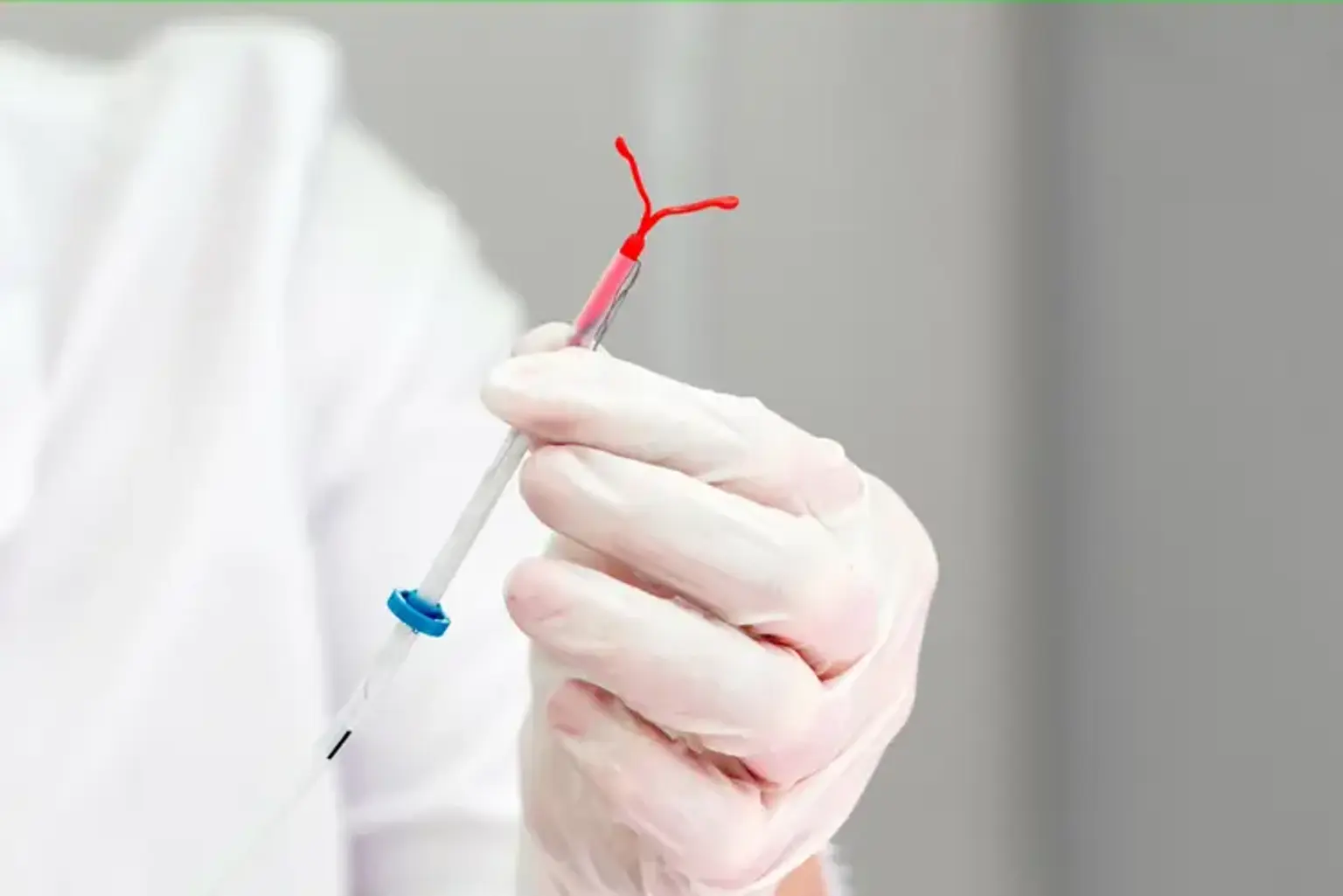
What is an IUD and Who Is It For?
what-is-an-iud-and-who-is-it-forAn Intrauterine Device (IUD) is a small, T-shaped device inserted into the uterus by a gynecologist to prevent pregnancy. It is an excellent option for individuals seeking a long-term, low-maintenance contraceptive that is localized to the uterus. There are two main types available.
1. Hormonal IUDs (e.g., Mirena, Kyleena, Skyla)
Mechanism: These IUDs release a small amount of the hormone progestin directly into the uterus. This thickens cervical mucus to block sperm, thins the uterine lining endometrium to prevent implantation, and can sometimes suppress ovulation.
Duration: Effective for 3 to 8 years, depending on the brand.
Pros: Can make periods significantly lighter, less crampy, or even stop them altogether. This makes them a therapeutic option for conditions like heavy menstrual bleeding or endometriosis.
Cons: Potential for hormonal side effects like irregular bleeding especially in the first 3-6 months, mood changes, or acne, though these are less common than with systemic methods like the pill.
2. Copper IUD (e.g., Paragard)
Mechanism: This IUD is hormone free. The copper wire wrapped around the device creates a local inflammatory reaction in the uterus that is toxic to sperm and eggs, preventing fertilization.
Duration: Effective for up to 10-12 years.
Pros: Completely hormone-free, making it ideal for those who cannot or prefer not to use hormonal methods. It can also be used as a highly effective form of emergency contraception if inserted within five days of unprotected sex.
Cons: Can make periods heavier and more painful, especially in the first year of use. This side effect often lessens over time but is a key consideration.
What is the Contraceptive Implant and Who Is It For?
what-is-the-contraceptive-implant-and-who-is-it-forThe contraceptive implant (e.g., Nexplanon) is a small, flexible plastic rod, about the size of a matchstick, that is inserted just under the skin of your upper arm. It's a preferred choice for individuals who want a highly effective, long-term hormonal method but are uncomfortable with the idea of a uterine device.
Mechanism: The implant continuously releases a low dose of progestin etonogestrel into the bloodstream. This primarily works by preventing ovulation. It also thickens cervical mucus and thins the uterine lining.
Duration: Effective for up to 3 years.
Pros: The most effective form of reversible contraception available over 99.9% effective. The insertion is a quick, minor procedure done under local anesthetic. It is discreet and very low-maintenance.
Cons: The most common side effect is unpredictable bleeding patterns, which can range from no periods to frequent or prolonged spotting. Other potential hormonal side effects include headaches, mood changes, and breast tenderness. It requires a minor procedure for both insertion and removal.
What Are the Main Differences Between an IUD and an Implant?
what-are-the-main-differences-between-an-iud-and-an-implantThe best way to decide is to compare them side-by-side. The fundamental difference lies in location and hormone delivery: the IUD works inside the uterus with localized or no hormones, while the implant works from the arm (systemic hormones).
Feature | Hormonal IUD (e.g., Mirena) | Copper IUD (e.g., Paragard) | Contraceptive Implant (e.g., Nexplanon) |
|---|---|---|---|
Placement | In the uterus | In the uterus | Under the skin of the upper arm |
How It Works | Releases local [progestin] | Copper is toxic to sperm | Releases systemic [progestin] |
Effectiveness | >99% (Source: CDC) | >99% (Source: CDC) | >99.9% (Source: ACOG) |
Duration | 3-8 years | Up to 12 years | Up to 3 years |
Effect on Periods | Usually makes periods lighter or disappear | Often makes periods heavier & crampier | Unpredictable; can be lighter, heavier, or absent |
Hormones | Yes (Progestin, localized) | No | Yes (Progestin, systemic) |
Insertion | Pelvic exam, can cause cramping | Pelvic exam, can cause cramping | Minor procedure with local anesthetic |
Removal | Quick in-office procedure | Quick in-office procedure | Minor procedure with local anesthetic |
Return to Fertility | Immediate upon removal | Immediate upon removal | Immediate upon removal |
How Do I Choose the Right Option For Me?
how-do-i-choose-the-right-option-for-meYour personal health history, lifestyle, and preferences are the most important factors.
You might prefer an IUD if:
You want a longer-term option (5-12 years).
You prefer a method that works locally in the uterus rather than systemically.
(Hormonal IUD): You suffer from heavy, painful periods and would welcome lighter or no periods.
(Copper IUD): You want or need a highly effective, hormone-free method.
You might prefer the implant if:
You are uncomfortable with the idea of a pelvic exam or having a device in your uterus.
You want the single most effective reversible contraceptive method available.
You are okay with potential changes to your bleeding pattern and a systemic hormonal method.
"I spent weeks reading about both. I have really painful periods, so the idea of the copper IUD making them worse was a non-starter. I chose a hormonal IUD because I wanted the contraceptive benefit and the chance to lighten my periods. It's been a year, and it was absolutely the right decision for me." – an anonymous patient, South Korea.
Recommended Clinics with Relevant Expertise in South Korea
recommended-clinics-with-relevant-expertise-in-south-koreaSouth Korea has world-class women's health facilities. Below is a list of highly-regarded clinics and hospitals known for their expertise in obstetrics, gynaecology, and contraceptive care.
Website | Clinic Name | Best Known For | Address | Contact |
|---|---|---|---|---|
Second Spring Women's Clinic | Specialized women's health, aesthetic gynecology | Gangnam-gu, Seoul, South Korea | ||
Seoul Miz Hospital | Comprehensive obstetrics, gynecology, and women's wellness | Gangdong-gu, Seoul, South Korea | ||
MariaPlus Fertility Hospital | Fertility treatments, advanced reproductive medicine | Songpa-gu, Seoul, South Korea | ||
Asan Medical Center | World-renowned multidisciplinary hospital with a top-tier OB/GYN department | Songpa-gu, Seoul, South Korea | ||
Goeunbit Women’s Clinic | Patient-focused women's care, from routine checks to specialized procedures | Songpa-gu, Seoul, South Korea | ||
MizMedi Hospital | Leading women's hospital with specialized centers for various gynecological needs | Gangseo-gu, Seoul, South Korea | ||
HI Fertility Clinic | High-success rate fertility treatments and general women's health | Gangseo-gu, Seoul, South Korea | ||
Helen Women’s Obstetrics & Gynecology Clinic | Boutique clinic for personalized OB/GYN care and aesthetic treatments | Songpa-gu, Seoul, South Korea |
Related Gynecological Procedures & Average Costs in South Korea
related-gynecological-procedures-and-average-costs-in-south-koreaWhile choosing a contraceptive, it's helpful to understand the costs of related gynecological services in South Korea. The insertion of an IUD or implant is a minor procedure, but costs for other treatments can vary.
Treatment/Procedure Name | Duration | Hospitalization? | Avg. Cost (USD) in S. Korea | Contact |
|---|---|---|---|---|
IUD Insertion/Removal | 10-20 mins | Not Needed | $200 - $500 | |
Contraceptive Implant Insertion/Removal | 10-15 mins | Not Needed | $200 - $500 | |
Gynecological Surgery | 1-4 hours | Needed (1-3 days) | $3,000 - $15,000 | |
Labiaplasty | 1-2 hours | Not Needed | $2,500 - $5,000 | |
Vaginal Tightening (Surgical) | 1-2 hours | Not Needed | $3,000 - $6,000 | |
Hormone Replacement Therapy | 3-5 years | Not Needed | $100 - $300 | |
Endometriosis Management (Laparoscopy) | 1-3 hours | Needed (1-2 days) | $4,000 - $10,000 | |
Contraception and Miscarriage Care | 15-60 mins | Not Needed | $150 - $700 |
What Else Should I Consider When Choosing?
what-else-should-i-consider-when-choosingMaking the final decision involves thinking through a few more practical questions.
1. Which option is considered safer overall?
1.-which-option-is-considered-safer-overallBoth the IUD and implant are considered extremely safe for most people. The safest choice depends on your individual health profile. The copper IUD avoids hormonal risks, which is a key safety benefit for some. However, there's a very small risk of uterine perforation during IUD insertion (<1 in 1,000 insertions). The implant avoids uterine risks but carries the systemic risks of hormonal medication, like a very small increased risk of blood clots. A thorough consultation with a gynecologist is essential to review your personal risk factors.
2. Is the insertion of an IUD or implant painful?
2.-is-the-insertion-of-an-iud-or-implant-painfulIUD Insertion: Pain is subjective but most people experience moderate to severe cramping during the brief insertion process, which usually lasts only a minute or two. The cramping can feel like a very intense period cramp and may last for a few hours afterward. Taking an over the counter pain reliever like ibuprofen beforehand can help significantly.
Implant Insertion: The area on your arm is numbed with a local anesthetic, so you should not feel any pain during the insertion itself only the small pinch and sting of the numbing injection. The site may be tender, bruised, or swollen for a few days afterward.
3. How quickly does each method start working?
3.-how-quickly-does-each-method-start-workingThis depends on the type and timing.
Copper IUD: Effective immediately upon insertion, regardless of your menstrual cycle.
Hormonal IUD: Effective immediately if inserted during the first 7 days of your period. If inserted at any other time, you must use a backup method (like condoms) for 7 days.
Implant: Effective immediately if inserted during the first 5 days of your period. If inserted at any other time, you must use a backup method for 7 days.
4. Does insurance in Korea cover these contraceptives?
4.-does-insurance-in-korea-cover-these-contraceptivesCoverage under the National Health Insurance (NHI) can vary. Generally, if an IUD or implant is prescribed for a therapeutic purpose such as using a hormonal IUD to treat heavy menstrual bleeding menorrhagia or endometriosis it is more likely to be covered. If it is for purely contraceptive purposes, it is often considered an elective procedure and may have limited or no coverage. It is crucial to check with your specific insurance provider and the clinic for accurate cost and coverage information.
Find Your Ideal Contraceptive Match: Inquire Confidentially Today!
find-your-ideal-contraceptive-match:-inquire-confidentially-todayThe best decision is made with expert guidance. A consultation with a qualified gynecologist at CloudHospital in Korea helps confirm if an IUD or implant suits your body and health goals. Our Care Managers offer end-to-end support, from questions to post-procedure care, ensuring a smooth, transparent experience. And Get Free Treatment Plan & Quote.