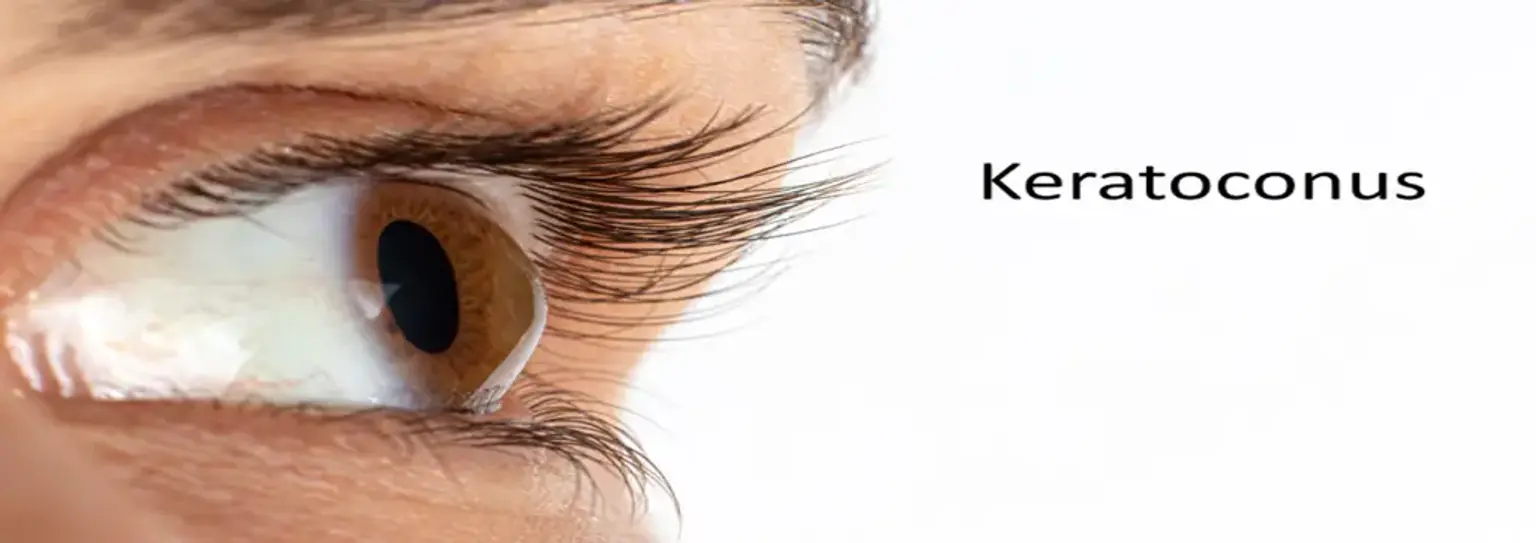

The clinical information regarding Understanding Keratoconus and Its Treatment Options in this article has been rigorously verified against the latest guidelines from the American Academy of Ophthalmology (AAO) and primary research from databases like PubMed. This piece was reviewed for accuracy and patient centric clarity and was last updated in October 2023.
Introduction
introductionKeratoconus is a progressive eye disease that affects the structure of the cornea, causing it to thin and bulge into a cone like shape. This condition can lead to significant vision distortion, impacting daily life for an estimated 1 in every 2,000 individuals worldwide. For those diagnosed or experiencing symptoms, understanding the condition is the first step toward effective management. This guide offers a comprehensive overview of keratoconus, from its underlying causes to the most advanced treatment options available.
What is Keratoconus?
what-is-keratoconus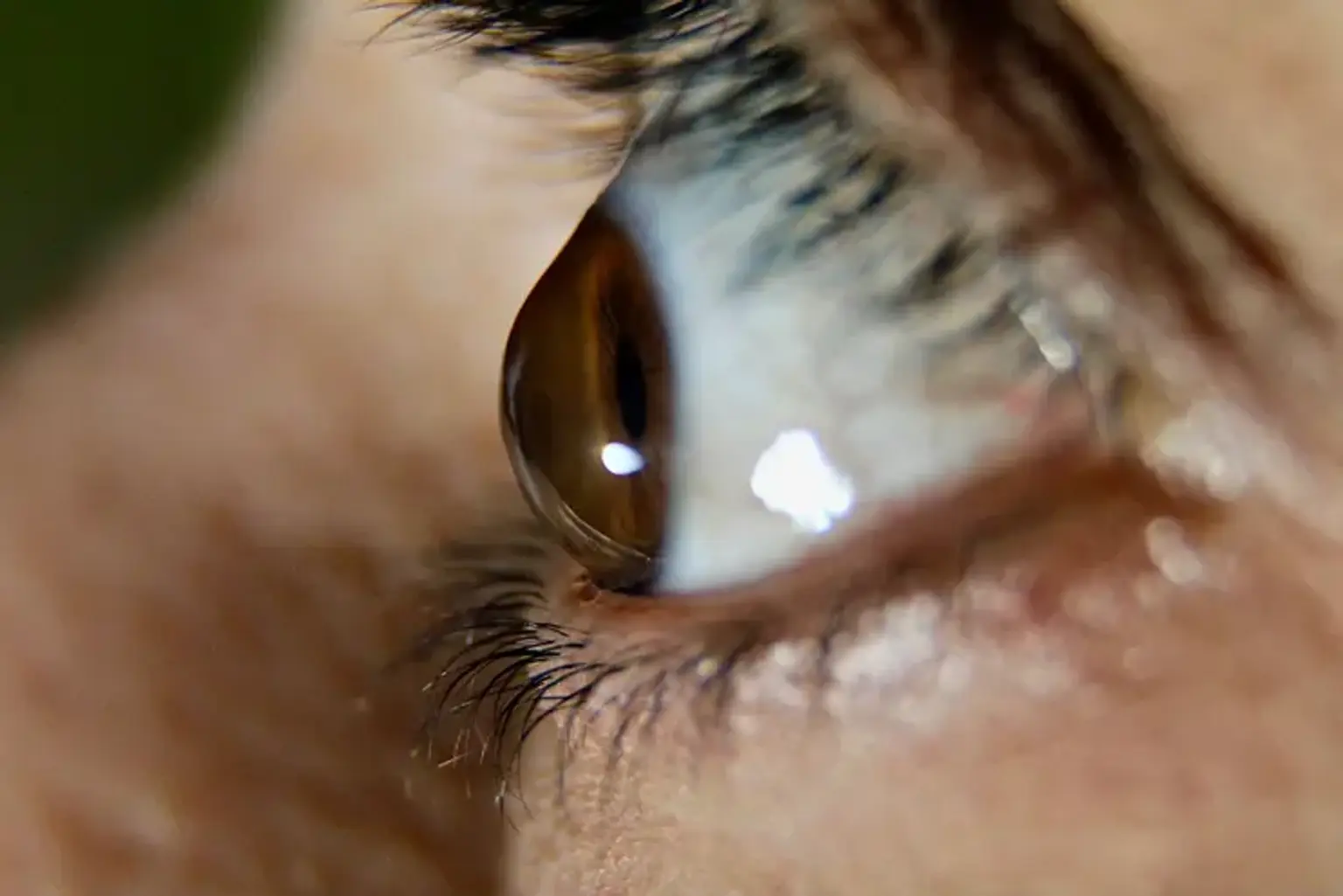
Keratoconus is a non inflammatory eye condition where the normally round, dome shaped cornea progressively thins and begins to bulge outward. The cornea is the eye’s transparent outer layer, responsible for refracting most of the light that enters the eye. The structural integrity of the cornea depends on tiny fibers of a protein called collagen. In individuals with keratoconus, these collagen fibers become weak and are unable to hold the cornea’s shape. As the condition advances, the cornea’s irregular shape deflects light improperly, leading to distorted and blurry vision, as well as increased sensitivity to light and glare.
What are the Common Causes and Risk Factors for Keratoconus?
what-are-the-common-causes-and-risk-factors-for-keratoconusThe exact cause of keratoconus remains unknown, but research suggests a combination of genetic and environmental factors. Key risk factors associated with developing the condition include:
Genetic Predisposition: A family history of keratoconus is a significant risk factor. Approximately 1 in 10 people with keratoconus have a parent who also has the condition.
Chronic Eye Rubbing: Vigorous and frequent eye rubbing over a long period can contribute to the progression of keratoconus by placing mechanical stress on the cornea.
Associated Medical Conditions: Certain systemic diseases are linked to a higher incidence of keratoconus, including Down syndrome, Ehlers Danlos syndrome, and osteogenesis imperfecta.
Allergies and Atopy: Conditions like asthma and eczema that lead to chronic eye irritation and rubbing are more common in patients with keratoconus.
What are the Symptoms and Signs of Keratoconus?
what-are-the-symptoms-and-signs-of-keratoconusThe signs of keratoconus often appear in the late teens or early twenties and can progress for 10 to 20 years before slowing. Symptoms can differ in each eye and may change over time. Common signs include:
Blurry or Distorted Vision: This is the most common initial symptom, often described as ghosting or multiple images.
Increased Sensitivity to Light and Glare: Bright lights can be uncomfortable and cause significant visual difficulty, especially at night.
Frequent Changes in Eyeglass Prescription: A need for new prescriptions at an accelerated rate, particularly with increasing astigmatism, is a classic sign.
Difficulty with Night Vision: The irregular corneal surface scatters light, making it challenging to see clearly in low light conditions.
Sudden Worsening or Clouding of Vision: In advanced cases, a condition called hydrops can occur, where the inner lining of the cornea tears, causing sudden, painful vision loss and corneal clouding.
How is Progressive Keratoconus Diagnosed?
how-is-progressive-keratoconus-diagnosedProgressive keratoconus is diagnosed through a comprehensive eye examination by an ophthalmologist. The first step is a detailed review of the patient's medical and family history, followed by a standard vision test. The definitive diagnosis relies on specialized imaging techniques that map the cornea’s surface and measure its thickness.
The gold standard for diagnosis is corneal topography, also known as corneal mapping. This non invasive imaging test creates a detailed, three dimensional map of the cornea's surface curvature. In keratoconus, this map will reveal characteristic steepening and irregularities indicative of the cone shape. Other diagnostic tools include pachymetry to measure corneal thickness and slit lamp examination to observe for physical signs like Vogt's striae, which are fine stress lines within the cornea.
What are the Most Effective Treatments for Advanced Keratoconus?
what-are-the-most-effective-treatments-for-advanced-keratoconusTreatment for keratoconus depends on the severity and progression of the condition. In its early stages, vision can be corrected with eyeglasses or soft contact lenses. As the disease advances and the cornea becomes more irregular, more specialized treatments are required.
Rigid Gas Permeable (RGP) Lenses: These are often the next step when glasses no longer provide clear vision. RGP lenses create a smooth refractive surface over the irregular cornea, effectively correcting vision.
Scleral Lenses: For more advanced cases, larger diameter scleral lenses that rest on the white part of the eye (the sclera) and vault over the cornea are used. They provide excellent comfort and visual acuity.
Corneal Cross Linking (CXL): This is a minimally invasive procedure designed to halt the progression of keratoconus. It uses a combination of riboflavin (vitamin B2) eye drops and ultraviolet A light to strengthen the collagen fibers in the cornea. CXL is highly effective at preventing further vision loss.
Intacs: These are small, transparent plastic rings inserted into the mid layer of the cornea. They help to flatten the cone, reshaping the cornea to improve vision.
Corneal Transplant (Keratoplasty): In a small percentage of cases where other treatments are ineffective or the cornea is severely scarred, a corneal transplant may be necessary. This involves replacing the patient's damaged cornea with healthy donor tissue.
"For years, the world was a blurry mess of overlapping streetlights and halos. I thought I just needed stronger glasses. Getting diagnosed was scary, but the moment I put in my first pair of custom scleral lenses, the world snapped back into sharp focus. It was life changing." – an anonymous patient, United States.
When Should I See an Eye Doctor for Keratoconus?
when-should-i-see-an-eye-doctor-for-keratoconusYou should schedule an appointment with an ophthalmologist if you experience any persistent changes in your vision. Clear indicators that warrant a specialist visit include:
Rapidly worsening vision that is no longer corrected by your current eyeglasses.
Seeing halos, glare, or ghost images around lights.
A diagnosis of high or irregular astigmatism that changes frequently.
A known family history of keratoconus, even if you are not currently experiencing symptoms.
Early diagnosis and intervention, especially with treatments like corneal cross linking, are crucial for preserving vision and preventing the need for more invasive procedures later.
Recommended Clinics with Relevant Expertise in South Korea
recommended-clinics-with-relevant-expertise-in-south-koreaSouth Korea is home to world class ophthalmology centers specializing in advanced vision correction and the management of complex corneal diseases like keratoconus.
Website | Clinic Name | Best Known For | Address | Contact |
|---|---|---|---|---|
SNU Eye Clinic | University based comprehensive eye care, corneal disease research | Gangnam-gu, Seoul, South Korea | ||
Gangnam Joeunnun Vision Clinic | Advanced vision correction surgery, ICL, LASIK | Gangnam-gu, Seoul, South korea | ||
Jryn Eye Clinic | LASIK, LASEK, Smile, and Presbyopia Correction | Busanjin-gu, Busan, South Korea | ||
Global Ubal Eye Center | Refractive surgery and specialized eye treatments | Jung-gu, Incheon, South Korea | ||
Cha University Bundang Medical Center | Comprehensive hospital with specialized ophthalmology department | Seongnam-si, Gyeonggi-do, South Korea | ||
Chosun University Hospital | University hospital with extensive eye care services | Buk-gu, Gwangju, South Korea | ||
Kangdong Sacred Heart Hospital | Full service hospital with advanced ophthalmology diagnostics | Gangdong-gu, Seoul, South Korea | ||
Samyook Busan Adventist Hospital | General hospital with ophthalmology and patient care services | Busanjin-gu, Busan, South Korea |
Recommended Treatment/Procedure Names with Average Costs in South Korea
recommended-treatmentprocedure-names-with-average-costs-in-south-koreaThe following table provides an overview of common eye procedures and their estimated costs and details in South Korea. Costs can vary based on clinic, surgeon, and patient specific needs.
Treatment/Procedure Name | Duration | Hospitalization? | Avg. Cost (USD) in S. Korea | Contact |
|---|---|---|---|---|
Treatment for Keratoconus | 60 to 90 mins | Not Needed | $1800 to $3000 | |
LASIK | 15 to 20 mins | Not Needed | $1700 to $2500 | |
SMILE Eye Surgery | 15 to 20 mins | Not Needed | $2200 to $3200 | |
LASEK | 15 to 20 mins | Not Needed | $1500 to $2300 | |
Implantable Collamer Lens (ICL) Surgery | 20 to 30 mins | Not Needed | $4500 to $6000 | |
Cataract Surgery (Monofocal) | 20 to 30 mins | Not Needed | $2000 to $3000 | |
Premium Cataract Surgery with IOLs | 20 to 30 mins | Not Needed | $3500 to $5500 | |
Corneal Transplantation Surgery | 1 to 2 hours | Needed (1 day) | $7000 to $12000 | |
Glaucoma Treatment (Laser) | 10 to 15 mins | Not Needed | $800 to $1500 | |
Dry Eye Treatment (IPL/RF) | 15 mins | Not Needed | $200 to $400 | |
Vitreoretinal Surgery | 1 to 3 hours | Needed (1-3 days) | $6000 to $15000 |
What Are Common Questions About Keratoconus?
what-are-common-questions-about-keratoconusThis section addresses the most common practical questions patients have about living with the condition.
1. Can keratoconus lead to blindness?
1.-can-keratoconus-lead-to-blindnessKeratoconus can cause severe vision loss, but it very rarely leads to total blindness. With today's advanced treatments, including specialty contact lenses and surgical options, most patients can maintain useful vision throughout their lives. Halting progression with corneal cross linking is key.
2. Is keratoconus hereditary?
2.-is-keratoconus-hereditaryThere is a clear genetic component to keratoconus. While most people with the condition do not have a known family history, having a first degree relative like a parent or sibling with keratoconus increases your risk significantly.
3. Can diet or supplements help with keratoconus?
3.-can-diet-or-supplements-help-with-keratoconusCurrently, there is no scientific evidence to suggest that diet or nutritional supplements can prevent, stop, or reverse keratoconus. The most effective treatment to strengthen the cornea is corneal cross linking, which uses riboflavin (vitamin B2) applied directly to the eye, not taken orally.
4. Can I have LASIK if I have keratoconus?
4.-can-i-have-lasik-if-i-have-keratoconusNo, LASIK and other similar laser vision correction procedures like SMILE or LASEK are contraindicated for patients with keratoconus. These procedures involve reshaping the cornea by removing tissue, which would further weaken an already compromised cornea and could accelerate the progression of the disease.
5. Can keratoconus be cured completely or only managed?
5.-can-keratoconus-be-cured-completely-or-only-managedKeratoconus is considered a chronic condition that is managed, not cured. The primary goal of treatment is to halt its progression and provide clear, functional vision. Corneal cross linking can stop the disease from worsening, while specialty lenses and other procedures can correct the vision distortion caused by the irregular corneal shape.
6. Does eye rubbing really make keratoconus worse?
6.-does-eye-rubbing-really-make-keratoconus-worseYes, there is a strong association between chronic, vigorous eye rubbing and the progression of keratoconus. The mechanical stress from rubbing can weaken the corneal structure. Patients are strongly advised to avoid rubbing their eyes and to seek treatment for underlying allergies or irritants that cause the urge to rub.
Your Path to Clearer Vision Starts Here!
your-path-to-clearer-vision-starts-hereNavigating a diagnosis of keratoconus can be daunting, but you are not alone. Taking the first step towards a professional consultation is crucial for protecting your sight and improving your quality of life. The expert ophthalmology teams at top South Korean clinics are equipped with the latest diagnostic and treatment technologies. Through a service like CloudHospital, you can ensure a seamless and transparent process with a dedicated Care Manager to support you from your initial inquiry to your post treatment recovery. And Start Your Confidential Inquiry to receive a personalized treatment plan and explore your options for a brighter, clearer future.