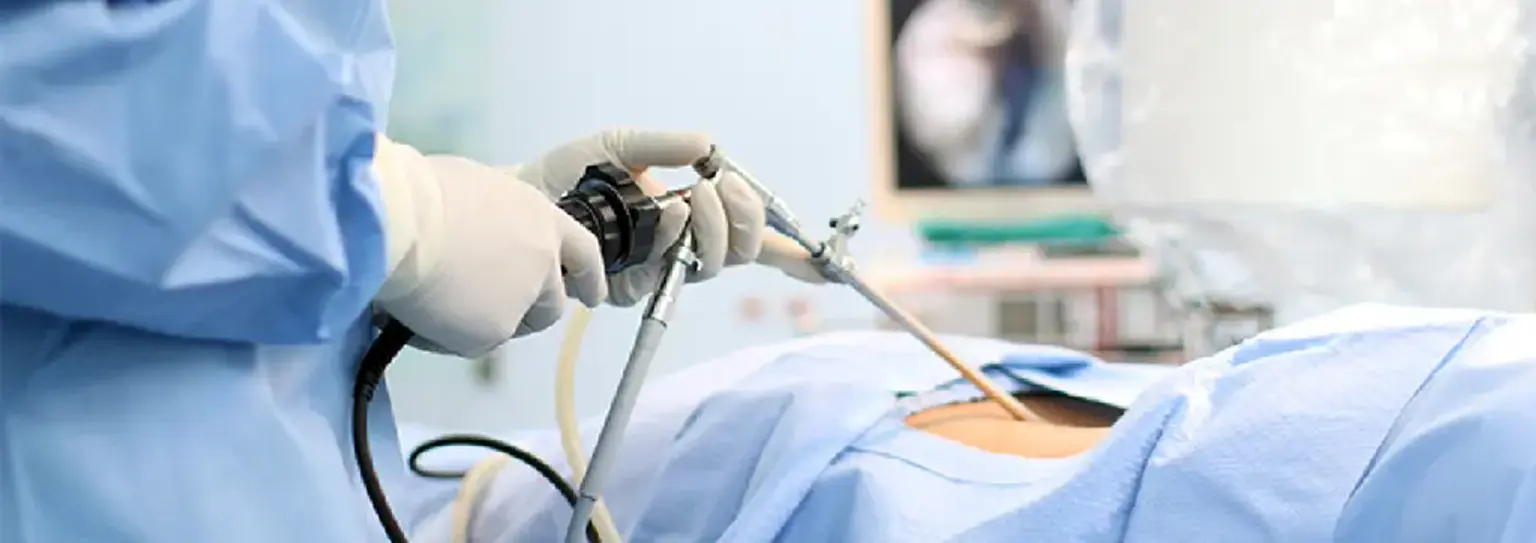

The clinical information regarding The Advanced Techniques of Laparoscopic Fallopian Tube Removal in Korea in this article has been rigorously verified against the latest guidelines from the American College of Obstetricians and Gynecologists (ACOG) and primary research from databases like PubMed. This piece was reviewed for accuracy and patient-centric clarity and was last updated in May 2024.
Introduction
introductionUndergoing laparoscopic fallopian tube removal is a significant step in managing various gynecological conditions or for permanent contraception. A successful outcome depends heavily on the care taken after the procedure. This guide will provide a comprehensive, step-by-step overview of the recovery process, from the first 24 hours to long-term management, to ensure a smooth and effective healing journey.
What to Expect Immediately After Fallopian Tube Surgery?
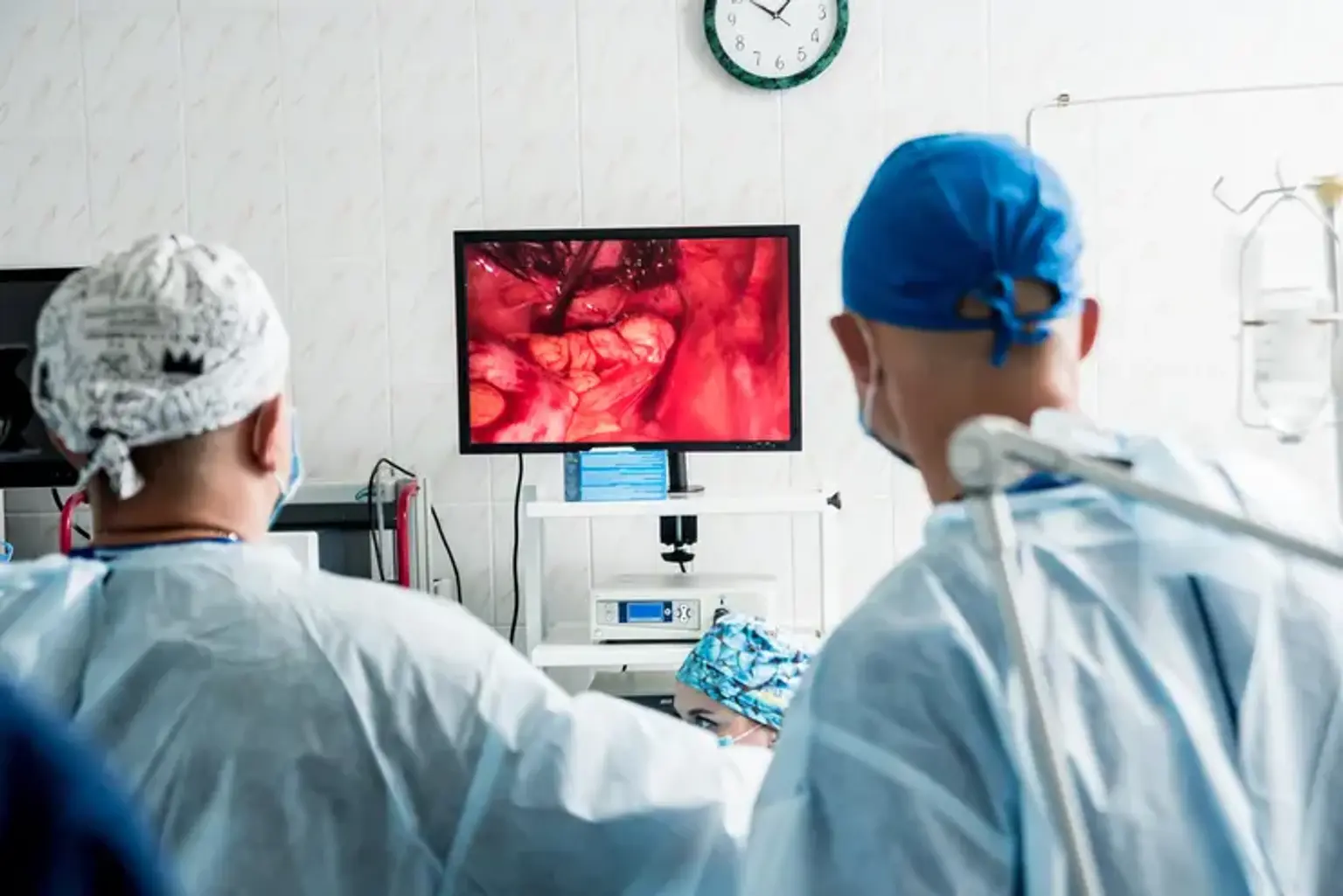
what-to-expect-immediately-after-fallopian-tube-surgeryImmediately after laparoscopic fallopian tube removal, patients will typically be monitored in a recovery room for a few hours as they wake from general anesthesia. Initial sensations may include grogginess, mild nausea, and discomfort at the incision sites. Clinical staff will closely monitor vital signs, pain levels, and any signs of complications such as excessive bleeding or adverse reactions to anesthesia. Mobility will be limited initially, but patients are often encouraged to try to sit up or take short walks with assistance to aid circulation and prevent complications like blood clots. Pain management will begin with prescribed oral medication.
How Long is Recovery After Laparoscopic Fallopian Tube Removal for the First Month?
how-long-is-recovery-after-laparoscopic-fallopian-tube-removal-for-the-first-monthThe recovery timeline for the first month after laparoscopic salpingectomy involves distinct phases of healing and gradual return to normal activities.
Week 1: Initial Healing and Essential Care
week-1:-initial-healing-and-essential-careDuring the first week, the focus is on managing pain and protecting the incision sites. Expected symptoms include mild to moderate pain, bloating from residual CO2 gas used during surgery, and slight bruising around the small abdominal incisions.
Pain Management: Adhere strictly to the prescribed pain medication schedule. Over-the-counter pain relievers like ibuprofen may be used for milder discomfort after consulting your doctor.
Incision Care: Keep incision sites clean and dry. Follow your surgeon’s specific instructions for dressing changes. Avoid baths; showers are usually permitted.
Activity Restrictions: Avoid heavy lifting (anything over 10 pounds), strenuous exercise, and sexual intercourse. Rest is crucial for healing. Gentle walking is encouraged to promote circulation.
Diet: Start with light, easily digestible foods to avoid constipation, a common side effect of anesthesia and pain medication. Increase fluid intake.
Weeks 2-4: Gradual Resumption of Activities and Symptom Resolution
weeks-2-4:-gradual-resumption-of-activities-and-symptom-resolutionAs you progress into weeks 2-4, pain should significantly decrease, and bloating will subside. Incisions should be healing well.
Activity: Light activities and walking can be increased. Most patients can return to light desk work by week 2.
Exercise: Gradually reintroduce moderate exercise, such as brisk walking, but continue to avoid high-impact activities or abdominal exercises until cleared by your surgeon.
Sexual Activity: Typically, sexual activity can be resumed after 2-4 weeks, once all bleeding has stopped and discomfort has resolved.
Follow-up: A follow-up appointment is usually scheduled around 2-4 weeks post-surgery to check on healing and address any concerns.
How Do I Manage Common Side Effects Like Pain and Swelling?
how-do-i-manage-common-side-effects-like-pain-and-swellingManaging common post-procedure issues effectively is key to a comfortable recovery.
Pain and Discomfort:
pain-and-discomfort:Pain at the incision sites and generalized abdominal discomfort are normal. Use prescribed pain relievers as directed. Applying a warm compress to the abdomen can help alleviate gas pain and muscle soreness. Report any sudden, severe, or worsening pain to your doctor immediately.
Swelling and Bruising:
swelling-and-bruising:Mild swelling and bruising around the incision areas are common. This usually resolves within a few weeks. Elevating your upper body slightly when lying down and applying a cold pack indirectly, not directly on incisions for short periods can help reduce swelling.
Shoulder Pain:
shoulder-pain:Referred shoulder pain is a common side effect of the CO2 gas used to inflate the abdomen during laparoscopic surgery. The gas can irritate the diaphragm, and the pain is felt in the shoulder. Gentle walking and peppermint tea can help move the gas along and alleviate this discomfort.
What Long-Term Care is Needed to Maintain My Results?
what-long-term-care-is-needed-to-maintain-my-resultsLong-term care after laparoscopic fallopian tube removal focuses on overall well-being and managing any underlying conditions that necessitated the surgery, such as endometriosis or ectopic pregnancy.
Activity and Exercise:
activity-and-exercise:Once fully recovered typically 4-6 weeks post-surgery you can generally resume all normal activities, including strenuous exercise. Listen to your body and gradually increase intensity.
Scar Management:
scar-management:The small incisions from laparoscopic surgery usually heal with minimal scarring. Keeping the scars protected from sun exposure for at least a year can help them fade better. Silicone sheets or gels may be recommended for optimal scar appearance.
Follow-Up Appointments:
follow-up-appointments:Regular gynecological check-ups are essential for long-term health. If the surgery was performed for a specific condition like hydrosalpinx or endometriosis, your doctor will advise on ongoing management and monitoring.
What Are the Best Tips for a Smooth Recovery?
what-are-the-best-tips-for-a-smooth-recoveryOptimizing your recovery environment and approach can significantly enhance your healing process.
Preparing your recovery space at home:
preparing-your-recovery-space-at-home:Before your surgery, set up a comfortable recovery area. This might include easy access to water, medications, entertainment, and comfortable clothing. Ensure essential items are within reach to minimize bending and stretching.
The role of nutrition and hydration:
the-role-of-nutrition-and-hydration:A healthy diet rich in protein, vitamins, and fiber supports wound healing and helps prevent constipation. Stay well-hydrated to aid recovery and prevent dehydration.
Leveraging your support system (family and friends):
leveraging-your-support-system-(family-and-friends):Don't hesitate to ask for help with daily tasks, childcare, or meal preparation during your initial recovery. Having a strong support system can reduce stress and allow you to focus on healing.
Patient story: "It was such a relief to wake up and know the procedure was done. The nurses were incredibly kind, and the clear instructions for caring for my incisions made me feel confident I was doing everything right. Every day I felt a little stronger, and within a few weeks, I was back to my normal routine, feeling so much better." – An anonymous patient, South Korea.
Recommended Clinics with Relevant Expertise in South Korea
recommended-clinics-with-relevant-expertise-in-south-koreaWebsite | Clinic Name | Best Known For | Address | Contact |
|---|---|---|---|---|
Kyung Hee University Medical Center | Offers laparoscopic surgery within its Department of Gynecology | Dongdaemun-gu, Seoul, South Korea | ||
Helen Women’s Obstetrics & Gynecology Clinic | Provides combined and individual hysteroscopy/laparoscopy treatments | Songpa-gu, Seoul, South Korea | ||
Seoul Miz Hospital | Offers both procedures, including combined hysteroscopy-laparoscopy surgery | Gangdong-gu, Seoul, South Korea | ||
Asan Medical Center | Top-tier hospital with full OB/GYN services and minimally invasive surgery | Songpa‑gu, Seoul, South Korea | ||
HI Fertility Clinic | Specializes in fertility care with hysteroscopy and laparoscopy options | Gangseo-gu, Seoul, South Korea | ||
Seoul National University Hospital | Premier academic hospital, top-tier surgical care | Gangnam-gu, Seoul, South Korea | ||
Goeunbit Women’s Clinic | Offers diagnostic and surgical hysteroscopy and laparoscopy procedures | Songpa‑gu, Seoul, South Korea | ||
MariaPlus (Songpa) Fertility Hospital | Provides advanced reproductive surgeries including both procedures | Songpa‑gu, Seoul, South Korea |
Recommended Treatment/Procedure Names with Average Costs in South Korea
recommended-treatmentprocedure-names-with-average-costs-in-south-koreaTreatment/Procedure Name | Duration | Hospitalization | Avg Cost Range (USD) in S. Korea | Contact |
|---|---|---|---|---|
Gynecological Surgery | 1-4 hours | Needed (1-3 days) | $2,500 - $8,000 | |
Vaginal Aesthetic and Reconstructive Treatments | 1-2 hours | Not Needed | $1,000 - $5,000 | |
Labiaplasty | 1-2 hours | Not Needed | $2,000 - $4,500 | |
Vaginal Tightening | 30-60 mins | Not Needed | $1,500 - $3,500 | |
Vaginal Mucosa Correction Injections | 30 mins | Not Needed | $500 - $1,500 | |
Clitoral Pop Filler Treatments | 30-45 mins | Not Needed | $700 - $2,000 | |
Non-Invasive Vaginal Aesthetic Procedures | 30-60 mins | Not Needed | $800 - $2,500 | |
Vulvar Whitening | 45-60 mins | Not Needed | $600 - $1,800 | |
Hormone Replacement Therapy | 30-45 mins | Not Needed | $100 - $300 | |
Endometriosis Management | 1-3 hours | Needed | $3,000 - $10,000 | |
Women's Disease and Menopause | 30-60 mins | Not Needed | $100 - $300 | |
Menstrual and Hormonal Disorders Treatments | 30-60 mins | Not Needed | $150 - $500 | |
Contraception and Miscarriage Care | 1 hour | Not Needed | $50 - $5,000 |
What Other Questions Do Patients Have About Recovery After Salpingectomy?
what-other-questions-do-patients-have-about-recovery-after-salpingectomyThis section addresses the most common practical questions patients have about their day-to-day life during recovery.
1. When can I safely return to work after laparoscopic fallopian tube removal?
1.-when-can-i-safely-return-to-work-after-laparoscopic-fallopian-tube-removalMost patients can return to light desk work within 1-2 weeks. If your job involves heavy lifting or strenuous physical activity, you may need to take 4-6 weeks off or seek modified duties until you are fully recovered and cleared by your surgeon.
2. How should I sleep after my fallopian tube procedure?
2.-how-should-i-sleep-after-my-fallopian-tube-procedureSleeping on your back is generally recommended for the first few days to a week to minimize pressure on your abdomen and incision sites. Using pillows to support your head and knees can increase comfort. If you typically sleep on your side, placing a pillow between your knees can help.
3. Is it normal to feel emotional or depressed during recovery from laparoscopic surgery?
3.-is-it-normal-to-feel-emotional-or-depressed-during-recovery-from-laparoscopic-surgeryIt is very common to experience emotional fluctuations, fatigue, or even mild depression after surgery. Hormonal changes, pain, and the stress of recovery can all contribute. Ensure you get adequate rest, maintain a healthy diet, and communicate your feelings with loved ones and your healthcare provider. If these feelings are persistent or severe, seek professional support.
4. Can I drive after a laparoscopic fallopian tube removal?
4.-can-i-drive-after-laparoscopic-fallopian-tube-removalYou should not drive while taking narcotic pain medication, as it can impair your reaction time and judgment. Generally, you can resume driving when you are no longer taking strong pain medication, can comfortably operate the vehicle, and can perform an emergency stop without pain. This is typically 1-2 weeks after surgery.
5. What are the long-term effects of fallopian tube removal on my menstrual cycle or hormones?
5.-what-are-the-long-term-effects-of-fallopian-tube-removal-on-my-menstrual-cycle-or-hormonesIf only the fallopian tubes are removed salpingectomy and the ovaries are left intact, your hormone production and menstrual cycle should not be affected. The ovaries continue to produce hormones. If both ovaries are removed oophorectomy along with the fallopian tubes, this would induce surgical menopause, leading to hormonal changes and cessation of periods.
6. Can I get pregnant after a partial salpingectomy or if one fallopian tube is removed?
6.-can-i-get-pregnant-after-partial-salpingectomy-or-if-one-fallopian-tube-is-removedIf only one fallopian tube is removed unilateral salpingectomy and the other remains healthy and patent, pregnancy is still possible naturally. If a partial salpingectomy was performed for an ectopic pregnancy, there may be a slightly increased risk of future ectopic pregnancies in the remaining tube. Discuss your fertility plans with your doctor.
7. What are the risks of salpingectomy?
7.-what-are-the-risks-of-salpingectomyWhile generally safe, salpingectomy carries risks, including bleeding, infection, damage to surrounding organs like bowel, bladder complications from anesthesia, and rare cases of persistent pain. The overall complication rate for laparoscopic gynecological surgery is low.
What Warning Signs Require a Call to My Doctor?
what-warning-signs-require-a-call-to-my-doctorIt is crucial to be aware of warning signs that indicate a potential complication and require immediate medical attention.
Signs of infection: Increasing redness, warmth, swelling, pus-like discharge from incision sites, or a fever over 100.4°F (38°C).
Excessive bleeding: Soaking more than one sanitary pad per hour, or passing large clots.
Severe or worsening pain: Pain that is not relieved by prescribed medication, or sudden, sharp, increasing abdominal pain.
Persistent nausea or vomiting.
Difficulty breathing or chest pain.
Swelling, redness, or pain in one leg: Could indicate a blood clot.
Inability to pass urine or stool.
Navigate Your Recovery with Confidence: Start Your Inquiry Today!
navigate-your-recovery-with-confidence:-start-your-inquiry-todayTaking the step towards laparoscopic fallopian tube removal is a choice for your health and future. Ensure your recovery is as smooth and comfortable as possible by partnering with world-class medical facilities. Inquire about advanced care options at leading clinics in South Korea, or connect directly with CloudHospital for personalized assistance. Our dedicated Care Managers provide seamless, transparent support from your initial inquiry through post-recovery. Get a Free Personalized Treatment Plan and embark on your healing journey with expert guidance.