
The clinical information regarding Non Invasive Vaginal Treatments in this article has been rigorously verified against the latest guidelines from the American College of Obstetricians and Gynecologists ACOG and primary research from databases like PubMed. This piece was reviewed for accuracy and patient centric clarity and was last updated in October 2023.
Introduction
introduction
Women seek non invasive vaginal treatments for a variety of reasons including changes after childbirth or during menopause. Conditions such as vaginal laxity, dryness, and mild stress urinary incontinence can impact quality of life. The two leading technologies in this field are energy based devices: lasers and radiofrequency. Choosing between them is a significant decision. This guide provides a clear, objective comparison to help you understand the technology, benefits, and suitability of each option to make an informed choice for your health and wellbeing.
What are the benefits of non surgical vaginal rejuvenation?
what-are-the-benefits-of-non-surgical-vaginal-rejuvenationNon surgical vaginal rejuvenation offers significant benefits by using targeted energy to stimulate the body's natural healing processes. The primary mechanism is stimulating the production of new collagen and elastin fibers in the vaginal tissues.
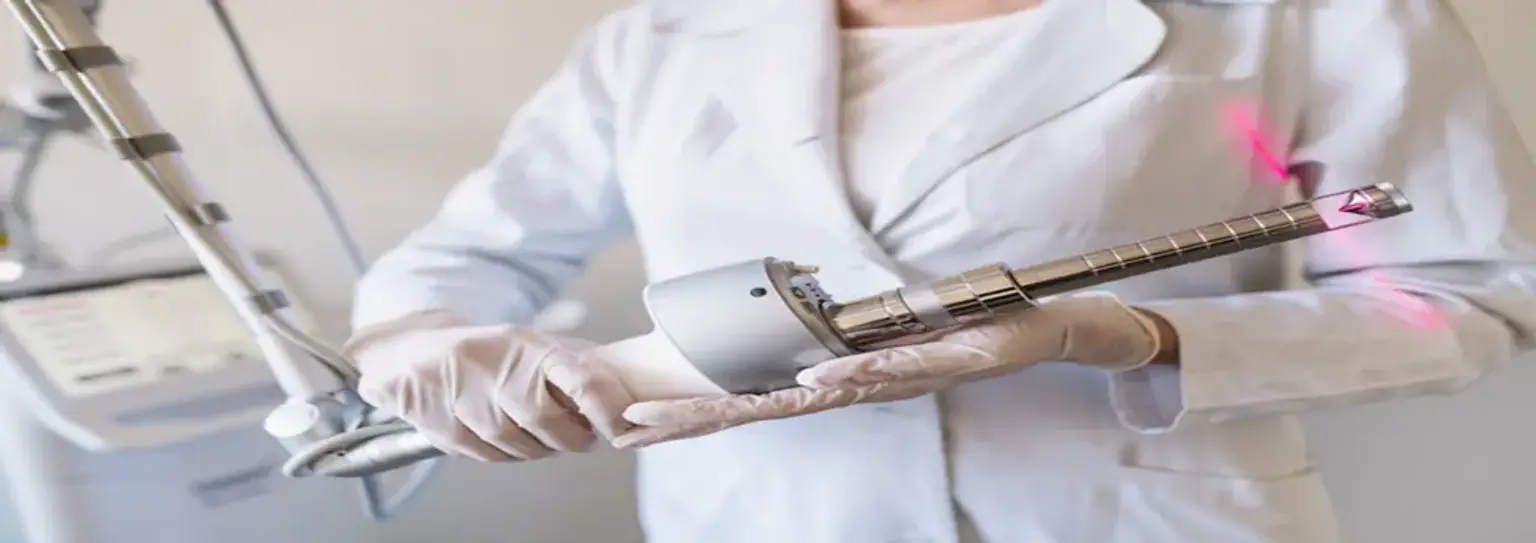
For Laser Treatments: These use light energy to create microscopic channels in the tissue. This process triggers a robust healing response, leading to tissue remodeling, improved lubrication, and increased tightness. There are two main types:
CO2 Lasers: These are ablative, meaning they vaporize a micro thin layer of tissue, which prompts a strong collagen regeneration response. They are often considered for more significant symptoms.
Er:YAG Lasers: These are typically non ablative or mildly ablative, heating the tissue without vaporizing it. This results in less downtime and is suitable for mild to moderate concerns.
For Radiofrequency RF Treatments: These use electromagnetic waves to generate deep, uniform heat in the tissues. This controlled heating contracts existing collagen fibers for an immediate tightening effect and stimulates long term production of new collagen. RF is non ablative and known for its ability to penetrate deeper tissues safely. Ideal candidates for either therapy are typically women experiencing Genitourinary Syndrome of Menopause GSM, postpartum vaginal laxity, or mild to moderate vaginal atrophy and dryness.
What is the difference between CO2 and RF vaginal treatment?
what-is-the-difference-between-co2-and-rf-vaginal-treatmentThe core difference lies in the type of energy used and how it interacts with the vaginal tissue. CO2 laser treatment is an ablative procedure that resurfaces the vaginal lining, while RF treatment is non ablative and uses deep heating to remodel tissue from within. This distinction leads to differences in candidacy, recovery, and the specific conditions each is best suited to treat.
Feature | Laser Vaginal Rejuvenation (CO2 & Er:YAG) | Radiofrequency RF Vaginal Tightening |
|---|---|---|
Primary Mechanism | Uses light energy for micro ablation or thermal effect on surface tissue. | Uses radiofrequency energy for deep, uniform bulk heating of tissue. |
Primary Target | Vaginal mucosa surface, improving lubrication and texture. | Deeper layers of the vaginal wall, improving tightness and support. |
Best For | Vaginal atrophy, severe dryness, mild incontinence, surface laxity. | Moderate vaginal laxity, improving sensation, mild incontinence. |
Treatment Feel | Mild to moderate heat, slight stinging or prickling sensation. | A gentle, deep warming sensation. Generally considered very comfortable. |
Sessions Required | Typically 2 to 3 sessions, spaced 4 to 6 weeks apart. | Typically 3 sessions, spaced 4 to 6 weeks apart. |
Downtime | 3 to 7 days of pelvic rest. No intercourse or tampon use. | 24 to 72 hours of pelvic rest. Minimal downtime is a key advantage. |
Results Onset | Initial improvement after first session, full results after 3 months. | Some immediate tightening effect, with full results developing over 3 months. |
How do I choose the right option for me?
how-do-i-choose-the-right-option-for-meMaking the right choice depends entirely on your primary symptoms, anatomy, and lifestyle preferences. A consultation with a qualified gynecologist is essential for a personalized recommendation.
You might prefer Laser Vaginal Rejuvenation if:
Your main concern is significant vaginal dryness or pain during intercourse related to vaginal atrophy.
You are seeking improvement in the surface texture and lubrication of the vaginal canal.
You can accommodate a few days of downtime and pelvic rest after each session.
You might prefer Radiofrequency Vaginal Tightening if:
Your primary concern is a feeling of vaginal looseness or laxity.
You want to enhance sexual sensation for yourself or your partner.
You desire a treatment with minimal to no downtime and can return to most activities immediately.
"After my second child, things just didn't feel the same. I was worried about a long recovery. I chose the radiofrequency treatments because my doctor explained the downtime was almost zero. The decision was right for me; the process was comfortable and the improvement in tone was exactly what I was hoping for without disrupting my life." – An anonymous patient, United States
Recommended Clinics with Relevant Expertise in South Korea
recommended-clinics-with-relevant-expertise-in-south-koreaSouth Korea is a global leader in advanced aesthetic and gynecological procedures. The clinics below are noted for their expertise in women's health and wellness treatments.
Website | Clinic Name | Best Known For | Address | Contact |
|---|---|---|---|---|
Second Spring Women's Clinic | Vaginal Aesthetic and Reconstructive Treatments | Gangnam-gu, Seoul, South Korea | ||
Seoul Miz Hospital | Comprehensive Women's Disease and Menopause Care | Gangdong-gu, Seoul, South Korea | ||
MariaPlus Fertility Hospital | Fertility Treatments and Hormonal Disorders | Songpa-gu, Seoul, South Korea | ||
Asan Medical Center | Major Gynecological Surgery and Women's Health | Songpa-gu, Seoul, South Korea | ||
Goeunbit Women’s Clinic | Menstrual and Hormonal Disorder Treatments | Songpa-gu, Seoul, South Korea | ||
MizMedi Hospital | High Risk Pregnancy and Women's Disease Management | Gangseo-gu, Seoul, South Korea | ||
HI Fertility Clinic | Specialized Fertility and Contraception Care | Gangseo-gu, Seoul, South Korea | ||
Helen Women’s Obstetrics & Gynecology Clinic | General Obstetrics and Gynecology Services | Songpa-gu, Seoul, South Korea |
Recommended Treatment and Procedure Costs in South Korea
recommended-treatment-and-procedure-costs-in-south-koreaThe following table provides an overview of common gynecological procedures and their estimated costs. Note that non invasive treatments like laser and RF are often priced per session or as a package of multiple sessions.
Treatment/Procedure Name | Duration | Hospitalization? | Avg. Cost (USD) in S. Korea | Contact |
|---|---|---|---|---|
Non Invasive Vaginal Tightening (Laser/RF) | 20 to 30 mins | Not Needed | $800 to $1500 | |
Vaginal Mucosa Correction Injections | 30 mins | Not Needed | $1000 to $2000 | |
Clitoral Pop Filler Treatments | 30 mins | Not Needed | $800 to $1500 | |
Vulvar Whitening | 30 to 45 mins | Not Needed | $500 to $1000 | |
Labiaplasty | 1 to 2 hours | Not Needed | $2500 to $4500 | |
Hormone Replacement Therapy | 15–30 mins | Not Needed | $200 - $500 | |
Gynecological Surgery (Myomectomy) | 1 to 3 hours | Needed (2 to 4 days) | $6000 to $12000 | |
Endometriosis Management | 2 - 4 hours | Not Needed | $7,000 - $15,000 |
What else should I consider when choosing?
what-else-should-i-consider-when-choosingBeyond the core technology, several factors will influence your decision and overall satisfaction with the outcome.
1. What is recovery like for laser vaginal treatments compared to RF?
1.-what-is-recovery-like-for-laser-vaginal-treatments-compared-to-rfRecovery is a key differentiator. After a laser treatment, patients are typically advised 3 to 7 days of pelvic rest. This means no sexual intercourse, tampons, or bathing in tubs. Some mild discharge or spotting is possible. For RF treatments, the downtime is significantly less. Most physicians recommend just 24 to 72 hours of pelvic rest, with patients able to resume all other normal activities immediately.
2. Which option is considered safer overall?
2.-which-option-is-considered-safer-overallBoth laser and radiofrequency treatments have excellent safety profiles when performed by a trained and experienced medical professional. The risk of adverse events is low. Because RF is non ablative, it is generally associated with a lower risk of side effects like infection or prolonged discharge compared to ablative CO2 lasers. The most important safety factor is the skill of your provider.
3. Can these treatments help with urinary incontinence?
3.-can-these-treatments-help-with-urinary-incontinenceYes, both treatments can improve symptoms of mild to moderate stress urinary incontinence SUI. By strengthening and remodeling the tissue of the vaginal wall, they provide better support for the urethra. This increased support can reduce or eliminate urine leakage that occurs during coughing, sneezing, or exercise. A success rate of 60 to 75 percent improvement in SUI symptoms has been reported in various studies.
4. Are non invasive vaginal rejuvenation results permanent?
4.-are-non-invasive-vaginal-rejuvenation-results-permanentThe results are long lasting but not permanent. The treatments stimulate your body to produce new, healthy tissue, but the natural aging process will continue. Most patients experience benefits for one to two years or longer. To maintain results, a single annual or biannual touch up session is often recommended.
5. Does insurance cover these treatments?
5.-does-insurance-cover-these-treatmentsIn most cases, these treatments are considered elective or cosmetic and are not covered by insurance. However, if the treatment is deemed medically necessary to address a diagnosed condition like severe Genitourinary Syndrome of Menopause GSM or significant SUI, some level of coverage may be possible. It is crucial to check with your insurance provider directly.
Your Path to Renewed Confidence Begins Here!
your-path-to-renewed-confidence-begins-hereChoosing the right treatment is a personal decision that can significantly enhance your comfort and quality of life. The highly skilled specialists in South Korea are ready to provide a personalized assessment and guide you toward the best solution for your unique needs. By taking the next step through CloudHospital, you can access a seamless, transparent process with a dedicated Care Manager to support you from your initial questions to your post treatment care. And Start Your Confidential Inquiry.