

The clinical information regarding Steve Jobs’ Journey with Pancreatic Cancer in this article has been rigorously verified against the latest guidelines from the National Cancer Institute (NCI) and primary research from databases like PubMed. This piece was reviewed for accuracy and patient-centric clarity and was last updated in November 2023.
Introduction
introductionThe story of Steve Jobs, the visionary co founder of Apple, is one of unparalleled innovation. His public battle with a rare form of pancreatic cancer, however, offers a different kind of legacy a complex, cautionary tale filled with profound lessons for any patient navigating a serious diagnosis. While his outcome was tragic, a careful examination of his journey provides critical insights into the importance of evidence based medicine, timely intervention, and the evolving landscape of cancer care. This is not a story of what went wrong, but of what we can learn to get it right.
What Type of Pancreatic Cancer Did Steve Jobs Have?
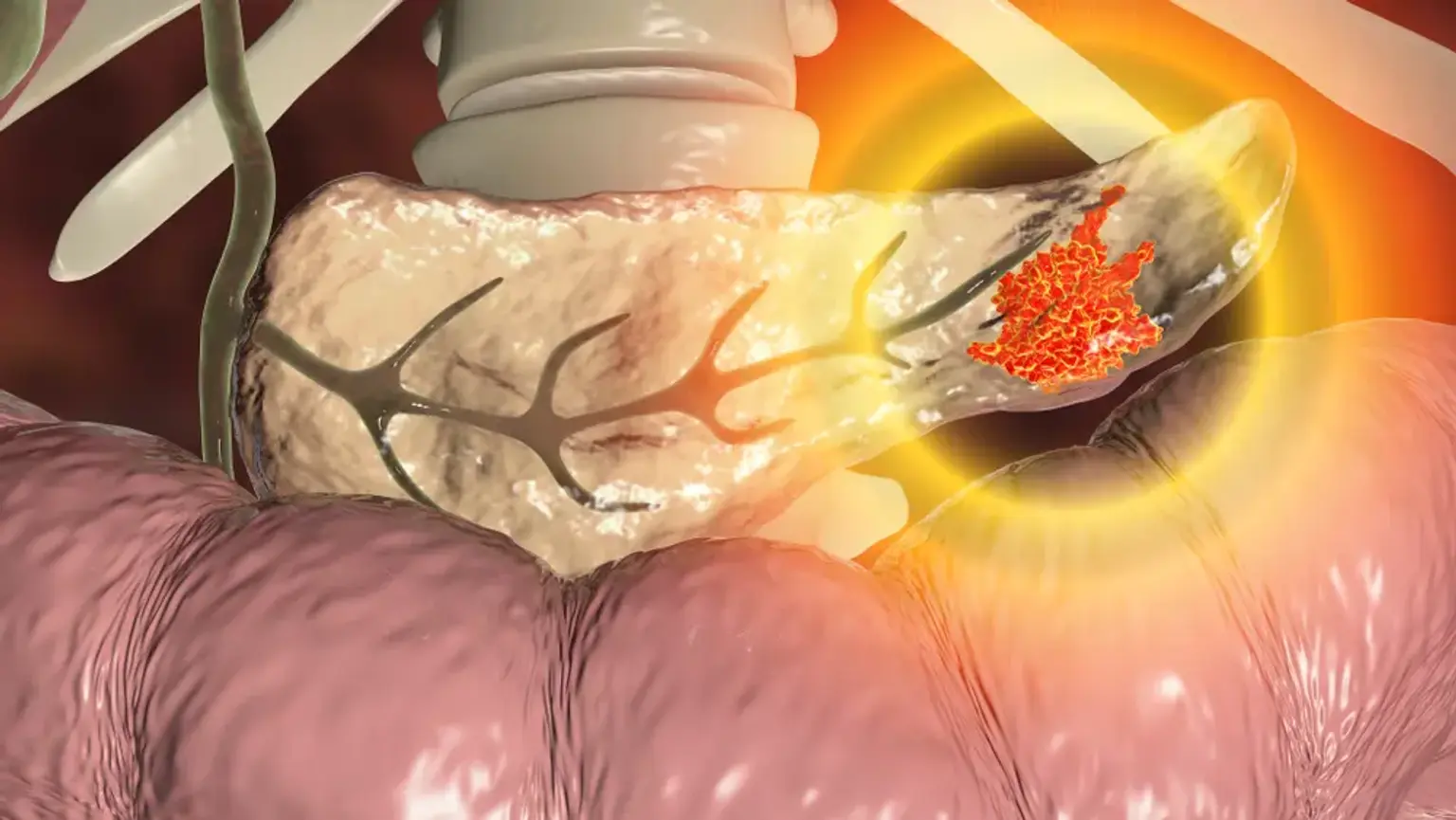
what-type-of-pancreatic-cancer-did-steve-jobs-haveThe first critical lesson is that not all pancreatic cancers are the same. Steve Jobs was diagnosed with a pancreatic neuroendocrine tumor (pNET), also known as an islet cell tumor. This is a crucial distinction.
A pNET is vastly different from the more common form of pancreatic cancer, adenocarcinoma, which accounts for over 90% of cases and has a much more aggressive course.
Pancreatic Adenocarcinoma: Arises from the exocrine cells that produce digestive enzymes. It is highly aggressive and often diagnosed at a late stage.
Pancreatic Neuroendocrine Tumor (pNET): Arises from the endocrine hormone producing islet cells. These tumors are often slow growing and have a significantly better prognosis if caught before they spread.
Jobs' diagnosis was, in a sense, a fortunate one. He had a treatable form of cancer that was discovered incidentally during an abdominal scan in 2003. This early detection gave him a powerful advantage that many cancer patients do not have.
Why Did Steve Jobs Delay Conventional Cancer Surgery?
why-did-steve-jobs-delay-conventional-cancer-surgeryDespite having a slow-growing, surgically curable tumor, Steve Jobs famously delayed the recommended surgery for nine months. He chose instead to pursue alternative therapies, including acupuncture, dietary changes, and herbal remedies.
This decision is perhaps the most debated aspect of his medical journey. From a medical standpoint, the recommended treatment for a localized pNET is surgical resection an operation like the Whipple procedure which offers a high chance of a complete cure. The delay allowed the tumor time to potentially grow and metastasize spread. His biographer, Walter Isaacson, later quoted Jobs as expressing regret over this decision. This highlights a vital lesson the critical importance of embracing evidence-based medicine promptly, especially when a curative treatment is available.
What Treatments Did Steve Jobs Eventually Receive for His Cancer?
what-treatments-did-steve-jobs-eventually-receive-for-his-cancerAfter nine months, Jobs did proceed with conventional medicine, undergoing a range of sophisticated treatments over the next several years as his disease progressed.
Surgery (2004): He underwent a successful surgery, likely a modified Whipple procedure, to remove the primary tumor in his pancreas.
Liver Transplant (2009): By 2009, the cancer had metastasized to his liver. He received a liver transplant in Memphis, Tennessee, a procedure sometimes used for neuroendocrine tumors confined to the liver.
Molecular Sequencing (2011): In a pioneering move for the time, Jobs became one of the first people in the world to have the entire DNA of his cancer tumor and his normal DNA sequenced. This allowed his doctors to identify specific genetic mutations driving his cancer and select targeted therapy drugs designed to attack those pathways.
Advanced Therapies: He reportedly received cutting-edge treatments, including radionuclide therapy similar to modern PRRT Peptide Receptor Radionuclide Therapy, which specifically targets neuroendocrine tumor cells.
His willingness to embrace the most advanced scientific treatments later in his journey demonstrates a powerful contrast to his initial hesitation.
Could Steve Jobs Have Survived with Earlier Treatment?
could-steve-jobs-have-survived-with-earlier-treatmentThis is the unavoidable and difficult question. While no outcome is certain, the medical consensus is that his prognosis would have been substantially better had he undergone surgery immediately in 2003. A study on surgically treated pNETs showed a 5-year survival rate of 77% for patients with localized disease.
By delaying surgery, the tumor was given a crucial window to potentially spread microscopic cells to other organs, primarily the liver. Once the cancer had metastasized, it was no longer curable, only manageable. His story serves as a stark reminder that for many cancers, time is the single most critical variable in determining the potential for a cure.
"Watching high-profile stories unfold, I realized you can't afford to wait or second-guess when it comes to a diagnosis like this. My family and I decided to be aggressive from day one. We sought out the best technology and a team that specialized in my exact condition, even if it meant traveling. That decision to act decisively, based on science, not fear, gave me my future back." – an anonymous patient, United Kingdom.
What Are the Most Advanced Treatments for Neuroendocrine Tumors Now?
what-are-the-most-advanced-treatments-for-neuroendocrine-tumors-nowThe field of oncology has advanced significantly since Jobs' death in 2011. Today, patients with pNETs have even more sophisticated options, many of which are available at top international centers.
Peptide Receptor Radionuclide Therapy (PRRT): This is a form of targeted radiation where a radioactive particle is attached to a molecule that binds specifically to neuroendocrine tumor cells. It delivers high dose radiation directly to the cancer cells, wherever they are in the body, with minimal damage to healthy tissue. It is a standard of care for many advanced pNETs.
Targeted Therapy: The science of molecular sequencing is now routine. Drugs like Everolimus and Sunitinib, which target specific pathways common in pNETs, are widely used to control tumor growth.
Advanced Immunotherapy: While less effective in pNETs than in other cancers like melanoma, checkpoint inhibitors are being actively studied, especially for certain subtypes of neuroendocrine carcinomas.
Minimally Invasive Surgery: For primary tumors, robotic cancer surgery offers surgeons enhanced precision, leading to smaller incisions, less blood loss, and faster recovery times for complex procedures like the Whipple.
Advanced Radiation: Techniques like Proton Beam Therapy and CyberKnife Radiosurgery can target tumors with extreme precision, offering options for inoperable tumors or managing specific metastatic sites.
Recommended Clinics with Relevant Expertise in South Korea
recommended-clinics-with-relevant-expertise-in-south-koreaSouth Korea has emerged as a global leader in advanced oncology, offering cutting-edge technology and world-renowned specialists. For patients considering international treatment options, these institutions provide comprehensive cancer care.
Website | Clinic Name | Best Known For | Address | Contact |
|---|---|---|---|---|
Gangnam Severance Hospital | Robotic Surgery, Comprehensive Cancer Center | Gangnam-gu, Seoul, South Korea | ||
Seoul National University Hospital- Gangnam District | National Referral Center, Extensive Research | Gangnam-gu, Seoul, South Korea | ||
Samsung Medical Center | Advanced Cancer Research, Proton Therapy Center | Gangnam-gu, Seoul, South Korea | ||
Seoul St. Mary's Hospital‑Seocho | Leader in Bone Marrow Transplantation | Seocho-gu, Seoul, South Korea | ||
Ulsan University Hospital | Major Industrial Region Comprehensive Hospital | Dong-gu, Ulsan, South Korea | ||
Cha University Bundang Medical Center | Fertility Preservation & Women's Cancer Focus | Bundang-gu, Gyeonggi-do, South Korea | ||
Samyook Busan Adventist Hospital | Holistic Patient Care, Regional Center | Seo-gu, Busan, South Korea | ||
Kangdong Sacred Heart Hospital | Regional Medical Hub, Patient-Centered Care | Gangdong-gu, Seoul, South Korea | ||
Seoul Miz Hospital | Specialized Women's Health & Cancer Care | Gangdong-gu, Seoul, South Korea |
Recommended Treatment/Procedure Names with Average Costs in South Korea
recommended-treatmentprocedure-names-with-average-costs-in-south-koreaBelow are estimates for advanced cancer treatments available in South Korea. Actual costs vary based on the specific hospital, patient case, and treatment duration.
Treatment/Procedure Name | Treatment Duration | Hospitalization? | Avg Cost Range (USD) in S. Korea | Contact |
|---|---|---|---|---|
CAR-T Cell Therapy | 2-3 hours | Needed (1-7 days) | $350,000 - $500,000 | |
Robotic Breast Surgery | 2-4 hours | Needed (1-3 days) | $15,000 - $30,000 | |
Proton Beam Therapy | 4-7 weeks | Not Needed | $40,000 - $90,000 | |
CyberKnife Radiosurgery | 30-90 mins | Not Needed | $15,000 - $35,000 | |
Immunotherapy | 2-4 hours | Not Needed | $5,000 - $15,000 | |
Targeted Therapy | 1-2 hours | Not Needed | $4,000 - $12,000 | |
Chemotherapy | 1-3 hours | Not Needed | $2,000 - $10,000 | |
Bone Marrow Transplant | 1-4 hours | Needed (5-10 days) | $80,000 - $250,000 | |
Brain Tumor Surgery | 3-6 hours | Needed (3-10 days) | $20,000 - $50,000 | |
Lung Cancer Surgery | 2-5 hours | Needed (4-7 days) | $18,000 - $40,000 |
Frequently Asked Questions About Pancreatic Cancer
frequently-asked-questions-about-pancreatic-cancerThe lessons from Steve Jobs' journey often lead to more specific questions from patients and their families.
1. How is a pancreatic neuroendocrine tumor (pNET) diagnosed?
1.-how-is-a-pancreatic-neuroendocrine-tumor-(pnet)-diagnosedA pNET is most often diagnosed through imaging tests and confirmed with a biopsy. Diagnosis typically involves a combination of CT scans, MRIs, or specialized endoscopic ultrasounds. Blood tests for specific hormones or markers like Chromogranin A can also be indicative. A definitive diagnosis requires a tissue sample biopsy examined by a pathologist.
2. What is the survival rate for pancreatic neuroendocrine tumors?
2.-what-is-the-survival-rate-for-pancreatic-neuroendocrine-tumorsThe survival rate for pNETs is highly dependent on the stage at diagnosis. For localized tumors that can be surgically removed, the 5-year survival rate can be over 75%. If the cancer has spread to nearby lymph nodes or tissue, the rate is around 65%. For metastatic pNETs that have spread to distant organs like the liver, the 5-year survival rate drops to approximately 40%.
3. Are alternative therapies effective for cancer?
3.-are-alternative-therapies-effective-for-cancerThere is no scientific evidence that alternative therapies can cure or control cancer. While some complementary therapies, such as acupuncture for nausea or meditation for anxiety, can help manage the side effects of treatment and improve quality of life, they should never be used as a replacement for evidence-based conventional medical treatment like surgery, chemotherapy, or radiation.
4. What is the role of a liver transplant in treating metastatic pNETs?
4.-what-is-the-role-of-a-liver-transplant-in-treating-metastatic-pnetsA liver transplant is a highly selective and rare treatment option for pNETs. It is only considered for a small subset of patients whose cancer has spread only to the liver and cannot be controlled by other means. The primary tumor must have been removed, and the patient must be in otherwise excellent health. It is a high risk procedure with a long recovery.
5. How can patients access advanced treatments like those in South Korea?
5.-how-can-patients-access-advanced-treatments-like-those-in-south-koreaAccessing international care starts with a thorough evaluation of your case. Platforms like CloudHospital specialize in connecting patients with top-tier international medical centers. The process involves a secure review of your medical records by specialists at the target hospital, who then provide a recommended treatment plan and a transparent cost estimate. A dedicated care team assists with all logistical aspects, including travel, accommodation, and translation, ensuring a seamless experience.
Your Path to Advanced Cancer Care: Explore Your Options Today!
your-path-to-advanced-cancer-care:-explore-your-options-todayThe most important lesson from any patient's journey is the power of informed action. Navigating a cancer diagnosis requires gathering the best information and accessing the most effective care available, wherever it may be. If you or a loved one are facing a complex diagnosis, seeking a second opinion from world-leading specialists is a critical step. We can help you connect with top oncology centers in South Korea for a personalized treatment proposal. The process is transparent, and a dedicated Care Manager will support you from your initial inquiry through your recovery. Start Your Confidential Inquiry through CloudHospital and receive a free, personalized treatment plan.