

The clinical information regarding the long-term effects of Meningitis in this article has been rigorously verified against the latest research and consensus statements from the World Federation of Neurology (WFN) and primary research from databases like PubMed. This piece was reviewed for accuracy and patient-centric clarity and was last updated in October 2023.
Introduction
introductionMeningitis is an inflammation of the protective membranes, known as the meninges, that cover the brain and spinal cord. While often treatable, its onset can be swift and severe, leaving a profound and lasting impact on a survivor's life. Bacterial meningitis, in particular, is a medical emergency that can lead to death in as many as 1 in 10 patients, even with prompt treatment. For those who survive, up to 1 in 5 experience severe, permanent complications. This guide offers a comprehensive overview of how meningitis can change your life and the pathways to recovery and management.
What is Meningitis?
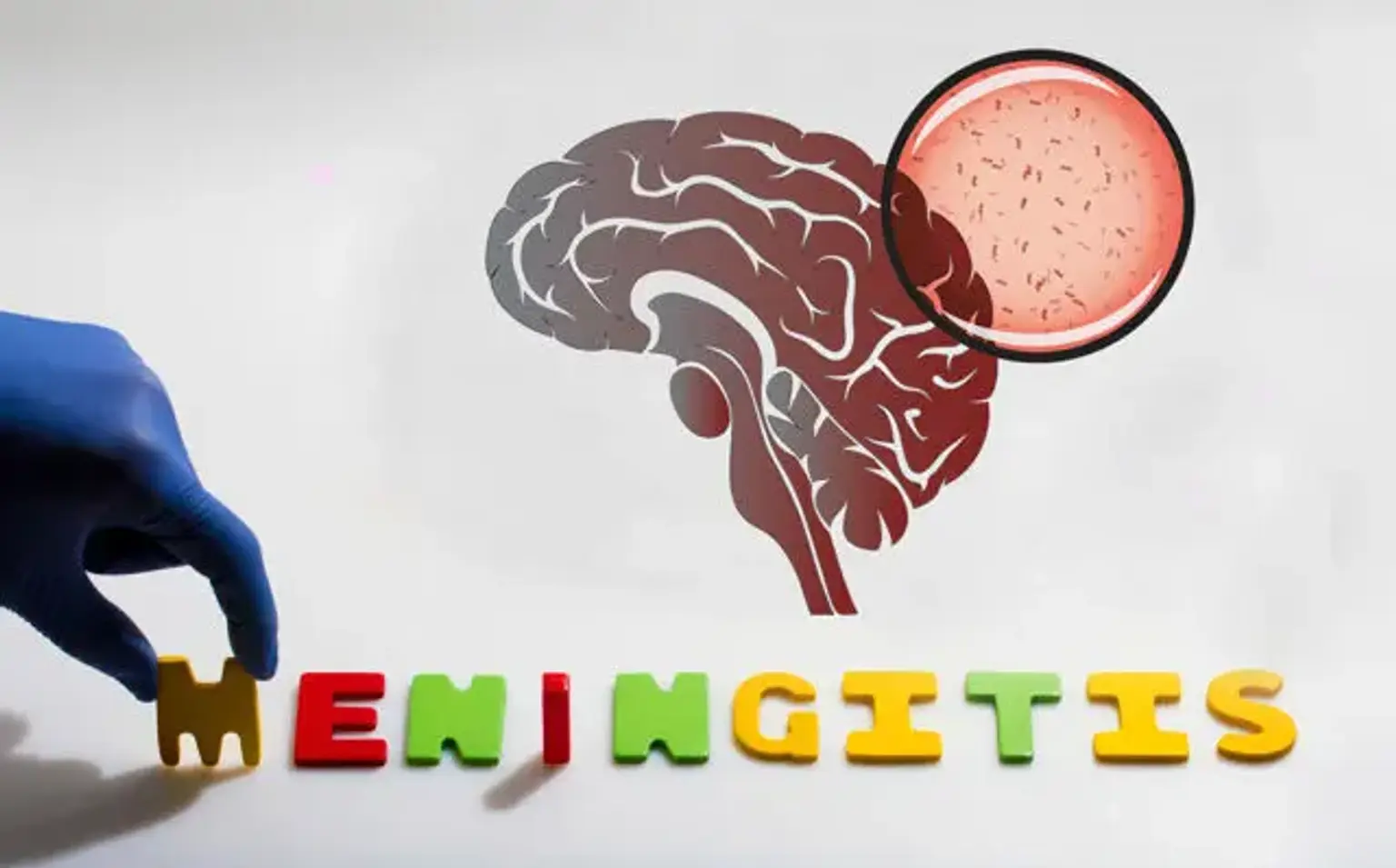
what-is-meningitisAt its core, meningitis is the swelling of the meninges. This inflammation is typically triggered by an infection of the cerebrospinal fluid (CSF) that surrounds the brain and spinal cord. The causes are most often viral or bacterial.
Bacterial Meningitis: This is the most severe form and requires immediate antibiotic treatment. It can be caused by several bacteria, including Streptococcus pneumoniae, Neisseria meningitidis, and Haemophilus influenzae type b (Hib). Without rapid intervention, it can cause severe brain damage, sepsis, and death.
Viral Meningitis: Generally less severe than its bacterial counterpart, most people with viral meningitis recover fully. However, it can still cause significant illness and, in some cases, lasting neurological effects.
How Can Meningitis Change Your Brain and Body Forever?
how-can-meningitis-change-your-brain-and-body-foreverThe direct answer is that inflammation from meningitis can cause widespread brain cell death, damage to cranial nerves, and disruption of blood flow, leading to a cascade of permanent complications. The brain, squeezed by swelling against the hard skull, can suffer irreversible injury.
This damage manifests across neurological, physical, and psychological domains.
What are the Permanent Neurological Damages from Meningitis?
what-are-the-permanent-neurological-damages-from-meningitisThe most devastating long term effects of meningitis are neurological. The inflammation can lead to a condition known as hydrocephalus excess fluid on the brain or directly destroy brain tissue.
Acquired Brain Injury (ABI): This is the most significant consequence, leading to a spectrum of cognitive deficits.
Memory Loss: Difficulty forming new memories or recalling past events.
Concentration & Executive Function Issues: Problems with planning, organizing, multitasking, and decision making.
Learning Disabilities: Survivors, especially children, may struggle academically post illness.
Seizures & Epilepsy: Scar tissue formed in the brain during the infection can become a focal point for abnormal electrical activity, leading to a lifelong seizure disorder in some survivors.
Cranial Nerve Damage: The nerves that originate directly from the brain can be damaged, leading to specific functional losses.
What Physical Disabilities Can Meningitis Cause?
what-physical-disabilities-can-meningitis-causeThe damage to the brain and nervous system often translates into profound physical challenges.
Hearing Loss: Deafness, either partial or total, is one of the most common permanent side effects. It occurs when the infection damages the cochlear nerve.
Vision Problems: Damage to the optic nerve can result in partial or complete vision loss.
Balance and Coordination Issues (Ataxia): Injury to the cerebellum, the brain's coordination center, can lead to persistent dizziness, unsteadiness, and clumsy movements.
Paralysis or Weakness: Damage to the motor cortex can result in weakness or paralysis in limbs, similar to a stroke.
Limb Amputation: In severe cases of meningococcal sepsis, blood flow to the extremities can be cut off, leading to tissue death gangrene that necessitates amputation of fingers, toes, or limbs.
What is the Emotional and Cognitive Impact of Surviving Meningitis?
what-is-the-emotional-and-cognitive-impact-of-surviving-meningitisBeyond the visible scars, the psychological toll is immense. The trauma of the acute illness combined with the new reality of an acquired brain injury can fundamentally alter a person's personality and mental health.
Personality Changes: Irritability, mood swings, and impulsivity are common.
Anxiety and Depression: The struggle to adapt to new limitations and the memory of a near death experience are significant risk factors.
Fatigue and Sleep Disorders: Chronic, debilitating fatigue that is not relieved by rest is a hallmark of post meningitis recovery.
What Rehabilitation Is Needed After Meningitis?
what-rehabilitation-is-needed-after-meningitisRecovery from severe meningitis is not a matter of weeks; it is a marathon that can last for years, often requiring a multidisciplinary team. The goal of rehabilitation is to maximize functional independence and quality of life.
Neurological Rehabilitation: A comprehensive program to address cognitive deficits, memory problems, and executive dysfunction.
Physical Therapy: To regain strength, mobility, and balance.
Occupational Therapy: To re-learn daily living skills and adapt the home environment.
Speech and Language Therapy: To address issues with communication or swallowing.
Psychological Support: Counseling and therapy to manage the emotional and psychological trauma.
Specialized Treatments: For specific complications like hydrocephalus or spinal issues, advanced surgical interventions may be required.
"I woke up from the coma and the world was different. The doctors said I had survived, but the man I was before meningitis didn't. Learning to walk again was hard, but learning to remember my own kids' birthdays was heartbreaking. The recovery is a daily choice to keep fighting." – An anonymous patient, United Kingdom.
When Should You Worry About Post-Meningitis Symptoms?
when-should-you-worry-about-post-meningitis-symptomsYou should seek medical evaluation if you or a loved one, following a meningitis diagnosis, experiences any new or worsening symptoms. Pay close attention to:
Severe Headaches: Persistent or worsening headaches could signal issues like hydrocephalus.
Seizures: Any seizure activity requires immediate neurological consultation.
Changes in Consciousness or Behavior: Increased confusion, drowsiness, or extreme irritability.
Fever: A recurring fever could indicate a lingering or secondary infection.
Sensory Changes: New hearing loss, vision problems, or persistent dizziness.
Recommended Clinics with Relevant Expertise in South Korea
recommended-clinics-with-relevant-expertise-in-south-koreaSouth Korea is home to world-class medical centers with advanced neurology and neurosurgery departments capable of managing the complex, long-term complications of meningitis. These facilities offer integrated rehabilitation programs and cutting-edge surgical solutions.
Website | Clinic Name | Best Known For | Address | Contact |
|---|---|---|---|---|
Seoul Yes Hospital | Specialized Spine & Joint Care | Suji-gu, Gyeonggi-do, South Korea | ||
Kangdong Sacred Heart Hospital | Spinal Neurosurgery Center | Gangdong-gu, Seoul, South Korea | ||
Seoul St. Mary’s Hospital – Seocho | Comprehensive & Specialized Care | Seocho-gu, Seoul, South Korea | ||
Seoul National University Hospital- ganganm district | Leading Research Hospital, Urologic, Oncology | Gangnam-gu, Seoul, South Korea | ||
H Plus Yangji Hospital | Specialized Medical & Surgical Centers | Gwanak-gu, Seoul, South Korea | ||
Ewha Womans University Medical Center | Patient-Centered Care | Gangseo-gu, Seoul, South Korea | ||
Asan Medical Center | Advanced Treatments for Complex Diseases | Songpa-gu, Seoul, South Korea | ||
MEDREX hospital | Spine and Joint Disorders | Gangnam-gu, Seoul, South Korea | ||
Severance Hospital | Robotic Surgery & Advanced Diagnostics | Seodaemun-gu, Seoul, South Korea |
Recommended Treatment/Procedure Names with Average Costs in South Korea
recommended-treatmentprocedure-names-with-average-costs-in-south-koreaManaging meningitis complications often involves advanced procedures aimed at mitigating specific neurological or spinal damage.
Treatment/Procedure Name | Duration | Hospitalization | Avg. Cost (USD) in S. Korea | Contact |
|---|---|---|---|---|
Spinal Disorder Treatment (Non-Surgical) | Multiple Sessions | Not Needed | $500 - $2,000 | |
Minimally Invasive Spinal Fusion Surgery | 2-4 hours | Needed (3-5 days) | $18,000 - $28,000 | |
Spinal Endoscopic Treatment | 1-2 hours | Needed (1-2 days) | $9,000 - $15,000 | |
Microscopic Decompression Surgery | 1-3 hours | Needed (2-3 days) | $10,000 - $16,000 | |
Artificial Disc Replacement | 2-3 hours | Needed (3-4 days) | $20,000 - $35,000 | |
Epidural Neuroplasty | 30-60 mins | Not Needed | $1,500 - $3,000 | |
Zero-Gravity Spinal Decompression | 30-45 mins | Not Needed | $2,000 - $4,000 | |
Complex Neuromuscular Treatment | 2-3 hours | Not Needed | $3,000 - $10,000 |
Frequently Asked Questions About Life After Meningitis
frequently-asked-questions-about-life-after-meningitis1. Can you fully recover from bacterial meningitis?
1.-can-you-fully-recover-from-bacterial-meningitisA complete recovery is possible, but it is not guaranteed. The likelihood of full recovery depends heavily on the type of bacteria, the patient's age and overall health, and most critically, the speed of diagnosis and treatment. For many survivors of severe bacterial meningitis, some level of permanent physical or neurological deficit remains.
2. Is post-meningitis fatigue a real condition?
2.-is-post-meningitis-fatigue-a-real-conditionYes, debilitating fatigue is one of the most common and persistent complaints among meningitis survivors. This is not simple tiredness; it's a profound exhaustion that can affect cognitive function, emotional stability, and the ability to work or attend school. It's considered a direct consequence of the acquired brain injury.
3. How does meningitis affect a child's development?
3.-how-does-meningitis-affect-a-child's-developmentChildren who survive bacterial meningitis are at high risk for long term developmental problems. These can include permanent hearing loss, learning disabilities, behavioral problems, and epilepsy. Long-term follow-up with pediatric specialists is crucial to monitor their development and provide early intervention.
4. Can meningitis come back?
4.-can-meningitis-come-backRecurrent meningitis is rare but possible. It is most often seen in individuals with specific risk factors, such as a skull fracture that allows bacteria to enter the meninges, or a compromised immune system. If meningitis symptoms reappear, it is a medical emergency.
5. Are there any lifestyle changes that help manage long-term effects?
5.-are-there-any-lifestyle-changes-that-help-manage-long-term-effectsYes. Managing life after meningitis often requires significant lifestyle adaptations. This includes structured daily routines to combat fatigue and cognitive issues, a healthy diet, avoiding alcohol, and engaging in regular, gentle exercise as advised by a physical therapist. A strong support system of family, friends, and support groups is also invaluable.
6. What's the difference in long-term effects between viral and bacterial meningitis?
6.-what's-the-difference-in-long-term-effects-between-viral-and-bacterial-meningitisGenerally, the long-term effects of bacterial meningitis are far more severe and common. Viral meningitis typically resolves with few or no lasting issues. However, severe cases of viral meningitis (e.g., from herpes simplex virus) can also cause serious neurological damage, including cognitive impairment and seizures.
Take the First Step Towards Managing Your Recovery Today!
take-the-first-step-towards-managing-your-recoveryNavigating the aftermath of meningitis is a challenging journey, but you do not have to do it alone. The world-class neurological and rehabilitative centers in South Korea offer hope and advanced care for managing even the most complex post-meningitis complications. By inquiring through a dedicated service, you gain access to a seamless, transparent process. A personal Care Manager will provide end-to-end support, from your initial questions and medical record review to coordinating with top specialists and managing your care journey. And Start Your Confidential Inquiry with CloudHospital today to receive a personalized assessment from a leading specialist.