
The clinical information regarding Mid-Face Lift surgery in this article has been rigorously verified against the latest guidelines from the American Society of Plastic Surgeons (ASPS) and primary research from databases like PubMed. This piece was reviewed for accuracy and patient-centric clarity and was last updated in October 2023.
Introduction
introductionA mid-face lift, also known as a cheek lift, is a highly specialized surgical procedure designed to address the signs of aging in the central third of the face the area from the lower eyelids to the upper lip. As a cornerstone procedure in the Plastic Surgery department, it targets sagging cheeks, deep smile lines, and hollows under the eyes that contribute to a tired or aged appearance. This guide provides a detailed examination of the mid-face lift, offering critical information for individuals considering this transformative procedure to restore youthful contours and achieve a naturally refreshed look.

What Does a Mid-Face Lift Specifically Correct?
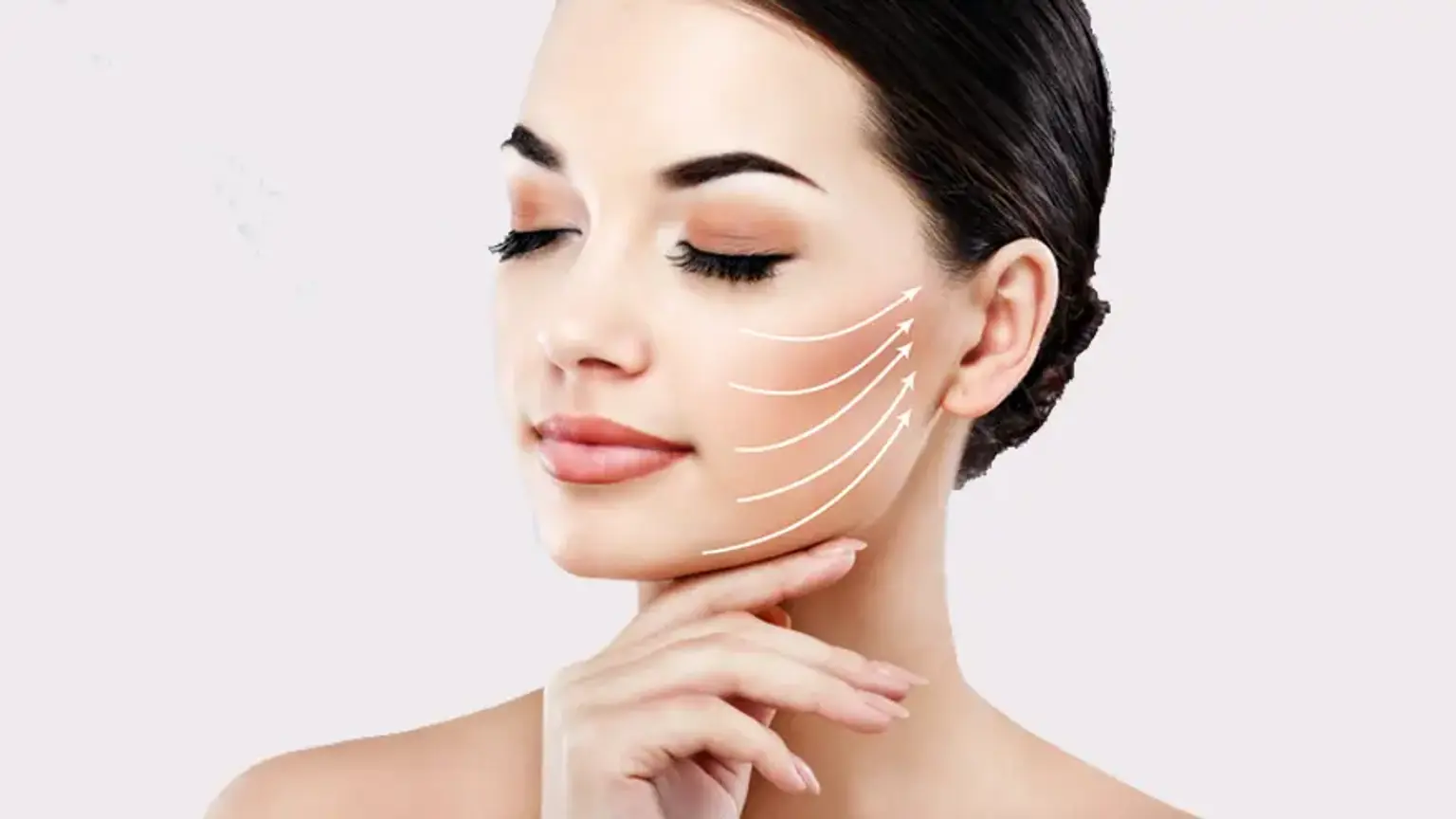
what-does-a-mid-face-lift-specifically-correctA mid-face lift specifically works by repositioning the foundational tissues of the cheek, including the descended malar fat pads, and tightening the underlying SMAS layer Superficial Musculoaponeurotic System. Unlike a traditional facelift that focuses on the lower face and jawline, a mid-face lift elevates the cheek tissues vertically, directly counteracting the downward pull of gravity. This surgical maneuver provides a powerful, targeted rejuvenation of the mid-facial region.
What are the Primary Benefits of a Mid-Face Lift?
what-are-the-primary-benefits-of-a-mid-face-liftThe procedure offers significant, natural-looking results by addressing the root causes of mid-facial aging.
Restoration of Cheek Volume and Height: Lifts and repositions sagging cheek fat pads to their original, more youthful position, creating fuller, higher cheekbones.
Softening of Nasolabial Folds: By lifting the cheek tissues, the procedure significantly reduces the depth of the prominent creases that run from the nose to the corners of the mouth nasolabial folds.
Improvement of the Under-Eye Area: Elevating the mid-face can smooth the transition between the lower eyelid and the cheek, improving the appearance of hollows or the tear trough deformity.
A More Rested and Youthful Appearance: The overall effect is a refreshed and rejuvenated look, without the pulled or wind-tunnel appearance sometimes associated with older facelift techniques.
Long-Lasting Results: Because the procedure addresses the underlying structural support of the face, the results are durable and long-lasting.
Who is an Ideal Candidate for a Mid-Face Lift?
who-is-an-ideal-candidate-for-a-mid-face-liftIdeal candidates for a mid-face lift are typically individuals in their late 30s to early 50s who are primarily concerned with sagging in the cheek area rather than significant jowling or neck laxity.
Key characteristics of a good candidate include:
Noticeable sagging or flattening of the cheeks.
Deepened nasolabial folds.
Hollowness or dark circles under the eyes.
Good skin elasticity, which allows the skin to redrape smoothly over the newly contoured tissues.
Non-smokers in good overall health to ensure optimal healing.
Realistic expectations about the outcome of the surgery.
What are the Potential Risks and Contraindications of a Mid-Face Lift?
what-are-the-potential-risks-and-contraindications-of-a-mid-face-liftWhile a mid-face lift is a safe procedure when performed by a board-certified plastic surgeon, it carries the inherent risks of any surgery. Potential risks include adverse reactions to anesthesia, infection, hematoma a collection of blood under the skin, temporary or permanent nerve injury leading to facial numbness or muscle weakness, and asymmetry. Unfavorable scarring is rare as incisions are well-concealed. Contraindications include serious uncontrolled medical conditions, active infections, or a history of poor wound healing. A thorough consultation with your surgeon is critical to evaluate your personal risk profile.
What Are the Steps of the Mid-Face Lift Procedure?
what-are-the-steps-of-the-mid-face-lift-procedureThe patient journey involves distinct phases, from initial planning to the final surgical execution.
Before the Procedure: Consultation and Preparation
before-the-procedure:-consultation-and-preparationYour journey begins with an in-depth consultation. Your surgeon will evaluate your facial anatomy, skin quality, and discuss your aesthetic goals. 3D imaging or CT scans may be used for precise surgical planning. You will be given pre-operative instructions, which typically include avoiding blood-thinning medications and supplements like aspirin, ibuprofen, and vitamin E for at least two weeks before surgery to minimize bleeding.
During the Procedure: What Happens in the Operating Room
during-the-procedure:-what-happens-in-the-operating-roomA mid-face lift is usually performed under general anesthesia or deep sedation and takes approximately 2 to 3 hours. The surgeon makes small, well-hidden incisions, often within the hairline at the temple and sometimes inside the mouth. Using specialized instruments, potentially including an endoscope for a minimally invasive endoscopic facelift, the surgeon carefully detaches and lifts the deep tissues of the cheek the malar fat pads and SMAS layer. These tissues are then secured into a higher, more youthful position with internal sutures or anchoring devices. In some cases, a canthoplasty or lower eyelid surgery is performed concurrently for comprehensive rejuvenation.
Immediately After the Procedure: The Initial Recovery Phase
immediately-after-the-procedure:-the-initial-recovery-phaseYou will wake up in a recovery area where you are monitored closely. Your face will feel tight, and you will have swelling and bruising, which is most pronounced in the first 48-72 hours. A compression garment may be applied to support the tissues and minimize swelling. Pain is typically manageable with prescribed medication.
"The first time I looked in the mirror a couple of weeks after the swelling went down, I didn't see someone else—I saw me, just from 15 years ago. The best part is that it looks so natural; I just look rested and vibrant." – An anonymous patient, United States.
What is the Recovery Timeline for a Mid-Face Lift?
what-is-the-recovery-timeline-for-a-mid-face-liftThe first sentence of each corresponding paragraph must be a direct, concise answer to that heading's question, followed by elaboration.
A full recovery timeline can take several months for all residual swelling to resolve, but social recovery is much faster.
Week 1: The most significant swelling and bruising occur during this period. You should rest with your head elevated. Most patients can engage in light activity like walking. Stitches may be removed around day 7-10.
Weeks 2-4: Swelling and bruising will continue to subside rapidly. Most patients feel comfortable returning to work and social activities after about 10-14 days, often using makeup to conceal any residual discoloration. Strenuous exercise should still be avoided.
Months 2-6: You will see your results becoming more refined as the last 10% of swelling disappears. The tissues will soften and settle into their final position. Numbness in the cheek area will gradually resolve.
After 6 Months: The final, stable results of your mid-face lift will be apparent.
How Long Do Mid-Face Lift Results Last?
how-long-do-mid-face-lift-results-lastThe results of a mid-face lift are considered very long-lasting, typically enduring for 10 years or more. While the procedure turns back the clock by repositioning the foundational structures of the face, it does not stop the natural aging process. Maintaining a healthy lifestyle, protecting your skin from the sun, and potentially incorporating non-surgical treatments can help preserve your results for as long as possible.
Recommended Clinics with Relevant Expertise in South Korea
recommended-clinics-with-relevant-expertise-in-south-koreaSouth Korea is globally recognized for its advanced techniques in facial plastic surgery. The following clinics are noted for their expertise in anti-aging and facial contouring procedures.
Website | Clinic Name | Best Known For | Address | Contact |
|---|---|---|---|---|
Human Plastic Surgery | Comprehensive Anti-Aging, Rhinoplasty, Breast Surgery | Gangnam-gu, Seoul, South Korea | ||
Dite Plastic Surgery | Advanced Rhinoplasty and Complex Revision Surgeries | Gangnam-gu, Seoul, South Korea | ||
1mm Plastic Surgery | Precision Eye Surgery, Rhinoplasty, and Facial Contouring | Gangnam-gu, Seoul, South Korea | ||
Kowon Plastic Surgery | Specialized Rhinoplasty and Revision Rhinoplasty | Gangnam-gu, Seoul, South Korea | ||
SoonPlus Plastic Surgery | Natural-looking Eye Surgery, Rhinoplasty, and Facial Lifting | Gangnam-gu, Seoul, South Korea | ||
Face Plus Plastic Surgery | Two-Jaw Surgery, Facial Contouring, and Orthognathic Surgery | Gangnam-gu, Seoul, South Korea | ||
TJ plastic surgery | Body Contouring, Breast Surgery, and Anti-Aging Lifts | Gangnam-gu, Seoul, South Korea | ||
Hugo Plastic Surgery | Facial Contouring Surgery and Anti-Aging Procedures | Gangnam-gu, Seoul, South Korea | ||
Yujin PS & Dermatology | Stem Cell Therapy, Anti-Aging, and Dermatological Treatments | Gangnam-gu, Seoul, South Korea | ||
ID Hospital | World-Renowned for Facial Bone and Complex Revision Surgeries | Gangnam-gu, Seoul, South Korea | ||
JK Plastic Surgery | Comprehensive "One-Stop" Center for All Plastic Surgeries | Gangnam-gu, Seoul, South Korea |
Recommended Treatment/Procedure Names with Average Costs in South Korea
recommended-treatmentprocedure-names-with-average-costs-in-south-koreaBelow is a list of common plastic surgery procedures and their estimated costs in South Korea, providing a reference for comprehensive treatment planning.
Treatment/Procedure Name | Treatment Duration | Hospitalization? | Avg Cost Range (USD) in S. Korea | Contact |
|---|---|---|---|---|
Full Face Lifting | 4-6 hours | Needed (1-2 days) | $10,000 - $18,000 | |
SMAS Facelift | 3-5 hours | Needed (1-2 days) | $8,000 - $15,000 | |
Face Contouring | 2-4 hours | Needed (1-2 days) | $7,000 - $14,000 | |
Cheekbone Reduction Surgery | 2-3 hours | Needed (1-2 days) | $6,000 - $10,000 | |
Revision Rhinoplasty | 3-5 hours | Needed (1 day) | $6,000 - $12,000 | |
Rhinoplasty | 2-4 hours | Not Needed | $4,000 - $8,000 | |
Breast Augmentation | 1-2 hours | Needed (1 day) | $8,000 - $15,000 | |
Hip-up Plastic Surgery | 2-3 hours | Needed (1-2 days) | $9,000 - $16,000 | |
Abdominal Liposuction | 2-4 hours | Not Needed | $4,000 - $8,000 | |
Genioplasty (Chin Surgery) | 1-2 hours | Needed (1 day) | $4,500 - $7,500 | |
Upper & Lower Blepharoplasty | 1.5-2.5 hours | Not Needed | $3,500 - $6,000 | |
Neck Lift | 2-3 hours | Needed (1 day) | $6,000 - $10,000 | |
Brow Lift Surgery | 1-2 hours | Not Needed | $3,000 - $5,500 | |
Double Eyelid Surgery | 1-1.5 hours | Not Needed | $2,000 - $4,000 | |
Thread Lifting | 30-60 mins | Not Needed | $1,500 - $4,000 |
Frequently Asked Questions (FAQs) about Mid-Face Lift
frequently-asked-questions-(faqs)-about-mid-face-lift1. How is a mid-face lift different from a full facelift?
1.-how-is-a-mid-face-lift-different-from-a-full-faceliftA mid-face lift is different because it exclusively targets the central third of the face the cheeks and under-eye area by lifting tissues vertically. A full facelift or lower facelift primarily addresses the lower third of the face, correcting jowls along the jawline and sagging in the neck, typically with a more horizontal or angular lift.
2. Will I have a visible scar from a mid-face lift?
2.-will-i-have-a-visible-scar-from-a-mid-face-liftYou will not likely have a noticeable scar, as surgeons are experts at hiding incisions. Incisions are typically placed discreetly within the temporal hairline and/or inside the mouth, making them virtually invisible once healed.
3. Is the mid-face lift procedure painful?
3.-is-the-mid-face-lift-procedure-painfulThe procedure itself is not painful as it is performed under anesthesia. Post-operative discomfort is generally described as a feeling of tightness and soreness rather than sharp pain. This is well-controlled with prescribed pain medication for the first few days.
4. How soon can I exercise after the procedure?
4.-how-soon-can-i-exercise-after-the-procedureYou should avoid all strenuous activities, including heavy lifting and intense cardio, for at least 4-6 weeks. This allows your body to heal properly and prevents complications like increased swelling or bleeding. Light walking is encouraged from the first week to promote circulation.
5. Can a mid-face lift be combined with other procedures?
5.-can-a-mid-face-lift-be-combined-with-other-proceduresYes, a mid-face lift is frequently combined with other procedures for more comprehensive facial rejuvenation. Common additions include a lower eyelid surgery blepharoplasty to address excess skin or fat bags, a brow lift to elevate the forehead, or fat grafting to add volume to other facial areas.
6. What is the average cost of a mid-face lift?
6.-what-is-the-average-cost-of-a-mid-face-liftThe cost varies significantly based on geographic location, surgeon's expertise, and the complexity of the case. In South Korea, a mid-face lift can range from approximately $7,000 to $12,000 USD. This often includes surgeon's fees, facility costs, and anesthesia.
Rediscover Your Youthful Contours: Inquire About a Mid-Face Lift Today!
rediscover-your-youthful-contours:-inquire-about-a-mid-face-liftMaking the decision to pursue facial rejuvenation is a significant step towards restoring your confidence. The key to a successful outcome is a thorough understanding of the procedure and selecting a highly skilled surgeon. For a seamless and transparent process, you can inquire about a mid-face lift through a dedicated service. You will be connected with elite clinics and supported by a personal Care Manager who will assist you with everything from the initial consultation to your post-operative care. To Start Your Confidential Inquiry through CloudHospital and receive a, personalized treatment plan from leading specialists in South Korea.