

The clinical information regarding Vaginal Tightening Procedures in this article has been rigorously verified against the latest guidelines from the American College of Obstetricians and Gynecologists (ACOG) and primary research from databases like PubMed. This piece was reviewed for accuracy and patient-centric clarity and was last updated in October 2023, reflecting the reaffirmation date of key ACOG clinical guidance.
Introduction
introductionMisconceptions surrounding vaginal tightening procedures are pervasive online and in social circles. This widespread misinformation can lead to anxiety, unrealistic expectations, unsafe at-home practices, or avoidance of genuinely beneficial medical care. The decision to pursue any medical procedure, especially one this personal, requires absolute clarity. This guide separates fact from fiction using evidence-based explanations to empower you with the truth about your body and your options.
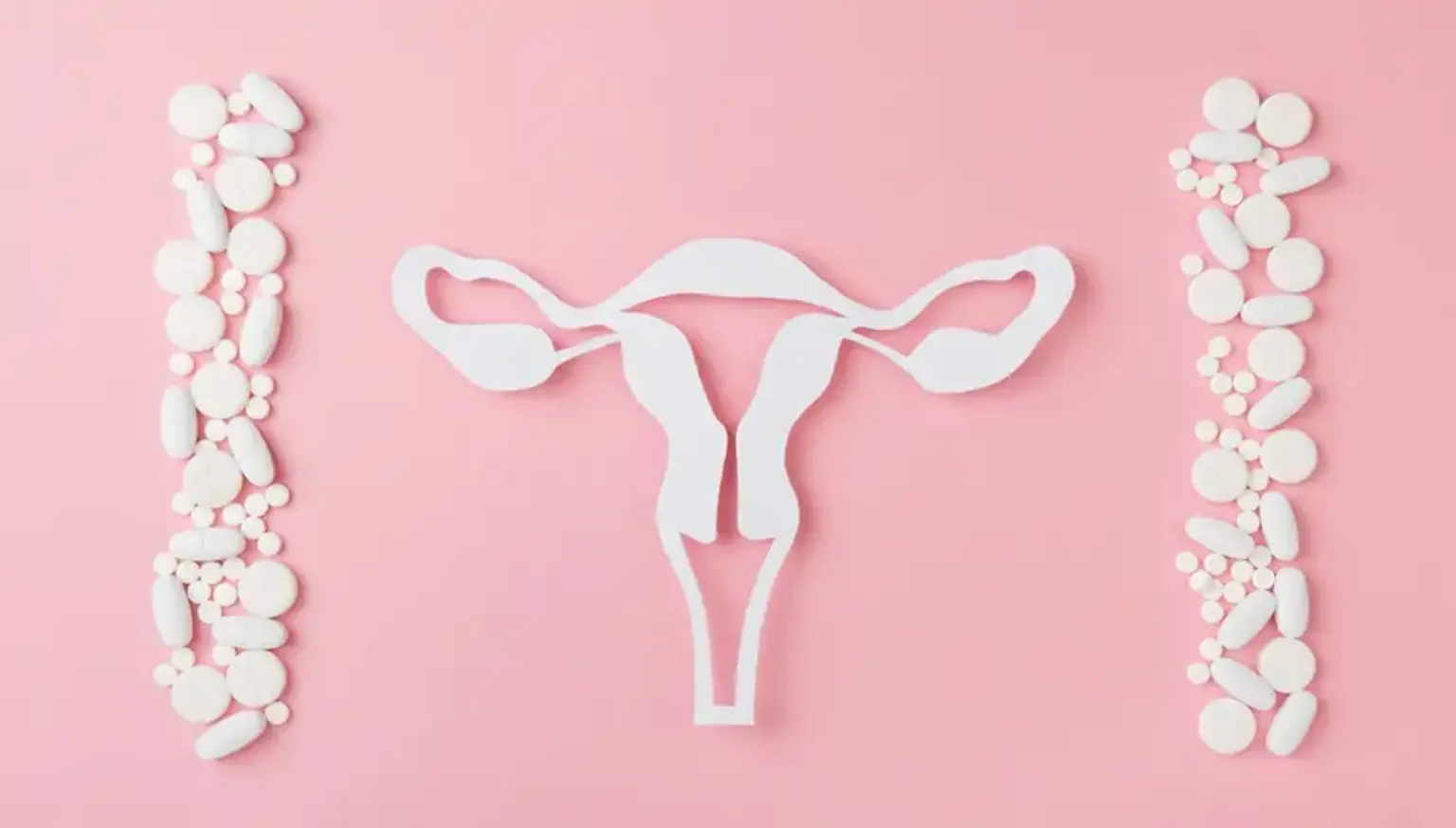
Myth 1: Do at-home vaginal tightening creams or wands actually work?
myth-1:-do-at-home-vaginal-tightening-creams-or-wands-actually-workThis is a dangerous myth. The fact is, there is no scientific evidence to support the claims of over-the-counter vaginal tightening creams, gels, or wands. These products are not approved by major health regulatory bodies for this purpose.
Ineffectiveness: The sensation of tightness from these products is typically caused by astringent or irritating ingredients that induce temporary tissue swelling. This does not address the underlying anatomical structure of the vaginal muscles or mucosa.
Significant Risks: These products can disrupt the delicate vaginal pH balance, leading to infections like bacterial vaginosis or yeast infections. They can also cause allergic reactions, chemical burns, and irritation. The fundamental issue of vaginal laxity relates to stretched muscles and separated connective tissue, which a topical cream cannot repair.
Myth 2: Can childbirth permanently stretch out the vagina?
myth-2:-can-childbirth-permanently-"stretch-out"-the-vaginaThis is a partial truth that fuels a major myth. While vaginal childbirth does stretch the vaginal canal and pelvic floor muscles, the idea of a permanent, untreatable stretched out state is inaccurate.
The vagina is an incredibly elastic muscular tube designed to stretch and return to its pre-birth state. However, factors like multiple births, the size of the baby, and genetics can affect the degree to which the tissues and muscles recover. The term clinicians use is vaginal laxity, which describes a loss of vaginal wall tone. This is a medical condition related to the separation or weakening of the pelvic floor muscles and overstretched soft tissue. It is not a sign of damage, but an anatomical change that can be addressed through both non-surgical and surgical means if it causes physical or functional concerns.
Myth 3: Is surgery the only real option for vaginal tightening?
myth-3:-is-surgery-the-only-'real'-option-for-vaginal-tighteningThis is outdated information. While surgical vaginoplasty is the gold standard for significant anatomical repair, it is far from the only effective option. Modern gynecology offers a spectrum of treatments tailored to different degrees of vaginal laxity and patient goals.
The belief that surgery is the sole solution ignores the significant advancements in non-invasive, energy-based devices.
Surgical Vaginoplasty: This procedure is designed for functional restoration. A surgeon removes excess vaginal lining and tightens the underlying separated muscles and connective tissues of the pelvic floor. It is the most definitive and long-lasting solution for significant laxity.
Non-Surgical Laser & Radiofrequency (RF) Treatments: These energy-based procedures are a major breakout trend in cosmetic gynecology. They work by delivering controlled thermal energy to the vaginal tissues. This process stimulates the body's natural healing response, promoting new collagen and elastin production. The result is a demonstrable tightening of the vaginal canal and improved tissue quality. These are excellent options for mild to moderate laxity and are performed in-office with no downtime.
Myth 4: Will a vaginal tightening procedure negatively impact sensation or future childbirth?
myth-4:-will-a-vaginal-tightening-procedure-negatively-impact-sensation-or-future-childbirthThis addresses a critical fear, but the reality is nuanced. When performed by a board-certified gynecologist or plastic surgeon with specific expertise in this area, the goal is to restore function and improve sensation, not diminish it.
Sensation: Many women who undergo vaginoplasty for laxity report an increase in frictional sensation during intercourse for both themselves and their partners. This is because the procedure restores the vaginal canal to its pre-stretching diameter. Conversely, procedures performed by unqualified practitioners can pose a risk of nerve damage.
Future Childbirth: If you plan on having more children, most surgeons will advise you to postpone a surgical vaginoplasty. A subsequent vaginal delivery would re-stretch the repaired tissues, undoing the results of the surgery. Non-surgical options, however, may be performed between pregnancies. It is vital to discuss future family planning during your consultation.
Myth 5: Are vaginal tightening procedures purely cosmetic and medically unnecessary?
myth-5:-are-vaginal-tightening-procedures-purely-cosmetic-and-medically-unnecessaryThis is false and dismisses the valid functional and psychological concerns of patients. While these procedures have an aesthetic component, they often address legitimate medical and quality-of-life issues. The American College of Obstetricians and Gynecologists (ACOG) acknowledges that these procedures are sought for reasons including physical discomfort and sexual function.
Issues that can be addressed include:
Decreased sexual satisfaction due to a lack of friction.
Stress Urinary Incontinence (SUI), where some tightening procedures can provide better support to the urethra.
Passing air from the vagina flatus vaginalis, which can be embarrassing.
Physical discomfort or a feeling of "looseness" during exercise or daily activities.
"After my second child, I was so self-conscious. I read so many scary things online that made me feel broken and hopeless. Speaking to a real gynecologist who explained the science of the pelvic floor versus the myths of 'permanent damage' was a massive relief. Understanding the real, medical options gave me my confidence back before I even had a procedure." – an anonymous patient, Australia.
Recommended Clinics with Relevant Expertise in South Korea
recommended-clinics-with-relevant-expertise-in-south-koreaFor those considering treatment, South Korea is a global leader in advanced gynecological and aesthetic procedures. The following clinics are noted for their expertise in women's health and related treatments.
Website | Clinic Name | Best Known For | Address | Contact |
|---|---|---|---|---|
Second Spring Women's Clinic | Women's Disease and Menopause Care | Gangnam-gu, Seoul, South Korea | ||
Seoul Miz Hospital | Gynecological Surgery, Vaginal Aesthetic and Reconstructive Treatments | Gangdong-gu, Seoul, South Korea | ||
MariaPlus (Songpa) Fertility Hospital | Advanced Fertility and IVF Treatments | Songpa-gu, Seoul, South Korea | ||
Asan Medical Center | Comprehensive Tertiary Care, Major Surgeries | Songpa-gu, Seoul, South Korea | ||
Goeunbit Women’s Clinic | Vaginal Aesthetic Treatments, Women's Disease Management | Songpa-gu, Seoul, South Korea | ||
MizMedi Hospital | Comprehensive Women's Health, IVF, Gynecological Surgery | Gangseo-gu, Seoul, South Korea | ||
HI Fertility Clinic | Specialized Fertility and Reproductive Health | Gangseo-gu, Seoul, South Korea | ||
Helen Women’s Obstetrics & Gynecology Clinic | Labiaplasty, Vaginal Tightening, Menstrual Disorders | Songpa-gu, Seoul, South Korea |
Recommended Treatment/Procedure Names with Average Costs in South Korea
recommended-treatmentprocedure-names-with-average-costs-in-south-koreaThe costs below are estimates and can vary based on the complexity of the case and the specific clinic. A personalized quote is essential for accurate pricing.
Treatment/Procedure Name | Treatment Duration | Hospitalization? | Avg Cost Range (USD) in S. Korea | Contact |
|---|---|---|---|---|
Vaginoplasty (Surgical) | 1 - 2 hours | Needed (1 day) | $4,000 - $7,000 | |
Labiaplasty | 1 - 1.5 hours | Not Needed | $3,000 - $5,500 | |
Vaginal Tightening (Laser) | 20-30 mins | Not Needed | $800 - $1,500 | |
Vaginal Tightening (Radiofrequency) | 30-45 mins | Not Needed | $1,000 - $2,000 | |
Vaginal Mucosa Correction Injections | 15 - 20 mins | Not Needed | $1,000 - $2,000 | |
Clitoral Pop Filler Treatments | 20 - 30 mins | Not Needed | $800 - $1,500 | |
Vulvar Whitening (Laser) | 15-20 mins | Not Needed | $300 - $600 | |
Hormone Replacement Therapy | 30-60 mins | Not Needed | $100 - $500 | |
Endometriosis Management | 1-3 hours | Needed(1-2 days) | $1,000 - $2,000 | |
Contraception and Miscarriage Care | 30-60 mins | Not Needed | $300 - $600 |
What Are the Real Facts About Candidacy, Risks, and Results?
what-are-the-real-facts-about-candidacy-risks-and-resultsAfter debunking the myths, it's crucial to understand the practical realities of these procedures.
1. Who is actually a good candidate for vaginal rejuvenation?
1.-who-is-actually-a-good-candidate-for-vaginal-rejuvenationA good candidate is a healthy woman who has realistic expectations and is experiencing functional or psychological distress due to vaginal laxity. Specific criteria include:
Surgical Vaginoplasty: Women with significant anatomical separation of the pelvic floor muscles, often post-childbirth, who are not planning future pregnancies.
Non-Surgical Treatments: Women with mild to moderate laxity, or those seeking improvement in tissue quality, lubrication, and minor stress incontinence. They are also suitable for women who may want more children in the future.
General Health: You must be in good overall health, a non-smoker or willing to quit, and have no active genital infections.
2. What are the real, documented risks?
2.-what-are-the-real-documented-risksNo procedure is without risk. For vaginal rejuvenation, these risks are minimized when performed by an expert.
Surgical Risks: Include those common to any surgery such as bleeding, infection, scarring, and adverse reactions to anesthesia. Specific risks include dyspareunia painful intercourse if over-tightening occurs, or altered sensation. A 2017 meta-analysis in the Aesthetic Surgery Journal reported an overall complication rate for vaginoplasty at 9.7%, with the most common being narrowing of the vaginal opening, which was often correctable.
Non-Surgical Risks: Are much lower. They can include temporary redness, swelling, or a feeling of warmth. In rare cases, blistering or minor burns can occur if the device is used improperly. The long-term risks are still being studied, but the safety profile is generally considered very high.
3. How long do the results of a vaginoplasty last?
3.-how-long-do-the-results-of-a-vaginoplasty-lastSurgical vaginoplasty results are considered permanent. The repaired muscles and removed tissue will not change back. However, the natural aging process will continue, which can lead to a gradual loss of tissue elasticity over many years. A future pregnancy with vaginal delivery would negate the results.
4. What is the real recovery time for a vaginal tightening surgery?
4.-what-is-the-real-recovery-time-for-a-vaginal-tightening-surgeryFor a surgical vaginoplasty, recovery requires patience.
Initial Downtime: 1-2 weeks of rest and avoiding strenuous activity.
Full Recovery: Most swelling and discomfort subsides within 6 weeks.
Restriction: Patients must abstain from sexual intercourse and tampon use for a minimum of 6-8 weeks, or until cleared by their surgeon, to allow for complete internal healing.
For non-surgical laser or RF treatments, there is virtually no downtime. Patients can typically return to normal daily activities immediately, with a recommendation to avoid intercourse for 3-5 days.
5. What is the most important factor in choosing a surgeon?
5.-what-is-the-most-important-factor-in-choosing-a-surgeonBoard certification and specific experience are non-negotiable. The most critical factor for a safe and successful outcome is the surgeon's qualifications. You should seek a board-certified gynecologist or plastic surgeon who has demonstrable, extensive experience in female genital plastic and reconstructive surgery. Ask to see before-and-after photos of their actual patients and inquire about the number of procedures they perform annually.
Rediscover Your Confidence: Plan Your Personalized Treatment in Korea
rediscover-your-confidence:-plan-your-personalized-treatment-in-koreaNavigating the options for intimate wellness can be complex, but you don't have to do it alone. The next step is to move from general facts to a plan that is right for you. We can facilitate a seamless and transparent process, connecting you with top-tier specialists in South Korea. A dedicated Care Manager will provide end-to-end support, from your initial questions to post-recovery care. And Start Your Confidential Inquiry through CloudHospital to receive a personalized assessment and treatment plan from leading experts.