

The clinical information regarding Post-Surgical Nutritional Therapy in this article has been rigorously verified against the latest Enhanced Recovery After Surgery (ERAS®) Society guidelines and primary research from databases like PubMed. This piece was reviewed for accuracy and patient-centric clarity and was last updated in August 2025.
Introduction
introductionThe fastest way to heal is by focusing on a diet rich in protein, vitamins, minerals, and anti-inflammatory compounds. Surgical stress significantly increases your body's nutritional requirements for repairing tissues and supporting immune function. Prioritizing specific food groups can make a substantial difference in your recovery timeline.
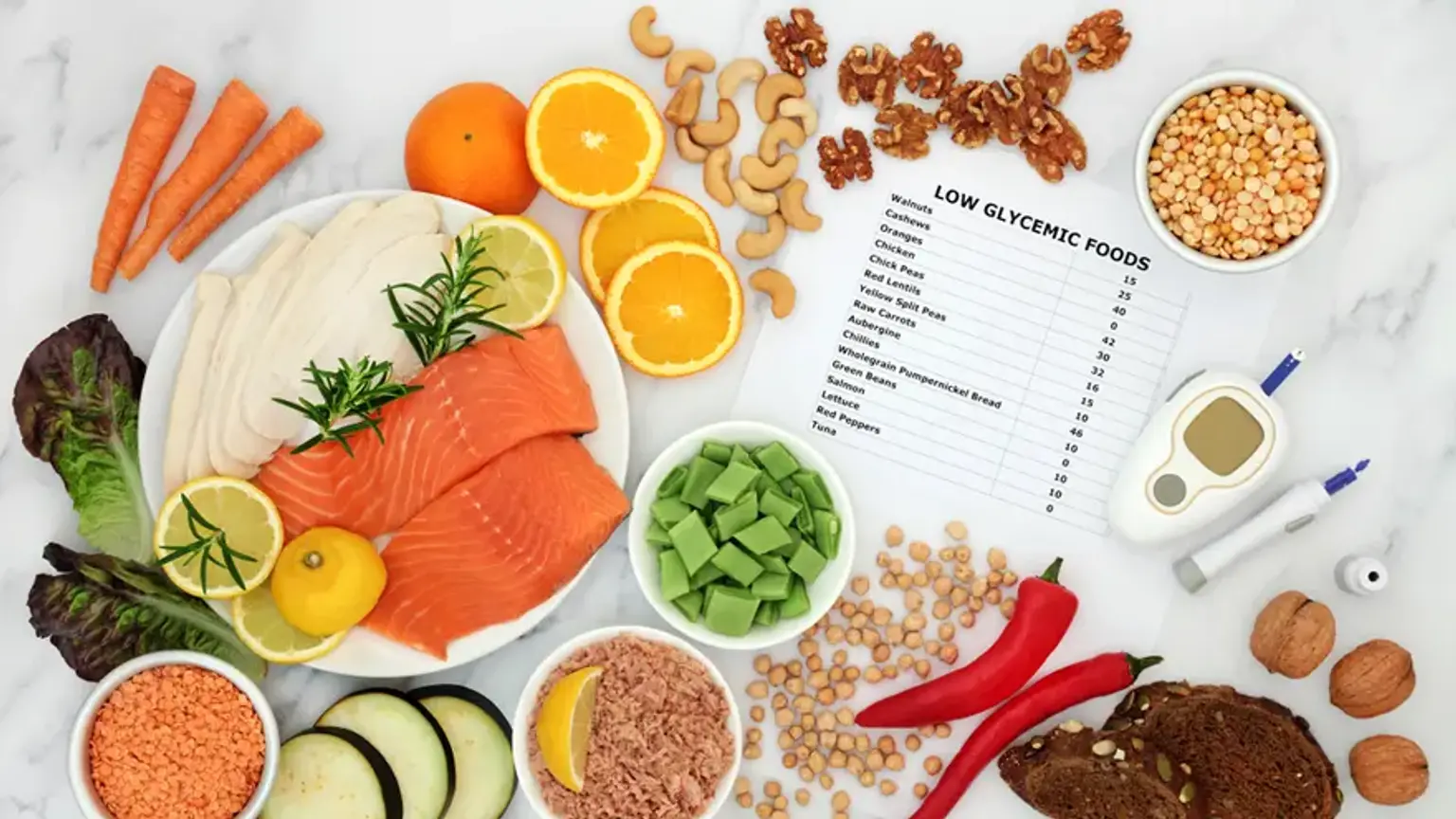
Key Food Groups for Accelerated Healing:
Lean Proteins: Essential for tissue repair and rebuilding. Aim for sources like chicken, fish, eggs, beans, and lentils. The American Society for Enhanced Recovery recommends 1.5–2.0 grams of protein per kilogram of body weight post-surgery.
Brightly Colored Fruits & Berries: Packed with Vitamin C and antioxidants, which are crucial for collagen synthesis and reducing oxidative stress. Think oranges, strawberries, blueberries, and bell peppers.
Leafy Green Vegetables: Spinach, kale, and Swiss chard are high in Vitamin K for blood clotting, Vitamin A for immune response, and antioxidants that combat inflammation.
Healthy Fats: Found in avocados, nuts, seeds, and olive oil, these fats are vital for cell membrane structure and can have anti-inflammatory effects.
Whole Grains: Brown rice, quinoa, and oats provide sustained energy and important B vitamins necessary for metabolic function during recovery.
How Does Nutrition Reduce Inflammation and Swelling After Surgery?
how-does-nutrition-reduce-inflammation-and-swelling-after-surgeryNutrition reduces post-surgical inflammation and swelling by providing compounds that naturally moderate the body's inflammatory response. While some inflammation is a normal part of healing, excessive or prolonged inflammation can increase pain and slow down recovery. Consuming anti-inflammatory foods is a primary strategy to manage this.
Top Anti-Inflammatory Foods:
Fatty Fish: Salmon, mackerel, and sardines are rich in omega-3 fatty acids, which are potent anti-inflammatory agents.
Berries and Cherries: These fruits contain antioxidants called anthocyanins, known to reduce inflammation.
Turmeric and Ginger: These spices contain powerful anti-inflammatory compounds curcumin and gingerol, respectively that can help alleviate soreness and swelling.
Cruciferous Vegetables: Broccoli, cauliflower, and Brussels sprouts provide antioxidants and compounds that support the body's detoxification pathways.
Nuts and Seeds: Almonds and walnuts contain healthy fats and Vitamin E, which protects the body from cellular damage.
What Are the Key Nutrients Needed for Post-Surgical Wound Healing?
what-are-the-key-nutrients-needed-for-post-surgical-wound-healingOptimal wound healing requires a specific profile of macronutrients and micronutrients that act as the building blocks for tissue regeneration. Deficiencies in any of these key nutrients can significantly impair the healing process, leading to a higher risk of complications.
Essential Micronutrients and Macronutrients for Healing:
Protein & Amino Acids: The absolute foundation of tissue repair. Protein provides the building blocks for new cells, collagen, and enzymes that manage the healing process.
Vitamin C: Critical for the synthesis of collagen, the primary protein that forms the structure of new skin and tissue.
Zinc: A mineral involved in hundreds of enzymatic reactions, including protein synthesis and immune cell function, which are vital for healing.
Vitamin A: Plays a key role in the inflammatory response and the development of new epithelial tissue skin.
Iron: Essential for creating new red blood cells to transport oxygen to the wound site, a critical component of healing.
B Vitamins: These vitamins are co-factors in energy metabolism, helping to provide the power your body needs to fuel the intensive healing process.
What Foods Should I Avoid After Female Surgery?
what-foods-should-i-avoid-after-female-surgeryYou should avoid foods that can promote inflammation, interfere with digestion, or displace more nutrient-dense options. These foods can potentially slow healing, increase discomfort, and sap energy levels needed for recovery.
Foods to Limit or Exclude:
Highly Processed and Sugary Foods: Items like pastries, candy, and sugary drinks can spike blood sugar and promote inflammation, working against the healing process.
Excessive Saturated and Trans Fats: Found in fried foods, fast food, and many packaged snacks, these fats can increase inflammation.
Refined Grains: White bread, white pasta, and white rice lack fiber and can contribute to constipation, a common issue after surgery due to anesthesia and pain medication.
Excessive Sodium: High-sodium foods can lead to fluid retention and increased swelling.
Alcohol: Alcohol can dehydrate you, interfere with medications, and impair your immune system's ability to heal.
"After my endometriosis surgery, I was shocked at how tired and bloated I felt. Focusing on the simple, anti-inflammatory diet my care team recommended made a world of difference. The constant discomfort eased, and I felt more like myself within a week." – An anonymous patient, South Korea.
Recommended Clinics with Relevant Expertise in South Korea
recommended-clinics-with-relevant-expertise-in-south-koreaFor women considering gynecological procedures, South Korea offers a range of highly specialized clinics known for their advanced technology and patient-centered care. The following institutions are recognized for their expertise in the field of obstetrics and gynecology.
Website | Clinic Name | Best Known For | Address | Contact |
|---|---|---|---|---|
Second Spring Women's Clinic | Comprehensive gynecological and aesthetic services, menopause management, and personalized care. | Gangnam-gu, Seoul, South Korea | ||
Seoul Miz Hospital | Specialized in obstetrics, gynecology, and high-risk pregnancy, with advanced laparoscopic and robotic surgery centers. | Gangdong-gu, Seoul, South Korea | ||
MariaPlus (Songpa) Fertility Hospital | Leading fertility treatments and advanced reproductive health solutions. | Songpa‑gu, Seoul, South Korea | ||
Asan Medical Center | One of the largest and most preferred hospitals, performing a high volume of sophisticated surgeries annually. | Songpa‑gu, Seoul, South Korea | ||
Goeunbit Women’s Clinic | Comprehensive OB/GYN services including menopause care, minimally invasive surgery, and gynecological oncology. | Songpa‑gu, Seoul, South Korea | ||
MizMedi Hospital | JCI-certified hospital dedicated to women, known for IVF, gynecologic laparoscopic surgery, and infertility treatment. | Gangseo-gu, Seoul, South Korea | ||
HI Fertility Clinic | Specialized focus on fertility services and reproductive medicine. | Gangseo-gu, Seoul, South Korea | ||
Helen Women’s Obstetrics & Gynecology Clinic | Offers a focused range of obstetrics and gynecology services for women's health. | Songpa‑gu, Seoul, South Korea |
Recommended Treatment/Procedure Names with Average Costs in South Korea
recommended-treatmentprocedure-names-with-average-costs-in-south-koreaThe following treatments are commonly sought for various gynecological concerns. Costs are estimates and can vary based on the complexity of the case and the specific clinic.
Treatment/Procedure Name | Duration | Hospitalization? | Avg Cost Range (USD) in S. Korea | Contact |
|---|---|---|---|---|
Gynecological Surgery | 1-4 hours | Needed (1-4 days) | $2,500 - $11,850 | |
Labiaplasty | 1-2 hours | Not Needed | $2,000 - $5,000 | |
Vaginal Tightening (Surgical) | 1-2 hours | Needed (1 day) | $2,700 - $10,000 | |
Vaginal Mucosa Correction Injections | 30-60 mins | Not Needed | $1,000 - $3,000 | |
Clitoral Pop Filler Treatments | 30-45 mins | Not Needed | $1,500 - $2,500 | |
Non-Invasive Vaginal Aesthetic Procedures (Laser/RF) | 20-30 mins | Not Needed | $400 - $2,240 | |
Vulvar Whitening | 30-60 mins | Not Needed | $300 - $800 | |
Hormone Replacement Therapy (HRT) | 15-30 mins | Not Needed | $100 - $300 | |
Endometriosis Management (Laparoscopic Surgery) | 1.5-3 hours | Needed (1-3 days) | $2,500 - $10,000 | |
Women's Disease and Menopause Care | 30-60 mins | Not Needed | $75 - $185 | |
Menstrual and Hormonal Disorders Treatments | 30-60 mins | Not Needed | $40 - $150 | |
Contraception and Miscarriage Care | 1 hour | Not Needed | $1,000 - $3,000 |
Frequently Asked Questions About Post-Op Nutrition
frequently-asked-questions-about-post-op-nutritionThis section answers common follow-up questions about diet and recovery after gynecological surgery.
1. Is a high-protein diet important after a hysterectomy or labiaplasty?
1.-is-a-high-protein-diet-important-after-a-hysterectomy-or-labiaplastyYes, a high-protein diet is crucial after procedures like a hysterectomy or labiaplasty. Protein provides the essential amino acids your body needs to repair incisions, build new tissue, and support immune function, all of which are accelerated during the recovery phase.
2. When can I return to a normal diet after my procedure?
2.-when-can-i-return-to-a-normal-diet-after-my-procedureYou can typically begin reintroducing your normal diet as your digestive system returns to normal, usually within a few days. Initially, start with clear liquids and soft, easily digestible foods. Listen to your body and avoid heavy, greasy, or spicy foods until you feel comfortable.
3. How can I manage constipation caused by anesthesia and pain medication?
3.-how-can-i-manage-constipation-caused-by-anesthesia-and-pain-medicationTo manage constipation, slowly increase your fiber intake with foods like whole grains, fruits, and vegetables. Staying well-hydrated by drinking plenty of water is essential. Gentle movement, as approved by your doctor, can also help stimulate bowel function.
4. Can a specific diet speed up recovery from anesthesia?
4.-can-a-specific-diet-speed-up-recovery-from-anesthesiaWhile no single diet speeds up anesthesia metabolism, a focus on hydration and nutrient-dense foods can help your body recover from its effects. Drinking plenty of water helps flush the system, and eating light, easy-to-digest foods reduces the burden on your body as it recovers.
5. Are there any supplements I should take after surgery?
5.-are-there-any-supplements-i-should-take-after-surgeryYou should only take supplements under the direction of your surgeon or physician. While certain nutrients like Vitamin C and Zinc are vital for healing, your doctor will advise if supplementation is necessary based on your health status and dietary intake.
Your Path to a Stronger Recovery Begins Now!
your-path-to-a-stronger-recovery-begins-nowTaking control of your nutrition is one of the most powerful actions you can undertake to ensure a smooth and rapid recovery after surgery. By providing your body with the right building blocks, you actively participate in your healing journey. We facilitate a seamless, transparent process for patients seeking care in South Korea's top women's clinics through CloudHospital. Our dedicated Care Managers provide end-to-end support, from the initial inquiry to your post-recovery care, ensuring your experience is comfortable and stress-free. To begin your journey to Start Your Confidential Inquiry and receive a personalized treatment plan from leading specialists.