
The clinical information regarding Retinal Detachment Surgery in Korea: Techniques and Outcomes in this article has been rigorously verified against the latest guidelines from the American Academy of Ophthalmology (AAO) and primary research from databases like PubMed. This piece was reviewed for accuracy and patient-centric clarity and was last updated in May 2024.
Introduction
introduction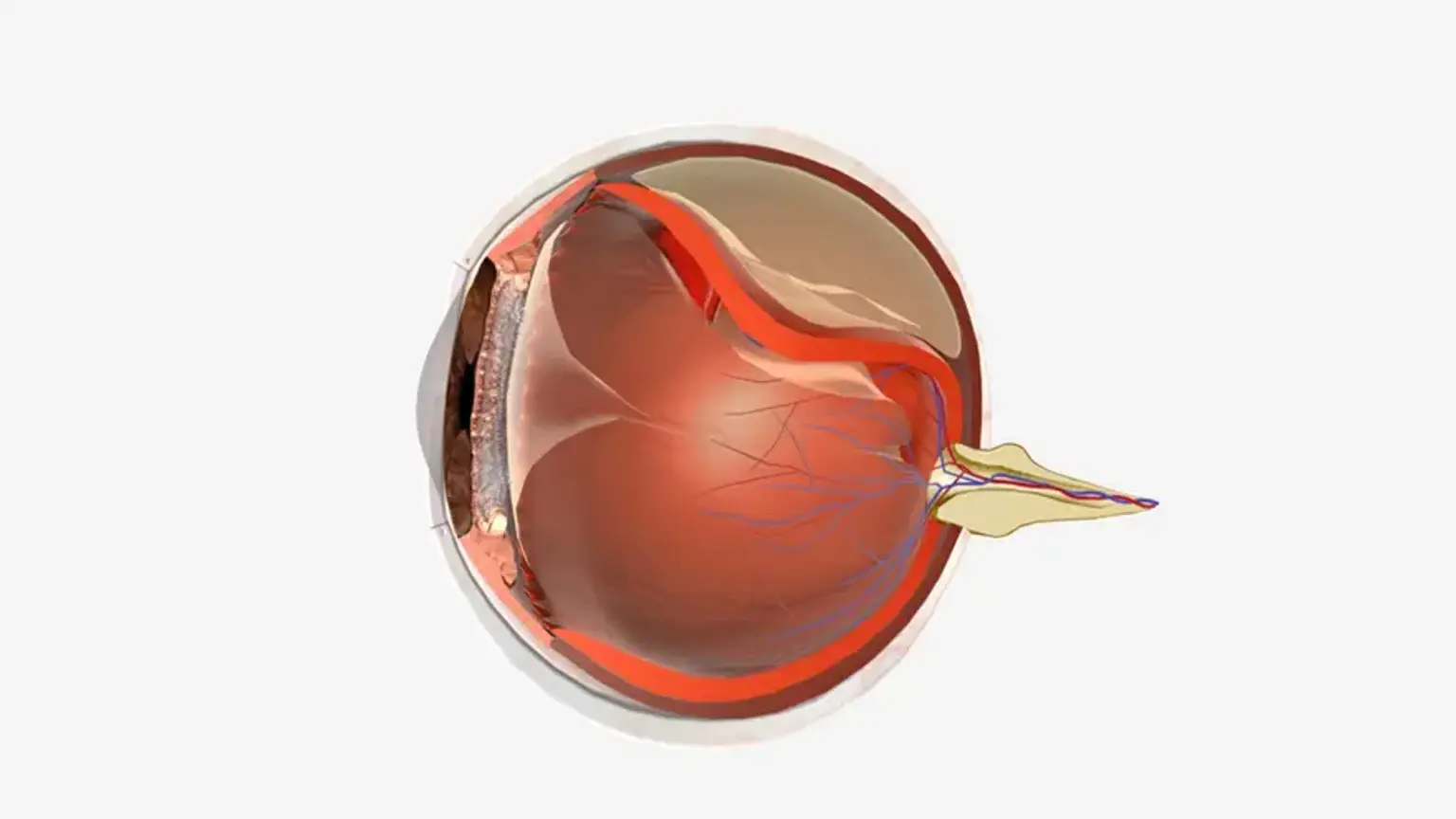
Retinal detachment is a serious ocular condition where the retina, the light sensitive tissue at the back of the eye, separates from its underlying support layers. This can lead to significant vision loss if not treated promptly. Retinal detachment surgery aims to reattach the retina and restore vision. It is one of the most critical procedures in Ophthalmology, and this guide provides a detailed examination of the procedure for individuals considering treatment in South Korea.
What Techniques Are Used for Retinal Detachment Repair?
what-techniques-are-used-for-retinal-detachment-repairRetinal detachment repair commonly involves several sophisticated surgical techniques designed to reattach the retina and prevent further vision loss, with the choice depending on the type and severity of the detachment. The primary goal is to close the retinal breaks that led to the detachment and to flatten the retina against the back wall of the eye.
What Are the Key Benefits of Retinal Detachment Surgery?
what-are-the-key-benefits-of-retinal-detachment-surgeryThe primary benefits of successful retinal detachment surgery are the preservation and potential restoration of vision, preventing permanent blindness in the affected eye.
Vision Preservation: Prevents irreversible loss of vision caused by prolonged detachment.
Vision Improvement: Can restore significant portions of vision, especially if treated promptly.
Quality of Life: Improves overall quality of life by maintaining visual independence.
Pain Relief: Alleviates any associated ocular pain or discomfort.
Prevention of Complications: Reduces the risk of further complications such as severe [proliferative vitreoretinopathy] (PVR) or [glaucoma].
Who Is a Good Candidate for Retinal Detachment Surgery?
who-is-a-good-candidate-for-retinal-detachment-surgeryA good candidate for retinal detachment surgery is typically anyone diagnosed with a rhegmatogenous, exudative, or tractional retinal detachment, particularly if their central vision is threatened.
Diagnosed Retinal Detachment: Individuals with confirmed retinal detachment, regardless of the cause.
Acute Symptoms: Patients experiencing new onset of floaters, light flashes photopsia, or a curtain like shadow in their vision.
Threatened Macula: Urgent candidates include those with a macula-on detachment, where central vision has not yet been significantly affected, requiring immediate intervention to preserve it.
Overall Health: Patients generally in good health, able to tolerate anesthesia and the recovery process.
Commitment to Follow-up: Willingness to adhere to post-operative instructions and attend follow-up appointments.
What Are the Risks and Contraindications of Retinal Detachment Surgery?
what-are-the-risks-and-contraindications-of-retinal-detachment-surgeryWhile generally safe and effective, retinal detachment surgery carries potential risks, and certain conditions may serve as contraindications.
Potential Risks:
Infection: Endophthalmitis
Hemorrhage: Bleeding inside the eye.
Increased Intraocular Pressure (IOP): Can lead to glaucoma.
Cataract Formation: Particularly common after vitrectomy.
Redetachment: The retina may detach again, requiring further surgery.
Diplopia: Double vision.
Vision Loss: Though rare, further vision loss or no improvement can occur.
Silicone Oil Complications: If used, oil may migrate, cause inflammation, or require removal.
Contraindications:
Severe concurrent medical conditions that make surgery unsafe.
Poor prognosis for vision recovery due to long standing detachment or severe PVR.
Unwillingness or inability to comply with post-operative positioning requirements.
What Are the Steps of the Retinal Detachment Procedure?
what-are-the-steps-of-the-retinal-detachment-procedureThe retinal detachment procedure involves several meticulous stages, from initial consultation to the surgical intervention itself, tailored to the specific type of detachment.
Before the Procedure: Consultation and Preparation
before-the-procedure:-consultation-and-preparationThe process begins with a comprehensive ophthalmological examination, including detailed fundoscopy, ultrasound biomicroscopy (UBM), and potentially optical coherence tomography (OCT) to assess the detachment's extent and location of breaks. Patients are instructed on pre-operative care, which may include discontinuing blood-thinning medications and fasting. Anesthesia consultation is also part of this phase.
During the Procedure: What Happens in the Operating Room
during-the-procedure:-what-happens-in-the-operating-roomRetinal detachment surgery is performed under local or general anesthesia. The primary techniques include:
Vitrectomy: Tiny incisions are made in the sclera white part of the eye. The vitreous gel is removed, allowing the surgeon direct access to the retina. Fluid is drained from under the retina, and laser photocoagulation or cryopexy freezing treatment is applied around the retinal breaks to create a scar that seals them. Finally, a gas bubble or silicone oil is injected to hold the retina in place while it heals.
Scleral Buckle: A silicone band is surgically attached to the outside of the eye sclera and tightened, gently pushing the sclera inward. This indents the eye wall, relieving the traction on the retina and supporting the retinal breaks. Fluid may be drained from under the retina, and cryopexy or laser is used to seal breaks.
Pneumatic Retinopexy: For certain types of detachments, a gas bubble is injected into the vitreous cavity. The patient then positions their head so the gas bubble floats against the retinal break, pressing it back into place. Laser or cryopexy is used to seal the break. This is a less invasive option but requires strict head positioning post-operatively.
Immediately After the Procedure: The Initial Recovery Phase
immediately-after-the-procedure:-the-initial-recovery-phaseAfter the procedure, the eye will be patched, and a shield worn. Patients will typically experience some discomfort, swelling, and redness. Eye drops antibiotic and anti-inflammatory will be prescribed. If a gas bubble was used, strict head positioning must be maintained for several days to weeks. Vision will be blurry due to the gas or oil, and it will gradually improve as the eye heals or the gas dissipates.
"After my retinal detachment surgery in Seoul, the recovery was challenging with the head positioning, but the dedication of the nurses and the clear instructions made it manageable. My vision is now stable, and I'm incredibly grateful." – An anonymous patient, Canada.
How Long Is Recovery After Retinal Detachment Surgery?
how-long-is-recovery-after-retinal-detachment-surgeryRecovery after retinal detachment surgery varies depending on the technique used and individual healing, but typically involves several weeks to months.
First Few Days (0-3 days): Significant blurry vision, discomfort, and redness. Strict head positioning if a gas bubble was used is crucial. Avoid strenuous activities.
First Few Weeks (1-4 weeks): Gradual improvement in comfort. Vision slowly begins to clear, especially if a gas bubble is present and dissipating. Continue prescribed eye drops. Avoid heavy lifting and rubbing the eye.
First Few Months (1-3 months): Vision continues to improve. Most restrictions are lifted, but contact sports or activities that could impact the eye may still be discouraged. Final visual acuity assessed.
Long-Term (3-6+ months): Complete healing and stabilization of vision. Any silicone oil removal, if required, would typically be performed around this time. Regular follow-up appointments are essential to monitor for redetachment or other complications.
How Long Do Retinal Detachment Surgery Results Last?
how-long-do-retinal-detachment-surgery-results-lastThe results of successful retinal detachment surgery are generally considered permanent, as the reattached retina is scarred into place. However, this does not preclude new retinal breaks or detachments from occurring in the future in the same or the other eye, particularly in individuals with predisposing factors such as severe myopia or lattice degeneration. Regular ophthalmological check-ups are therefore crucial for ongoing monitoring.
Recommended Clinics with Relevant Expertise in South Korea
recommended-clinics-with-relevant-expertise-in-south-koreaWebsite | Clinic Name | Best Known For | Address | Contact |
|---|---|---|---|---|
Gangnam St. Mary’s One Eye Clinic | Retinal Diseases, Dry Eye Care, Corneal Transplantation | Seocho-gu, Seoul, South Korea | ||
GS Eye Center | Retinal Diseases, Lens Implant for Presbyopia, Silk SMILE | Gangnam-gu, Seoul, South Korea | ||
Gangnam Joeunnun Vision Clinic | Advanced Laser Vision Correction | Gangnam-gu, Seoul, South korea | ||
Global Ubal Eye Center | International Patient Services | Jung-gu, Incheon, South Korea | ||
SNU Eye Clinic | Comprehensive Ophthalmology Services | Gangnam-gu, Seoul, South Korea | ||
Bright Eye Clinic - Gangnam | Offers comprehensive vision correction (SMILE, LASIK, SMILE PRO) | Seocho, Seoul, South Korea | ||
Blue eye Clinic | Comprehensive Eye Health Services | Gangnam, Seoul, South Korea | ||
Samyook Busan Adventist Hospital | Christian-based Healthcare, Eye Care | Busan, Seo-gu, South Korea |
Recommended Treatment/Procedure Names with Average Costs in South Korea
recommended-treatmentprocedure-names-with-average-costs-in-south-koreaTreatment/Procedure Name | Treatment Duration | Hospitalization? | Avg Cost Range (USD) in S. Korea | Contact |
|---|---|---|---|---|
Vitreoretinal Surgery | 1-3 hours | Needed (1 day) | $8,000 - $20,000 | |
Retinal Detachment Surgery | 1-2 hours | Needed (1-2 days) | $7,000 - $18,000 | |
Cataract Surgery | 15-30 minutes | Not Needed | $2,000 - $4,000 | |
Premium Cataract Surgery with IOLs | 15-30 minutes | Not Needed | $3,500 - $7,500 | |
LASIK / LASEK | 10-15 minutes | Not Needed | $1,800 - $3,500 | |
SMILE Eye Surgery | 10-15 minutes | Not Needed | $2,200 - $4,000 | |
Implantable Collamer Lens (ICL) Surgery | 20-30 minutes | Not Needed | $4,000 - $6,500 | |
Presbyopia Correction | 15-30 minutes | Not Needed | $3,500 - $7,000 | |
Astigmatism Refractive Surgery | 10-20 minutes | Not Needed | $2,000 - $5,000 | |
Dry Eye Treatment (e.g., IPL) | 20-30 minutes | Not Needed | $250 - $600 | |
Glaucoma Treatment (e.g., SLT, MIGS) | 10-20 minutes | Not Needed | $1,500 - $3,500 | |
Corneal Transplantation Surgery | 1-2 hours | Needed (1-3 days) | $12,000 - $25,000 | |
Treatment for Keratoconus (e.g., CXL) | 30-60 minutes | Not Needed | $2,500 - $4,500 | |
Pediatric Eye Care | 20-30 minutes | Not Needed | $250 - $600 | |
Treatment of Eye Surgical Complications | 1-2 hours | Not Needed | $500 - $1,000 |
Frequently Asked Questions (FAQs) about Retinal Detachment Surgery
frequently-asked-questions-(faqs)-about-retinal-detachment-surgery1. What are the success rates of retinal detachment surgery in Korea?
1.-what-are-the-success-rates-of-retinal-detachment-surgery-in-koreaSuccess rates for reattaching the retina with a single surgery in Korea generally range from 85% to 95%, depending on the complexity of the detachment and the technique used. However, achieving optimal vision may take longer and might require additional procedures.
2. Will I have a visible scar from retinal detachment surgery?
2.-will-i-have-a-visible-scar-from-retinal-detachment-surgeryFor vitrectomy, incisions are typically very small and heal without noticeable external scarring. With a scleral buckle procedure, the band is placed under the conjunctiva and is not usually visible externally, though there may be a subtle change in eye appearance or feeling.
3. How soon can I exercise after the procedure?
3.-how-soon-can-i-exercise-after-the-procedureLight activities can typically resume within a few weeks, but strenuous exercise, heavy lifting, or activities that involve straining or head-down positions should be avoided for at least 1-3 months. Your surgeon will provide specific guidelines based on your individual recovery.
4. Is the retinal detachment procedure painful?
4.-is-the-retinal-detachment-procedure-painfulDuring the procedure, you will not experience pain due to anesthesia. After surgery, it is common to have some discomfort, soreness, and a gritty sensation, which can be managed with prescribed pain medication. Significant or worsening pain should be reported to your surgeon immediately.
5. What is the cost of retinal detachment surgery in Korea?
5.-what-is-the-cost-of-retinal-detachment-surgery-in-koreaThe average cost of retinal detachment surgery in South Korea typically ranges from $4,000 to $10,000 USD, though this can vary significantly based on the specific surgical technique, the clinic, the surgeon's experience, and the extent of the detachment. This estimate usually covers the surgical fee, anesthesia, and initial post-operative care.
6. What if my retina detaches again after surgery?
6.-what-if-my-retina-detaches-again-after-surgeryIf the retina detaches again after initial surgery redetachment, further surgical intervention is usually necessary. The approach for a secondary surgery may involve a different technique or the use of silicone oil, aiming to successfully reattach the retina and stabilize vision.
7. How to choose the best eye clinic for retinal detachment in Korea?
7.-how-to-choose-the-best-eye-clinic-for-retinal-detachment-in-koreaChoosing the best eye clinic for retinal detachment in Korea involves considering factors like the clinic's specialization in vitreoretinal surgery, the experience and subspecialty training of the ophthalmologists, patient outcomes and testimonials, and the availability of advanced diagnostic and surgical technologies. Reputable clinics often have affiliations with university hospitals.
Restore Your Vision: Inquire About Retinal Detachment Surgery Today!
restore-your-vision:-inquire-about-retinal-detachment-surgery-todayTaking the decisive step towards addressing retinal detachment can safeguard your vision and significantly enhance your quality of life. Don't let uncertainty delay your path to recovery. Reach out today to explore advanced surgical options in South Korea with the assurance of expert care. Our dedicated Care Managers are ready to provide seamless, transparent support from your initial inquiry through to post-recovery, ensuring a smooth and stress-free experience. Get Free Treatment Plan & Quote with Cloud Hospital.