

The clinical information regarding SMILE vs. LASEK: Choosing the Right Option for You in this article has been rigorously verified against the latest guidelines from the American Academy of Ophthalmology (AAO) and primary research from databases like PubMed. This piece was reviewed for accuracy and patient-centric clarity and was last updated in October 2023.
Introduction
introductionChoosing to undergo laser vision correction is a significant decision that can dramatically improve your quality of life. Among the most advanced and popular procedures available today are SMILE Small Incision Lenticule Extraction and LASEK Laser-Assisted Sub-Epithelial Keratectomy. While both can deliver exceptional results, they use different techniques and are suited for different patient profiles. This guide provides a clear, objective comparison of their mechanisms, recovery processes, and ideal candidacies to help you make a fully informed decision with your ophthalmologist.
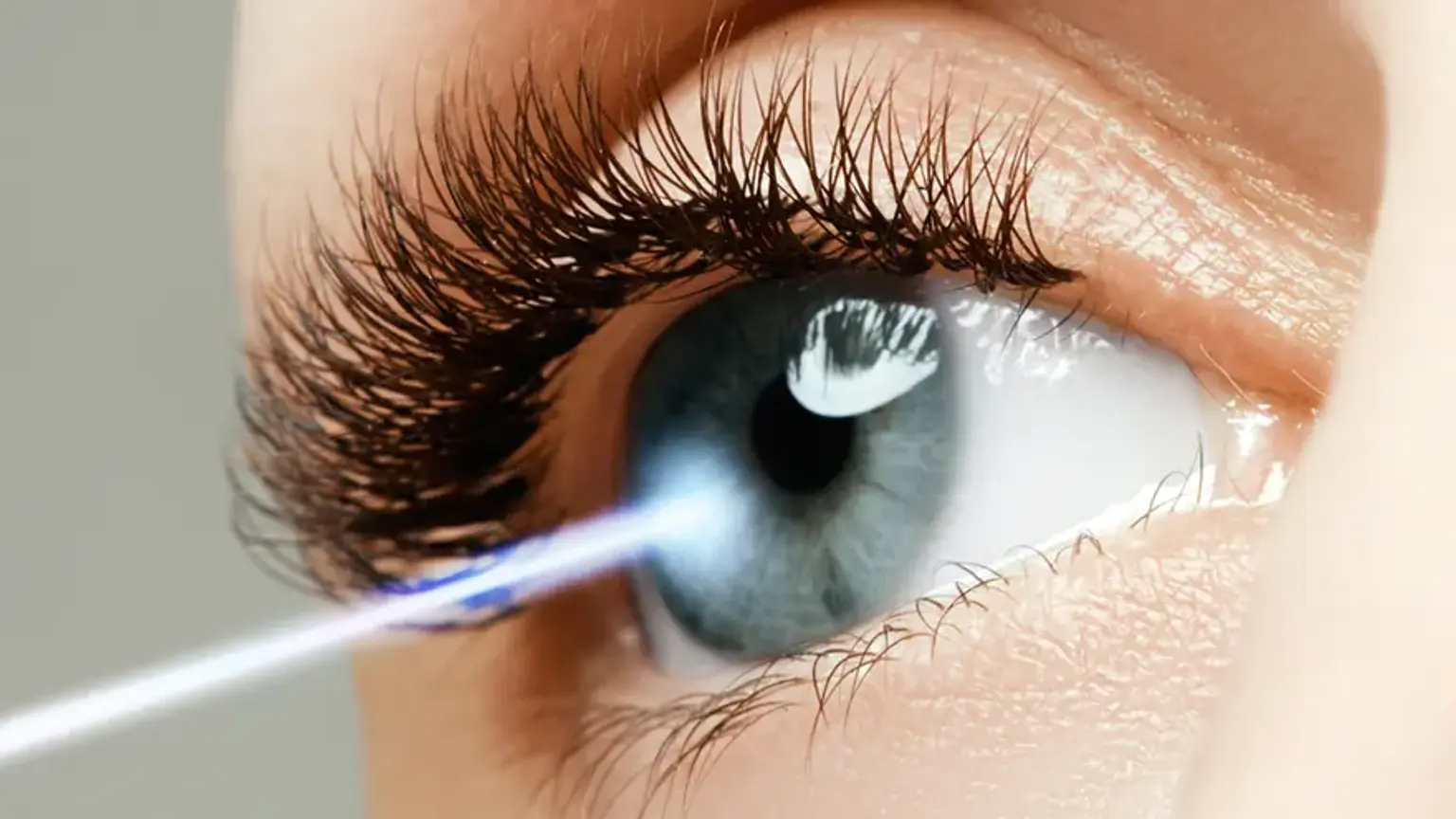
What is SMILE Eye Surgery and Who Is It For?
what-is-smile-eye-surgery-and-who-is-it-forSMILE is a minimally invasive, flapless laser eye surgery designed to correct myopia nearsightedness and astigmatism. It is considered a third-generation refractive procedure, combining the advantages of its predecessors into a single, efficient step.
The SMILE Procedure:
A high-precision femtosecond laser is used to create a tiny, lens-shaped piece of tissue called a lenticule inside the cornea. The laser then makes a micro-incision typically 2-4mm on the corneal surface. The surgeon carefully removes the lenticule through this small opening, which reshapes the cornea and corrects the refractive error. The entire laser portion of the procedure often takes less than 30 seconds per eye.
Who is an Ideal Candidate?
Patients with Moderate to High Myopia: SMILE is FDA-approved for nearsightedness from -1.00 to -10.00 diopters.
Patients with Astigmatism: It can correct astigmatism up to -3.00 diopters.
Those with Dry Eyes or Contact Lens Intolerance: Because SMILE does not create a large corneal flap, it severs fewer corneal nerves. This often results in a lower incidence and severity of post-operative dry eye syndrome compared to flap-based procedures.
Athletes and Individuals in High-Contact Professions: The absence of a flap eliminates the risk of flap-related complications from trauma, making it a preferred choice for military personnel, police officers, and athletes.
Pros of SMILE:
Minimally Invasive: The small incision promotes greater biomechanical stability of the cornea.
Reduced Dry Eye Risk: Fewer corneal nerves are disrupted.
Fast Visual Recovery: Many patients report functional vision within 24-48 hours.
No Flap-Related Complications: Eliminates risks like flap displacement.
Cons of SMILE:
Not for Farsightedness: SMILE is not currently approved to treat farsightedness.
Limited Availability: Requires a specific femtosecond laser system VisuMax, which may not be available at all clinics.
Enhancements are More Complex: If a touch-up is needed later, it is typically performed using a surface ablation procedure like LASEK or PRK, not a repeat SMILE.
What is LASEK Eye Surgery and Who Is It For?
what-is-lasek-eye-surgery-and-who-is-it-forLASEK is an advanced surface ablation procedure, meaning it reshapes the cornea directly on its surface without creating a permanent flap. It is an evolution of an earlier procedure, PRK Photorefractive Keratectomy, and is an excellent option for patients who may not be suitable candidates for flap-based surgeries like LASIK.
The LASEK Procedure:
The surgeon applies a diluted alcohol solution to the eye, which loosens the outermost layer of the cornea, the epithelium. This epithelial sheet is gently pushed aside. An excimer laser is then used to ablate, or vaporize, a microscopic amount of corneal tissue, precisely reshaping it to correct the refractive error. Afterward, the epithelial sheet is repositioned, and a protective bandage contact lens is placed on the eye to aid healing for several days.
Who is an Ideal Candidate?
Patients with Thin Corneas: Since no flap is created, more corneal tissue is preserved, making it a safer option for individuals with thinner-than-average corneas.
Individuals with Pre-existing Dry Eye: Like SMILE, it is often preferred over LASIK for those with dry eye concerns.
Low to Moderate Refractive Errors: LASEK is highly effective for myopia, hyperopia farsightedness, and astigmatism.
Those with High-Risk Occupations: Similar to SMILE, the absence of a flap makes it suitable for individuals at risk of eye trauma.
Pros of LASEK:
No Flap Complications: The primary advantage is the complete absence of flap-related risks.
Suitable for Thin Corneas: A key option for patients disqualified from LASIK.
Treats a Wide Range of Errors: Can correct myopia, hyperopia, and astigmatism.
Lower Long-Term Dry Eye Risk: Compared to LASIK.
Cons of LASEK:
Longer, More Uncomfortable Recovery: The initial healing phase involves more discomfort and blurry vision compared to SMILE. The bandage contact lens is typically worn for 3-5 days.
Slower Visual Recovery: It can take several weeks to a few months for vision to fully stabilize and reach its optimal clarity.
Slight Risk of Corneal Haze: There is a small risk of developing corneal haze during healing, though this is managed with post-operative steroid eye drops.
What Are the Key Differences Between SMILE and LASEK?
what-are-the-key-differences-between-smile-and-lasekThe primary difference between SMILE and LASEK lies in the surgical technique and its impact on recovery. SMILE is a flapless procedure that works within the cornea by removing a lenticule through a keyhole incision, while LASEK is a surface ablation procedure that works on the cornea after temporarily moving the epithelial layer.
Feature | SMILE (Small Incision Lenticule Extraction) | LASEK (Laser-Assisted Sub-Epithelial Keratectomy) |
|---|---|---|
Procedure Technique | A femtosecond laser creates and removes a lenticule from within the cornea via a small incision. | The surface epithelium is moved aside, and an excimer laser reshapes the underlying cornea. |
Incision/Flap | No flap. A single, small keyhole incision (2-4 mm). | No flap. The surface epithelial layer is temporarily moved. |
Laser Used | Femtosecond Laser only. | Excimer Laser (plus an alcohol solution to loosen the epithelium). |
Correctable Errors | Myopia and Astigmatism. | Myopia, Hyperopia, and Astigmatism. |
Initial Discomfort | Minimal. Usually mild irritation for a few hours. | Moderate. Discomfort, light sensitivity, and watering for 2-4 days. |
Visual Recovery | Fast. Functional vision in 24-48 hours. Full stabilization in weeks. | Slow. Blurry vision for days to weeks. Full stabilization can take 1-3 months. |
Ideal Candidate | Active individuals, moderate-to-high myopia, concerns about dry eyes. | Thin corneas, any refractive error, those ineligible for LASIK. |
Dry Eye Incidence | Lowest. Minimal nerve disruption. | Low. Lower than LASIK, but potentially more than SMILE initially. |
Cost | Generally higher due to the technology involved. | Generally more affordable than SMILE. |
How Do I Choose the Right Option For Me?
how-do-i-choose-the-right-option-for-meThe final decision must be made after a comprehensive eye examination and consultation with an experienced refractive surgeon. However, based on the key differences, here is a guide to help you understand which procedure might be a better fit for your priorities.
You might prefer SMILE if:
A fast recovery is your top priority. You want to return to work and daily activities with clear vision as quickly as possible.
You have an active lifestyle or a high-contact job and want to eliminate any risk of flap displacement.
You suffer from significant dry eye or contact lens intolerance.
You have moderate-to-high nearsightedness with or without astigmatism.
You might prefer LASEK if:
You have been told you have thin corneas. This is often the safest and most effective option in this case.
You need to correct farsightedness hyperopia. SMILE is not an option for this refractive error.
You are willing to accept a longer and more uncomfortable recovery period for the long-term benefit of a flapless procedure.
Cost is a significant factor, as LASEK is typically less expensive than SMILE.
"I was a good candidate for both, but the decision came down to my job as a graphic designer. I couldn't afford weeks of blurry vision. I chose SMILE for the rapid recovery, and I was back to work comfortably in three days. The clarity was incredible, and it was the right choice for my specific needs." – An anonymous patient, Australia.
Recommended Clinics with Relevant Expertise in South Korea
recommended-clinics-with-relevant-expertise-in-south-koreaSouth Korea is a global leader in ophthalmology, offering advanced technology and highly experienced surgeons. The following clinics and hospitals are renowned for their expertise in a wide range of vision correction procedures.
Website | Clinic Name | Best Known For | Address | Contact |
|---|---|---|---|---|
SNU Eye Clinic | University-hospital level care, complex refractive cases, and retinal diseases. | Gangnam-gu, Seoul, South Korea | ||
Gangnam Joeunnun Vision Clinic | High-volume vision correction including SMILE, LASIK, and ICL surgery. | Gangnam-gu, Seoul, South korea | ||
Jryn Eye Clinic | Premium IOLs for cataract surgery, presbyopia correction, and advanced vision correction. | Busanjin-gu, Busan, South Korea | ||
Global Ubal Eye Center | Implantable Collamer Lens (ICL) surgery and complex vision correction. | Jung-gu, Incheon, South Korea | ||
Cha University Bundang Medical Center | Comprehensive ophthalmology in a major, state-of-the-art university hospital. | Bundang-gu, Seongnam-si, South Korea | ||
Chosun University Hospital | Full-spectrum eye care at a leading regional academic medical center. | Gwangju, Dong-gu, South Korea | ||
Kangdong Sacred Heart Hospital | Specialized treatment for retinal diseases, glaucoma, and complex eye surgeries. | Gangdong-gu ,Seoul, South Korea | ||
Samyook Busan Adventist Hospital | General and specialized ophthalmology services in the Busan region. | Seo-gu, Busan, South Korea |
Recommended Treatment/Procedure Names with Average Costs in South Korea
recommended-treatmentprocedure-names-with-average-costs-in-south-koreaThe cost of ophthalmic procedures in South Korea is highly competitive, especially given the level of technology and expertise available. Below are estimates for common treatments.
Treatment/Procedure Name | Treatment Duration | Hospitalization? | Avg Cost Range (USD) in S. Korea | Contact |
|---|---|---|---|---|
SMILE Eye Surgery | 10-15 mins | Not Needed | $2,200 - $3,500 | |
LASEK | 10-15 mins | Not Needed | $1,500 - $2,800 | |
LASIK | 10-15 mins | Not Needed | $1,800 - $3,000 | |
Implantable Collamer Lens (ICL) Surgery | 20-30 mins | Not Needed | $4,000 - $6,500 | |
Cataract Surgery (Monofocal IOL) | 20-30 mins | Not Needed | $2,000 - $4,000 | |
Premium Cataract Surgery with IOLs | 20-30 mins | Not Needed | $3,500 - $6,000 | |
Presbyopia Correction (Surgical) | 15-30 mins | Not Needed | $2,500 - $5,500 | |
Astigmatism Refractive Surgery | 10-20 mins | Not Needed | $1,500 - $3,500 | |
Corneal Transplantation Surgery | 1-2 hours | Needed (1-2 days) | $8,000 - $15,000 | |
Treatment for Keratoconus (CXL) | 30-60 mins | Not Needed | $1,500 - $2,500 | |
Dry Eye Treatment (e.g., IPL) | 15-20 mins | Not Needed | $200 - $500 | |
Glaucoma Treatment (e.g., SLT) | 10-15 mins | Not Needed | $500 - $1,200 | |
Vitrectomy (Vitreoretinal Surgery) | 1-3 hours | Needed (1-3 days) | $6,000 - $12,000 | |
Retinal Detachment Surgery | 1-2 hours | Needed (1-3 days) | $7,000 - $14,000 |
Frequently Asked Questions About SMILE and LASEK
frequently-asked-questions-about-smile-and-lasekThis section addresses common follow-up questions to help you finalize your decision.
1. Is SMILE safer or more painful than LASEK?
1.-is-smile-safer-or-more-painful-than-lasekNeither procedure is inherently safer when performed on the right candidate by a skilled surgeon; both have outstanding safety profiles. Safety depends on proper patient selection. Regarding pain, SMILE is significantly less painful. Patients typically experience minimal discomfort for only a few hours post-surgery. LASEK involves moderate pain and irritation for 2-4 days as the epithelial layer heals.
2. Which procedure is better for thin corneas or high prescriptions?
2.-which-procedure-is-better-for-thin-corneas-or-high-prescriptionsLASEK is generally the preferred procedure for patients with thin corneas because it preserves more stromal tissue by not creating a flap or lenticule. For high myopia nearsightedness, SMILE is an excellent option as it is approved for up to -10.00 diopters and maintains excellent corneal biomechanical integrity. The best option for a high prescription with a thin cornea must be determined by the surgeon's precise measurements.
3. How does the risk of long-term side effects compare?
3.-how-does-the-risk-of-long-term-side-effects-compareThe most discussed long-term side effect is dry eye. SMILE has a distinct advantage, with multiple studies showing a lower incidence and shorter duration of post-operative dry eye symptoms compared to both LASEK and LASIK. The risk of long-term complications like ectasia corneal weakening is extremely low for both procedures but is theoretically minimized by SMILE's less invasive nature and LASEK's preservation of the stromal bed.
4. Can SMILE or LASEK be revised later if my vision changes?
4.-can-smile-or-lasek-be-revised-later-if-my-vision-changesYes, but the methods differ. A LASEK procedure can typically be enhanced with another surface ablation procedure. Enhancing a SMILE procedure is more complex. Because a lenticule cannot be re-created, enhancements are usually done on the surface using LASEK or PRK.
5. Does insurance cover SMILE or LASEK?
5.-does-insurance-cover-smile-or-lasekIn most countries, laser vision correction procedures like SMILE and LASEK are considered elective and are not covered by standard health insurance plans. They are typically paid for out-of-pocket. Some specialized vision insurance plans may offer partial coverage or a discount, so it is always best to check with your provider directly.
See Clearly: Find Your Ideal Vision Correction Solution in Korea Now!
see-clearly:-find-your-ideal-vision-correction-solution-in-koreaMaking the choice between advanced procedures like SMILE and LASEK is the first step toward a life free from glasses and contact lenses. The world-class ophthalmology centers in South Korea offer the technology, expertise, and affordability to make this goal a reality. To navigate this journey with confidence, you need a partner who can provide clear information and seamless support. By inquiring through a dedicated medical tourism platform, you gain access to a Care Manager who handles everything from clinic consultations to travel arrangements, ensuring a transparent and stress-free experience. And Start Your Confidential Inquiry through CloudHospital to receive a personalized treatment plan and quote from Korea's top eye specialists.