

The clinical information regarding Managing Diabetic Retinopathy in this article has been rigorously verified against the latest guidelines from the American Academy of Ophthalmology (AAO) and primary research from databases like PubMed. This piece was reviewed for accuracy and patient-centric clarity and was last updated in October 2023.
Introduction
introduction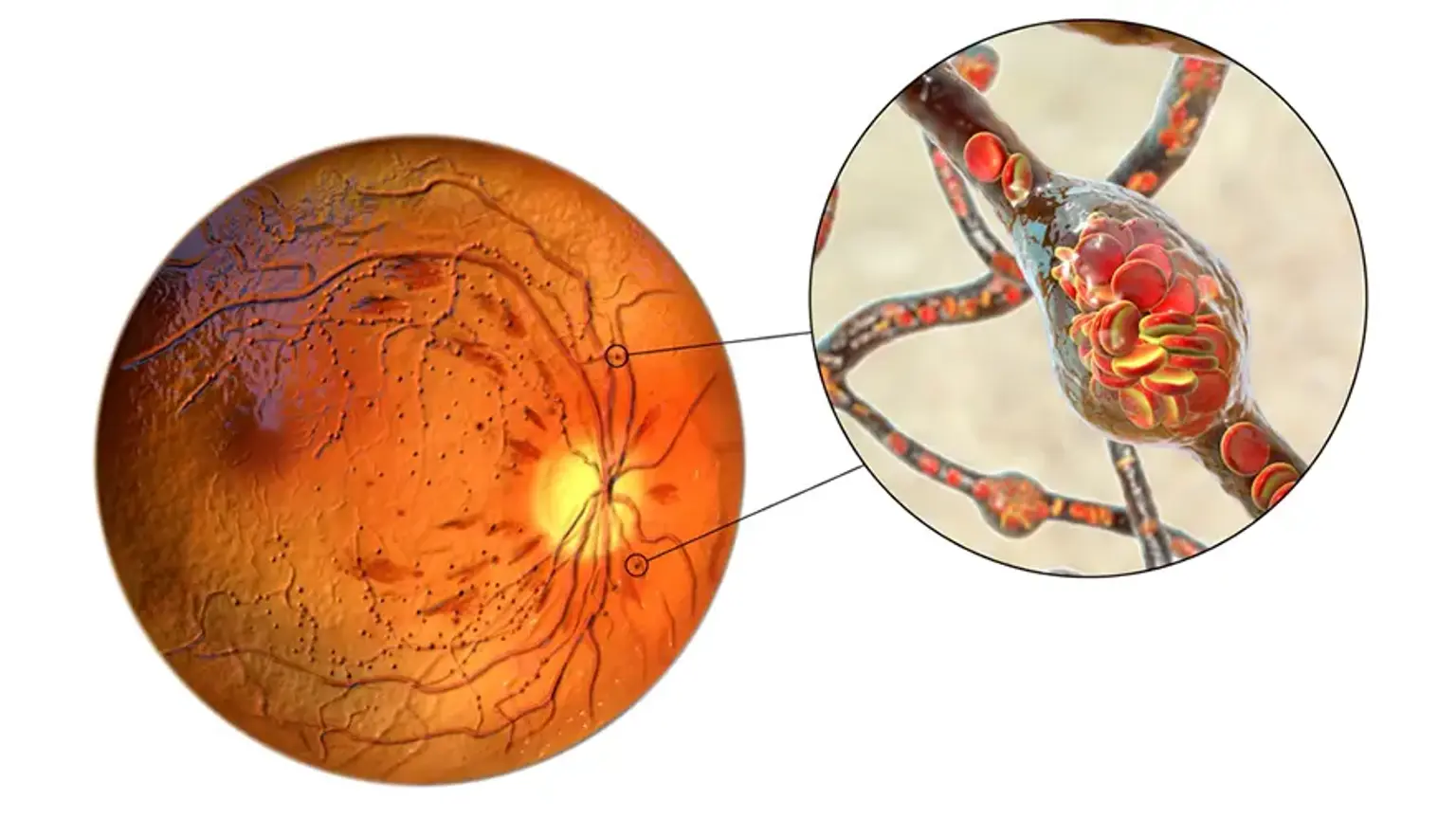
South Korea has established itself as a global powerhouse in advanced medical care, attracting over 2.76 million international patients between 2009 and 2019. This reputation is built on a foundation of technological superiority, rigorous clinical training, and exceptional patient outcomes, particularly in specialized fields like ophthalmology. For patients with diabetic retinopathy, a complex and vision threatening complication of diabetes, Korea’s synthesis of precision diagnostics and innovative treatment offers a critical advantage in preserving sight. This article explores the specific factors that make South Korea a premier destination for managing this challenging condition.
How do Korean doctors treat diabetic retinopathy?
how-do-korean-doctors-treat-diabetic-retinopathyKorean ophthalmologists treat diabetic retinopathy through a multi faceted strategy that combines meticulous monitoring, early intervention with advanced therapies, and sophisticated surgical techniques. The approach is deeply rooted in preventing disease progression and preserving vision, rather than simply reacting to advanced stages. This begins with ultra precise diagnostics using tools like high resolution Optical Coherence Tomography (OCT) and fluorescein angiography to map retinal damage in minute detail. Treatment plans are highly personalized, prioritizing minimally invasive options like anti VEGF injections and targeted laser therapy before considering more complex procedures like a vitrectomy.
What advanced treatments for diabetic retinopathy are used in Korea?
what-advanced-treatments-for-diabetic-retinopathy-are-used-in-koreaSouth Korean eye centers utilize a full spectrum of state of the art treatments, often pioneering their application and refinement for better patient outcomes.
Anti-VEGF Injections: This is a frontline treatment for diabetic macular edema (DME), a common cause of vision loss in diabetic retinopathy. Drugs like Avastin, Lucentis, and Eylea are administered directly into the eye to block the protein responsible for abnormal blood vessel growth and leakage. Korean clinics excel in the precise delivery and management of these therapies for maximum effect.
Targeted Laser Therapy (Photocoagulation): Modern laser systems are used with exceptional precision. For proliferative diabetic retinopathy, panretinal photocoagulation (PRP) is used to treat the peripheral retina to stop the growth of fragile, new blood vessels. For macular edema, focal laser therapy is used to seal specific leaking microaneurysms identified through advanced imaging.
Micro-Incision Vitreoretinal Surgery (MIVS): When bleeding into the vitreous gel or retinal detachment occurs, a vitrectomy is necessary. Korean surgeons are renowned for their expertise in MIVS, which uses smaller incisions (25- or 27-gauge) than traditional surgery. This leads to faster healing, less inflammation, and a reduced need for sutures, significantly improving the patient recovery experience.
Is laser treatment for diabetic retinopathy successful in Korea?
is-laser-treatment-for-diabetic-retinopathy-successful-in-koreaYes, laser treatment for diabetic retinopathy is highly successful in Korea due to the combination of advanced technology and clinician expertise. The success of panretinal photocoagulation (PRP) in regressing new vessel growth and preventing severe vision loss is well established, with studies showing it can reduce the risk of severe vision loss by 50% or more. In Korea, the use of pattern scanning lasers allows for faster, more comfortable, and equally effective treatments compared to older, single spot methods. This technological edge, combined with the skill of vitreoretinal surgeons in customizing treatment patterns, ensures optimal outcomes for patients.
Why choose South Korea for complex retinal surgery?
why-choose-south-korea-for-complex-retinal-surgeryChoosing South Korea for complex retinal surgery offers distinct advantages in technology, surgical skill, and integrated patient care. The country's top university hospitals and specialized eye centers are equipped with the latest surgical suites, including 3D visualization systems that give surgeons unparalleled views of the delicate retinal structures. Furthermore, the training for a vitreoretinal surgeon in Korea is exceptionally demanding, ensuring a high level of proficiency and experience with the most challenging cases, such as tractional retinal detachments. This technical excellence is matched by a system designed for international patients, ensuring a seamless experience from diagnosis through recovery.
"The clarity of the OCT scan was incredible. The doctor in Seoul didn't just tell me I had macular edema; he showed me a 3D map of my retina and explained the entire treatment plan. The precision and confidence were on a different level from anything I had experienced before." – An anonymous patient, United States.
The patient experience is further enhanced by services specifically designed for international visitors:
Dedicated Care Teams: Multilingual medical coordinators manage every aspect of the visit, eliminating language barriers and logistical stress.
Advanced Facilities: Korean hospitals are known for their modern, clean, and comfortable environments, which feel more like high end hotels than clinical institutions.
Integrated Care Pathways: Services are bundled into efficient packages that often include initial consultations, diagnostics, treatment, and follow up care, providing transparency and convenience.
Recommended Clinics with Relevant Expertise in South Korea
recommended-clinics-with-relevant-expertise-in-south-koreaBelow is a list of leading South Korean medical centers known for their advanced ophthalmology departments and experience in treating international patients.
Website | Clinic Name | Best Known For | Address | Inquire Now |
|---|---|---|---|---|
SNU Eye Clinic | Comprehensive ophthalmology at a leading university hospital, extensive research and complex case management. | Gangnam-gu, Seoul, South Korea | ||
Gangnam Joeunnun Vision Clinic | High-volume vision correction surgery, with specialized departments for retinal and cataract diseases. | Gangnam-gu, Seoul, South Korea | ||
Jryn Eye Clinic | Advanced vision correction and premium cataract surgery, with expertise in comprehensive eye care. | Busan-gu, Seoul, South Korea | ||
Global Ubal Eye Center | Specialized eye care including presbyopia correction, retinal treatments, and pediatric ophthalmology. | Incheon-gu, Seoul, South Korea | ||
Cha University Bundang Medical Center | Major university medical center with a strong, research-driven ophthalmology department. | Seongnam-si, Gyeonggi-do, South Korea | ||
Chosun University Hospital | Leading regional university hospital with comprehensive services for complex retinal diseases. | Buk-gu, Gwangju, South Korea | ||
Kangdong Sacred Heart Hospital | University-affiliated hospital known for its skilled specialists and advanced diagnostic capabilities. | Gangdong-gu, Seoul, South Korea | ||
Samyook Busan Adventist Hospital | Comprehensive medical care in Busan with a dedicated ophthalmology center for various eye conditions. | Busanjin-gu, Busan, South Korea |
Recommended Treatment/Procedure Names with Average Costs in South Korea
recommended-treatmentprocedure-names-with-average-costs-in-south-koreaThe following table provides an overview of common ophthalmological procedures available in South Korea, including those relevant to diabetic retinopathy and other eye conditions. Costs are estimates and can vary based on the clinic and specific patient needs.
Treatment/Procedure Name | Treatment Duration | Hospitalization? | Avg Cost Range (USD) in S. Korea | Contact |
|---|---|---|---|---|
Retinal Diseases Treatment (e.g., Anti-VEGF) | 15-20 mins | Not Needed | $500 - $1,200 | |
Vitreoretinal Surgery | 1 - 3 hours | Needed (1-2 days) | $7,000 - $15,000 | |
Retinal Detachment Surgery | 1 - 2 hours | Needed (1 day) | $6,000 - $12,000 | |
LASIK / LASEK Surgery | 15 - 20 mins | Not Needed | $2,000 - $4,500 | |
SMILE Eye Surgery | 20 - 30 mins | Not Needed | $2,500 - $5,000 | |
Cataract Surgery (Standard) | 20 - 30 mins | Not Needed | $1,800 - $3,000 | |
Premium Cataract Surgery with IOLs | 30 - 45 mins | Not Needed | $3,500 - $7,000 | |
Implantable Collamer Lens (ICL) Surgery | 20 - 30 mins | Not Needed | $4,500 - $6,500 | |
Dry Eye Treatment (e.g., IPL) | 15-20 mins | Not Needed | $150 - $400 | |
Glaucoma Treatment (e.g., SLT Laser) | 10 - 15 mins | Not Needed | $800 - $1,500 | |
Corneal Transplantation Surgery | 1 - 2 hours | Needed (1-3 days) | $10,000 - $20,000 |
What to Know Before Seeking Treatment in Korea
what-to-know-before-seeking-treatment-in-koreaNavigating medical care abroad requires preparation. Here are answers to common questions for patients considering diabetic retinopathy treatment in South Korea.
1. How is the language barrier handled in Korean clinics?
1.-how-is-the-language-barrier-handled-in-korean-clinicsLeading Korean hospitals that cater to international patients have dedicated International Patient Centers staffed with fluent multilingual coordinators (including English, Chinese, Russian, Arabic, and more). These coordinators assist with everything from scheduling and medical interpretation during appointments to administrative procedures, ensuring clear communication at all times.
2. Is treatment in Korea safe for international patients?
2.-is-treatment-in-korea-safe-for-international-patientsYes, medical care in South Korea is exceptionally safe. The country has one of the most rigorous healthcare regulatory systems in the world, overseen by the Ministry of Health and Welfare. Hospitals are held to incredibly high standards for hygiene, credentialing, and technology. Many top centers are also accredited by international bodies like the JCI (Joint Commission International), signifying adherence to global patient safety goals.
3. How can I prevent diabetic retinopathy from getting worse?
3.-how-can-i-prevent-diabetic-retinopathy-from-getting-worseThe most critical factor in preventing the progression of diabetic retinopathy is strict management of the underlying diabetes. This involves maintaining stable blood glucose control (as measured by HbA1c levels), managing blood pressure, and controlling cholesterol. Regular, comprehensive dilated eye exams are crucial for early detection and timely intervention, which can significantly slow or halt disease progression.
4. Why are costs often lower in Korea for high-quality procedures?
4.-why-are-costs-often-lower-in-korea-for-high-quality-proceduresThe cost effectiveness of Korean healthcare is driven by several factors. The government's efficient management of the national health system helps control overheads. Additionally, the high volume of procedures performed allows for economies of scale. This efficiency allows clinics to invest in the latest technology and top talent while offering prices that are often significantly lower than in countries like the United States, without compromising on quality.
Preserve Your Vision: Inquire About Advanced Care in Korea Now!
preserve-your-vision:-inquire-about-advanced-care-in-koreaTaking control of diabetic retinopathy is a critical step in protecting your long term vision. The combination of technological leadership, world-class specialists, and a patient-focused system makes South Korea an outstanding choice for your care. By inquiring through CloudHospital, you gain access to a seamless, transparent process and a dedicated Care Manager who provides end-to-end support, from initial medical review to your post-recovery journey. Do not wait for your vision to worsen. And Start Your Confidential Inquiry to receive a personalized treatment plan from a top Korean specialist.