
The clinical information regarding Surgical vs. Non Surgical Open Bite Correction in Korea in this article has been rigorously verified against the latest guidelines from the American Dental Association ADA and primary research from databases like PubMed. This piece was reviewed for accuracy and patient centric clarity and was last updated in May 2024.
Introduction
introductionOpen bite correction is a significant dental concern affecting both aesthetics and function. Patients often face a critical decision between surgical and non surgical approaches. Choosing between these options is a significant decision for patients seeking effective results in Dentistry. This guide is designed to provide a clear, objective comparison to help them make an informed choice.
What is Surgical Open Bite Correction and Who Is It For?
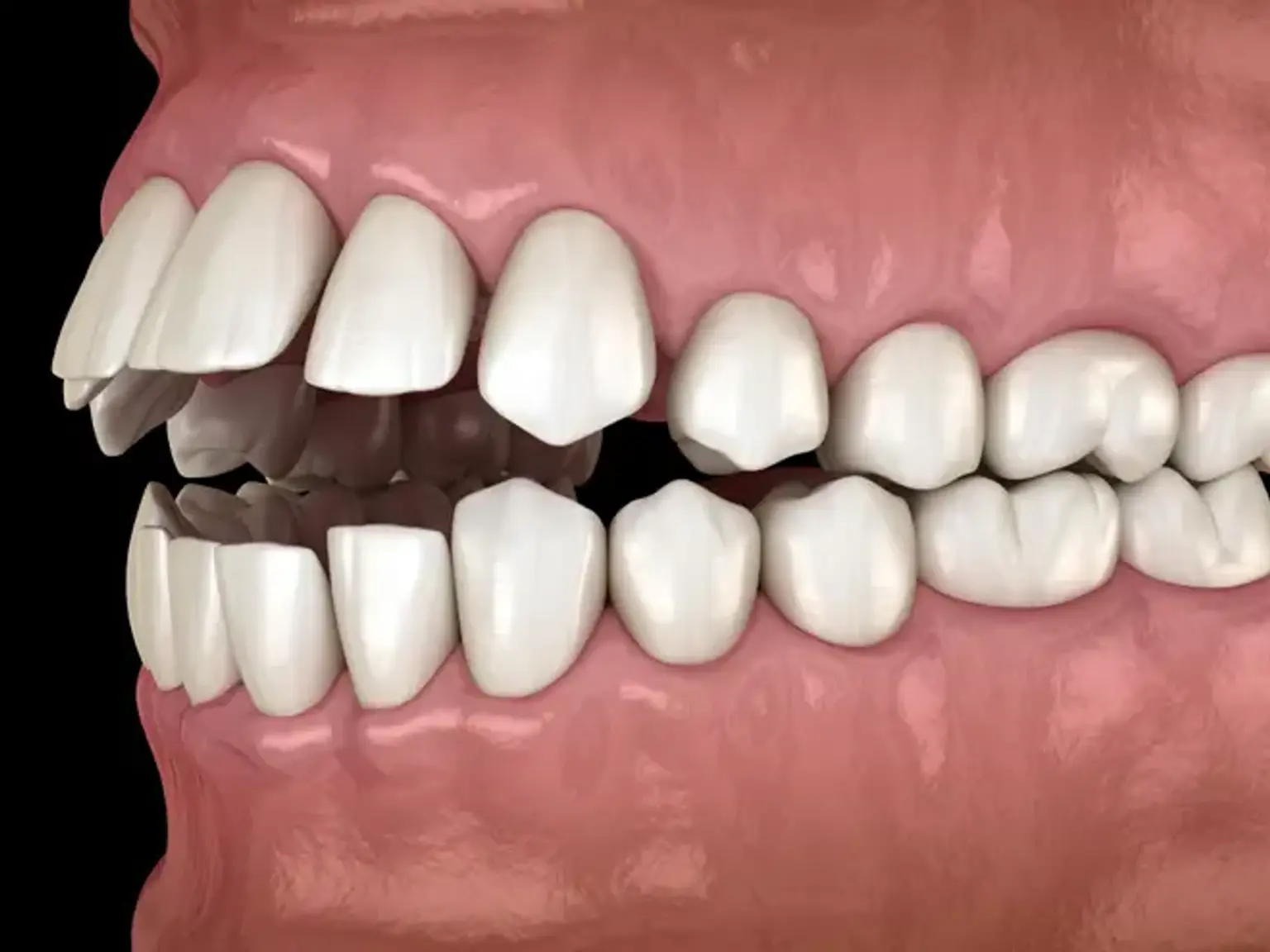
what-is-surgical-open-bite-correction-and-who-is-it-forSurgical open bite correction also known as orthognathic surgery involves repositioning the jawbones to achieve proper bite alignment. This procedure is typically recommended for individuals with severe skeletal discrepancies where orthodontic treatment alone cannot achieve a stable bite. Patients with significant vertical jaw growth problems or those whose upper and lower teeth do not meet even when their mouth is closed are prime candidates. The mechanism involves precise cuts in the jawbones which are then moved and secured with plates and screws.
Pros:
Addresses severe skeletal issues directly.
Provides dramatic and stable results.
Corrects facial aesthetics in conjunction with bite.
Cons:
Invasive procedure with general anesthesia.
Longer recovery period.
Higher risk of complications compared to non surgical methods.
What is Non Surgical Open Bite Correction and Who Is It For?
what-is-non-surgical-open-bite-correction-and-who-is-it-forNon surgical open bite correction primarily involves orthodontic treatments to adjust tooth positions and sometimes encourage minor jaw changes. This approach is suitable for patients with mild to moderate open bite issues or those who prefer to avoid surgery. Methods include traditional braces, clear aligners such as Invisalign, and sometimes specialized orthodontic appliances. These treatments work by extruding or intruding teeth to close the open bite or by using forces to modify growth in younger patients.
Pros:
Minimally invasive no surgery required.
Shorter recovery time.
Lower risk of complications.
Cons:
May not be effective for severe skeletal open bites.
Treatment duration can be longer than surgery.
Limited ability to change underlying jaw structure.
What Are the Key Differences Between Surgical and Non Surgical Open Bite Correction?
what-are-the-key-differences-between-surgical-and-non-surgical-open-bite-correctionFeature | Surgical Open Bite Correction | Non Surgical Open Bite Correction |
|---|---|---|
Primary Indication | Severe skeletal discrepancies | Mild to moderate dental open bite |
Methodology | Orthognathic surgery jaw repositioning | Orthodontic appliances braces aligners |
Invasiveness | Highly invasive | Minimally invasive |
Treatment Duration | Shorter surgical phase longer overall recovery | Longer active treatment phase |
Recovery Time | Weeks to months | Minimal to no downtime |
Anesthesia | General anesthesia | Local anesthesia or none |
Cost | Generally higher due to hospital and surgical fees | Generally lower |
Effect on Facial Aesthetics | Significant potential for facial harmony changes | Primarily dental changes with subtle facial impact |
Risks | Infection nerve damage bleeding jaw joint issues | Tooth root resorption gum irritation temporary discomfort |
How Do I Choose the Right Option For Me?
how-do-i-choose-the-right-option-for-meChoosing the right option depends on the severity of your open bite underlying causes and personal preferences. You might prefer surgical correction if you have a severe skeletal open bite, significant facial asymmetry, or if you desire a rapid and dramatic correction to your bite and facial profile. Conversely, you might prefer non surgical correction if your open bite is mild to moderate, you wish to avoid surgery, or you are looking for a less invasive and potentially more affordable treatment. A thorough consultation with an orthodontist and an oral and maxillofacial surgeon is crucial to assess your specific condition and discuss the most appropriate treatment plan.
"It was daunting to decide between surgery and braces for my open bite but after a detailed consultation in Seoul I felt confident choosing the non surgical route. The results exceeded my expectations and my confidence soared." – An anonymous patient, South Korea.
Recommended Clinics with Relevant Expertise in South Korea
recommended-clinics-with-relevant-expertise-in-south-koreaWebsite | Clinic Name | Best Known For | Address | Contact |
|---|---|---|---|---|
Ye-on Dental Clinic | Pediatric Dentistry, Orthodontics | Namdong-gu, Incheon, South Korea | ||
OnO Dental Clinic | Dental Implant, Orthodontics | Gangnam-gu, Seoul, South Korea | ||
Smile View Dental | Cosmetic Dentistry, Orthodontics | Gangnam-gu, Seoul, South Korea | ||
Dasan Barun Dental Clinic | Orthodontics, Cosmetic Dentistry | Namyangju-si, Gyeonggi-do, South Korea | ||
Su Dental Hospital | Orthodontic Treatment, Implants | Gangnam-gu, Seoul, South Korea | ||
Miju Dental Clinic | General Dentistry, Orthodontics | Busanjin-gu, Busan, South Korea | ||
Bae & Park Dental Clinic | Specialized Orthodontic Solutions | Wansan-gu, Jeonbuk, South Korea | ||
Seoul National University Dental Hospital | Adult & Specialized Orthodontic Care | Gwanak-gu, Seoul, South Korea |
Recommended Treatment/Procedure Names with Average Costs in South Korea
recommended-treatmentprocedure-names-with-average-costs-in-south-koreaTreatment/Procedure Name | Duration | Hospitalization? | Avg. Cost Range (USD) in S. Korea | Contact |
|---|---|---|---|---|
Open Bite Treatment | 18-30 months | Not Needed | $3000 - $10000 | |
Orthodontic Treatment | 1-3 years | Not Needed | $3000 - $8000 | |
Invisalign Braces | 6-24 months | Not Needed | $3500 - $8000 | |
Clippy C Braces | 1-2.5 years | Not Needed | $2500 - $7000 | |
Pediatric Adolescent Orthodontics | 1-3 years | Not Needed | $2000 - $7000 | |
Protruding Mouth Correction | 1-3 years | Not Needed | $4000 - $12000 | |
Dental Crowding Treatment | 1-2.5 years | Not Needed | $2500 - $7500 | |
Prognathism Treatment | 30-45 mins | Needed (1-3 days) | $5000 - $20000 | |
Zirconia Crowns | 1-2 visits | Not Needed | $500 - $1000 | |
E MAX All Ceramic Crowns | 1-2 visits | Not Needed | $400 - $900 | |
PFM Porcelain Fused to Metal Crowns | 1-2 visits | Not Needed | $300 - $700 | |
Laminates Porcelain Veneers | 2 visits | Not Needed | $600 - $1200 | |
No Prep Laminates | 2 visits | Not Needed | $700 - $1300 | |
Gum Treatments | 30-60 mins | Not Needed | $100 - $500 | |
Gum Contouring | 30-90 mins | Not Needed | $200 - $1000 | |
Resin Based Composites | 30-60 mins | Not Needed | $100 - $300 | |
Root Canal Treatment | 1-3 visits | Not Needed | $200 - $600 | |
Cavity & Root Canal Treatment | 1-3 visits | Not Needed | $250 - $700 | |
Dentures | 3-5 visits | Not Needed | $1000 - $3000 | |
Professional Teeth Whitening | 1-2 hours | Not Needed | $300 - $800 | |
Same Day Implant | 2-4 hours | Not Needed | $2000 - $4000 | |
Denture Implant | 2-4 visits | Not Needed | $3000 - $7000 | |
Conscious Sedation Implant | 1-3 hours | Not Needed | $2500 - $5000 | |
Computerized Analysis Implant | 1-3 hours | Not Needed | $2500 - $5000 | |
Systemic Disease Implant | 1-4 hours | Not Needed | $3000 - $6000 | |
HERI Implants | 1-3 hours | Not Needed | $2000 - $4500 | |
Dentium Superline Fixture Implant | 1-3 hours | Not Needed | $2000 - $4000 | |
Dental Implant Surgery | 1-4 hours | Not Needed | $2000 - $5000 | |
Health Insurance Implant | 1-3 hours | Not Needed | $1000 - $2500 | |
Bone Grafting | 1-2 hours | Not Needed | $500 - $2000 | |
Gingival Flap Surgery | 1-2 hours | Not Needed | $400 - $1500 | |
Temporomandibular Joint TMJ Treatment | 30-60 mins | Not Needed | $500 - $3000 |
What Else Should I Consider When Choosing?
what-else-should-i-consider-when-choosingThis section addresses the most common follow up questions to help patients make a final decision.
1. Which option is considered safer overall?
1.-which-option-is-considered-safer-overallNon surgical open bite correction is generally considered safer overall due to its non invasive nature. Surgical correction carries inherent risks associated with general anesthesia major surgery and potential complications such as nerve damage or infection. While orthodontic treatments also have risks like root resorption or decalcification they are typically less severe and more manageable.
2. Can surgical open bite correction be revised to non surgical later or vice versa?
2.-can-surgical-open-bite-correction-be-revised-to-non-surgical-later-or-vice-versaIt is usually not possible to fully transition from a completed surgical correction to a non surgical approach as the underlying skeletal structure would have been permanently altered. However if a non surgical orthodontic treatment does not achieve the desired results or if the condition worsens surgical intervention may become necessary. This highlights the importance of an accurate initial diagnosis and a comprehensive treatment plan.
3. Does insurance ever cover one option but not the other?
3.-does-insurance-ever-cover-one-option-but-not-the-otherInsurance coverage for open bite correction varies significantly depending on the specific plan and the medical necessity of the procedure. Surgical correction if deemed medically necessary due to functional impairment may be partially covered by medical insurance. Non surgical orthodontic treatments are often considered cosmetic and may only be covered by dental insurance if there is a functional component or if included in specific orthodontic riders. It is crucial to verify coverage directly with your insurance provider prior to beginning any treatment.
4. How long does open bite correction recovery take?
4.-how-long-does-open-bite-correction-recovery-takeRecovery from surgical open bite correction typically involves several weeks to months. The initial healing phase after surgery is usually 4 to 6 weeks during which a soft diet and limited activity are necessary. Complete recovery and stabilization can take up to a year. Non surgical open bite correction has minimal to no downtime with patients able to resume normal activities immediately. However the overall treatment duration for non surgical methods can range from 1 to 3 years or more for achieving the desired bite correction.
5. What are the long term stability considerations for each option?
5.-what-are-the-long-term-stability-considerations-for-each-optionBoth surgical and non surgical open bite corrections aim for long term stability but outcomes can vary. Surgical correction generally offers excellent stability for severe skeletal discrepancies especially when combined with post surgical orthodontics and retention. Non surgical methods particularly those involving tooth extrusion can be prone to relapse if proper retention protocols are not followed diligently. Regular follow up appointments and consistent use of retainers are vital for maintaining the corrected bite with either approach Source American Journal of Orthodontics and Dentofacial Orthopedics.
6. What clinics offer open bite correction in Seoul?
6.-what-clinics-offer-open-bite-correction-in-seoulMany renowned dental clinics in Seoul offer both surgical and non surgical open bite correction options. Clinics such as S PLANT Dental Hospital and Ye on Dental Clinic are known for their expertise in orthodontics and oral and maxillofacial surgery providing comprehensive solutions for open bite patients. These clinics are equipped with advanced diagnostic tools and experienced specialists to determine the most suitable treatment plan for individual needs Source Clinic websites.
7. What is the average cost of open bite surgery in Korea?
7.-what-is-the-average-cost-of-open-bite-surgery-in-koreaThe average cost of open bite surgery in South Korea can vary widely depending on the complexity of the case the specific surgical techniques used and the hospital or clinic. Generally surgical open bite correction can range from $5000 - $20000 or more. Non surgical orthodontic treatment typically ranges from $3000 - $10000. These figures are estimates and a detailed consultation is necessary for a precise cost breakdown Source local dental practice data.
Your Path to a Perfect Smile Starts Here Inquire About Open Bite Correction Today!
your-path-to-a-perfect-smile-starts-here-inquire-about-open-bite-correction-today!Embark on your journey to a confident and healthy smile by exploring the best open bite correction options tailored for you. Our dedicated Care Managers are ready to provide seamless transparent support from your initial inquiry to post recovery care. Dont let uncertainty hold you back. Get a Free Personalized Treatment Plan at CloudHospital now and take the first step towards a transformed you.