
The clinical information regarding Syndactyly Correction in this article has been rigorously verified against the latest guidelines from the American Society of Plastic Surgeons (ASPS) and primary research from databases like PubMed. This piece was reviewed for accuracy and patient-centric clarity and was last updated in June 2024.
Introduction
introduction:-understanding-wide-nose-concerns
Syndactyly, the fusion of two or more digits, is one of the most common congenital hand anomalies, affecting approximately 1 in 2,000 to 3,000 live births. This condition can impact both function and aesthetics, making effective surgical correction crucial. This document will thoroughly explain what syndactyly is, the importance of its treatment, the sophisticated Korean surgical techniques for correction, and practical considerations for patients seeking care.
What are the types of syndactyly?
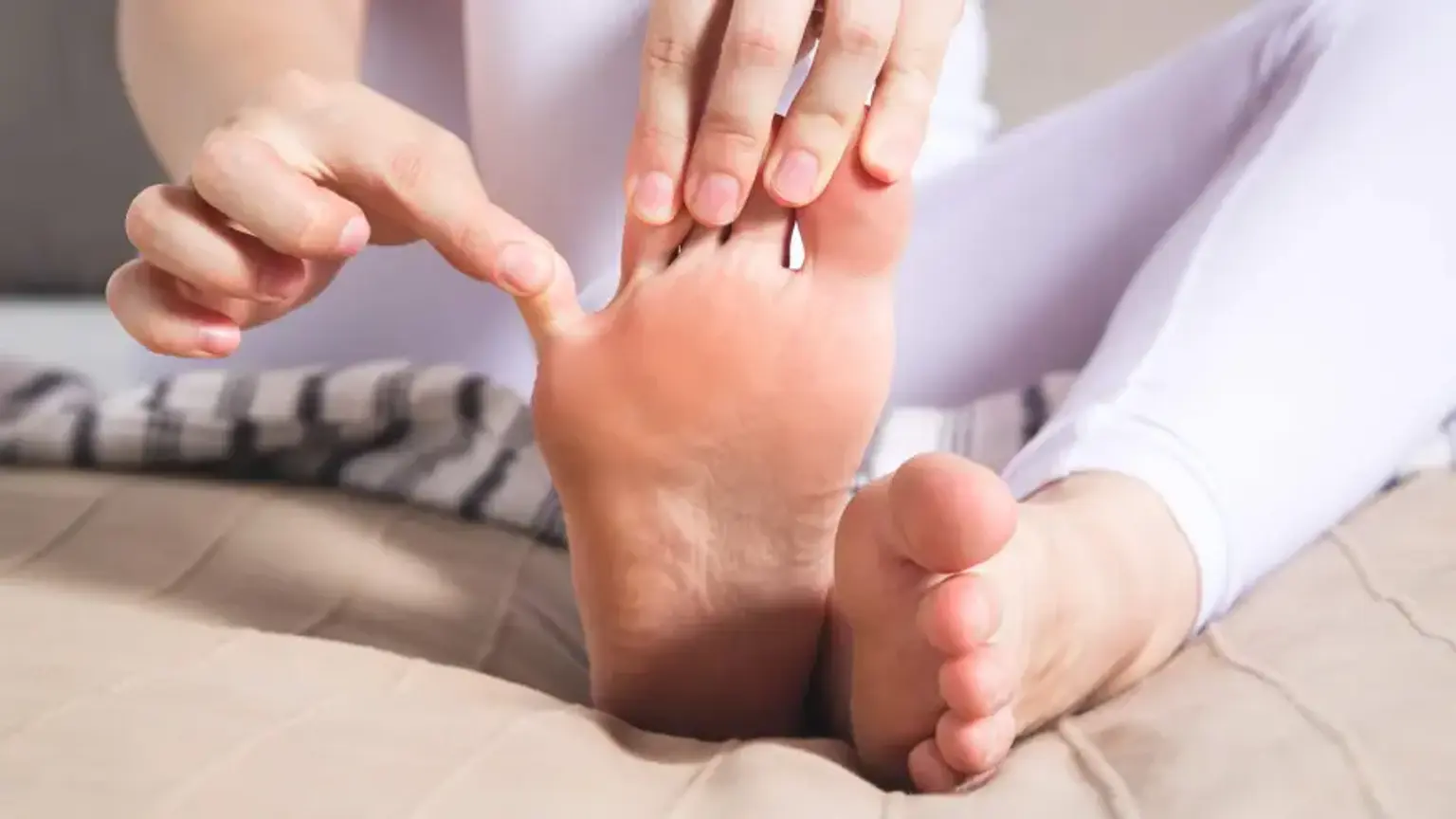
what-are-the-types-of-syndactylySyndactyly is characterized by the incomplete separation of digits, resulting in webbed fingers or toes. This condition can range in severity from simple cutaneous webbing to complex bone fusion. Simple syndactyly involves only skin and soft tissue fusion, while complex syndactyly includes the fusion of bones, nails, or other skeletal structures. Complete syndactyly extends the full length of the digits, whereas incomplete syndactyly involves only partial fusion.
Why is treating syndactyly important?
why-is-treating-syndactyly-importantTreating syndactyly is crucial for both functional improvement and psychological well-being. Uncorrected syndactyly can significantly impair hand or foot function, limiting fine motor skills, grasping ability, and overall dexterity. For instance, fusing digits can prevent the independent movement necessary for tasks like writing, tying shoelaces, or playing musical instruments. Furthermore, the cosmetic appearance of webbed digits can lead to self-consciousness and emotional distress, particularly in children and adolescents, impacting their social development and quality of life. Early intervention ensures optimal functional recovery and improved self-esteem.
How is syndactyly corrected in Korea?
how-is-syndactyly-corrected-in-koreaSyndactyly correction in Korea typically involves advanced surgical techniques aimed at separating the fused digits while ensuring adequate skin coverage and functional outcomes. The primary goal is to create a functional web space between the digits. Techniques include Z-plasty, which uses local flaps to create soft tissue, and the use of full-thickness skin grafts or fasciocutaneous flaps to cover the raw surfaces created by the separation. The choice of technique depends on the complexity of the syndactyly, the number of digits involved, and the presence of any bone fusion. Korean surgeons often combine these methods, meticulously planning incisions to minimize scarring and maximize aesthetic results.
What signs and symptoms indicate syndactyly?
what-signs-and-symptoms-indicate-syndactylyThe primary sign of syndactyly is the visible webbing or fusion between two or more fingers or toes.
Skin-only fusion: Digits are joined by a web of skin and soft tissue, allowing some degree of movement.
Bone and skin fusion: More severe cases where bones, nails, and other structures are fused, severely restricting movement.
Partial or complete fusion: The webbing may extend only partway up the digits or involve their entire length.
Functional limitations: Difficulty with grasping, fine motor tasks, or walking if toes are affected.
"I remember my daughter, at four years old, struggling to pick up small toys because her middle and ring fingers were joined. We knew then that surgery was the right path for her to live without limitations." – an anonymous patient, United States.
Who is affected by syndactyly?
who-is-affected-by-syndactylySyndactyly is a congenital condition, meaning individuals are born with it. It affects approximately 1 in 2,000 to 3,000 live births globally, making it one of the most common congenital hand anomalies. While it can occur as an isolated condition, it is sometimes associated with genetic syndromes such as Apert syndrome, Poland syndrome, or Fanconi anemia. There is no significant gender or racial predilection for isolated syndactyly. Family history can play a role, with some cases showing an autosomal dominant inheritance pattern.
Recommended Clinics with Relevant Expertise in South Korea
recommended-clinics-with-relevant-expertise-in-south-koreaWebsite | Clinic Name | Best Known For | Address | Contact |
|---|---|---|---|---|
Kowon Plastic Surgery | Natural chest contouring, gland removal, muscle definition | Gangnam-gu, Seoul, South Korea | ||
TJ Plastic Surgery | Full male aesthetic surgery, chest augmentation, V-line body sculpting | Gangnam-gu, Seoul, South Korea | ||
Hugo Plastic Surgery | Male liposuction, upper body sculpting, customized fat reduction | Gangnam-gu, Seoul, South Korea | ||
SoonPlus Plastic Surgery | Chest definition, gynecomastia revision surgery, lean muscular design | Gangnam-gu, Seoul, South Korea | ||
Face Plus Plastic Surgery | Facial contouring with torso balance, male enhancement techniques | Gangnam-gu, Seoul, South Korea | ||
Yujin Plastic Surgery & Stem Cell Research | Advanced male rejuvenation, fat grafting, regenerative contouring | Gangnam-gu, Seoul, South Korea | ||
Dite Plastic Surgery | Chest sculpting with body balance, international male patient services | Gangnam-gu, Seoul, South Korea | ||
JK Plastic Surgery center | Gynecomastia surgery, male contouring, HD body sculpting | Gangnam-gu, Seoul, South Korea | ||
ID Hospital | Abs etching, chest lifting, gland removal procedures | Gangnam-gu, Seoul, South Korea | ||
Banobagi Plastic Surgery | Natural-look facial surgery, anti-aging, eye and nose surgery, revision cases | Gangnam-gu, Seoul, South Korea | ||
View plastic surgery | Facial contouring, rhinoplasty, breast augmentation, and body contouring | Gangnam-gu, Seoul, South Korea |
Recommended Treatment/Procedure Names with Average Costs in South Korea
recommended-treatmentprocedure-names-with-average-costs-in-south-koreaTreatment/Procedure Name | Duration | Hospitalization? | Avg. Cost Range (USD) in S. Korea | Contact |
|---|---|---|---|---|
Syndactyly Correction (Simple) | 1-2 hours | Needed (1 day) | $3,000 - $6,000 | |
Syndactyly Correction (Complex) | 2-4 hours | Needed (1 -2 days) | $6,000 - $12,000 | |
Full-thickness Skin Graft | 1-2 hours | Needed (1 day) | $21,000-25,000 | |
Z-plasty | 1-2 hours | Needed (1 day) | $3,000 – $6,000 | |
Scar Revision (Post-syndactyly) | 30-90 minutes | Not Needed | $1,500 - $4,000 | |
Occupational Therapy (Post-surgery) | 30–60 mins | Not Needed | $50 - $150 | |
Physical Therapy (Post-surgery) | 30–60 mins | Not Needed | $50 - $150 | |
Anesthesia Fee | 1-2 hours | Not Needed | $500 – $1,000 |
Your Key Questions About Syndactyly Correction Answered
your-key-questions-about-syndactyly-correction-answered1. What is the recovery process for webbed digit surgery?
1.-what-is-the-recovery-process-for-webbed-digit-surgeryThe recovery process for webbed digit surgery typically involves splinting for several weeks to maintain the separation, followed by physical or occupational therapy to restore full range of motion. Initial recovery often includes pain management with medication and careful wound care to prevent infection.
2. What is the average cost of syndactyly correction in South Korea?
2.-what-is-the-average-cost-of-syndactyly-correction-in-south-koreaThe average cost of syndactyly correction in South Korea can range from $3,000 to $12,000 USD, depending on the complexity of the case simple vs. complex syndactyly, the techniques used, and whether additional procedures like bone correction are required.
3. Are there risks associated with syndactyly surgery?
3.-are-there-risks-associated-with-syndactyly-surgeryYes, like all surgical procedures, syndactyly surgery carries potential risks, including infection, scarring, incomplete correction requiring revision surgery, nerve damage, blood vessel injury, and recurrence of webbing if proper post-operative care is not followed.
4. How long does syndactyly surgery take?
4.-how-long-does-syndactyly-surgery-takeSyndactyly surgery typically takes between 1 to 4 hours, depending on the number of digits involved, the complexity of the fusion (simple vs. complex), and the specific surgical techniques employed by the surgeon.
5. What are the benefits of correcting syndactyly?
5.-what-are-the-benefits-of-correcting-syndactylyThe benefits of correcting syndactyly include significant improvement in hand or foot function, enhanced dexterity and fine motor skills, better cosmetic appearance of the digits, and a positive impact on the patient's self-esteem and psychological well-being.
Book Your for Expert Care and Optimal Recovery for Fingers & Toes Now!
book-today-for-expert-care-and-optimal-recovery-for-fingers-and-toes.Considering syndactyly correction can be a life-changing decision. By inquiring through iCloudHospital, you gain access to top-tier Korean plastic surgery clinics renowned for their expertise in treating congenital anomalies. Our dedicated Care Managers ensure a seamless, transparent experience, providing end-to-end support from your initial inquiry to post-recovery care. Start your journey towards improved function and confidence today. And Start Your Confidential Inquiry.