
The clinical information regarding Smart Contact Lenses in this article has been rigorously verified against the latest research from leading global authorities like the American Academy of Ophthalmology (AAO) and primary research from databases like PubMed. This piece was reviewed for scientific accuracy and patient centric clarity and was last updated in October 2023.
Introduction
introductionThe field of Ophthalmology is on the cusp of a profound transformation, moving beyond simple vision correction to an era of integrated health monitoring and digital augmentation. At the heart of this revolution is the smart contact lens a device that promises to turn a simple piece of polymer into a powerful diagnostic, therapeutic, and interactive tool. South Korea has emerged as the global epicenter for this futuristic technology, combining its prowess in electronics, materials science, and medical research to pioneer the next generation of eye care. This exploration details the groundbreaking advancements in smart contact lenses, South Korea's leadership role, and what this means for the future of patient health.
How do smart contact lenses work for medical diagnosis?
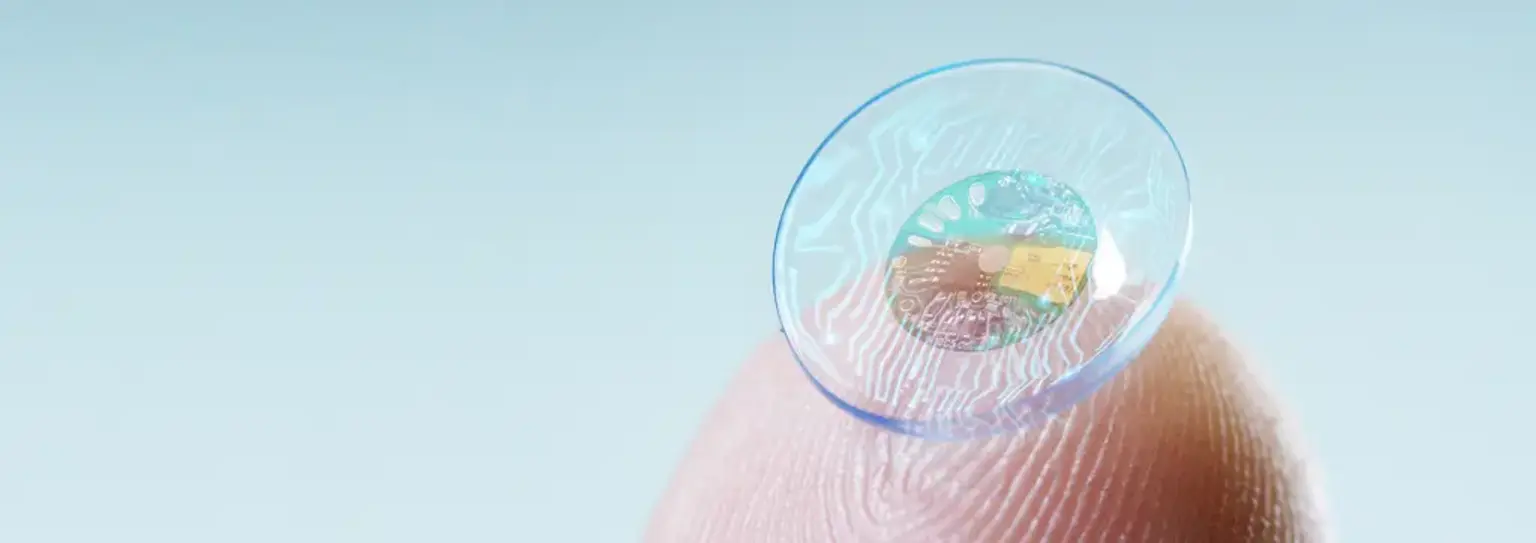
how-do-smart-contact-lenses-work-for-medical-diagnosisSmart contact lenses work by embedding ultra thin, flexible, and transparent biosensors and microelectronics directly into a biocompatible hydrogel lens. These sensors make direct contact with the tear film, a fluid rich with biomarkers that reflect the body's real time health status. The technology functions by continuously capturing specific biological data such as glucose levels or intraocular pressure fluctuations and transmitting this information wirelessly to an external device like a smartphone or a specialized receiver. This allows for non invasive, continuous monitoring of chronic conditions, providing a stream of data far more comprehensive than what can be gathered during periodic clinic visits.
The core components of a diagnostic smart lens typically include:
A Microsensor: Tailored to detect a specific biomarker.
A Micro-Antenna: To wirelessly transmit data.
An Integrated Circuit (IC) Chip: To process the sensor's readings and manage power.
A Power Source: Often powered wirelessly via radio-frequency (RF) induction from an external device.
What role is South Korea playing in developing smart lens technology?
what-role-is-south-korea-playing-in-developing-smart-lens-technologySouth Korea is the undisputed leader in smart contact lens development due to a strategic convergence of public and private sector investment, world-class research institutions, and its existing dominance in the semiconductor and display industries. The Korean government has designated this technology as a key area for national growth, funding ambitious research projects.
Institutions like Pohang University of Science and Technology (POSTECH) and the Ulsan National Institute of Science and Technology (UNIST) are at the global forefront. Researchers at these universities have achieved critical breakthroughs, including:
Self-Powered Lenses: Developing smart lenses powered by the wearer's own tears, using an enzyme-based biofuel cell.
Glaucoma Monitoring: Creating lenses with advanced intraocular pressure (IOP) sensors that provide 24/7 monitoring, crucial for managing a condition that causes blindness through pressure spikes.
Diabetes Management: Engineering lenses that can accurately detect glucose levels in tears, potentially ending the need for painful, frequent finger prick blood tests. Source: Science Advances, Vol. 9, 2023
Material Science: Innovating highly breathable and biocompatible materials that can house electronics without causing eye irritation or hypoxia.
This intense research focus, backed by tech giants like Samsung and numerous biotech startups, creates an ecosystem where conceptual breakthroughs can be rapidly prototyped and refined, accelerating the path to clinical application.
What conditions can smart contact lenses monitor or treat?
what-conditions-can-smart-contact-lenses-monitor-or-treatThe potential applications are vast, but current development is primarily focused on areas where continuous, non-invasive monitoring can fundamentally change patient outcomes.
Glaucoma Management: This is the most clinically advanced application. Glaucoma damages the optic nerve due to high IOP. A smart lens can track IOP fluctuations throughout the day and night, giving doctors a complete picture of a patient's pressure patterns and enabling highly personalized treatment adjustments.
Diabetic Monitoring: By measuring glucose levels in tears, smart lenses offer a pain-free method for people with diabetes to manage their condition. Continuous monitoring can help prevent dangerous hyperglycemic and hypoglycemic events.
Drug Delivery: Smart lenses are being developed that can store and release medication directly onto the eye's surface at a controlled rate. This could revolutionize the treatment of conditions like dry eye syndrome or post-surgical inflammation, ensuring consistent dosage and improving patient compliance.
Dry Eye Disease Diagnosis: Sensors can be integrated to monitor tear film stability and osmolarity, providing objective data to diagnose and manage this common and uncomfortable condition.
How could augmented reality (AR) be integrated into contact lenses?
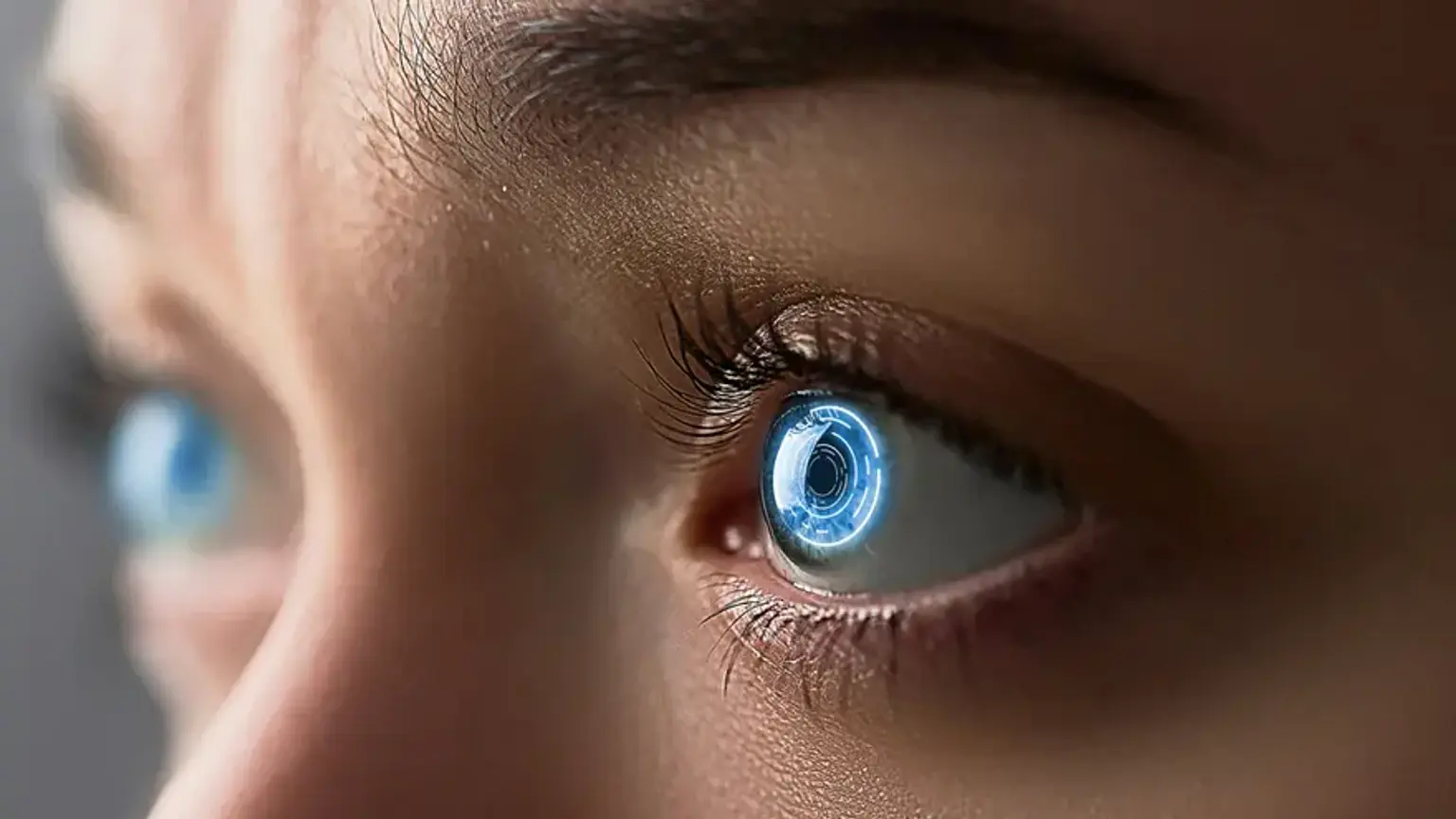
how-could-augmented-reality-(ar)-be-integrated-into-contact-lensesBeyond medical sensing, the next frontier is integrating augmented reality displays directly into contact lenses. This technology aims to overlay digital information onto the user's natural field of vision. South Korean researchers and companies are pioneering the use of micro LEDs and advanced optics to achieve this.
Potential AR applications include:
Real-Time Navigation: Displaying arrows and directions discreetly within your vision.
Instant Information: Providing notifications, translations, or speaker information during a presentation.
Surgical Assistance: For a surgeon, it could mean overlaying a patient's vitals or MRI scans directly onto their view of the surgical field.
Vision Aids for the Impaired: Enhancing edges, boosting contrast, or magnifying objects for individuals with low vision.
"As someone who has to monitor my father's glaucoma, the idea that a simple contact lens could do the job 24/7 and alert us to problems is not just exciting it's a source of immense hope. We watch the news out of Korea with great anticipation." -an anonymous patient advocate, USA.
Recommended Clinics with Relevant Expertise in South Korea
recommended-clinics-with-relevant-expertise-in-south-koreaSouth Korea's leadership in ophthalmological technology is matched by its world-class clinical infrastructure. The following clinics are renowned for their advanced diagnostic capabilities, surgical expertise, and adoption of cutting edge treatments, making them ideal centers for complex eye care.
Website | Clinic Name | Best Known For | Address | Contact |
|---|---|---|---|---|
SNU Eye Clinic | University-affiliated center for complex cases and academic research. | Gangnam-gu, Seoul, South Korea | ||
Gangnam Joeunnun Vision Clinic | High-volume specialty in vision correction surgeries (LASIK, SMILE, ICL). | Gangnam-gu, Seoul, South korea | ||
Jryn Eye Clinic | Focus on premium, personalized vision correction and eye health. | Busanjin-gu, Busan, South Korea | ||
Global Ubal Eye Center | Comprehensive eye care including vision correction and retinal diseases. | Jung-gu, Incheon, South Korea | ||
Cha University Bundang Center | Major medical center with a strong ophthalmology department for diverse needs. | Bundang-gu, Seongnam-si, South Korea | ||
Chosun University Hospital | Leading university hospital in the Gwangju region with a focus on research. | Gwangju, Dong-gu, South Korea | ||
Kangdong Sacred Heart Hospital | Comprehensive hospital with specialized centers including ophthalmology. | Gangdong-gu ,Seoul, South Korea | ||
Samyook Busan Adventist Hospital | Respected general hospital in Busan offering a full range of eye care services. | Busan, Seo-gu, South Korea |
Recommended Treatment/Procedure Names with Average Costs in South Korea
recommended-treatmentprocedure-names-with-average-costs-in-south-koreaWhile smart contact lenses are still largely in the research phase, South Korea currently offers a full spectrum of advanced ophthalmological procedures at a highly competitive cost compared to many Western countries.
Treatment/Procedure Name | Duration | Hospitalization? | Avg. Cost (USD) in S. Korea | Contact |
|---|---|---|---|---|
LASIK / LASEK | 10-20 mins | Not Needed | $1,500 - $2,800 | |
SMILE Eye Surgery | 15-25 mins | Not Needed | $2,000 - $3,500 | |
Implantable Collamer Lens (ICL) | 20-30 mins | Not Needed | $4,000 - $6,500 | |
Standard Cataract Surgery | 20-30 mins | Not Needed | $1,800 - $3,000 | |
Premium Cataract Surgery with IOLs | 20-30 mins | Not Needed | $3,000 - $5,500 | |
Presbyopia Correction (Surgical) | 15-30 mins | Not Needed | $2,500 - $4,500 | |
Dry Eye Treatment (e.g., IPL) | 15 mins | Not Needed | $200 - $500 | |
Glaucoma Treatment (e.g., SLT Laser) | 10-15 mins | Not Needed | $800 - $1,500 | |
Treatment for Keratoconus (e.g., CXL) | 60-90 mins | Not Needed | $1,500 - $2,500 | |
Vitreoretinal Surgery (e.g., Vitrectomy) | 1-3 hours | Needed (1-2 days) | $5,000 - $12,000 | |
Corneal Transplantation Surgery | 1-2 hours | Needed (1-3 days) | $8,000 - $15,000 |
What Patients Should Know About These Future Technologies
what-patients-should-know-about-these-future-technologiesAs with any emerging medical technology, it is crucial to have a realistic understanding of the development timeline and accessibility.
1. Are smart contact lenses available for patients in Korea yet?
1.-are-smart-contact-lenses-available-for-patients-in-korea-yetNot for widespread commercial use. While some smart lenses for glaucoma have received regulatory approval in certain regions like the CE mark in Europe for Sensimed's Triggerfish, most advanced diagnostic and AR lenses are still in clinical trial or research phases. Availability in top Korean research hospitals for trial participation may be possible, but they are not yet a standard off the shelf treatment.
2. What are the main challenges before smart lenses become common?
2.-what-are-the-main-challenges-before-smart-lenses-become-commonThe primary hurdles are power, data transmission, and long-term biocompatibility. Ensuring a stable, safe power source that lasts for a full day's wear is a major challenge. Secondly, the electronics must be perfectly encapsulated to prevent any chemical leakage into the eye, and the lens material must remain comfortable and breathable for extended wear without causing complications. Finally, regulatory bodies like the FDA and Korea's MFDS require extensive data on safety and efficacy before granting approval.
3. What makes a Korean eye clinic a good choice for advanced procedures?
3.-what-makes-a-korean-eye-clinic-a-good-choice-for-advanced-proceduresChoosing a top Korean clinic for even current procedures like SMILE Eye Surgery or Premium Cataract Surgery with IOLs provides access to the ecosystem of innovation. These clinics are often among the first in the world to adopt new technologies once they are approved. They are known for their high standards of care, immense surgeon experience due to high patient volume, and investment in the latest diagnostic and surgical platforms.
4. How can I find a clinic that uses these advanced techniques?
4.-how-can-i-find-a-clinic-that-uses-these-advanced-techniquesThe best approach is to work with a medical facilitator like CloudHospital. They maintain direct relationships with these leading clinics and have up to date information on which technologies and clinical trials are active. They can connect you with the centers most relevant to your specific condition, whether it's an existing advanced procedure or a future inquiry about emerging technologies.
5. Will these new technologies make treatments more expensive?
5.-will-these-new-technologies-make-treatments-more-expensiveInitially, new technologies like smart lenses will likely carry a premium cost. However, for chronic conditions like glaucoma or diabetes, the long-term savings from preventing severe complications such as blindness or organ damage and reducing the need for frequent clinical interventions could be substantial. As the technology matures and manufacturing scales up, costs are expected to decrease.
Your Path to Advanced Eye Care Begins Here Today !
your-path-to-advanced-eye-care-begins-here-today-!The future of ophthalmology is being built today in the research labs and advanced clinics of South Korea. While the full potential of smart contact lenses is still on the horizon, access to the world's best current generation vision correction and treatment is available now. Taking the first step towards better vision and eye health is a straight forward and supported process with CloudHospital. By starting a confidential inquiry and Get Free Treatment Plan & Quote with Cloud Hospital.