

The clinical information regarding Innovative Treatments for Ovarian Cysts in this article has been rigorously verified against the latest guidelines from the American College of Obstetricians and Gynecologists (ACOG) and primary research from databases like PubMed. This piece was reviewed for accuracy and patient-centric clarity and was last updated in May 2024.
Introduction
introductionAn ovarian cyst diagnosis can be a source of significant anxiety, sparking concerns about pain, fertility, and the need for major surgery. However, the field of gynaecology is undergoing a profound transformation, and South Korea is at the forefront of this evolution. Korean medical centers are pioneering and perfecting innovative treatments that offer smaller incisions, faster recovery, and a greater focus on preserving future fertility. This is a shift away from traditional open surgeries towards a future where treatment is more precise, less invasive, and tailored to each woman's unique health goals. This article explores the cutting edge technologies and patient-centric approaches defining modern ovarian cyst care in Korea.
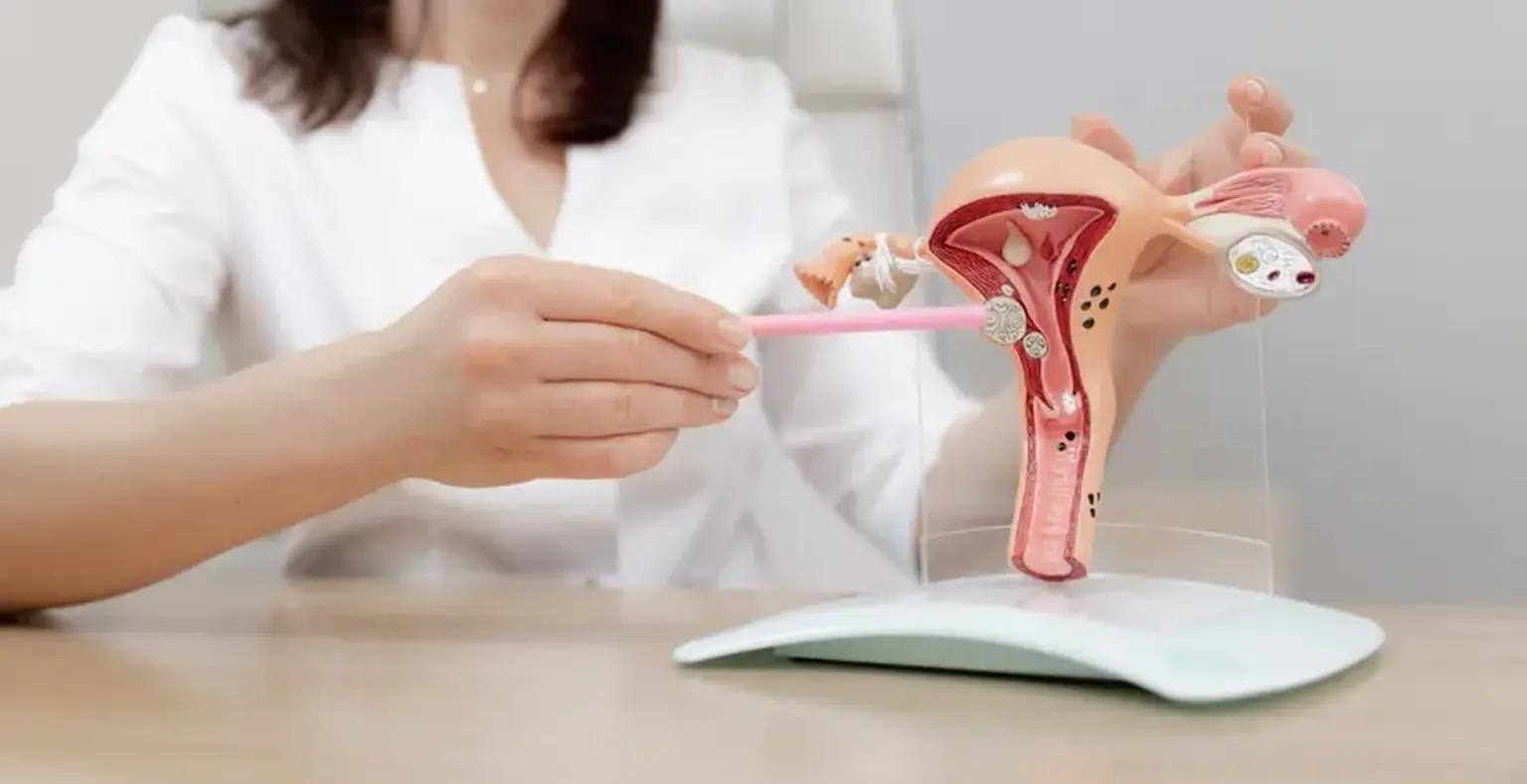
What are the latest minimally invasive surgeries for ovarian cysts in Korea?
what-are-the-latest-minimally-invasive-surgeries-for-ovarian-cysts-in-koreaThe latest standards in Korea are advanced laparoscopic surgeries, which dramatically reduce the physical impact of the procedure. Unlike traditional open surgery that requires a large abdominal incision, laparoscopy involves only a few tiny incisions, typically less than a centimeter each. Surgeons insert a laparoscope a thin tube with a high-definition camera and specialized instruments to perform the surgery with exceptional clarity.
This approach has become the gold standard for most benign ovarian cysts for several key reasons:
Single-Port Laparoscopy: Pushing the boundaries further, many Korean surgeons are masters of Single-Incision Laparoscopic Surgery (SILS). This technique consolidates all surgical instruments and the camera through a single small incision in the navel, resulting in a virtually scarless outcome.
Reduced Post-operative Pain: Smaller incisions mean less tissue trauma, leading to significantly less pain after the operation.
Faster Recovery: Patients are often discharged the same day or after a short overnight stay, returning to normal activities much quicker than with open surgery.
Lower Risk of Complications: The risk of infection and hernia formation is substantially lower with laparoscopy.
How does robotic surgery improve ovarian cyst removal?
how-does-robotic-surgery-improve-ovarian-cyst-removalRobotic surgery, most commonly utilizing the da Vinci Surgical System, enhances the benefits of laparoscopy with unparalleled precision and control. While the surgeon is in full control, they operate from a console, manipulating robotic arms that can rotate and bend far beyond the capabilities of the human wrist.
This technology is not a replacement for the surgeon's skill but rather an amplification of it. It offers distinct advantages, particularly in complex cases or when fertility preservation is paramount:
Enhanced 3D Visualization: The surgeon sees a magnified, high definition, 3D view of the surgical site, allowing for precise identification of the delicate tissues of the ovary.
Superior Dexterity and Precision: The robotic instruments filter out any natural hand tremors, enabling incredibly steady and precise movements. This is critical when carefully separating the cyst from healthy ovarian tissue ovarian cystectomy to maximize the preservation of ovarian reserve.
Improved Ergonomics for the Surgeon: A more comfortable operating position for the surgeon can reduce fatigue during long, complex procedures, which translates to sustained peak performance.
What is the role of advanced imaging in diagnosing ovarian cysts?
what-is-the-role-of-advanced-imaging-in-diagnosing-ovarian-cystsAdvanced imaging is the cornerstone of effective treatment planning, and Korean clinics utilize state-of-the-art diagnostic tools to accurately characterize ovarian cysts before any surgical intervention is planned. This measure twice, cut once philosophy ensures the most appropriate treatment is chosen.
The primary diagnostic tools include:
3D Transvaginal Ultrasound: This is often the first and most important imaging test. 3D ultrasound provides a much more detailed view than traditional 2D scans, allowing doctors to assess the cyst's size, shape, and internal characteristics whether it is a simple, fluid-filled cyst or a complex mass with solid components like a dermoid cyst or endometrioma.
Magnetic Resonance Imaging (MRI): When ultrasound results are inconclusive, an MRI offers superior soft-tissue contrast. It is exceptionally effective at distinguishing between benign and potentially malignant masses, assessing complex cysts like deep infiltrating endometriosis, and providing a clear roadmap for the surgeon.
Tumor Marker Blood Tests: Tests like CA-125 may be used, not as a standalone diagnostic tool, but in conjunction with imaging to assess the risk profile of an adnexal mass, particularly in postmenopausal women.
How do Korean clinics prioritize fertility preservation during cyst treatment?
how-do-korean-clinics-prioritize-fertility-preservation-during-cyst-treatmentKorean gynaecologists place an immense emphasis on fertility preservation, recognizing that for many women, the ability to conceive in the future is a primary concern. The goal is not just to remove the cyst but to leave the ovary as healthy and functional as possible.
This is achieved through a combination of surgical philosophy and technical skill:
Meticulous Cystectomy Technique: The preferred method is an ovarian cystectomy, where only the cyst is removed, leaving the healthy ovarian tissue intact. This requires immense precision, especially with robotic assistance, to carefully dissect the cyst wall away from the ovarian cortex, where the eggs are stored.
Minimizing Thermal Damage: Surgeons use advanced energy devices that cut and coagulate tissue with minimal spread of thermal energy to surrounding healthy ovarian tissue, helping to protect the ovarian reserve.
Comprehensive Pre-Surgical Counseling: Top clinics ensure patients fully understand the procedure, potential risks, and the specific steps being taken to safeguard their fertility, empowering them to make informed decisions about their care.
"Reading about single-port surgery and the focus on preserving fertility gave me so much hope. The thought of a major, scarring surgery was terrifying, but knowing these advanced, less invasive options exist makes the future feel much brighter and less scary."– an anonymous patient, Australia.
Recommended Clinics with Relevant Expertise in South Korea
recommended-clinics-with-relevant-expertise-in-south-koreaThe following clinics are recognized for their excellence in obstetrics, gynaecology, and advanced surgical treatments in South Korea.
Website | Clinic Name | Best Known For | Address | Contact |
|---|---|---|---|---|
Second Spring Women's Clinic | Gynecological Surgery, Vaginal Aesthetic and Reconstructive Treatments | Gangnam-gu, Seoul, South Korea | ||
Seoul Miz Hospital | Women's Disease and Menopause, Gynecological Surgery | Gangdong-gu, Seoul, South Korea | ||
MariaPlus (Songpa) Fertility Hospital | Fertility Treatments, Endometriosis Management, Gynecological Surgery | Songpa-gu, Seoul, South Korea | ||
Asan Medical Center | Major Surgical Center, Comprehensive Women's Health, Oncology | Songpa-gu, Seoul, South Korea | ||
Goeunbit Women’s Clinic | Gynecological Surgery, Menstrual and Hormonal Disorders | Songpa-gu, Seoul, South Korea | ||
MizMedi Hospital | Comprehensive Women's Hospital, Gynecological Surgery, Fertility | Gangseo-gu, Seoul, South Korea | ||
HI Fertility Clinic | Fertility Treatments, Hormonal Disorders, Women's Health | Gangseo-gu, Seoul, South Korea | ||
Helen Women’s Obstetrics & Gynecology Clinic | Obstetrics & Gynaecology, Women's Wellness | Songpa-gu, Seoul, South Korea |
Recommended Treatment/Procedure Names with Average Costs in South Korea
recommended-treatmentprocedure-names-with-average-costs-in-south-koreaCosts are estimates and can vary based on the complexity of the case, the specific hospital, and the surgeon's expertise. The following table provides a general overview of related gynaecological procedures.
Treatment/Procedure Name | Treatment Duration | Hospitalization? | Avg Cost Range (USD) in S. Korea | Contact |
|---|---|---|---|---|
Gynecological Surgery (e.g., Laparoscopic Ovarian Cystectomy) | 1 - 2 hours | Needed (1-2 days) | $4,500 - $8,500 | |
Endometriosis Management (Surgical) | 1.5 - 3 hours | Needed (2-3 days) | $5,000 - $9,000 | |
Labiaplasty | 1 - 1.5 hours | Not Needed | $2,000 - $3,500 | |
Vaginal Tightening (Laser or Surgical) | 30 - 60 mins | Not Needed | $1,500 - $4,000 | |
Hormone Replacement Therapy | 1-2 hours | Not Needed | $100 - $300 | |
Contraception and Miscarriage Care | 2-4 hours | Not Needed | $100 - $300 | |
Menstrual and Hormonal Disorders Treatments | 1-2 hours | Not Needed | $100 - $300 |
What Patients Should Know About These Future Technologies
what-patients-should-know-about-these-future-technologiesNavigating advanced medical options can be daunting. Here are clear answers to common questions about accessing these innovative treatments.
1. What does the future of ovarian cyst management look like?
1.-what-does-the-future-of-ovarian-cyst-management-look-likeThe future points towards even less invasive and more targeted therapies. The integration of AI in diagnostic imaging may soon help predict the nature of cysts with even greater accuracy. Furthermore, research into non-surgical ablation techniques like High-Intensity Focused Ultrasound (HIFU) for certain types of benign masses, such as uterine fibroids, is paving the way for similar future applications in gynaecology, potentially eliminating the need for incisions altogether for some patients.
2. What does recovery look like after modern ovarian cyst surgery in Seoul?
2.-what-does-recovery-look-like-after-modern-ovarian-cyst-surgery-in-seoulRecovery is significantly faster with minimally invasive techniques. After a laparoscopic or robotic ovarian cystectomy, most patients can walk around within hours of the surgery. Mild discomfort at the incision sites is expected but is well-managed with pain medication. Most women can return to a desk job and light daily activities within one to two weeks, with restrictions on heavy lifting and strenuous exercise for about four to six weeks.
3. Are innovative ovarian cyst treatments in Korea more expensive?
3.-are-innovative-ovarian-cyst-treatments-in-korea-more-expensiveInitially, the cost of a robotic-assisted surgery may appear higher than a traditional laparoscopic procedure due to the technology involved. However, this initial cost is often offset by shorter hospital stays, a faster return to work, and a lower risk of costly complications, making the overall value proposition highly compelling. A standard laparoscopic cystectomy in Korea remains very cost-competitive globally.
4. Is High-Intensity Focused Ultrasound (HIFU) a viable treatment for ovarian cysts?
4.-is-high-intensity-focused-ultrasound-(hifu)-a-viable-treatment-for-ovarian-cystsCurrently, HIFU is more established for treating uterine fibroids than ovarian cysts. Its application for ovarian cysts is still considered experimental and is not a mainstream treatment. The primary challenges are the mobility of the ovary and the risk of thermal damage to nearby sensitive structures like the bowel. However, it represents an exciting area of ongoing research.
5. How can I find a clinic that uses these advanced techniques?
5.-how-can-i-find-a-clinic-that-uses-these-advanced-techniquesThe best way is to work with a medical concierge service that specializes in connecting international patients with top-tier Korean hospitals. They can verify which surgeons and clinics have extensive experience in the specific technology you are interested in, such as single-port laparoscopy or the da Vinci system. They also assist with language barriers, appointment scheduling, and logistical planning.
Start Your Journey to Advanced Gynecological Care!
start-your-journey-to-advanced-gynecological-care!Take the first step towards resolving your health concerns with the most advanced, patient-focused care available. The path to treatment in Korea is designed to be seamless and supportive, ensuring you feel confident and cared for at every stage. By inquiring, you will be connected with a dedicated Care Manager who will provide end-to-end support, from understanding your diagnosis to coordinating with top specialists and managing your recovery. Start Your Confidential Inquiry at CloudHospital to receive a free, personalized treatment plan from leading Korean gynaecologists.