
The clinical information regarding hormonal IUDs in this article has been rigorously verified against the latest practice bulletins from the American College of Obstetricians and Gynecologists (ACOG) and primary research from databases like PubMed. This piece was reviewed for accuracy and patient-centric clarity and was last updated in October 2023.
Introduction
introduction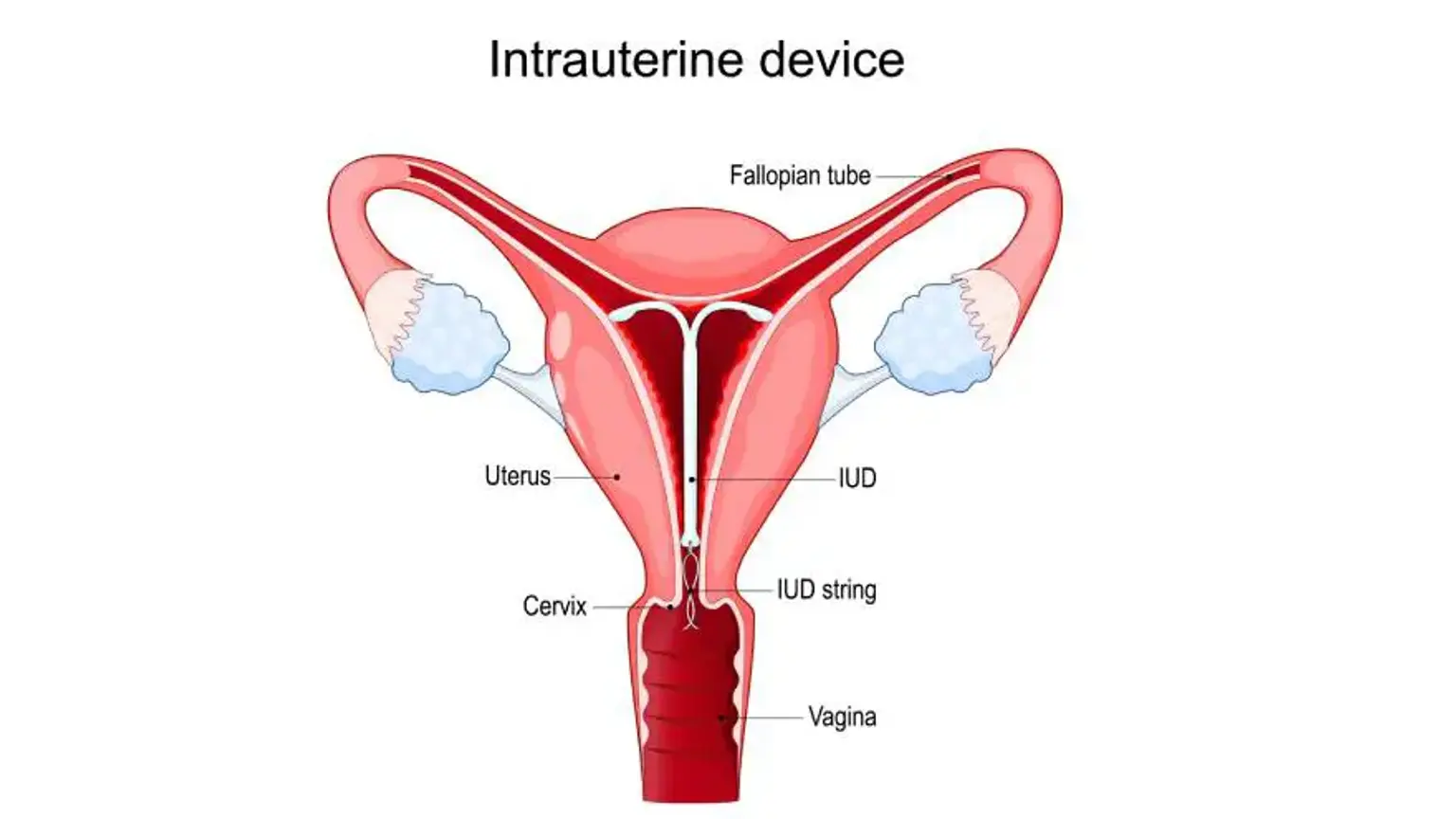
South Korea has established itself as a powerhouse in global healthcare, attracting over 2.46 million international patients between 2009 and 2022 . This reputation is built on a foundation of technological innovation, rigorous specialist training, and an unwavering commitment to patient outcomes. Within the field of Obstetrics & Gynaecology, this excellence is clearly demonstrated in the rising popularity of hormonal intrauterine devices (IUDs) as a preferred contraceptive method. This article explores the specific clinical, technological, and patient centric reasons why women from around the world are choosing Korean clinics for this highly effective long-acting reversible contraception (LARC).
Why Are Hormonal IUDs So Popular in Korean Clinics?
why-are-hormonal-iuds-so-popular-in-korean-clinicsThe popularity of hormonal IUDs in Korea stems from a confluence of clinical philosophy and patient demand for effective, long-term, and low-maintenance contraception. Korean gynecologists emphasize evidence based medicine, and hormonal IUDs are among the most effective forms of reversible birth control available, with a typical use failure rate of less than 1%. This aligns with a patient population that is well-informed and seeks reliable solutions that fit into a busy, modern lifestyle.
Furthermore, the clinical culture in Korea prioritizes preventative care and holistic women's health. The therapeutic, non-contraceptive benefits of hormonal IUDs such as managing heavy menstrual bleeding are actively discussed and offered as a first-line treatment, increasing their application and popularity.
What Are the Benefits of Getting an IUD in a Korean Clinic?
what-are-the-benefits-of-getting-an-iud-in-a-korean-clinicChoosing a Korean clinic for hormonal IUD placement offers distinct advantages rooted in the country's advanced healthcare infrastructure and patient-care models. The primary benefits include:
Precision and Safety: Korean clinics universally use high-resolution ultrasound guidance for both pre-procedure assessment and real time placement. This ensures the IUD is positioned perfectly within the uterus, minimizing risks of perforation, malposition, and expulsion while maximizing comfort and effectiveness.
Expertise of Specialists: Gynecologists in South Korea undergo one of the world's most competitive and demanding training programs. Their extensive experience ensures procedures are performed quickly, efficiently, and with minimal discomfort.
Advanced Technology: From initial consultation to follow-up, clinics are equipped with state of the art diagnostic and procedural technology. This not only enhances safety but also provides a more comfortable and reassuring patient experience.
Comprehensive Care: The approach extends beyond simple insertion. Patients receive detailed pre-procedure counseling, a thorough pelvic exam and screening, and a clear post-procedure care and follow-up plan, often integrated into a comprehensive women's health check-up.
Beyond Birth Control: How Are Hormonal IUDs Used Therapeutically in Korea?
beyond-birth-control:-how-are-hormonal-iuds-used-therapeutically-in-koreaA key driver of hormonal IUD use in Korea is their application for significant therapeutic benefits beyond contraception. This dual purpose approach is a hallmark of the sophisticated gynecological care available. The locally-released hormone, levonorgestrel, acts directly on the uterine lining endometrium, making it a powerful tool for managing several conditions.
Menorrhagia (Heavy Menstrual Bleeding): Hormonal IUDs are a first line, non-surgical treatment for heavy periods. They can reduce menstrual blood loss by up to 90%, offering profound relief for women with anemia or those whose quality of life is impacted by severe bleeding.
Dysmenorrhea (Painful Periods): By thinning the uterine lining and reducing prostaglandin production, hormonal IUDs can significantly decrease the severity of menstrual cramps.
Endometriosis and Adenomyosis: For patients with endometriosis or adenomyosis, hormonal IUDs can help manage symptoms like pelvic pain and heavy bleeding by suppressing the growth of endometrial tissue.
Endometrial Protection: For women undergoing estrogen only hormone replacement therapy during perimenopause or menopause, a hormonal IUD can provide the necessary progesterone to protect the endometrium from hyperplasia.
What Is the Hormonal IUD Insertion Process Like in Korea?
what-is-the-hormonal-iud-insertion-process-like-in-koreaThe process in a top Korean clinic is designed for safety, comfort, and precision. While specifics can vary slightly, the typical patient journey follows a clear, structured path.
Initial Consultation & Screening: The appointment begins with a detailed discussion of the patient's medical history, reproductive goals, and any symptoms like heavy or painful periods. The gynecologist explains the benefits and risks of different IUD types.
Pelvic Exam & Ultrasound: A bimanual pelvic exam is performed to assess the size, shape, and position of the uterus. A transvaginal ultrasound is then used to screen for any abnormalities like fibroids or polyps and to take precise measurements of the uterine cavity. This step is critical for ensuring a good fit and safe placement.
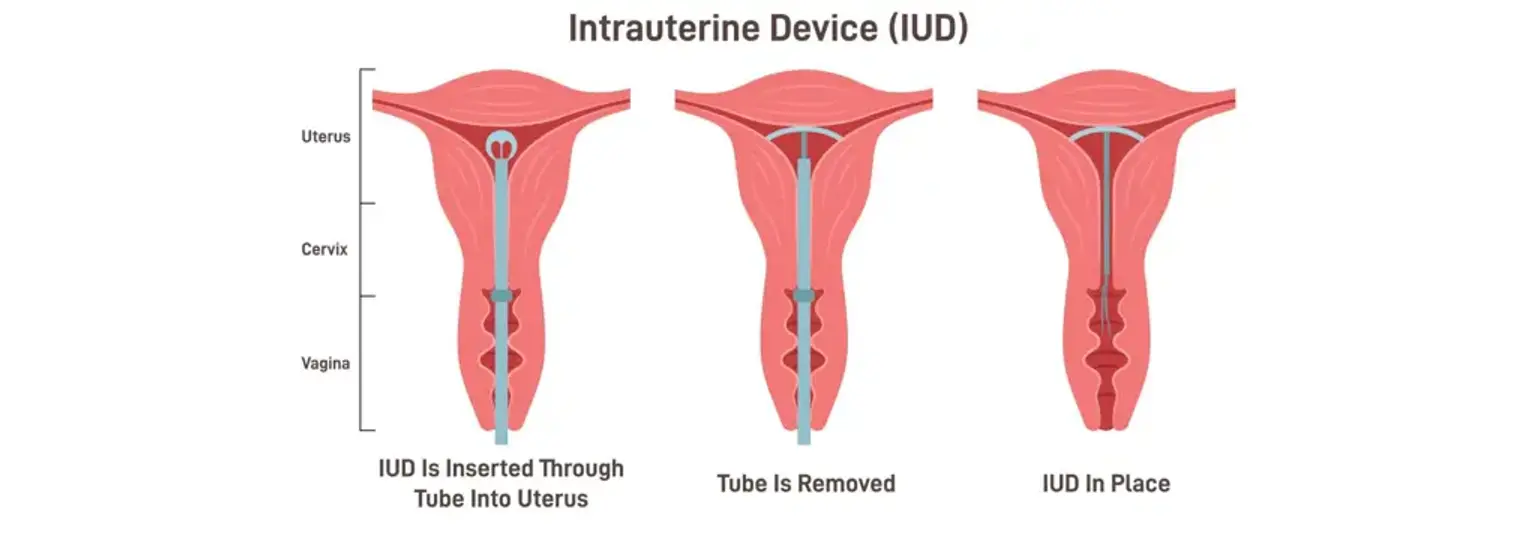
The Procedure: The patient is positioned, and the cervix is cleaned with an antiseptic solution. The gynecologist uses an instrument to stabilize the cervix. The depth of the uterus is measured again with a sterile sound. The IUD, pre-loaded in a thin plastic insertion tube, is then carefully guided through the cervix and released into the correct position at the top of the uterus, often under real-time ultrasound imaging. The entire insertion typically takes less than five minutes.
Post-Insertion Confirmation: A final ultrasound is performed immediately after placement to confirm the IUD is in the optimal position. The strings are trimmed, and the patient is given instructions for post-procedure care.
Which Hormonal IUD Brands Are Available in Korean Clinics?
which-hormonal-iud-brands-are-available-in-korean-clinicsKorean clinics typically offer a range of globally recognized and trusted hormonal IUD brands, allowing for a personalized choice based on the patient's anatomy, reproductive plans, and therapeutic needs. The most common options include:
Mirena: Approved for up to 8 years of contraception and is also FDA-approved to treat heavy menstrual bleeding. It contains 52mg of levonorgestrel.
Kyleena: Approved for up to 5 years of contraception. It is slightly smaller than Mirena and releases a lower dose of hormone (19.5mg), making it a popular choice for women who have not previously given birth.
Other Options: Depending on the clinic and national approvals, other smaller or lower-dose IUDs like Skyla or Liletta may also be available.
"I was nervous about getting an IUD, but the clinic in Seoul was incredible. They used an ultrasound before and during the procedure, and my doctor explained everything. The entire process was so efficient and professional, and I felt completely confident in their care. It was far more advanced than what I expected back home." – an anonymous patient, Canada.
Recommended Clinics with Relevant Expertise in South Korea
recommended-clinics-with-relevant-expertise-in-south-koreaSouth Korea is home to numerous world-class women's health clinics. The following institutions are renowned for their comprehensive OB/GYN departments and experience with international patients.
Website | Clinic Name | Best Known For | Address | Contact |
|---|---|---|---|---|
Second Spring Women's Clinic | Vaginal aesthetic and reconstructive treatments | Gangnam-gu, Seoul, South Korea | ||
Seoul Miz Hospital | Comprehensive obstetrics, gynaecology, and postpartum care | Gangdong-gu, Seoul, South Korea | ||
MariaPlus Fertility Hospital | Advanced IVF and fertility treatments | Songpa-gu, Seoul, South Korea | ||
Asan Medical Center | Major university hospital handling high risk pregnancies and complex GYN cases | Songpa-gu, Seoul, South Korea | ||
Goeunbit Women’s Clinic | General OBGYN services including prenatal and postnatal checkups | Songpa-gu, Seoul, South Korea | ||
MizMedi Hospital | Large women's hospital specializing in delivery and comprehensive postpartum care | Gangseo-gu, Seoul, South Korea | ||
HI Fertility Clinic | Specialized fertility treatments and IVF procedures | Gangseo-gu, Seoul, South Korea | ||
Helen Women’s Obstetrics & Gynecology Clinic | Gynecological surgery and general women's health management | Songpa-gu, Seoul, South Korea |
Recommended Treatment/Procedure Names with Average Costs in South Korea
recommended-treatmentprocedure-names-with-average-costs-in-south-koreaThe following table provides an overview of common gynecological procedures and their estimated costs in South Korea. These are approximate ranges and can vary based on the specific clinic and complexity of the case.
Treatment/Procedure Name | Duration | Hospitalization? | Avg. Cost (USD) in S. Korea | Contact |
|---|---|---|---|---|
Hormonal IUD Insertion (e.g., Mirena, Kyleena) | 15 - 30 minutes | Not Needed | $300 - $700 | |
Menstrual & Hormonal Disorders Treatment | 30–60 mins | Not Needed | $80 to $200 | |
Hormone Replacement Therapy (HRT) | 15–30 mins | Not Needed | $100 to $300 | |
Endometriosis Management (Medical/Surgical) | 1 to 3 hours | Needed (1 to 2 days) | $4000 to $9000 | |
Labiaplasty | 1 - 2 hours | Not Needed | $2,500 - $4,500 | |
Vaginal Tightening (Laser) | 20 - 30 mins | Not Needed | $800 - $1,500 | |
Gynecological Surgery (e.g., Hysteroscopy) | 30 mins - 2 hours | Needed( 1-2 days) | $2,000 - $7,000 | |
Contraception and Miscarriage Care | 30 mins | Needed (1 day) | $1000 to $2500 |
What to Know Before Traveling to Korea for Medical Care
what-to-know-before-traveling-to-korea-for-medical-carePlanning a medical trip for contraceptive care is straightforward, but understanding a few key points can ensure a smooth experience.
1. How is the language barrier handled for contraceptive consultations?
1.-how-is-the-language-barrier-handled-for-contraceptive-consultationsLeading Korean clinics that cater to international patients have dedicated international departments with fluent multilingual coordinators. These coordinators manage communication, schedule appointments, and often provide in-person translation during consultations to ensure all questions are answered and medical information is clearly understood.
2. Is it safe for international patients to get a hormonal IUD in Korea?
2.-is-it-safe-for-international-patients-to-get-a-hormonal-iud-in-koreaYes, it is extremely safe. South Korea has exceptionally high standards for medical device regulation, sterilization protocols, and physician training. The routine use of ultrasound guidance further enhances the safety profile, making it one of the safest places in the world to undergo this procedure.
3. What pre-procedure checks are required in Korean clinics?
3.-what-pre-procedure-checks-are-required-in-korean-clinicsClinics will require a comprehensive consultation to ensure you are a suitable candidate. This includes a review of your medical history and a pelvic exam. A key part of the Korean standard of care is a pre-procedure transvaginal ultrasound to rule out uterine abnormalities and confirm uterine dimensions, which is a critical safety and efficacy check.
4. How do I prepare for my IUD appointment in Korea?
4.-how-do-i-prepare-for-my-iud-appointment-in-koreaYour medical coordinator will provide specific instructions. Generally, it's recommended to eat a light meal before your appointment and take an over the counter pain reliever like ibuprofen about an hour beforehand to minimize cramping. It's also wise to schedule the insertion during your menstrual period, as the cervix is naturally more open, which can make for a more comfortable procedure.
5. What is the follow-up care process like after IUD insertion?
5.-what-is-the-follow-up-care-process-like-after-iud-insertionClinics typically recommend a follow-up visit 4-6 weeks after insertion. This appointment includes an ultrasound to confirm the IUD remains in the correct position and to address any questions. For international patients, this follow-up can often be coordinated with a qualified gynecologist in their home country, with the Korean clinic providing all necessary medical records.
Take Control of Your Health: Plan Your Contraceptive Care in Korea Now!
take-control-of-your-health:-plan-your-contraceptive-care-in-koreaChoosing the right contraception is a vital decision for your health and well-being. The combination of expert specialists, advanced technology, and a patient-first approach makes South Korea an outstanding destination for hormonal IUD placement and comprehensive gynecological care. Let a dedicated team handle the logistics, so you can focus on your health. By inquiring through a trusted platform, you gain access to a seamless, transparent process and a personal Care Manager who provides end-to-end support, from your first question to your post-procedure care. And Start Your Confidential Inquiry with CloudHospital.