
The clinical information regarding Tips from Korean Experts for Preventing Digital Eye Strain in this article has been rigorously verified against the latest guidelines from the American Academy of Ophthalmology (AAO) and primary research from databases like PubMed. This piece was reviewed for accuracy and patient-centric clarity and was last updated in October 2023.
Introduction
introductionSouth Korea stands as a global benchmark in advanced healthcare, particularly in the field of ophthalmology. Its reputation is built on a foundation of cutting-edge technology, rigorous specialist training, and a profound understanding of vision health. As screen time becomes an inescapable part of modern life, the incidence of digital eye strain, or Computer Vision Syndrome (CVS), has surged globally. This article provides actionable strategies, championed by Korean ophthalmology experts, to protect your vision and explains why patients worldwide seek specialized eye care in South Korea.
Why is Digital Eye Strain a Growing Concern?
why-is-digital-eye-strain-a-growing-concern
Digital eye strain is a group of eye and vision-related problems resulting from prolonged use of computers, tablets, e readers, and cell phones. Symptoms are not isolated to just tired eyes; they often include headaches, blurred vision, neck and shoulder pain, and significant eye dryness. The core issue lies in the intense visual demands of digital screens, which force our eyes to work harder than they do for reading printed text. Korean clinics are at the forefront of diagnosing and managing this modern ailment, emphasizing preventative care and patient education.
What is the 20-20-20 Rule and Why Do Korean Experts Emphasize It?
what-is-the-20-20-20-rule-and-why-do-korean-experts-emphasize-itThe 20-20-20 rule is a simple, effective guideline stating that for every 20 minutes spent looking at a digital screen, you should look at an object at least 20 feet away for a full 20 seconds. Korean ophthalmologists consistently stress this rule because it directly combats the root causes of digital accommodative stress. Shifting your focus to a distant object allows the ciliary muscles inside the eye to relax, reducing fatigue. Furthermore, this brief break encourages blinking, which is crucial for replenishing the tear film and preventing [dry eye syndrome], a common component of CVS.
How Can I Reduce Eye Strain From My Computer Ergonomically?
how-can-i-reduce-eye-strain-from-my-computer-ergonomicallyOptimizing your workstation setup is a fundamental strategy for minimizing eye strain and physical discomfort. A poorly configured desk forces your eyes and body into unnatural positions, exacerbating symptoms. Korean eye care experts recommend a holistic approach to ergonomics.
Screen Position: Position your monitor about an arm's length (25 inches) away. The top of the screen should be at or slightly below eye level. This placement encourages a slight downward gaze, which is more comfortable and helps reduce tear evaporation.
Reference Materials: If you are working with physical documents, place them on a document holder next to your screen. This minimizes repetitive head and eye movements between the document and the monitor.
Lighting and Glare: Adjust ambient lighting to avoid harsh glares on your screen from windows or overhead lights. Use an anti-glare screen filter if needed. A screen that is much brighter than the surrounding light forces your eyes to work harder.
Conscious Blinking: Humans normally blink about 15 times a minute, but this rate can be cut by more than half when staring at a screen. This leads to dry, irritated eyes. Make a conscious effort to blink fully and frequently.
What are the Best Professional Treatments for Chronic Eye Strain?
what-are-the-best-professional-treatments-for-chronic-eye-strainFor persistent or severe symptoms, self-care measures may not be enough, and a professional consultation is necessary. Korean ophthalmologists utilize a range of advanced diagnostics to identify underlying causes, such as an uncorrected [refractive error] or severe dry eye disease.
Computer Glasses: Your ophthalmologist can prescribe glasses specifically for computer use. These lenses are optimized for the intermediate distance of your screen and can correct for even minor astigmatism or presbyopia that contributes to strain.
Advanced Dry Eye Therapies: If over-the-counter artificial tears are insufficient, clinics in Korea offer advanced treatments like Intense Pulsed Light (IPL) therapy or LipiFlow. These procedures target the root cause of evaporative dry eye by improving the function of the meibomian glands in the eyelids.
Comprehensive Eye Examination: A full eye exam is the most critical step. It ensures symptoms aren't masking a more serious condition like [glaucoma] and confirms your vision is optimally corrected, providing a strong foundation for comfort.
What is the International Patient Experience Like in Korean Eye Clinics?
what-is-the-international-patient-experience-like-in-korean-eye-clinics"After my SMILE surgery in Seoul, the clarity was immediate. The technology was incredible, and the post-op care team was so attentive, making the entire process feel safe and reassuring. I see better now than I ever did with glasses." – Michael, USA.
The Korean healthcare system is expertly tailored to welcome international patients. The experience is defined by efficiency, comfort, and comprehensive support.
Dedicated Support: Top clinics provide dedicated international patient coordinators and professional translators to eliminate any language barriers and manage all logistical aspects of care.
State-of-the-Art Facilities: Korean eye clinics are known for their modern, clean, and comfortable environments, equipped with the latest diagnostic and surgical technology.
Integrated Care Packages: Many clinics offer all-inclusive packages that may cover everything from initial consultations and the procedure itself to post-operative check-ups and even airport transfers, ensuring a seamless patient journey.
Recommended Clinics with Relevant Expertise in South Korea
recommended-clinics-with-relevant-expertise-in-south-koreaThe following clinics are recognized for their excellence in ophthalmology and their experience in treating international patients.
Website | Clinic Name | Best Known For | Address | Contact |
|---|---|---|---|---|
SNU Eye Clinic | Comprehensive care, research-driven treatments, complex cases | Gangnam-gu, Seoul, South Korea | ||
Gangnam Joeunnun Vision Clinic | High-volume vision correction (LASIK, SMILE), presbyopia surgery | Gangnam-gu, Seoul, South Korea | ||
Jryn Eye Clinic | Vision correction surgery, cataract treatment, advanced dry eye care | Busan-gu, Seoul, South Korea | ||
Global Ubal Eye Center | Implantable Collamer Lens (ICL) surgery, high myopia correction | Incheon-gu, Seoul, South Korea | ||
Cha University Bundang Medical Center | University-level care, retinal diseases, glaucoma treatment | Seongnam-si, Gyeonggi-do, South Korea | ||
Chosun University Hospital | Comprehensive ophthalmology department in a major university hospital | Buk-gu, Gwangju, South Korea | ||
Kangdong Sacred Heart Hospital | Cataract surgery, vitreoretinal surgery, general ophthalmology | Gangdong-gu, Seoul, South Korea | ||
Samyook Busan Adventist Hospital | General ophthalmology services, community-focused patient care | Busanjin-gu, Busan, South Korea |
Recommended Treatment/Procedure Names with Average Costs in South Korea
recommended-treatmentprocedure-names-with-average-costs-in-south-koreaThe procedures listed below are commonly performed in South Korea. Costs are estimates and can vary based on the clinic, surgeon's experience, and the complexity of the patient's case.
Treatment/Procedure Name | Treatment Duration | Hospitalization? | Avg Cost Range (USD) in S. Korea | Contact |
|---|---|---|---|---|
LASIK Eye Surgery | 20-30 mins | Not Needed | $1,800 - $3,000 | |
SMILE Eye Surgery | 20-30 mins | Not Needed | $2,200 - $4,000 | |
Premium Cataract Surgery with IOLs | 30-60 mins | Not Needed | $4,000 - $8,000 | |
LASEK Eye Surgery | 20-30 mins | Not Needed | $1,500 - $2,800 | |
Implantable Collamer Lens (ICL) Surgery | 30-40 mins | Not Needed | $4,000 - $6,500 | |
Dry Eye Treatment (e.g., IPL) | 30-40mins | Not Needed | $200 - $500 | |
Glaucoma Treatment (e.g., SLT) | 10-20mins | Not Needed | $500 - $1,500 | |
Vitreoretinal Surgery | 1-3 hours | Needed (1-2 days) | $7,000 - $15,000 | |
Treatment for Keratoconus (CXL) | 30-60 mins | Not Needed | $2,500 - $4,500 |
Frequently Asked Questions About Preventing Digital Eye Strain
frequently-asked-questions-about-preventing-digital-eye-strain1. Are blue light-blocking glasses effective for digital eye strain?
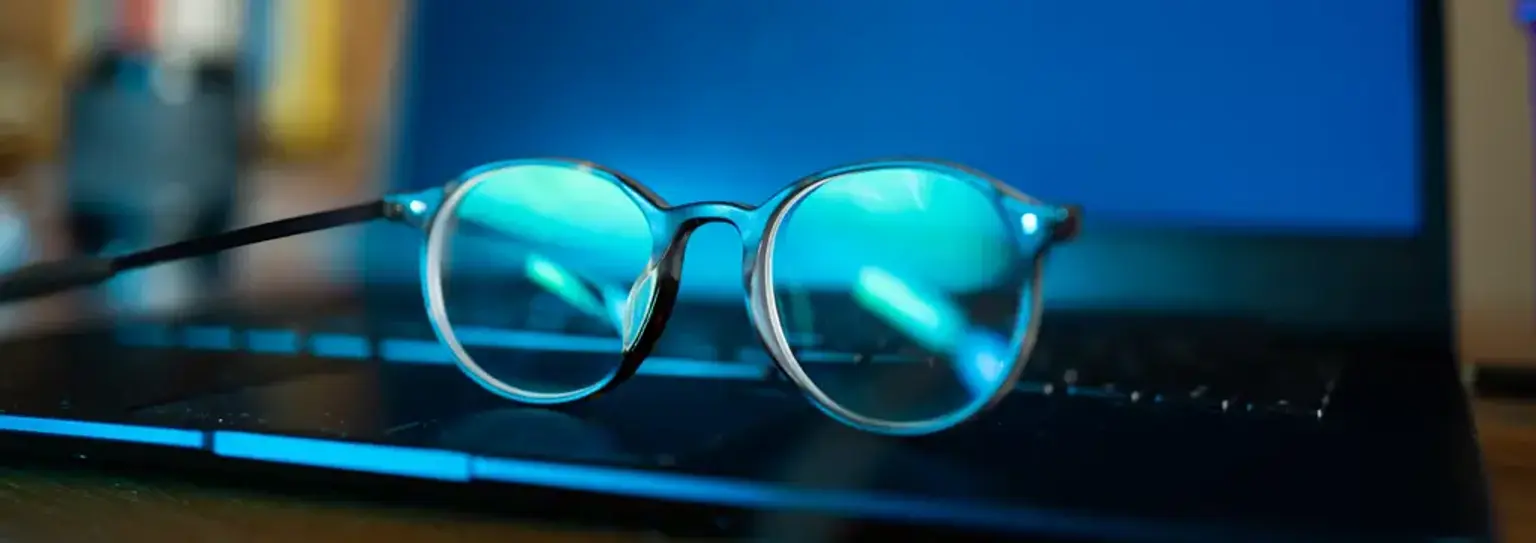
1.-are-blue-light-blocking-glasses-effective-for-digital-eye-strainWhile blue light glasses are popular, the American Academy of Ophthalmology states there is currently no scientific evidence that the blue light from computer screens is damaging to the eyes or the primary cause of eye strain. The discomfort stems from the way we use our digital devices long periods of focus, reduced blinking, and poor ergonomics not the blue light itself.
2. Can eye strain from computers cause permanent damage?
2.-can-eye-strain-from-computers-cause-permanent-damageFor adults, digital eye strain does not lead to permanent vision damage. However, it can cause significant recurring discomfort, temporary vision issues like blurriness, and can significantly impact productivity and quality of life. For children, whose eyes are still developing, there is ongoing research into whether excessive screen time may be linked to the increasing prevalence of myopia (nearsightedness).
3. What are the best over-the-counter eye drops for computer users?
3.-what-are-the-best-over-the-counter-eye-drops-for-computer-usersThe best over-the-counter options are preservative-free artificial tears. These lubricating drops supplement your natural tear film to combat dryness caused by reduced blinking. The "preservative-free" designation is key, as these formulations come in single-use vials and are gentler for frequent use without the risk of irritation from preservatives.
4. When should I see a doctor for my eye strain symptoms?
4.-when-should-i-see-a-doctor-for-my-eye-strain-symptomsYou should consult an ophthalmologist if your symptoms are severe, persist for several days despite trying these preventative tips, or are accompanied by other concerning issues. Seek immediate professional advice if you experience double vision, a new onset of floaters or flashes of light, significant eye pain, or a sudden change in vision.
Protect Your Vision: Get Expert Guidance on Digital Eye Strain Today!
protect-your-vision:-get-expert-guidance-on-digital-eye-strainDon't let digital eye strain compromise your comfort and focus. Taking proactive steps and seeking expert advice can provide lasting relief and protect your long-term eye health. If you are experiencing persistent symptoms or wish to explore the advanced treatment options available, the world-class ophthalmology centers in South Korea are ready to assist. You can receive a seamless, transparent, and fully supported experience with a dedicated Care Manager to guide you from inquiry to post-recovery care. And Start Your Confidential Inquiry with CloudHospital to get a personalized assessment from leading Korean eye specialists.