

The clinical information regarding Keratoconus in this article has been rigorously verified against the latest guidelines from the Korean Ophthalmological Society (KOS) and primary research from databases like PubMed. This piece was reviewed for accuracy and patient-centric clarity and was last updated in October 2023.
Introduction
introductionSouth Korea has cemented its status as a global powerhouse in advanced medical care, particularly in the highly specialized field of Ophthalmology. Its reputation is built on a foundation of cutting-edge technology, rigorous physician training, and a relentless pursuit of clinical excellence. For patients with Keratoconus, a progressive eye disease that thins and warps the cornea, this translates into access to some of the world's most effective diagnostic and therapeutic strategies. This article details the comprehensive approach Korean clinics employ to diagnose, manage, and halt the progression of Keratoconus, offering new hope for restored vision.
How Do Korean Doctors Diagnose Keratoconus Early?
how-do-korean-doctors-diagnose-keratoconus-early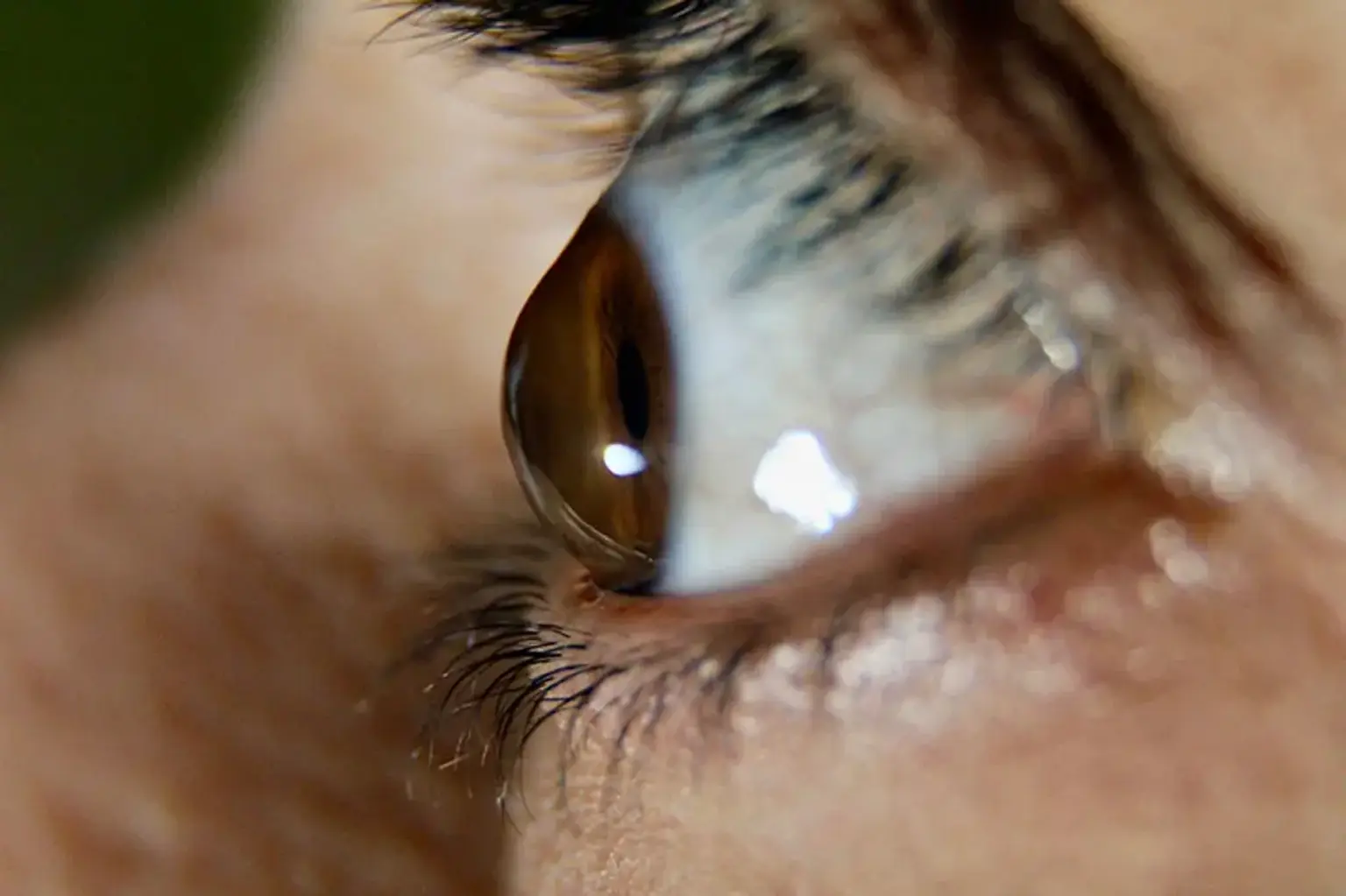
Early and precise diagnosis is the cornerstone of effective Keratoconus management. Korean ophthalmologists utilize a suite of advanced imaging technologies to detect the condition at its earliest stages, often before patients notice significant symptoms. The goal is to create a detailed, three-dimensional map of the cornea to identify subtle signs of thinning and bulging.
The diagnostic process is meticulous and multi-faceted:
Corneal Topography: This is the foundational diagnostic tool. It creates a color coded map of the cornea's surface curvature, similar to a topographical map of a mountain. Irregular steepening, a hallmark of Keratoconus, is immediately visible.
Scheimpflug Imaging: Devices like the Pentacam are standard in top Korean clinics. They go beyond surface mapping by capturing cross sectional images of the cornea. This allows for precise measurement of corneal thickness pachymetry, analysis of both the front and back surfaces of the cornea, and creation of a 3D model to detect posterior corneal bulging, one of the earliest signs of the disease.
Anterior Segment Optical Coherence Tomography: This non-invasive imaging test provides ultra high resolution, cross-sectional images of the cornea. It is invaluable for creating epithelial thickness maps. In early Keratoconus, the epithelium the cornea's outermost layer often thins over the steepest part of the cone, a critical diagnostic clue that Korean specialists actively look for.
Comprehensive Slit Lamp Examination: A detailed examination by an experienced corneal specialist remains vital. They look for classic clinical signs like Fleischer rings (iron deposits), Vogt's striae (stress lines), and corneal scarring in more advanced cases.
What Are the Most Advanced Keratoconus Treatments Available in Korea?
what-are-the-most-advanced-keratoconus-treatments-available-in-koreaKorean treatment protocols are tailored to the individual patient's age, disease severity, and rate of progression. The strategy shifts from simple vision correction in early stages to procedures designed to strengthen the cornea and halt the disease.
Stage 1: Vision Correction & Monitoring
stage-1:-vision-correction-and-monitoringFor very mild or non-progressive cases, the initial focus is on improving vision.
Customized Eyeglasses: For early stage irregular astigmatism.
Specialty Contact Lenses: Korean clinics excel in fitting complex contact lenses, which are often the best non-surgical option. This includes:
Rigid Gas Permeable (RGP) Lenses: Provide a smooth refractive surface over the irregular cornea.
Scleral Lenses: These large diameter lenses vault over the entire cornea, resting on the white part of the eye. They create a new, perfectly smooth optical surface and are often the most comfortable and effective solution for moderate to advanced Keratoconus.
Stage 2: Halting Disease Progression
stage-2:-halting-disease-progressionThe primary goal for progressive Keratoconus is to stop it from getting worse.
Corneal Cross-Linking (CXL): This is the global standard of care for halting progression, and Korean centers have refined the technique for maximum safety and efficacy. The procedure involves applying Vitamin B2 drops to the cornea, which is then activated by a controlled dose of ultraviolet A (UVA) light. This creates new bonds, or cross-links, between corneal collagen fibers, effectively stiffening the cornea and preventing further bulging.
Stage 3: Surgical Intervention for Vision Restoration
stage-3:-surgical-intervention-for-vision-restorationWhen CXL is not enough or the cornea is too misshapen for contact lenses to work, surgical options are considered.
Intacs Corneal Implants: These are tiny, transparent, crescent-shaped rings inserted into the mid-layer of the cornea. They work to flatten the cone, reshaping the cornea to improve vision. This is often combined with CXL.
Corneal Transplantation: For advanced cases with significant scarring or thinning, a transplant may be necessary. Korean surgeons are at the forefront of advanced partial thickness transplant techniques.
Deep Anterior Lamellar Keratoplasty: This is the preferred method. The surgeon selectively removes the patient's diseased outer corneal layers and replaces them with healthy donor tissue, leaving the innermost layer the endothelium intact. This dramatically reduces the risk of tissue rejection compared to a full thickness transplant.
Penetrating Keratoplasty (PKP): A full thickness transplant is reserved for cases where the entire cornea, including the endothelium, is damaged.
Is Corneal Cross-Linking (CXL) Better in South Korea?
is-corneal-cross-linking-(cxl)-better-in-south-koreaWhile the core CXL procedure is standardized, Korean clinics enhance its safety and efficacy through superior technology and protocol refinement. The better experience comes from a combination of factors:
Advanced Pre-Operative Planning: The use of high resolution Scheimpflug and OCT imaging allows for hyper-personalized treatment. Surgeons can precisely map the thinnest and steepest areas of the cornea, ensuring the UVA energy is delivered effectively and safely.
Epi-Off vs. Epi-On Techniques: Korean specialists are proficient in both primary CXL techniques. The Epi-Off method, where the corneal epithelium is removed for better riboflavin absorption, is the most common and proven method. They are also leaders in investigating newer Epi-On transepithelial techniques, which aim to reduce discomfort and healing time, applying them to suitable candidates.
Combined Procedures: Leading surgeons in Korea often combine CXL with other treatments in a single session, such as topography guided (PRK) photorefractive keratectomy or Intacs insertion, to both halt progression and improve a patient's uncorrected vision. This holistic approach is a key advantage.
What is the International Patient Experience Like in Korea?
what-is-the-international-patient-experience-like-in-korea"I was losing hope as my vision got worse from Keratoconus. The team in Seoul was incredible. The technology they used to map my eyes was unlike anything I'd seen. After my CXL procedure, not only has my vision stabilized, but the clarity is better than it has been in years. The care coordinator handled everything, making a stressful situation feel manageable." – an anonymous patient, Australia.
Korean medical centers are expertly equipped to handle the needs of international patients. The experience is designed to be seamless and stress free.
Dedicated International Departments: Major hospitals have teams of medical coordinators and translators who manage everything from initial inquiries and appointment scheduling to accommodation and post-operative follow-up.
State of the Art Facilities: Clinics and hospitals are modern, clean, and equipped with the latest technology, providing a comfortable and reassuring environment.
Transparent, All-Inclusive Packages: Many clinics offer clear pricing packages that include the procedure, consultations, medications, and follow-up care, eliminating financial surprises.
Recommended Clinics with Relevant Expertise in South Korea
recommended-clinics-with-relevant-expertise-in-south-koreaThe following institutions are renowned for their advanced ophthalmology departments and expertise in managing complex corneal diseases like Keratoconus.
Website | Clinic Name | Best Known For | Address | Contact |
|---|---|---|---|---|
SNU Eye Clinic | Complex eye diseases, corneal research, and university-level care. | Gangnam-gu, Seoul, South Korea | ||
Gangnam Joeunnun Vision Clinic | Advanced vision correction, LASIK/LASEK, and Keratoconus treatment. | Gangnam-gu, Seoul, South korea | ||
Jryn Eye Clinic | Premium patient experience and comprehensive eye care services. | Busanjin-gu, Busan, South Korea | ||
Global Ubal Eye Center | International patient services and a wide range of eye surgeries. | Jung-gu, Incheon, South Korea | ||
Cha University Bundang Medical Center | Multidisciplinary hospital with a strong ophthalmology center. | Seongnam-si, Gyeonggi-do, South Korea | ||
Chosun University Hospital | Leading regional university hospital with expertise in various surgeries. | Buk-gu, Gwangju, South Korea | ||
Kangdong Sacred Heart Hospital | Comprehensive medical center with a dedicated ophthalmology department. | Gangdong-gu, Seoul, South Korea | ||
Samyook Busan Adventist Hospital | General and specialized care, including eye treatments. | Busanjin-gu, Busan, South Korea |
Recommended Treatment/Procedure Names with Average Costs in South Korea
recommended-treatmentprocedure-names-with-average-costs-in-south-koreaCosts are estimates and can vary based on clinic, surgeon, and the complexity of the individual case. A personalized quote is essential.
Treatment/Procedure Name | Duration | Hospitalization? | Avg. Cost Range (USD) in S. Korea | Contact |
|---|---|---|---|---|
Treatment for Keratoconus (CXL) | 60-90 mins | Not Needed | $1,500 - $3,000 | |
Corneal Transplantation Surgery (DALK/PKP) | 1-2 hours | Needed (1-2 days) | $8,000 - $15,000 | |
Intacs Corneal Implants | 20-30 mins | Not Needed | $3,000 - $5,500 | |
Non-Surgical Vision Correction (Scleral Lens Fitting) | 30–60 mins | Not Needed | $1,000 - $2,500 | |
Implantable Collamer Lens (ICL) Surgery | 20-30 mins | Not Needed | $4,500 - $7,000 | |
Vitreoretinal Surgery | 1-3 hours | Needed (1-3 days) | $6,000 - $12,000 | |
Premium Cataract Surgery with IOLs | 15-20 mins | Not Needed | $4,000 - $8,000 |
What Should I Know Before Traveling to Korea for Medical Care?
what-should-i-know-before-traveling-to-korea-for-medical-careNavigating medical care abroad requires preparation. Addressing practical concerns upfront ensures a smooth and successful journey.
1. What Happens During a Keratoconus Consultation in Korea?
1.-what-happens-during-a-keratoconus-consultation-in-koreaA consultation is an exhaustive diagnostic session. Expect it to last 1-2 hours and include a full suite of imaging tests like topography, tomography, a manifest refraction to check your prescription, a slit lamp exam, and an in depth discussion with the specialist about your results and all available treatment options.
2. How is the Language Barrier Handled in Korean Clinics?
2.-how-is-the-language-barrier-handled-in-korean-clinicsTop-tier clinics catering to international patients have dedicated English-speaking coordinators. Many surgeons and medical staff also have a high level of English proficiency. For other languages, professional medical interpretation services are readily available and will be arranged by the clinic's international team.
3. Why Are Costs Often Lower in Korea for High-Quality Procedures?
3.-why-are-costs-often-lower-in-korea-for-high-quality-proceduresThe lower cost is not a reflection of lower quality. It is primarily due to a combination of efficient healthcare system operations, government regulation of certain medical fees, and a higher volume of procedures, which allows for economies of scale. You receive world-class care at a more accessible price point.
4. What is the Success Rate of Keratoconus Surgery in Korea?
4.-what-is-the-success-rate-of-keratoconus-surgery-in-koreaSuccess rates are exceptionally high and align with the best global benchmarks. For Corneal Cross-Linking (CXL), the rate of halting disease progression is over 95%. For modern corneal transplants like DALK, graft survival rates at five years are well over 90%, with Korean surgical teams known for their precision and excellent outcomes.
5. What is the Recovery Period Like?
5.-what-is-the-recovery-period-likeRecovery varies by procedure:
CXL: Initial discomfort and blurry vision for 3-5 days. Vision stabilizes and improves over several months.
Intacs: Quick recovery, with functional vision returning within a few days.
DALK/PKP Transplant: This requires the longest recovery. Vision improves gradually over many months, and a year or more may be needed for full visual rehabilitation with glasses or contact lenses.
Restore Your Vision: Discover Advanced Keratoconus Care in Korea
restore-your-vision:-discover-advanced-keratoconus-care-in-koreaTaking control of Keratoconus starts with choosing a trusted medical team equipped with the latest technology and proven techniques. CloudHospital connects you to South Korea’s top specialists and clinics offering advanced diagnostics, customized treatment plans, and supportive follow-up care. With a dedicated Care Manager from CloudHospital guiding you at every step from initial questions to post-recovery you can experience a seamless, transparent journey to better vision. And Start Your Confidential Inquiry with CloudHospital today to receive a personalized treatment plan from leading experts in Korea.