

The clinical information regarding Managing Vision Changes with Aging in this article has been rigorously verified against the latest guidelines from the American Academy of Ophthalmology (AAO) and primary research from databases like PubMed. This piece was reviewed for accuracy and patient-centric clarity and was last updated in October 2023.
Introduction
introductionSouth Korea has firmly established itself as a global powerhouse in advanced medical care, particularly in the field of ophthalmology. For international patients facing the natural, yet often frustrating, vision changes that come with aging, Korea offers a synthesis of unparalleled surgical skill, next-generation technology, and a deeply patient-focused approach. This article explores the specific strategies and solutions that make South Korea a premier destination for restoring youthful, clear vision.
Why is Korea a Top Destination for Advanced Eye Surgery?
why-is-korea-a-top-destination-for-advanced-eye-surgery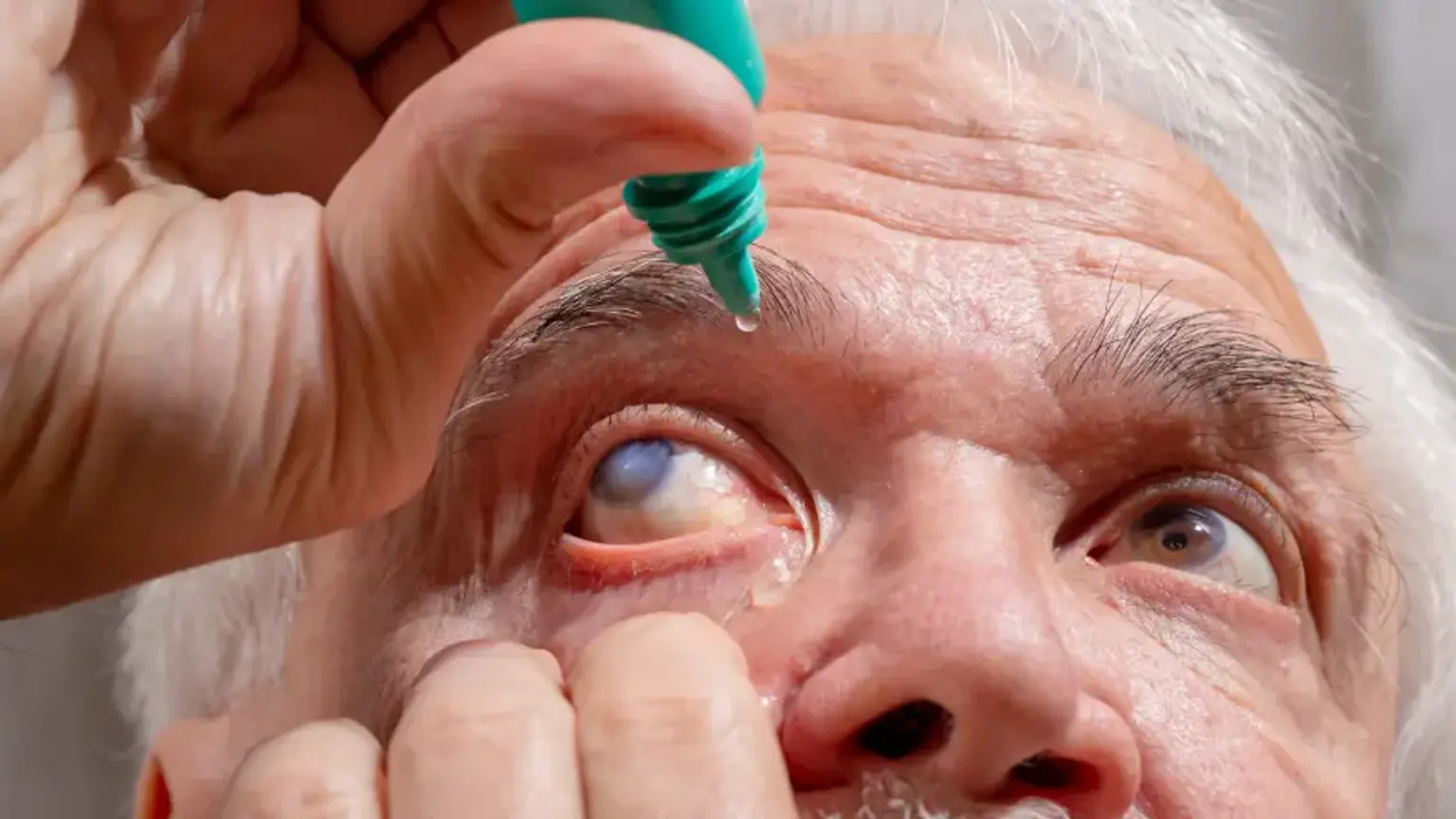
Korea's leadership in ophthalmology is not accidental; it is the result of a national focus on technological supremacy, rigorous medical training, and a healthcare system built for precision and efficiency. Surgeons in Korea perform one of the highest volumes of vision correction and cataract surgeries globally, fostering a level of experience that is difficult to match. This high volume drives innovation and the rapid adoption of superior technologies, from advanced diagnostic imaging to the latest femtosecond lasers.
The country's medical infrastructure is designed to support international patients, ensuring a seamless experience that combines clinical excellence with exceptional service. This comprehensive approach is why patients seeking definitive solutions for age-related eye conditions increasingly choose Korea.
What are the First Signs of Age-Related Vision Loss?
what-are-the-first-signs-of-age-related-vision-lossThe first sign for most individuals over 40 is difficulty with near vision, a condition known as presbyopia. This manifests as needing to hold menus, books, or smartphones farther away to see them clearly. Other common signs include:
Increased glare or halos around lights, especially at night, which can be an early indicator of cataracts.
A need for more light to perform tasks that were once easy.
Slightly blurred or hazy distance vision, even with existing glasses.
Difficulty adapting to changing light levels, such as when moving from a bright room to a darker one.
Slow, progressive loss of peripheral (side) vision, a key symptom of glaucoma.
Distortions in central vision, where straight lines may appear wavy, a warning sign for Age-Related Macular Degeneration AMD.
How Can I Correct Presbyopia in Korea?
how-can-i-correct-presbyopia-in-koreaKorean clinics offer a sophisticated spectrum of treatments for presbyopia, moving far beyond simple reading glasses. The primary goal is to restore a natural range of vision at all distances.
Premium Intraocular Lenses (IOLs): This is the gold standard, often performed during cataract surgery. Instead of a standard monofocal lens, surgeons implant advanced multifocal, trifocal, or extended depth of focus (EDOF) IOLs. These lenses are engineered to provide clear vision at near, intermediate, and far distances, effectively eliminating the need for glasses for most activities.
Laser Vision Correction (PresbyLASIK/Monovision): For patients who have not yet developed significant cataracts, specialized laser procedures can reshape the cornea. Monovision is a popular technique where one eye is corrected for distance vision and the other for near vision. The brain adapts to use the appropriate eye for the task, creating functional vision at all ranges.
Corneal Inlays: A tiny, biocompatible lens is surgically placed in the cornea of the non-dominant eye to improve near vision. This is a less invasive option for specific candidates.
How Do Korean Ophthalmologists Treat Glaucoma and Retinal Diseases?
how-do-korean-ophthalmologists-treat-glaucoma-and-retinal-diseasesKorean medical centers utilize state-of-the-art diagnostic and therapeutic technologies to manage chronic, vision-threatening conditions like glaucoma and retinal diseases. Early and precise intervention is the core philosophy.
Advanced Diagnostics: Widespread use of high-resolution Optical Coherence Tomography (OCT) and OCT Angiography allows for microscopic, cross-sectional imaging of the retina and optic nerve. This enables the detection of glaucomatous damage or retinal fluid years before symptoms appear, which is critical for preserving sight.
Minimally Invasive Glaucoma Surgery (MIGS): For glaucoma management, Korean surgeons are early adopters of MIGS. These procedures use microscopic devices to improve fluid drainage from the eye, lowering intraocular pressure with a higher safety profile and faster recovery than traditional surgery.
Anti-VEGF Therapy for Retinal Disease: For conditions like wet AMD and diabetic retinopathy, treatment with anti-VEGF injections is a standard of care. Korean protocols emphasize patient comfort and precise, regular treatment schedules to maximize vision preservation.
What is the International Patient Experience Like in Korea?
what-is-the-international-patient-experience-like-in-korea"After my trifocal lens implant in Seoul, the world came back into focus. I can read a text message and see a street sign across the road with perfect clarity. The technology was astounding, and the care team's attention to detail, with a dedicated translator, was more than I could have asked for." – an anonymous patient, United States.
The international patient journey in Korea is meticulously orchestrated to eliminate stress and maximize comfort. Key features include:
Dedicated Care Teams: Most major clinics provide personal medical coordinators who handle everything from scheduling to translation and follow-up care.
Cutting-Edge Facilities: Korean eye centers often resemble high-tech labs more than traditional clinics, with comfortable waiting areas and the most advanced diagnostic equipment readily available.
All-Inclusive Service Packages: Many institutions offer packages that can include airport transfers, accommodation arrangements, and comprehensive pre- and post-operative consultations.
Recommended Clinics with Relevant Expertise in South Korea
recommended-clinics-with-relevant-expertise-in-south-koreaWebsite | Clinic Name | Best Known For | Address | Contact |
|---|---|---|---|---|
SNU Eye Clinic | University-level comprehensive care, complex cases | Gangnam-gu, Seoul, South Korea | ||
Gangnam Joeunnun Vision Clinic | High-volume LASIK, LASEK, and SMILE surgery | Gangnam-gu, Seoul, South korea | ||
Jryn Eye Clinic | Premium cataract surgery, advanced vision correction | Busanjin-gu, Busan, South Korea | ||
Global Ubal Eye Center | Presbyopia correction, LASIK, lens implantation | Jung-gu, Incheon, South Korea | ||
Cha University Bundang Medical Center | Retinal diseases, pediatric eye care, comprehensive ophthalmology | Bundang-gu, Seongnam-si, South Korea | ||
Chosun University Hospital | General and specialized ophthalmology in a university hospital setting | Gwangju, Dong-gu, South Korea | ||
Kangdong Sacred Heart Hospital | Comprehensive eye care, glaucoma and cataract treatment | Gangdong-gu ,Seoul, South Korea | ||
Samyook Busan Adventist Hospital | General ophthalmology and surgical services in Busan | Busan, Seo-gu, South Korea |
Recommended Treatment/Procedure Names with Average Costs in South Korea
recommended-treatmentprocedure-names-with-average-costs-in-south-koreaTreatment/Procedure Name | Treatment Duration | Hospitalization? | Avg Cost Range (USD) in S. Korea | Contact |
|---|---|---|---|---|
LASIK / LASEK Surgery | 15-20 mins | Not Needed | $1,500 - $2,800 | |
SMILE Eye Surgery | 15-20 mins | Not Needed | $2,000 - $3,500 | |
Cataract Surgery (Standard Monofocal Lens) | 20-30 mins | Not Needed | $2,000 - $3,500 | |
Premium Cataract Surgery (Multifocal/Trifocal IOLs) | 20-30 mins | Not Needed | $3,500 - $7,000 | |
Presbyopia Correction (Laser or Lens-based) | 15-45 mins | Not Needed | $2,500 - $7,000 | |
Implantable Collamer Lens (ICL) Surgery | 20-30 mins | Not Needed | $4,000 - $6,500 | |
Dry Eye Treatment (e.g., IPL Therapy) | 15 mins | Not Needed | $200 - $500 | |
Glaucoma Treatment (e.g., SLT Laser, MIGS) | 10-20 mins | Not Needed | $500 - $2,500 | |
Retinal Diseases Treatment (e.g., Anti-VEGF Injection) | 10-15 mins | Not Needed | $500 - $2,000 | |
Vitreoretinal Surgery (e.g., for Retinal Detachment) | 1-3 hours | Needed (1-2 days) | $5,000 - $15,000 | |
Corneal Transplantation Surgery (e.g., DMEK, DSAEK) | 1-2 hours | Needed (1-3 days) | $10,000 - $20,000 |
What to Know Before Traveling to Korea for Eye Care
what-to-know-before-traveling-to-korea-for-eye-careThis section addresses the most common practical questions for international patients.
1. What is recovery like for advanced lens implants in Korea?
1.-what-is-recovery-like-for-advanced-lens-implants-in-koreaRecovery is typically rapid. Patients often notice significantly improved vision within the first 24-48 hours. You will use prescribed eye drops for several weeks to prevent infection and control inflammation. Most clinics will schedule a follow-up appointment for the day after surgery and another before you are cleared to travel home. Strenuous activity and eye rubbing are restricted for a few weeks.
2. Is SMILE or LASIK better for patients over 40?
2.-is-smile-or-lasik-better-for-patients-over-40The best choice depends on your specific corneal anatomy, prescription, and lifestyle. SMILE is a flapless procedure, which can offer benefits in terms of less post-operative dry eye and faster recovery of corneal nerve sensation. LASIK has a longer track record and can treat a wider range of prescriptions. For patients over 40 with presbyopia, the discussion will also involve monovision strategies or the possibility of future lens replacement surgery. A thorough consultation in Korea will determine the optimal procedure for you.
3. How is the language barrier handled in Korean clinics?
3.-how-is-the-language-barrier-handled-in-korean-clinicsLeading Korean clinics that cater to international patients have dedicated multilingual staff and professional medical interpreters. From the initial inquiry to the final post-operative check, a coordinator or translator will be with you to ensure clear communication with the doctors and staff, eliminating any language concerns.
4. Is treatment in Korea safe for international patients?
4.-is-treatment-in-korea-safe-for-international-patientsYes. Patient safety is paramount. Korean hospitals and clinics adhere to stringent national and international standards. The country has a very low rate of post-operative complications, a testament to the high skill level of its surgeons and the advanced, sterile environments in which they operate.
5. Why are costs often lower in Korea for high-quality procedures?
5.-why-are-costs-often-lower-in-korea-for-high-quality-proceduresThe cost-effectiveness of Korean healthcare is due to system-wide efficiency, not a compromise on quality. The government has policies that help manage healthcare costs, and the high volume of procedures allows clinics to achieve economies of scale. This results in patients receiving world-class technology and expertise at a price point that is often significantly lower than in the U.S. or Europe.
Your Path to Clear Vision Begins Here!
your-path-to-clear-vision-begins-hereTake the first step towards correcting age-related vision changes with the world's leading experts. By inquiring through a dedicated service, you gain access to a seamless, transparent process. A personal Care Manager will assist you from start to finish, providing customized treatment plans and quotes from top Korean ophthalmologists. This ensures you receive end-to-end support, from your first question to your post-recovery care. And Start Your Confidential Inquiry with CloudHospital.