

The clinical information regarding How Korean Clinics Monitor and Treat Glaucoma? in this article has been rigorously verified against the latest guidelines from the World Glaucoma Association (WGA) and primary research from databases like PubMed. This piece was reviewed for accuracy and patient-centric clarity and was last updated in October 2023.
Introduction
introduction
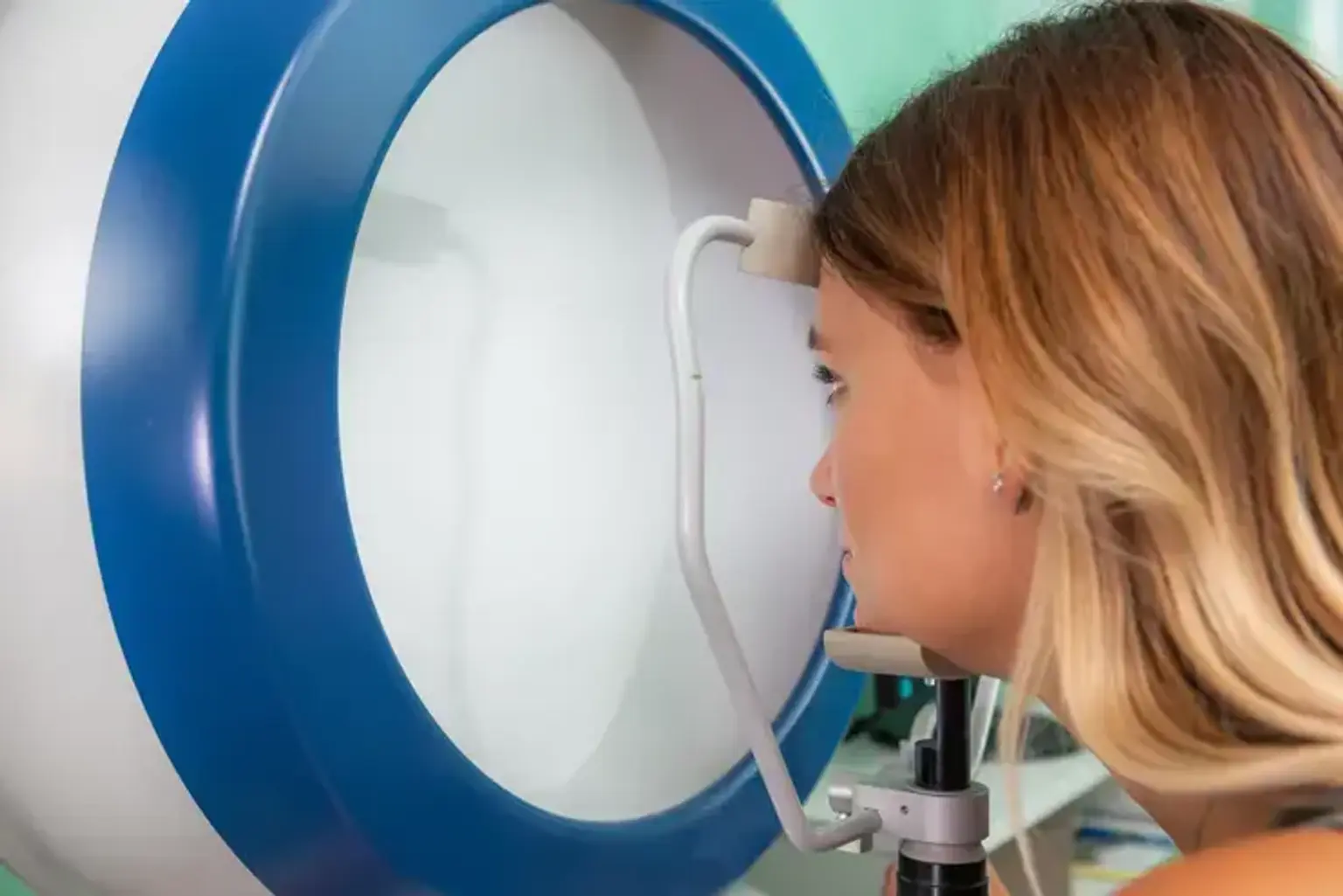
South Korea has established itself as a global powerhouse in advanced medical care, attracting a significant volume of international patients for its technological prowess and clinical excellence. Within the field of ophthalmology, its approach to managing chronic, sight-threatening conditions like glaucoma is particularly noteworthy. This is not merely about providing standard treatments; it's about deploying a comprehensive, technology driven strategy aimed at early detection, precise monitoring, and effective intervention to preserve vision for a lifetime.
This article explores the specific methodologies and technologies that define South Korea's world-class standard for glaucoma care, from initial diagnosis to the latest surgical interventions.
What Makes the Korean Approach to Glaucoma Diagnosis So Thorough?
what-makes-the-korean-approach-to-glaucoma-diagnosis-so-thoroughThe first and most critical step in Korean glaucoma management is an exceptionally thorough diagnostic process. The philosophy is that effective treatment is impossible without a precise understanding of the disease's stage, type, and progression rate. Korean clinics go far beyond a simple intraocular pressure (IOP) check.
A typical diagnostic workup in a leading Korean eye center involves a battery of tests designed to create a complete 3D picture of the patient's optic health:
High-Resolution Optical Coherence Tomography (OCT): This is the cornerstone of modern glaucoma diagnosis. Korean clinics utilize the latest spectral-domain and swept source OCT devices to generate microscopic, cross-sectional images of the optic nerve head and retinal nerve fiber layer (RNFL). This allows ophthalmologists to detect minute structural changes and nerve fiber loss years before a patient might notice any vision changes.
Automated Perimetry (Visual Field Testing): This test maps the patient's peripheral and central vision to identify any blind spots caused by optic nerve damage. Advanced testing strategies like the Swedish Interactive Thresholding Algorithm (SITA) are standard, providing fast and accurate results.
Gonioscopy: A specialized lens is used to examine the eye's drainage angle. This is crucial for differentiating between open-angle glaucoma and angle closure glaucoma, which can be a medical emergency and requires a different treatment path.
Corneal Pachymetry: This measures the thickness of the cornea. Because corneal thickness can affect the accuracy of IOP readings, this measurement allows doctors to calculate a more precise, true intraocular pressure.
Stereoscopic Optic Nerve Photography: High-resolution digital photographs of the optic nerve create a baseline record. These images are essential for long-term monitoring, allowing doctors to compare the nerve's appearance over time to detect subtle signs of progression.
What Are the Latest Glaucoma Treatment Options in South Korea?
what-are-the-latest-glaucoma-treatment-options-in-south-koreaOnce diagnosed, the goal is to lower and stabilize the intraocular pressure to prevent further optic nerve damage. South Korean ophthalmologists have a full spectrum of treatment options, from conservative measures to cutting edge surgical techniques, and they tailor the approach to each patient's specific needs.
1. Advanced Pharmacological Management
1.-advanced-pharmacological-managementFor many, prescription eye drops are the first line of defense. Korean specialists are well versed in the latest formulations that improve efficacy and reduce side effects, including preservative-free options for patients with sensitive eyes or dry eye syndrome.
2. Laser Therapies
2.-laser-therapiesLaser treatments are a cornerstone of modern glaucoma care in Korea, often used to delay or avoid more invasive surgery.
Selective Laser Trabeculoplasty (SLT): This is a highly common and effective procedure for open angle glaucoma. A low-energy laser is used to stimulate the eye's natural drainage system the trabecular meshwork, improving the outflow of fluid and lowering IOP. It is a quick, painless office procedure that can be repeated if necessary. Success rates for initial IOP reduction are high, often around 80% .
Laser Peripheral Iridotomy (LPI): This is the standard treatment for patients with narrow angles or angle-closure glaucoma. A laser creates a tiny hole in the iris, allowing fluid to flow more freely and preventing a sudden, dangerous spike in eye pressure.
3. Minimally Invasive Glaucoma Surgery (MIGS)
3.-minimally-invasive-glaucoma-surgery-(migs)This is where Korean ophthalmology truly excels. MIGS represents a revolution in glaucoma surgery, offering a safer, less invasive alternative to traditional procedures. These microscopic devices and techniques are designed to lower IOP with a much higher safety profile and faster recovery time.
Common MIGS Devices: Leading Korean hospitals offer various MIGS implants, such as the iStent inject W, which are among the smallest medical devices ever implanted in the human body. These tiny stents are placed in the eye's drainage system to create a permanent bypass for fluid, effectively reducing pressure.
The Advantage of MIGS: They are often performed in conjunction with cataract surgery, addressing two problems in a single surgical session. The recovery is significantly faster than traditional surgery, with fewer restrictions on patient activity.
4. Traditional Surgical Procedures
4.-traditional-surgical-proceduresFor advanced or aggressive glaucoma that doesn't respond to other treatments, traditional surgical options remain a vital tool.
Trabeculectomy: This procedure involves creating a new drainage channel for the eye's fluid. While highly effective at lowering IOP, it has a longer recovery period and higher risk of complications than MIGS.
Glaucoma Drainage Devices (Valves/Shunts): For complex cases, a small tube and plate are implanted to divert fluid and lower pressure. Korean surgeons are highly experienced in managing these complex cases.
How Does Technology Give Korean Ophthalmologists an Edge in Glaucoma Care?
how-does-technology-give-korean-ophthalmologists-an-edge-in-glaucoma-careThe integration of advanced technology is a defining feature of Korean healthcare. In ophthalmology, this translates to superior diagnostic accuracy and long-term management.
Integrated Data Platforms: Major eye centers in Korea use sophisticated software that integrates data from a patient's OCT scans, visual field tests, and optic nerve photos. This software uses progression analysis algorithms like Guided Progression Analysis or GPA to flag statistically significant changes over time.
AI-Assisted Diagnostics: Emerging research and clinical application of Artificial Intelligence in analyzing OCT scans and retinal photos are a focus in Korea's top university hospitals. AI can help detect patterns of damage that may be too subtle for the human eye, enabling even earlier intervention.
Precision Surgical Systems: The same technological precision seen in procedures like SMILE Eye Surgery is applied to glaucoma. High-definition imaging systems integrated into surgical microscopes provide unparalleled visualization during delicate procedures like MIGS implantation.
What is the International Patient Experience Like for Glaucoma Care in South Korea?
what-is-the-international-patient-experience-like-for-glaucoma-care-in-south-korea"The level of detail in the diagnostic tests was unlike anything I had experienced back home. They used three different machines to scan my optic nerve and explained every single image to me. For the first time, I felt like I truly understood my condition and had a solid plan to protect my sight." – an anonymous patient, Canada.
Korean clinics and hospitals have refined the international patient experience into a seamless process. Understanding that managing a chronic condition like glaucoma requires trust and clear communication, they offer comprehensive support systems.
Dedicated International Teams: Most major clinics have full-time coordinators and translators who manage everything from the initial inquiry to appointment scheduling and follow-up care.
Patient-Centric Facilities: Clinics are designed for comfort and efficiency, minimizing wait times and creating a calm, reassuring environment.
Transparent and All-Inclusive Packages: International patients are often provided with clear, upfront cost estimates for diagnostic workups and proposed treatments, eliminating financial uncertainty. This service extends from airport pickup to accommodation arrangements and post-procedure care coordination.
Recommended Clinics with Relevant Expertise in South Korea
recommended-clinics-with-relevant-expertise-in-south-koreaBelow is a list of highly-regarded clinics and hospitals in South Korea known for their advanced ophthalmology departments and comprehensive care for international patients.
Website | Clinic Name | Best Known For | Address | Contact |
|---|---|---|---|---|
SNU Eye Clinic | Advanced cataract and presbyopia surgery, refractive procedures | Gangnam-gu, Seoul, South Korea | ||
Gangnam Joeunnun Vision Clinic | Comprehensive ophthalmology within a general hospital setting | Gangnam-gu, Seoul, South korea | ||
Jryn Eye Clinic | University-affiliated research, complex case management, comprehensive eye care | Busanjin-gu, Busan, South Korea | ||
Global Ubal Eye Center | High-volume vision correction, premium IOLs for cataract surgery | Jung-gu, Incheon, South Korea | ||
Cha University Bundang Medical Center | Specialized in advanced cataract and presbyopia corrective surgery | Bundang-gu, Seongnam-si, South Korea | ||
Chosun University Hospital | University hospital treating complex eye diseases, including [glaucoma] and retinal issues | Gwangju, Dong-gu, South Korea | ||
Kangdong Sacred Heart Hospital | Advanced ophthalmology in a large, multi-disciplinary medical center | Gangdong-gu ,Seoul, South Korea | ||
Samyook Busan Adventist Hospital | Tertiary care and university hospital for comprehensive ophthalmological conditions | Busan, Seo-gu, South Korea |
Recommended Treatment/Procedure Names with Average Costs in South Korea
recommended-treatmentprocedure-names-with-average-costs-in-south-koreaThe following table provides an overview of common ophthalmic procedures offered in South Korea, including those specific to glaucoma management, with estimated costs. These are approximate ranges and can vary based on the specific clinic and complexity of the case.
Treatment/Procedure Name | Duration | Hospitalization? | Avg. Cost(USD) in S. Korea | Contact |
|---|---|---|---|---|
Glaucoma Diagnostics & Consultation | 1-2 hours | Not Needed | $200 - $500 | |
Selective Laser Trabeculoplasty (SLT) | 10-15 mins | Not Needed | $800 - $1,500 | |
Minimally Invasive Glaucoma Surgery (MIGS) | 30-60 mins | Not Needed | $3,000 - $6,000 | |
Trabeculectomy Surgery | 45-90 mins | Needed (1-2 days) | $4,000 - $7,000 | |
LASIK / LASEK / SMILE Eye Surgery | 15-20 mins | Not Needed | $1,800 - $4,500 | |
Premium Cataract Surgery with IOLs | 20-30 mins | Not Needed | $2,500 - $6,000 | |
Implantable Collamer Lens (ICL) Surgery | 20-30 mins | Not Needed | $4,000 - $7,000 | |
Dry Eye Treatment (IPL/RF) | 15-30 mins | Not Needed | $300 - $800 | |
Vitreoretinal Surgery | 1-3 hours | Needed (1-3 days) | $5,000 - $15,000 | |
Corneal Transplantation Surgery | 1-2 hours | Needed (1-3 days) | $8,000 - $20,000 |
What to Know Before Seeking Glaucoma Care in Korea
what-to-know-before-seeking-glaucoma-care-in-koreaNavigating healthcare in another country can raise questions. Here are direct answers to common concerns for patients considering glaucoma treatment in South Korea.
1. How is the language barrier handled in Korean clinics?
1.-how-is-the-language-barrier-handled-in-korean-clinicsLeading Korean clinics that cater to international patients have dedicated teams of multilingual coordinators and translators often fluent in English, Chinese, Russian, Arabic, and more. These professionals are present during consultations and procedures to ensure communication between the doctor and patient is perfectly clear and accurate.
2. Is treatment in Korea safe for international patients?
2.-is-treatment-in-korea-safe-for-international-patientsSafety and quality are paramount. South Korean medical centers adhere to rigorous national accreditation standards, which are often benchmarked against top global standards. The use of advanced, sterilized equipment and the high level of specialist training contribute to an exceptionally safe environment with very low complication rates.
3. How do Korean clinics handle long-term glaucoma monitoring?
3.-how-do-korean-clinics-handle-long-term-glaucoma-monitoringThis is a critical aspect of care. Korean specialists will provide a detailed report of all diagnostic findings and treatment performed. They will establish a clear long-term monitoring plan, outlining which tests like OCT, visual field are needed and at what frequency. They often collaborate with the patient's home ophthalmologist, sharing data to ensure seamless continuity of care after the patient returns home.
4. Why are costs often lower in Korea for high-quality procedures?
4.-why-are-costs-often-lower-in-korea-for-high-quality-proceduresThe cost-effectiveness of Korean healthcare is due to several factors. Efficient hospital management systems, government support for the medical infrastructure, and a competitive healthcare market all contribute to lower overhead costs. This allows clinics to offer advanced procedures like MIGS and SLT at a fraction of the price found in countries like the United States, without compromising on quality or technology.
5. How do I begin the process?
5.-how-do-i-begin-the-processThe first step is a simple inquiry. You can contact a specific clinic directly or use a medical tourism platform. You will be asked to provide any existing medical records related to your glaucoma. A specialist will review your case, and a coordinator will then contact you to discuss potential treatment plans and provide a preliminary cost estimate.
Begin Your Journey to Your Vision: Inquire About Glaucoma Care in Korea!
begin-your-journey-to-preserving-your-vision:-inquire-about-glaucoma-care-in-koreaTaking proactive steps to manage glaucoma is the most important thing you can do to protect your eyesight. The advanced technology and deep expertise available in South Korea offer a world-class solution for monitoring and treating this complex condition. By seeking care from specialists who are at the forefront of ophthalmology, you are giving yourself the best possible chance for a future with clear vision. To learn more about how Korean medical experts can help you, we provide a streamlined, confidential process. Our dedicated Care Managers offer end-to-end support, from your initial questions to your post-recovery care. And Get Free Treatment Plan & Quote with CloudHospital and take the first step toward securing your health.