

The clinical information regarding The Patient's Guide to LASEK Eye Surgery in Korea in this article has been rigorously verified against the latest guidelines from the American Academy of Ophthalmology (AAO) and primary research from databases like PubMed. This piece was reviewed for accuracy and patient-centric clarity and was last updated in October 2023.
Introduction
introduction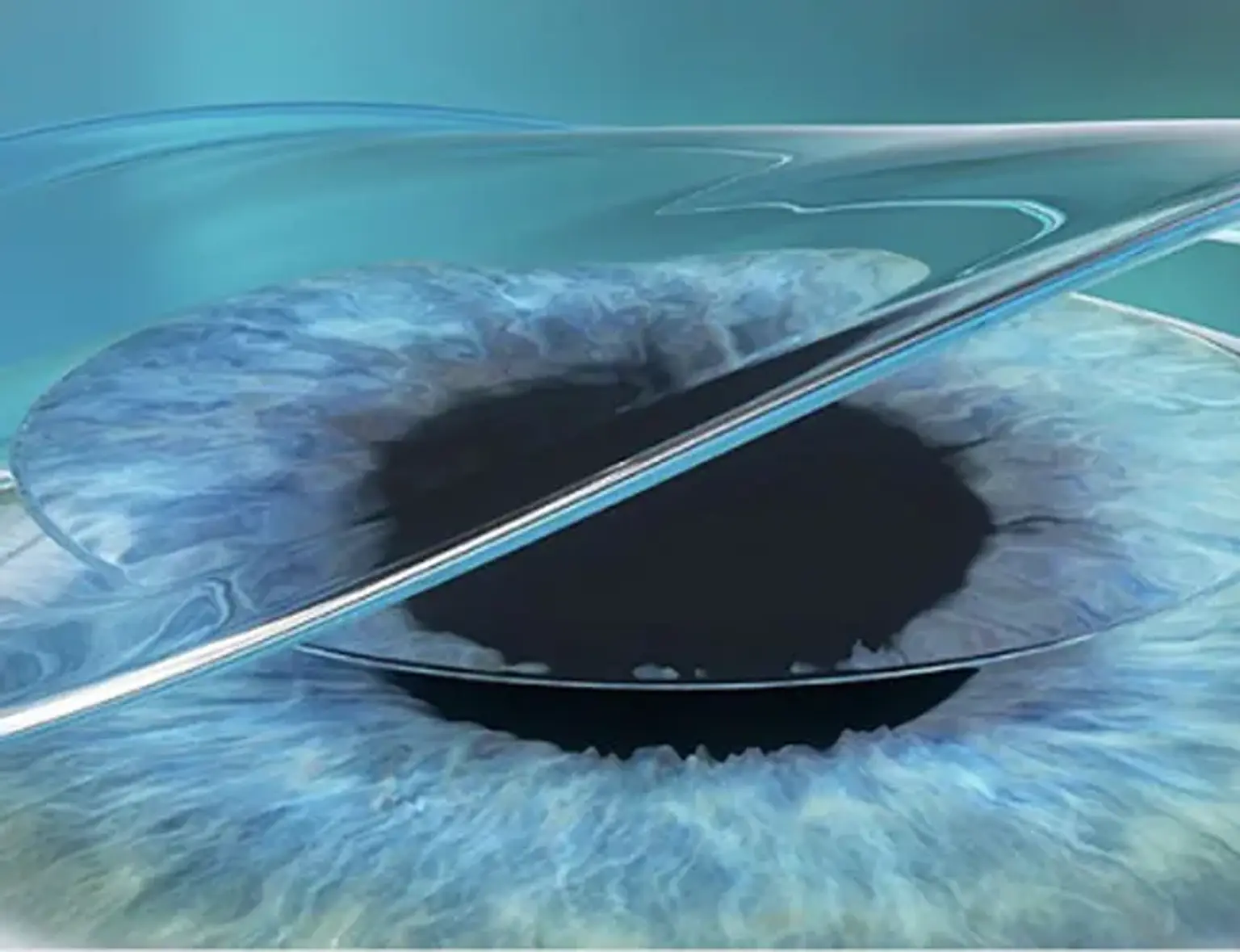
LASEK (Laser-Assisted Sub-Epithelial Keratomileusis) is an advanced laser vision correction surgery designed to treat refractive errors such as myopia nearsightedness, hyperopia farsightedness, and astigmatism. As a leading procedure in ophthalmology, it offers an alternative to glasses and contact lenses by permanently reshaping the cornea. This guide provides a detailed examination of LASEK surgery in South Korea, a global hub for medical innovation, covering everything from candidacy and procedural steps to recovery and clinic selection.
What is the Difference Between LASEK and LASIK Surgery?
what-is-the-difference-between-lasek-and-lasik-surgeryLASEK and LASIK both use an excimer laser to reshape the cornea, but they differ in how the outer corneal layer the epithelium is handled. In LASIK, a surgeon creates a hinged flap in the cornea to access the underlying tissue. In LASEK, the surgeon loosens and gently moves aside a very thin sheet of only the epithelial layer, without creating a deeper flap. This key difference makes LASEK a suitable option for patients with thin corneas or those in professions with a high risk of eye trauma, as there is no risk of flap-related complications.
Who is a Good Candidate for LASEK Eye Surgery?
who-is-a-good-candidate-for-lasek-eye-surgeryIdeal candidates for LASEK are individuals seeking freedom from corrective lenses and who meet specific medical criteria. A thorough ophthalmological evaluation is necessary to confirm suitability.
Key Candidacy Factors:
Age: Generally 18 years or older.
Stable Vision: Your glasses or contact lens prescription should be stable for at least one year.
Corneal Thickness: Sufficient corneal thickness is required, though LASEK is often preferred for patients with corneas too thin for LASIK.
Refractive Error: You have myopia, hyperopia, or astigmatism within the treatable range.
Good General Health: You are free from autoimmune diseases or other conditions that may impair healing.
Realistic Expectations: You understand the potential outcomes, risks, and recovery process.
Not Pregnant or Nursing: Hormonal changes during this time can affect vision stability.
What are the Primary Benefits and Risks of LASEK?
what-are-the-primary-benefits-and-risks-of-lasekUnderstanding the full spectrum of outcomes is crucial for any patient considering this procedure. LASEK has an excellent safety profile and high success rates.
Primary Benefits:
High Success Rate: A vast majority of patients achieve 20/20 vision or better.
No Flap Complications: By avoiding the creation of a corneal flap, LASEK eliminates the risk of flap displacement or related issues.
Wider Candidacy: Suitable for patients with thin corneas or dry eyes who may not be candidates for LASIK.
Structural Integrity: The procedure preserves more of the cornea's structural strength, which is beneficial for athletes or individuals in physically demanding jobs.
Potential Risks and Contraindications:
Discomfort: The initial recovery period can involve more discomfort and light sensitivity compared to LASIK.
Slower Visual Recovery: It typically takes longer for vision to stabilize and become sharp after LASEK.
Corneal Haze: A rare complication where a faint cloudiness develops on the cornea, which is usually temporary and treatable with eye drops.
Infection or Inflammation: As with any surgery, there is a small risk of infection, which is managed with antibiotic eye drops.
What Happens Step-by-Step During the LASEK Procedure?
what-happens-step-by-step-during-the-lasek-procedureThe patient journey for LASEK is a well-defined process, from initial consultation to the final follow-up appointment. The surgery itself is remarkably quick, often lasting less than 15 minutes for both eyes.
Before the Procedure: Consultation and Preparation
before-the-procedure:-consultation-and-preparationYour journey begins with a comprehensive eye examination. This includes mapping your corneal topography, measuring corneal thickness, checking eye pressure, and assessing your overall eye health. Your surgeon will discuss your goals and determine if LASEK is the best option for you. You will be instructed to stop wearing contact lenses for a period before the surgery, as they can temporarily alter the shape of your cornea.
During the Procedure: What Happens in the Operating Room
during-the-procedure:-what-happens-in-the-operating-roomThe procedure is performed on an outpatient basis. You will be awake but relaxed, as the eyes are completely numbed using anesthetic eye drops. First, a diluted alcohol solution is applied to the eye for about 30 seconds to loosen the edges of the epithelial layer. The surgeon then gently lifts and moves this thin layer to the side. An advanced excimer laser, programmed with your unique prescription, is used to ablate and reshape the underlying corneal tissue. This part of the process usually takes less than a minute per eye. Finally, the epithelial layer is repositioned, and a special bandage contact lens is placed over the cornea to protect it while it heals.
Immediately After the Procedure: The Initial Recovery Phase
immediately-after-the-procedure:-the-initial-recovery-phaseYou will rest for a short time at the clinic before being discharged. Your vision will be blurry, and it is normal to experience light sensitivity, tearing, and a gritty sensation in the eyes for the first few days. You must arrange for someone to drive you home. You will be given a set of medicated eye drops to prevent infection and manage inflammation.
"The first few days were a bit uncomfortable, like having an eyelash in my eye, but the difference was immediate. Waking up on the fourth day and seeing the clock across the room perfectly clearly for the first time in 20 years was an indescribable feeling." – an anonymous patient, USA.
How Long is the Recovery Time for LASEK?
how-long-is-the-recovery-time-for-lasekThe LASEK recovery timeline is more gradual than LASIK's, but it leads to the same excellent visual outcomes. Patience during the healing process is key.
First 3-5 Days: This is the most critical healing period. The epithelial cells regenerate under the protection of the bandage contact lens. Discomfort and blurriness are at their peak. It is essential to rest your eyes and avoid screens. The bandage lens is typically removed by your doctor around day 4 or 5.
1-2 Weeks: Functional vision improves significantly. Most patients can return to work and drive, but night vision may still have some halos or glare.
1-3 Months: Your vision will continue to sharpen and stabilize. Minor fluctuations are normal during this time. You can typically resume all activities, including contact sports.
3-6 Months: Final visual acuity is usually achieved. The eye has fully healed, and the results are stable.
Are the Results of LASEK Permanent?
are-the-results-of-lasek-permanentThe results of LASEK are considered permanent. The excimer laser makes a permanent change to the shape of your cornea to correct your refractive error. However, the procedure does not prevent age-related eye changes, such as [presbyopia] (the need for reading glasses) or [cataracts], which may develop naturally later in life.
Recommended Clinics with Relevant Expertise in South Korea
recommended-clinics-with-relevant-expertise-in-south-koreaSouth Korea is renowned for its advanced ophthalmology clinics, which combine cutting-edge technology with highly experienced surgeons. Below is a list of reputable centers offering vision correction procedures.
Website | Clinic Name | Best Known For | Address | Contact |
|---|---|---|---|---|
Jryn Eye Clinic | LASIK, LASEK, Smile, and Presbyopia Correction | Busanjin-gu, Busan, South Korea | ||
SNU Eye Clinic | University based comprehensive eye care, corneal disease research | Gangnam-gu, Seoul, South Korea | ||
Gangnam Joeunnun Vision Clinic | Advanced vision correction surgery, ICL, LASIK | Gangnam-gu, Seoul, South korea | ||
Global Ubal Eye Center | Refractive surgery and specialized eye treatments | Jung-gu, Incheon, South Korea | ||
BGN Eye Clinic Gangnam Kyobo Tower | High-tech equipment, specializing in LASIK, Smile and cataract surgery | Seocho, Seoul, South Korea | ||
Glory Seoul Eye Clinic | Skilled in complex and high-risk cataract cases, excellent diagnostic tech, multilingual services | Seocho District, Seoul, South Korea | ||
Kangdong Sacred Heart Hospital | Full service hospital with advanced ophthalmology diagnostics | Gangdong-gu ,Seoul, South Korea | ||
B & VIIT Eye Center | Uses AI-powered prediction, and offers SMILE, LASIK, LASEK, and ICL | Seocho, Seoul, South Korea |
Recommended Treatment/Procedure Names with Average Costs in South Korea
recommended-treatmentprocedure-names-with-average-costs-in-south-koreaThe cost of ophthalmological procedures in South Korea is competitive, offering excellent value for world-class care. Below are estimates for various common treatments.
Treatment/Procedure Name | Treatment Duration | Hospitalization? | Avg Cost Range (USD) in S. Korea | Contact |
|---|---|---|---|---|
Cataract Surgery | 15-30 minutes | Not Needed | $2,000 - $4,000 | |
Premium Cataract Surgery with IOLs | 15-30 minutes | Not Needed | $3,500 - $7,500 | |
LASIK / LASEK | 10-15 minutes | Not Needed | $1,800 - $3,500 | |
SMILE Eye Surgery | 10-15 minutes | Not Needed | $2,200 - $4,000 | |
Implantable Collamer Lens (ICL) Surgery | 20-30 minutes | Not Needed | $4,000 - $6,500 | |
Presbyopia Correction | 15-30 minutes | Not Needed | $3,500 - $7,000 | |
Astigmatism Refractive Surgery | 10-20 minutes | Not Needed | $2,000 - $5,000 | |
Dry Eye Treatment (e.g., IPL) | 20-30 minutes | Not Needed | $250 - $600 | |
Glaucoma Treatment (e.g., SLT, MIGS) | 10-20 minutes | Not Needed | $1,500 - $3,500 | |
Vitreoretinal Surgery | 1-3 hours | Needed (1 day) | $8,000 - $20,000 | |
Retinal Detachment Surgery | 1-2 hours | Needed (1-2 days) | $7,000 - $18,000 | |
Corneal Transplantation Surgery | 1-2 hours | Needed (1-3 days) | $12,000 - $25,000 | |
Treatment for Keratoconus (e.g., CXL) | 30-60 minutes | Not Needed | $2,500 - $4,500 | |
Pediatric Eye Care | 20-30 minutes | Not Needed | $250 - $600 | |
Treatment of Eye Surgical Complications | 1-2 hours | Not Needed | $500 - $1,000 |
Frequently Asked Questions (FAQs) about LASEK
frequently-asked-questions-(faqs)-about-lasek1. Is the LASEK procedure painful?
1.-is-the-lasek-procedure-painfulThe procedure itself is painless due to the powerful anesthetic eye drops. During the first few days of recovery, you may experience moderate discomfort, light sensitivity, and a gritty feeling, which can be managed effectively with prescribed pain medication and eye drops.
2. How much does LASEK cost in South Korea?
2.-how-much-does-lasek-cost-in-south-koreaThe average cost for LASEK in South Korea typically ranges from $1,500 to $3,000 USD for both eyes. This price often includes the pre-operative consultation, the surgery itself, and post-operative follow-up appointments, making it a cost-effective option compared to many Western countries.
3. How soon can I return to work after LASEK?
3.-how-soon-can-i-return-to-work-after-lasekMost patients can return to work within 5 to 7 days, after the initial epithelial healing is complete and the bandage contact lens has been removed. However, if your job is visually demanding or in a dusty environment, you may benefit from taking a few extra days off.
4. Can I wear makeup or exercise after LASEK surgery?
4.-can-i-wear-makeup-or-exercise-after-lasek-surgeryYou should avoid eye makeup for at least one to two weeks to prevent infection. Light exercise like walking can be resumed after a few days, but you should avoid strenuous activities, swimming, and contact sports for at least one month to allow your eyes to heal fully.
5. What is the main advantage of LASEK over SMILE?
5.-what-is-the-main-advantage-of-lasek-over-smileThe main advantage of LASEK is its suitability for patients with very thin corneas who may not be candidates for either LASIK or SMILE. While SMILE is a minimally invasive procedure, it still requires a certain minimum corneal thickness. LASEK disturbs the least amount of corneal tissue, preserving maximum structural integrity.
Begin Your Journey to Clear Vision in Korea Now!
begin-your-journey-to-clear-vision-in-koreaTaking the step towards permanent vision correction is a significant decision. The world-class ophthalmology centers in South Korea offer a combination of advanced technology, surgical expertise, and affordable care. With a dedicated Care Manager to guide you through every stage from initial consultation to post-operative support the process can be seamless and transparent. And Start Your Confidential Inquiry.