

The clinical information regarding preparation for plastic surgery in this article has been rigorously verified against the latest patient safety guidelines from the American Society of Plastic Surgeons (ASPS) and primary research from databases like PubMed. This guide was reviewed for accuracy and patient-centric clarity and was last updated in October 2023.
Introduction
introduction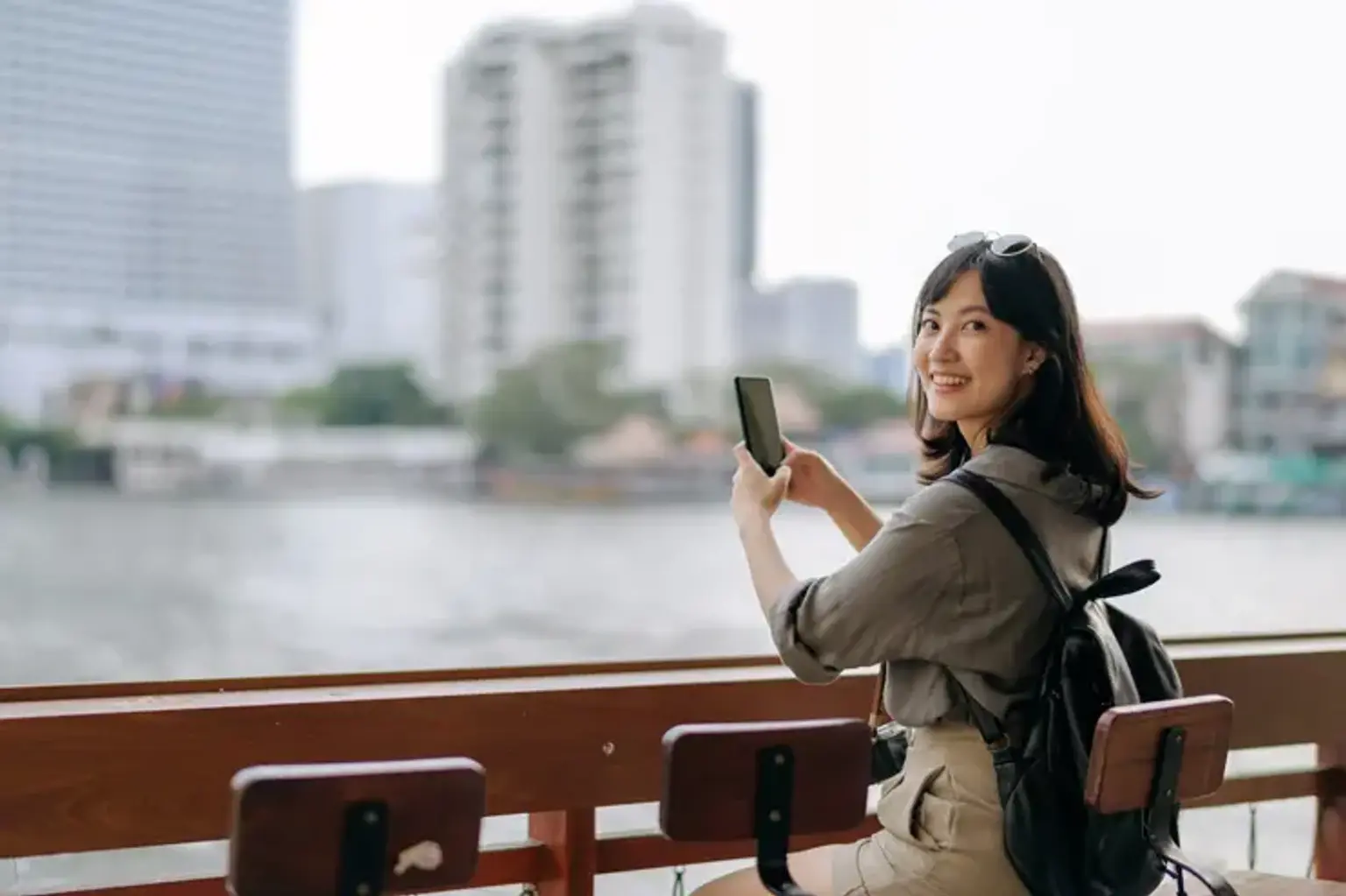
Thorough preparation is the cornerstone of a successful and low-stress medical journey. When traveling to South Korea, a global hub for advanced plastic surgery, being well-prepared transforms your experience from potentially overwhelming to a focused, smooth recovery. A meticulously planned packing list ensures you have every necessity, from critical documents to personal comfort items, allowing you to concentrate solely on your procedure and healing. This guide provides a comprehensive, step by step checklist to empower you for your trip.
Your Complete Pre-Surgery Packing Checklist
your-complete-pre-surgery-packing-checklistPacking for a medical trip is different from packing for a vacation. Your focus is on safety, comfort, and recovery. This checklist is broken down into essential categories to ensure nothing is overlooked.
1. Essential Documents & Finances
1.-essential-documents-and-financesThis is the most critical category. Keep all these items in a secure travel folder or wallet, and have digital copies saved in a secure cloud service.
Passport & Visa: Ensure your passport is valid for at least six months beyond your planned departure date. Check South Korea's visa requirements for your nationality well in advance.
Flight & Accommodation Confirmations: Print hard copies and have digital versions of your flight itinerary and booking details for your hotel or recovery guesthouse.
Clinic Communication: Print all email correspondence with your clinic, including your consultation appointment, surgery schedule, and any pre-operative instructions.
Medical Records: Bring any relevant pre-operative test results, a list of your current medications and allergies, and your primary doctor's contact information.
Travel Insurance: Carry a copy of your travel insurance policy that explicitly covers medical procedures abroad.
Payment Methods: Bring a mix of payment options. Inform your bank of your travel dates to avoid blocked transactions.
Credit/Debit Cards: The primary method for clinic payments.
Cash (Korean Won): Have enough for small expenses like transportation, snacks, and pharmacy runs for the first few days.
2. Post-Surgery Clothing & Comfort
2.-post-surgery-clothing-and-comfortComfort is paramount after any procedure. Think loose, soft, and easy to put on.
Button-up or Zip-up Tops: Essential for avoiding any pressure on your face or head. Pulling shirts over your head will be difficult or impossible after procedures like a rhinoplasty, facelift, or brow lift. Pack 5-7 of these.
Loose-fitting Pants: Sweatpants, joggers, or pajama bottoms are ideal. Avoid tight jeans or leggings that can be difficult to manage post-anesthesia.
Slip-on Shoes: Bending over to tie laces will be a challenge. Pack comfortable slippers for indoors and slip-on sneakers or sandals for short walks.
Extra Socks & Underwear: Pack more than you think you'll need.
A Robe: A soft robe is perfect for lounging in your hotel or recovery facility.
3. Medical & Recovery Supplies
3.-medical-and-recovery-suppliesWhile your clinic will provide the core necessities, having these personal items will significantly enhance your comfort and hygiene.
Neck Pillow: A U-shaped travel pillow is a lifesaver for sleeping upright, which is often required to minimize swelling after facial surgery.
Prescription Medications: Bring any personal medications you take daily, in their original bottles, with a copy of your prescription.
Over-the-Counter Items:
Gentle Laxative or Stool Softener: Anesthesia and pain medication can cause constipation.
Arnica Cream or Tablets: Many patients use Arnica to help reduce swelling and bruising.
Saline Nasal Spray: Crucial for keeping nasal passages moist and clean after a rhinoplasty or septoplasty.
Dry Shampoo & Face Wipes: Showering may be restricted. These help you feel fresh without a full wash.
Ice Packs/Gel Packs: Small, reusable gel packs are useful for managing swelling. Check with your clinic first, as they often provide these.
4. Personal Items & Entertainment
4.-personal-items-and-entertainmentYour recovery will involve significant downtime. Prepare to stay comfortable and occupied.
Skincare: Pack only gentle, fragrance-free products. A mild cleanser, a simple moisturizer, and a high-SPF sunscreen are sufficient. Avoid all exfoliants (AHA/BHA) and retinoids until cleared by your surgeon.
Travel Adapter: South Korea uses Type F power sockets two round prongs.
Portable Charger/Power Bank: Keep your phone charged without being tethered to a wall.
Entertainment: Download movies, books, and podcasts to your devices before you leave.
Reusable Water Bottle with a Straw: Staying hydrated is crucial. Straws help you drink easily without disturbing facial incisions or dressings.
Snacks: Pack some familiar, low-sodium snacks like protein bars or crackers.
"Having everything on my checklist, from the neck pillow to the pre-loaded translation app, made the post-surgery recovery period so much less stressful. I could focus entirely on healing." – an anonymous patient, UAE
Key Questions to Ask Your Surgical Team Before Your Trip
key-questions-to-ask-your-surgical-team-before-your-tripEmpower yourself by arriving with all your questions answered. Confirm these points with your clinic coordinator before you travel.
Based on my specific procedure(s), what is my estimated recovery timeline in Korea?
What specific post-operative care supplies will the clinic provide for me?
Who is my direct contact at the clinic if I have a question or concern after I'm discharged, and what are their hours?
What are the key signs of a complication that I should watch out for?
When will I be cleared for my return flight home?
Are there any specific dietary restrictions I must follow before and after my surgery?
Recommended Clinics with Relevant Expertise in South Korea
recommended-clinics-with-relevant-expertise-in-south-koreaBelow is a list of highly-regarded clinics in South Korea, known for their expertise in various plastic surgery procedures and experience with international patients.
Website | Clinic Name | Best Known For | Address | Inquire Now |
|---|---|---|---|---|
Human Plastic Surgery | Anti Aging and Body Contouring | Gangnam-gu, Seoul, South Korea | ||
Dite Plastic Surgery | Facial Contouring and Rhinoplasty | Gangnam-gu, Seoul, South Korea | ||
1mm Plastic Surgery | Eye Surgery and Rhinoplasty | Gangnam-gu, Seoul, South Korea | ||
Kowon Plastic Surgery | Revision Rhinoplasty and Eye Surgery | Gangnam-gu, Seoul, South Korea | ||
TJ plastic surgery | Facial Contouring and Breast Surgery | Gangnam-gu, Seoul, South Korea | ||
Hugo Plastic Surgery | Male Plastic Surgery and Rhinoplasty | Gangnam-gu, Seoul, South Korea | ||
SoonPlus Plastic Surgery | Eye Surgery and Lifting Procedures | Gangnam-gu, Seoul, South Korea | ||
Face plus plastic surgery | Two Jaw Surgery and Facial Contouring | Gangnam-gu, Seoul, South Korea | ||
Yujin Plastic Surgery & Dermatology | Comprehensive Plastic Surgery and Dermatology | Gangnam-gu, Seoul, South Korea | ||
JK Plastic Surgery Center | Comprehensive Anti Aging and Wellness | Gangnam-gu, Seoul, South Korea | ||
ID Hospital | Facial Bone Surgery and Orthognathic Surgery | Gangnam-gu, Seoul, South Korea |
Common Procedures with Average Costs in South Korea
common-procedures-with-average-costs-in-south-koreaThe cost of surgery can vary based on the complexity of the case and the surgeon's experience. This table provides estimated ranges for popular procedures to aid in your financial planning.
Treatment/Procedure Name | Duration | Hospitalization? | Avg. Cost (USD) in S.Korea | Contact |
|---|---|---|---|---|
Rhinoplasty | 2 to 4 hours | Needed (1 day) | $4000 to $8000 | |
Revision Rhinoplasty | 3 to 5 hours | Needed (1 day) | $6000 to $12000 | |
Male Rhinoplasty | 2 to 4 hours | Needed (1 day) | $4500 to $8500 | |
Non Surgical Nose Job | 15 to 30 minutes | Not Needed | $400 to $900 | |
Nostril Reduction | 45 to 60 minutes | Not Needed | $1000 to $2000 | |
Nasal Alar Reduction | 45 to 60 minutes | Not Needed | $1000 to $2000 | |
Double Eyelid Surgery | 1 to 2 hours | Not Needed | $1500 to $3500 | |
Canthoplasty | 30 to 60 minutes | Not Needed | $1000 to $2500 | |
Upper & Lower Blepharoplasty | 2 to 3 hours | Not Needed | $3500 to $6000 | |
Face Lift | 3 to 5 hours | Needed (1 to 2 days) | $8000 to $15000 | |
Forehead Lift | 2 to 3 hours | Needed (1 day) | $5000 to $9000 | |
Thread Lifting | 45 to 90 minutes | Not Needed | $2000 to $5000 | |
Facial Contouring | 3 to 5 hours | Needed (2 to 3 days) | $10000 to $20000 | |
Breast Augmentation | 2 to 3 hours | Needed (1 day) | $8000 to $14000 | |
Abdominal Liposuction | 2 to 4 hours | Needed (1 day) | $5000 to $10000 | |
Chin Surgery Genioplasty | 1 to 2 hours | Needed (1 day) | $4000 to $7000 |
Answering Your Practical Travel Questions
answering-your-practical-travel-questionsAddressing common logistical concerns can further ease your mind as you prepare for your trip.
1. Can I travel alone for plastic surgery in Korea?
1.-can-i-travel-alone-for-plastic-surgery-in-koreaYes, it is possible to travel alone. Many clinics in Seoul are experienced with international solo travelers and can help arrange accommodation at recovery guesthouses with nursing support. However, having a companion for support is highly recommended, especially for the first 48-72 hours after surgery involving general anesthesia.
2. What happens if my flight is delayed?
2.-what-happens-if-my-flight-is-delayedImmediately contact your clinic coordinator and your hotel or recovery facility. Keep their contact information easily accessible. Most are understanding of travel disruptions and will work with you to reschedule your check-in and initial appointments.
3. How much cash should I bring for my plastic surgery trip to Korea?
3.-how-much-cash-should-i-bring-for-my-plastic-surgery-trip-to-koreaIt is wise to bring a moderate amount of cash for initial expenses. An equivalent of 300−500 USD in Korean Won (KRW) is a good starting point for taxis, meals, and pharmacy items upon arrival. For the main surgery payment, a credit card or bank transfer is safer and more common.
4. Do I need a travel adapter for Korea?
4.-do-i-need-a-travel-adapter-for-koreaYes. South Korea uses the Type F plug, which has two round pins. This is the same plug type used in much of Europe. If you are traveling from North America (Type A/B) or the UK (Type G), you will need a universal travel adapter.
5. What skincare is safe to use after a facelift in Korea?
5.-what-skincare-is-safe-to-use-after-a-facelift-in-koreaYour surgeon will give you specific instructions, but the universal rule is to be extremely gentle. Use only a mild, non-foaming, fragrance-free cleanser and a simple, hydrating moisturizer. Avoid all active ingredients like retinoids, vitamin C, and exfoliating acids until your surgeon explicitly clears you to resume them, which could be several weeks post-op. Sunscreen is non-negotiable once your incisions have healed.
Your Seamless Surgery & Recovery in Korea Awaits Now!
your-seamless-surgery-and-recovery-in-korea-awaitsProper preparation is the first and most critical step in your aesthetic journey. By using this guide, you can confidently pack and plan, ensuring your experience in Korea is as smooth and comfortable as possible. Now, take the next step towards achieving your goals. Inquire about your desired procedure with top-tier Korean clinics through a trusted and transparent platform. By using this service, you gain a dedicated Care Manager who provides end-to-end support, from your initial questions to your post-recovery care. It simplifies the process, providing clarity and peace of mind. Start Your Confidential Inquiry With CloudHospital and receive a free, personalized treatment plan.