


The clinical information regarding Non-invasive Skin Tightening Treatment in this article has been rigorously verified against the latest standards from the American Academy of Dermatology (AAD) and primary research from databases like PubMed. This piece was reviewed for accuracy and patient-centric clarity and was last updated in October 2023.
Introduction
introduction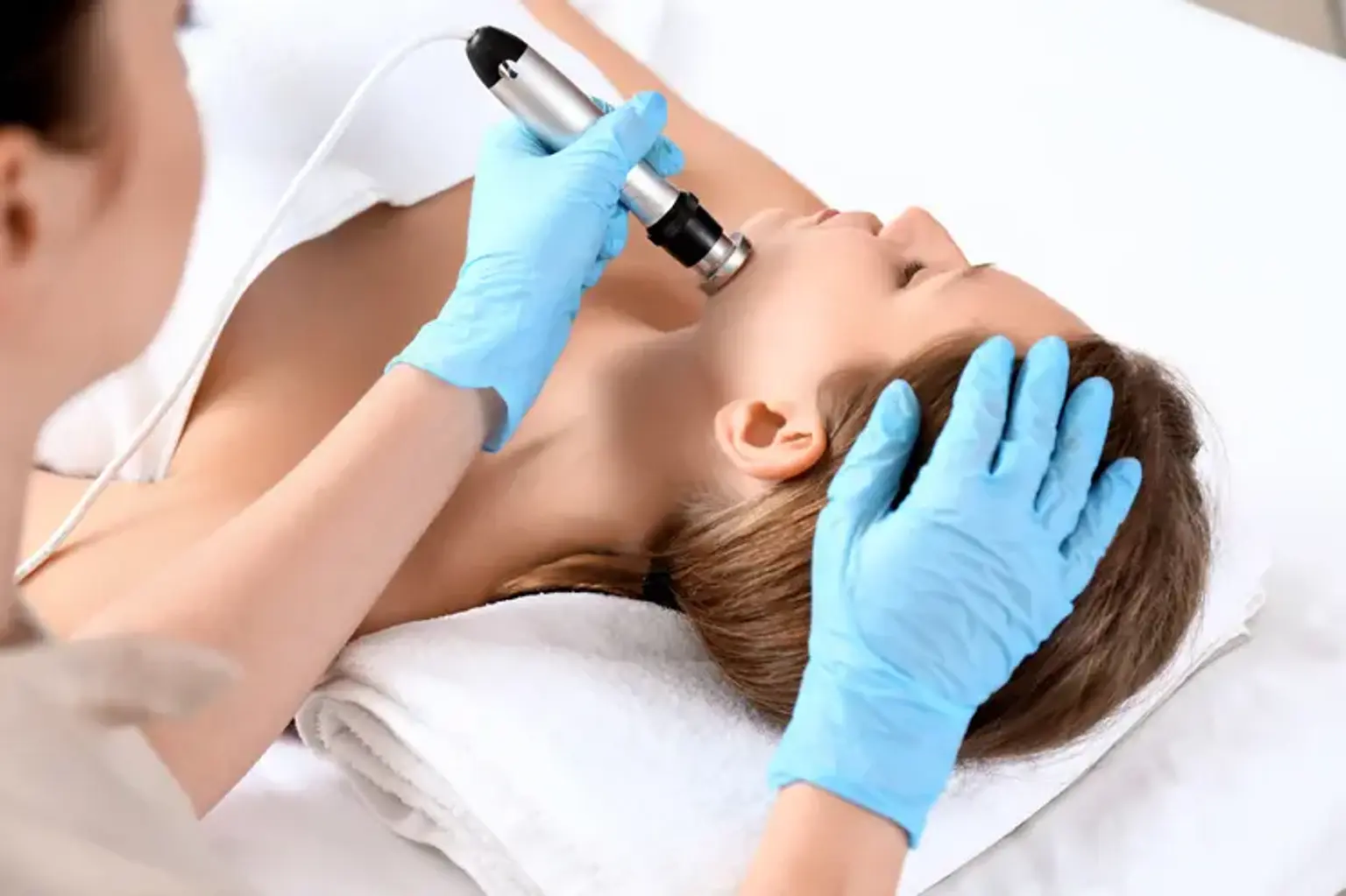
As we age, the production of collagen and elastin the two proteins responsible for skin's firmness and elasticity naturally declines. This leads to common signs of aging such as sagging skin, fine lines, and wrinkles. For individuals seeking a more youthful appearance without the downtime and risks of surgery, non-invasive skin tightening treatments have become a cornerstone of modern dermatology. This guide provides a detailed examination of these advanced procedures for individuals considering them to address skin laxity.
How Do Non-invasive Skin Tightening Treatments Work?
how-do-non-invasive-skin-tightening-treatments-workNon-invasive skin tightening treatments work by delivering controlled energy to the deeper layers of the skin, which stimulates the body's natural healing response to produce new, stronger collagen. This process, known as neocollagenesis, gradually tightens and lifts the skin over several months. Different devices use distinct energy modalities to achieve this effect.
Radiofrequency (RF) Energy: Devices like Thermage and Inmode use radiofrequency waves to generate bulk heating in the dermis and subcutaneous layers. This heat causes existing collagen fibers to contract immediately for an initial tightening effect, while also triggering long-term collagen remodeling.
High-Intensity Focused Ultrasound (HIFU): Technologies like Ulthera and Shurink use focused ultrasound energy to create precise thermal coagulation points at specific depths, including the deep dermis and the SMAS layer the same foundational layer targeted in a surgical facelift. This precise, micro focused injury prompts a robust regenerative response.
Microwave Technology: Newer systems like Onda utilize specialized microwaves Coolwaves that selectively target and heat fat cells, leading to their metabolic breakdown, while also stimulating collagen production in the surrounding tissue. This makes it effective for both skin tightening and fat reduction.
Laser Treatment: Certain lasers can also be used for skin tightening by heating the underlying dermis to stimulate collagen, often while also treating surface level concerns like pigmentation or texture.
Which Non-invasive Skin Tightening Treatment is Most Effective?
which-non-invasive-skin-tightening-treatment-is-most-effectiveThe most effective treatment is highly dependent on the individual's specific concerns, skin condition, age, and treatment goals. There is no single best device for everyone; instead, a dermatologist will recommend a treatment based on a personalized assessment.
Technology | Best For | Key Devices |
|---|---|---|
HIFU | Deeper lifting and targeting the foundational SMAS layer. Ideal for jowls and jawline contouring. | Ulthera, Shurink, Heart Lifting |
Radiofrequency (RF) | Overall skin tightening, improving texture, and reducing wrinkles on the face and body. | Thermage FLX, Inmode, Secret Laser |
Microwave | Simultaneous fat reduction and skin tightening, especially for areas like the double chin or body. | Onda Lifting (Face & Body) |
Combination | Many clinics achieve superior results by combining different modalities. For example, using HIFU for deep lifting and RF for superficial tightening. | Varies by clinic protocol |
Who is a Good Candidate for Non-Surgical Skin Tightening?
who-is-a-good-candidate-for-non-surgical-skin-tighteningIdeal candidates for non-surgical skin tightening are typically individuals who are beginning to see signs of skin aging and want to achieve a firmer, more youthful appearance without undergoing surgery.
Age Range: Generally, patients are in their 30s to 60s.
Skin Laxity: Individuals with mild to moderate skin laxity. Those with severe sagging may be better suited for a surgical facelift.
Realistic Expectations: Patients who understand that results are gradual and more subtle than surgical outcomes.
Good Overall Health: Individuals without contraindicating medical conditions.
Goal: Seeking to improve the appearance of jowls, a sagging brow line, loose neck skin, or fine lines and wrinkles on the face or body.
What are the Potential Risks and Contraindications of Skin Tightening?
what-are-the-potential-risks-and-contraindications-of-skin-tighteningWhile non-invasive skin tightening procedures have a high safety profile, some potential risks and contraindications exist. Most side effects are temporary and mild.
Common Side Effects:
Redness and slight swelling in the treatment area, typically resolving within a few hours to a day.
A tingling or tender sensation to the touch for a few days post-treatment.
Rarely, temporary welts or bruising may occur, especially with HIFU treatments.
Contraindications:
Active skin infections or inflammation in the treatment area.
Presence of pacemakers, defibrillators, or other active electronic implants.
Pregnancy or breastfeeding.
Certain autoimmune disorders.
Recent use of dermal fillers or [Botox] in the area may require a waiting period.
What Are the Steps of the Procedure?
what-are-the-steps-of-the-procedureThe patient journey for a non-invasive skin tightening treatment is straightforward and designed for comfort and convenience.
Before the Procedure: Consultation and Preparation
before-the-procedure:-consultation-and-preparationYour journey begins with a thorough consultation. A dermatologist will assess your skin quality, discuss your aesthetic goals, and determine the most appropriate treatment technology for you. In most cases, no special preparation is needed, though you may be advised to avoid certain skincare products like retinoids for a few days prior to treatment.
During the Procedure: What Happens in the Clinic
during-the-procedure:-what-happens-in-the-clinicOn the day of the treatment, your skin will be cleansed. A topical anesthetic may be applied for enhanced comfort, though many modern devices have integrated cooling or vibration features that make this unnecessary. The clinician will then apply a gel for ultrasound or a grid for some RF treatments and methodically pass the device's handpiece over the target areas. You may feel a sensation of deep heating or tingling. The duration depends on the area being treated but typically ranges from 30 to 90 minutes.
Immediately After the Procedure: The Initial Recovery Phase
immediately-after-the-procedure:-the-initial-recovery-phaseThere is typically no downtime required. You can resume your daily activities immediately after leaving the clinic. Your skin might appear slightly flushed, similar to after a workout, but this usually subsides within a few hours.
"The best part was that there was no real downtime. Over the next few months, I just looked. fresher. My jawline was subtly sharper, and my skin felt firmer. It was my own skin, just better." – an anonymous patient, Australia.
What is the Recovery Time for Non-invasive Skin Tightening?
what-is-the-recovery-time-for-non-invasive-skin-tighteningThe recovery time for non-invasive skin tightening is minimal to none, which is one of its primary advantages.
Immediately After: You can return to work and normal social activities.
First 24 Hours: Avoid strenuous exercise, saunas, and hot baths. Be gentle when cleansing your face.
First Week: You may experience some mild tenderness in the treated area, but it should not interfere with your routine. You can typically resume your normal skincare regimen within a day or two.
How Long Do the Results From Non-invasive Skin Tightening Last?
how-long-do-the-results-from-non-invasive-skin-tightening-lastResults from non-invasive skin tightening are long-lasting but not permanent, as the natural aging process continues. While some initial contraction of collagen is visible shortly after treatment, the full effects appear gradually over 2 to 6 months as new collagen is generated. Depending on the technology used and the individual's aging process, results typically last for 1 to 2 years. Many patients opt for maintenance treatments every 12-18 months to preserve their results.
Recommended Clinics with Relevant Expertise in South Korea
recommended-clinics-with-relevant-expertise-in-south-koreaSouth Korea is globally recognized for its advanced dermatological technology and expertise. The following clinics are noted for their specialization in lifting and anti-aging procedures.
Website | Clinic Name | Best Known For | Address | Contact |
|---|---|---|---|---|
All-line Clinic | Body Contouring and Anti-Aging Treatments | Mapo-gu, Seoul, South Korea | ||
Plans Clinic | Advanced Fat Grafting and Lifting Procedures | Gangnam-gu, Seoul, South Korea | ||
BLS Clinic | Laser Treatments and Injectable Skin Boosters | Gangnam-gu, Seoul, South Korea | ||
Natural Beauty Clinic | Facial Contouring and Personalized Aesthetic Plans | Gangnam-gu, Seoul, South Korea | ||
Clinic Trinity Raffaello | Comprehensive Anti-Aging and Wellness Programs | Gangnam-gu, Seoul, South Korea | ||
Cheongdam Oracle Dermatology | Pigmentation, Scar Treatment, and Laser Dermatology | Gangnam-gu, Seoul, South Korea | ||
Cheongdam Qbq Clinic | Renowned for a wide range of dermatological lasers and skin boosters. | Gangnam-gu, Seoul, South Korea | ||
Oracle Clinic Cheongdam | Specialized in Lifting, Body Contouring and Skin Rejuvenation | Gangnam-gu, Seoul, South Korea |
Recommended Treatment/Procedure Names with Average Costs in South Korea
recommended-treatmentprocedure-names-with-average-costs-in-south-koreaBelow is a list of common non-invasive and minimally-invasive treatments available, along with typical parameters. Costs are estimates and can vary based on the clinic and the specific treatment area.
Treatment/Procedure Name | Treatment Duration | Hospitalization? | Avg Cost Range (USD) in S. Korea | Contact |
|---|---|---|---|---|
Thermage FLX | 60-90 mins | Not Needed | $2,000 - $4,500 | |
Triple Body Injection | 30 mins | Not Needed | $500 - $1,200 | |
Titanium Lifting | 40-60 mins | Not Needed | $1,500 - $3,500 | |
Face Onda Lifting | 30-45 mins | Not Needed | $1,200 - $2,800 | |
Body Onda Lifting | 45-75 mins | Not Needed | $1,800 - $4,000 | |
Full Body Contouring | 30-60 mins | Not Needed | $4,000 - $15,000 | |
Combination Skin Boosters | 45-60 mins | Not Needed | $400 - $900 | |
Jaw Botox | 10 mins | Not Needed | $150 - $400 | |
Calf Botox | 15-20 mins | Not Needed | $400 - $900 | |
Rejuran Healer | 30-45 mins | Not Needed | $350 - $700 | |
Vitaran | 30-45 mins | Not Needed | $300 - $600 | |
Juvelook | 45-60 mins | Not Needed | $500 - $950 | |
Skin Botox – Full Face | 20-30 mins | Not Needed | $300 - $700 | |
Mirajet Needle-Free Injector | 30-45 mins | Not Needed | $600 - $1,200 | |
Lizne | 30-45 mins | Not Needed | $350 - $700 | |
Thermage FLX | 60-90 mins | Not Needed | $2,000 - $4,500 | |
Shurink | 30-45 mins | Not Needed | $400 - $1,000 | |
Inmode | 45-60 mins | Not Needed | $800 - $2,500 | |
Ulthera | 60-90 mins | Not Needed | $1,800 - $4,000 | |
Secret Laser | 45-60 mins | Not Needed | $400 - $900 |
Frequently Asked Questions (FAQs) about Non-invasive Skin Tightening
frequently-asked-questions-(faqs)-about-non-invasive-skin-tightening1. Is non-invasive skin tightening painful?
1.-is-non-invasive-skin-tightening-painfulPain perception varies, but most modern treatments are well tolerated. Patients typically describe the sensation as a deep, fleeting warmth or tingling. Clinicians use features like integrated cooling, vibration, and sometimes topical numbing cream to ensure patient comfort throughout the procedure.
2. How many sessions will I need?
2.-how-many-sessions-will-i-needFor many of the most powerful treatments like Thermage and Ulthera, patients often achieve significant results with just a single session. Other technologies like Inmode or certain lasers may require a series of 3-6 sessions spaced a few weeks apart for optimal outcomes. This will be determined during your consultation.
3. Can these treatments be combined with other procedures?
3.-can-these-treatments-be-combined-with-other-proceduresAbsolutely. Non-invasive skin tightening is often a key part of a comprehensive anti-aging plan. It can be safely combined with other treatments like Skin Boosters (e.g., Rejuran Healer, Juvelook), [Botox], and dermal fillers to address a wider range of concerns, from skin quality to volume loss and dynamic wrinkles.
4. What is the difference between HIFU and Radiofrequency?
4.-what-is-the-difference-between-hifu-and-radiofrequencyThe primary difference is how they deliver energy. HIFU (Ulthera) uses focused ultrasound to target deep, specific points, including the SMAS layer, making it excellent for lifting. Radiofrequency (Thermage) delivers bulk heating to a broader area of tissue, which is highly effective for overall skin tightening and improving texture.
5. When will I see the final results?
5.-when-will-i-see-the-final-resultsWhile some patients notice a minor, immediate plumping effect due to initial collagen contraction, the true results appear gradually. The body needs time to build new collagen. You can expect to see progressive improvements over 2-6 months following your treatment, with final results visible around the 6-month mark.
6. Can non-invasive skin tightening be performed on the body?
6.-can-non-invasive-skin-tightening-be-performed-on-the-bodyYes, many of these technologies are FDA approved or cleared for use on the body. They are commonly used to tighten loose skin on the abdomen, arms, thighs, and buttocks. Devices like Thermage FLX and Onda Body are specifically designed for these larger treatment areas.
Reclaim Your Firmness: Discover Your Ideal Skin Tightening Solution Today!
reclaim-your-firmness:-discover-your-ideal-skin-tightening-solutionTaking the next step towards a more confident, refreshed appearance is a significant decision. The advanced non-invasive technologies available today offer remarkable results with minimal disruption to your life. To understand which treatment is right for you, a professional consultation is essential. We can facilitate a seamless, transparent process, connecting you with top-tier specialists in South Korea. Your dedicated Care Manager will provide end-to-end support, from your initial questions to post-recovery care. And Start Your Confidential Inquiry CloudHospital.