
The clinical information regarding Tibial Osteotomy Surgery: A Guide to Knee Preservation in Korea in this article has been rigorously verified against the latest guidelines from the American Academy of Orthopaedic Surgeons (AAOS) and primary research from databases like PubMed. This piece was reviewed for accuracy and patient centric clarity and was last updated in June 2024.
Introduction
introductionTibial osteotomy surgery is a specialized orthopedic procedure designed to preserve the natural knee joint, often used as an alternative to total knee replacement in younger, active individuals. Its primary goal is to redistribute weight across the knee joint, reducing pressure on damaged cartilage and alleviating pain. This procedure is one of the most common interventions in Orthopaedics & Rehabilitation for addressing specific knee conditions. This comprehensive guide provides a detailed examination of tibial osteotomy surgery for individuals considering this knee preservation technique, particularly those exploring options in South Korea.
What is tibial osteotomy surgery used for
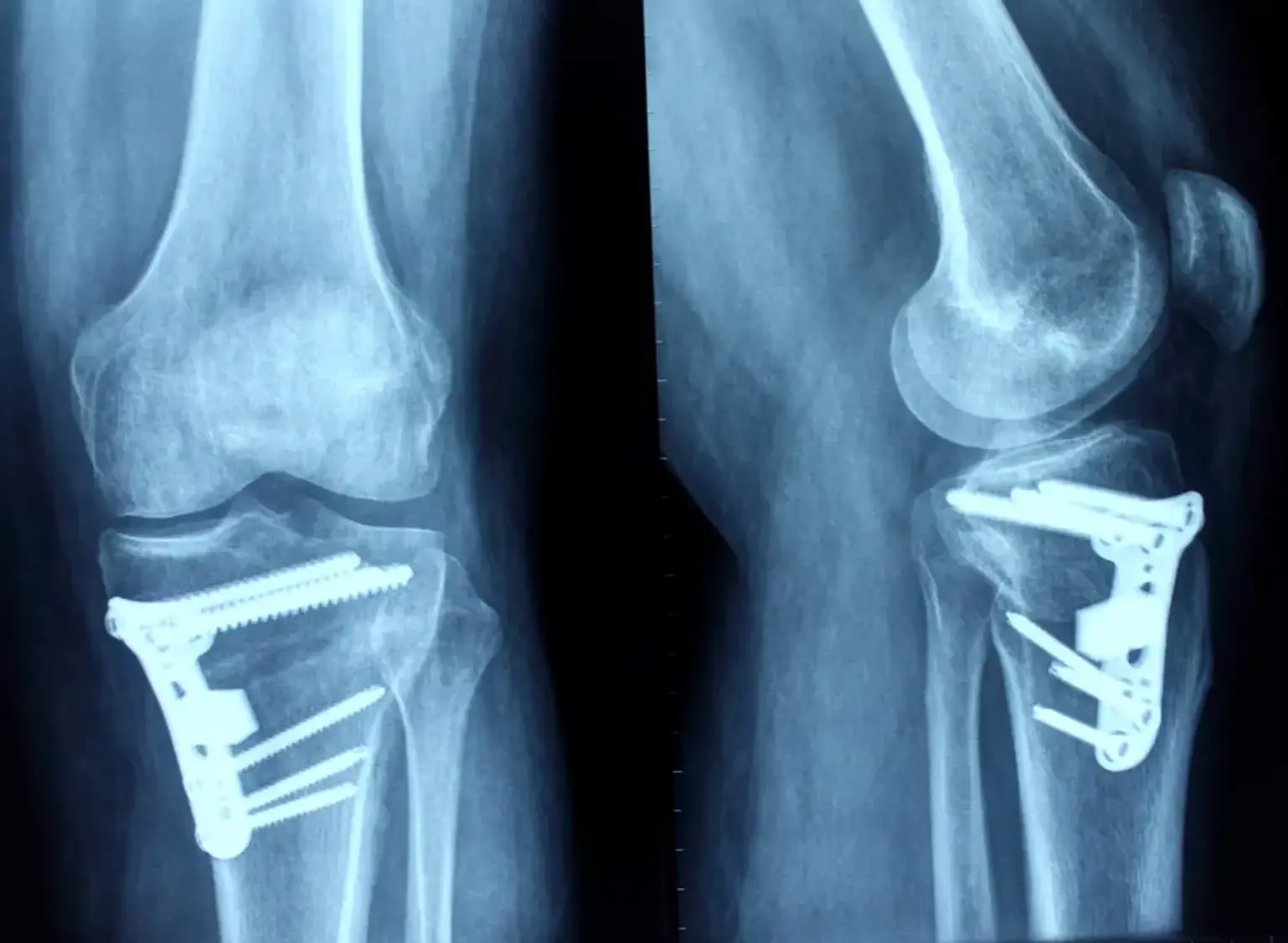
what-is-tibial-osteotomy-surgery-used-forTibial osteotomy surgery is primarily used to correct a misaligned knee, specifically a condition known as varus deformity or bowed legs, where excess stress is placed on the inner medial compartment of the knee. By making a precise cut in the shin bone tibia and either removing a wedge of bone closing wedge osteotomy or inserting a wedge of bone opening wedge osteotomy, the surgeon realigns the leg to shift weight to the healthier outer lateral compartment of the knee. This realignment helps to alleviate pain, slow the progression of osteoarthritis, and extend the life of the knee joint.
What are the Key Benefits of Tibial Osteotomy Surgery
what-are-the-key-benefits-of-tibial-osteotomy-surgeryTibial osteotomy surgery offers several significant benefits for carefully selected patients. It can delay or prevent the need for total knee replacement, allowing patients to maintain a more active lifestyle with their natural knee joint. The procedure effectively reduces pain associated with medial compartment osteoarthritis and improves knee function, leading to a better quality of life. Furthermore, it allows for greater flexibility and range of motion compared to artificial joint replacements.
Pain relief and improved knee function
Preservation of natural knee joint
Delayed or avoided total knee replacement
Maintained active lifestyle
Correction of knee misalignment
Prevention of further cartilage degeneration
Who is a Good Candidate for Tibial Osteotomy
who-is-a-good-candidate-for-tibial-osteotomyA good candidate for tibial osteotomy typically presents with early to moderate medial compartment osteoarthritis, often accompanied by a varus deformity of the knee. Ideal candidates are usually younger than 60 years old, physically active, and have localized pain on the inner side of their knee. They should have intact lateral compartment cartilage and stable knee ligaments. Individuals with severe arthritis throughout the knee joint or inflammatory arthritis are generally not suitable candidates.
Early to moderate medial compartment osteoarthritis
Varus knee deformity or genu varum
Younger than 60 years of age, often active
Localized pain on the inner aspect of the knee
Stable knee ligaments
Good overall health with no severe systemic conditions
What are the Risks and Contraindications of Tibial Osteotomy Surgery
what-are-the-risks-and-contraindications-of-tibial-osteotomy-surgeryAs with any surgical procedure, tibial osteotomy carries potential risks, though they are generally low. These can include infection, nerve or blood vessel damage, delayed bone healing or nonunion, blood clots, and persistent pain. Contraindications for the surgery include advanced osteoarthritis involving multiple compartments of the knee, inflammatory arthritis, severe obesity, and a significant history of smoking, which can impair bone healing.
Infection at the surgical site
Nerve or blood vessel injury
Delayed bone healing or failure of the bone to unite
Formation of blood clots deep vein thrombosis
Persistent knee pain or stiffness
Complications related to anesthesia
Contraindications include severe generalized arthritis or inflammatory conditions
What Are the Steps of the Tibial Osteotomy Procedure
what-are-the-steps-of-the-tibial-osteotomy-procedureThe tibial osteotomy procedure involves a series of carefully planned steps, from initial consultation to the surgical intervention itself, ensuring optimal patient outcomes.
Before the Procedure: Consultation and Preparation
before-the-procedure:-consultation-and-preparationThe initial phase involves a thorough medical history review, physical examination, and imaging studies such as X rays, MRI, and CT scans to precisely assess the knee alignment and the extent of cartilage damage. Patients receive detailed instructions, including dietary restrictions, medication adjustments such as avoiding blood thinners, and guidance on how to prepare their home for post operative recovery. This stage is crucial for surgical planning and patient education.
During the Procedure: What Happens in the Operating Room
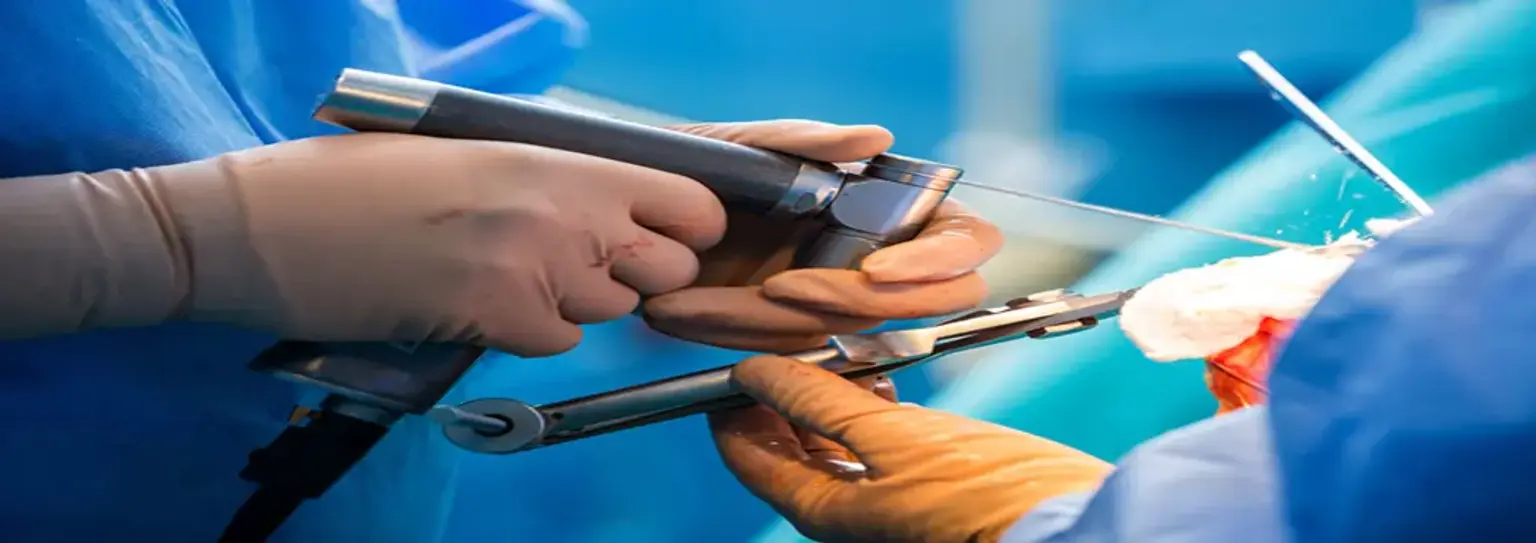
during-the-procedure:-what-happens-in-the-operating-roomTibial osteotomy is performed under general or regional anesthesia. The surgeon makes an incision on the inner side of the knee, below the kneecap. Using specialized instruments, a precise cut is made in the tibia. Depending on the technique opening wedge or closing wedge, a wedge of bone is either removed or inserted, and the bone is then secured with plates and screws to maintain the new alignment. The surgical duration typically ranges from 1 to 2 hours.
Immediately After the Procedure: The Initial Recovery Phase
immediately-after-the-procedure:-the-initial-recovery-phaseFollowing surgery, patients are closely monitored in the recovery room as they awaken from anesthesia. A knee brace may be applied, and pain management medication is administered. Patients usually begin physical therapy exercises soon after surgery, often within 24 hours, to encourage early mobility and prevent stiffness. The focus during this phase is on pain control, wound care, and gentle movement.
Patient Story: ""After my tibial osteotomy in Korea, the initial weeks were challenging, but the support from the hospital staff and physical therapists was incredible. Now, I can walk without pain and enjoy hiking again, which I thought was impossible."" – An anonymous patient, USA.
What is the Recovery Timeline for Tibial Osteotomy
what-is-the-recovery-timeline-for-tibial-osteotomyThe recovery timeline for tibial osteotomy varies among individuals but generally follows a structured progression.
Weeks 1-2: Non weight bearing or partial weight bearing using crutches. Focus on pain management, swelling reduction, and gentle range of motion exercises.
Weeks 3-6: Gradual increase in weight bearing as tolerated, progressing to full weight bearing. Continued physical therapy to improve strength and flexibility.
Months 2-4: Strengthening exercises intensify. Patients may be cleared to resume light activities, such as swimming or cycling. Bone healing is typically well underway.
Months 4-6: Return to most daily activities and some recreational sports. High impact activities or contact sports may still be restricted. Full recovery of strength and function continues.
Month 6 and beyond: Most patients can return to unrestricted activities, including sports, provided bone healing is complete and rehabilitation goals are met. Continued maintenance exercises are recommended.
How Long Do Tibial Osteotomy Results Last
how-long-do-tibial-osteotomy-results-lastThe results of a tibial osteotomy are generally considered long lasting, often providing significant pain relief and improved function for 10 to 15 years or more. The primary goal is to delay or prevent the need for total knee replacement. While the procedure is highly effective in slowing the progression of osteoarthritis in the targeted compartment, it does not stop the disease entirely. Factors such as patient activity level, adherence to rehabilitation protocols, and the severity of initial arthritis can influence the longevity of the results. Many patients experience permanent improvement in their quality of life.
Recommended Clinics with Relevant Expertise in South Korea
recommended-clinics-with-relevant-expertise-in-south-koreaWebsite | Clinic Name | Best Known For | Address | Contact |
|---|---|---|---|---|
Seoul Yes Hospital | Orthopedics, Joint and Spine Care | Yongin-si, Gyeonggi-do, South Korea | ||
Asan Medical Center | Complex Neuromuscular Treatment, Spinal Disorders | Songpa-gu, Seoul, South Korea | ||
Bumin Hospital Group | Artificial Joint Replacement, Spinal Endoscopic Treatment | Haeundae, Busan, South Korea | ||
Nanoori Hospital, Gangnam | Minimally Invasive Spinal Fusion Surgery, Joint Disorder Treatment | Gangnam-gu, Seoul, South Korea | ||
Gachon University Gil Medical Center | Stem Cell-based Cartilage Regeneration, Total Knee Replacement | Namdong-gu, Incheon, South Korea | ||
Wooridul Hospital Gangnam | Spinal Disorder Treatment, Zero-gravity Spinal Decompression | Gangnam-gu, Seoul, South Korea | ||
Pyo Nasil Orthopaedic Surgery Clinic | Artificial Joint Replacement, Arthroscopic Surgery | Seocho, Seoul, South Korea | ||
Suwon Central Hospital | Orthopedic Stem Cell Therapy, Complex Neuromuscular Treatment | Gyeonggi-do, Gwonseon-gu, South Korea |
Recommended Treatment/Procedure Names with Average Costs in South Korea
recommended-treatmentprocedure-names-with-average-costs-in-south-koreaTreatment/Procedure Name | Treatment Duration | Hospitalization? | Avg Cost Range (USD) in S. Korea | Contact |
|---|---|---|---|---|
Total knee replacement | 2-3 hours | Needed (3-5 days) | $8,000 - $15,000 | |
Artificial disc replacement | 2-4 hours | Needed (2-4 days) | $10,000 - $25,000 | |
Artificial joint replacement | 2-3 hours | Needed (3-5 days) | $8,000 - $18,000 | |
Minimally invasive spinal fusion surgery | 2-4 hours | Needed (2-5 days) | $12,000 - $30,000 | |
Stem cell-based cartilage regeneration | 1-2 hours | Needed (1-2 days) | $5,000 - $15,000 | |
Orthopedic Stem Cell Therapy | 30-60 mins | Not Needed | $2,000 - $8,000 | |
Complex neuromuscular treatment | 30-60 mins | Not Needed | $500 - $3,000 | |
Spinal endoscopic treatment | 1-2 hours | Needed (1-2 days) | $7,000 - $15,000 | |
High tibial osteotomy | 2-3 hours | Needed (3-5 days) | $7,000 - $14,000 | |
ACL reconstruction | 1-2 hours | Needed (1-2 days) | $6,000 - $12,000 | |
Ankle ligament reconstruction | 1-2 hours | Needed (1-2 days) | $5,000 - $10,000 | |
Arthroscopic surgery | 30-90 mins | Not Needed | $3,000 - $8,000 | |
Microscopic decompression surgery | 1-2 hours | Needed (1-3 days) | $8,000 - $16,000 | |
Spinal Disorder Treatment | 1-2 hours | Not Needed | $3,000 - $20,000 | |
Joint Disorder Treatment | 30-60 mins | Not Needed | $3,000 - $15,000 | |
Percutaneous vertebroplasty | 30-60 mins | Not Needed | $4,000 - $9,000 | |
Hallux valgus correction | 1-2 hours | Needed (1-2 days) | $3,500 - $7,000 | |
Epidural neuroplasty | 30-60 mins | Not Needed | $2,000 - $5,000 | |
Zero-gravity spinal decompression | 30-45 mins | Not Needed | $150 - $400 | |
Extracorporeal shock wave therapy | 15-30 mins | Not Needed | $100 - $300 |
Frequently Asked Questions (FAQs) about Tibial Osteotomy Surgery
frequently-asked-questions-(faqs)-about-tibial-osteotomy-surgery1. Will I have a visible scar from tibial osteotomy surgery
1.-will-i-have-a-visible-scar-from-tibial-osteotomy-surgeryYes, a visible scar is inevitable with tibial osteotomy surgery. Typically, the incision is made on the inner side of the knee, ranging from 5 to 10 centimeters in length. Surgeons strive to make the incision as aesthetically pleasing as possible, often following natural skin lines, but scar visibility can vary based on individual healing and skin type.
2. How soon can I exercise after the procedure
2.-how-soon-can-i-exercise-after-the-procedureLight exercises and gentle range of motion activities usually begin within days of tibial osteotomy surgery, guided by a physical therapist. More strenuous exercise, such as impact loading or running, is typically restricted for at least 4 to 6 months, until significant bone healing has occurred and strength has returned. Adherence to the prescribed rehabilitation program is crucial for safe progression.
3. Is the tibial osteotomy procedure painful
3.-is-the-tibial-osteotomy-procedure-painfulPain management is a significant focus during and after tibial osteotomy surgery. Patients will experience pain, particularly in the immediate post operative period. However, modern pain control protocols, including nerve blocks, oral medications, and sometimes patient controlled analgesia, are highly effective in minimizing discomfort. Pain levels typically decrease significantly within the first few weeks of recovery.
4. What are the alternatives to tibial osteotomy surgery
4.-what-are-the-alternatives-to-tibial-osteotomy-surgeryAlternatives to tibial osteotomy surgery depend on the severity of the condition and patient age. Non surgical options include physical therapy, pain medications, injections corticosteroids or hyaluronic acid, and bracing. Surgical alternatives might include [arthroscopy] for debridement or cartilage repair, or in cases of advanced arthritis, total knee replacement. The choice depends on individual patient factors.
5. How long is the hospital stay for tibial osteotomy
5.-how-long-is-the-hospital-stay-for-tibial-osteotomyThe typical hospital stay for tibial osteotomy surgery ranges from 2 to 4 days. This period allows for initial pain management, wound care, and the commencement of early physical therapy under medical supervision. The exact duration can vary based on the patient's recovery progress and the specific hospital's protocols.
6. Can I drive after tibial osteotomy surgery
6.-can-i-drive-after-tibial-osteotomy-surgeryDriving after tibial osteotomy surgery is generally not recommended for several weeks to months, especially if the surgery was performed on the right knee and the patient drives an automatic car, or either knee for a manual car. Patients must be off all narcotic pain medication and have sufficient strength, reaction time, and range of motion to safely operate a vehicle. A doctor will provide specific clearance.
7. What is the success rate of tibial osteotomy surgery
7.-what-is-the-success-rate-of-tibial-osteotomy-surgeryThe success rate of tibial osteotomy surgery in providing pain relief and delaying knee replacement is generally high, with studies reporting favorable outcomes in 80 percent to 90 percent of patients at 5 to 10 year follow up. Long term success is influenced by careful patient selection, surgical technique, and diligent post operative rehabilitation.
Secure Your Knee Health: Inquire About Tibial Osteotomy Today!
secure-your-knee-health:-inquire-about-tibial-osteotomy-todayDo not let knee pain dictate your life or limit your activities. Tibial osteotomy surgery offers a proven path to knee preservation and renewed mobility, especially with the world class care available in South Korea. Take the decisive step towards a healthier, more active future. Inquire about tibial osteotomy surgery through CloudHospital for a seamless and transparent process. Our dedicated Care Managers will provide end to end support, from your initial inquiry to post recovery care. And Get a Free Personalized Treatment Plan.