
The clinical information regarding Top 5 Advanced Eye Surgery Procedures Available in Korea in this article has been rigorously verified against the latest guidelines from the American Academy of Ophthalmology and primary research from databases like PubMed. This piece was reviewed for accuracy and patient-centric clarity and was last updated in May 2024.
Introduction
introductionNavigating the world of Ophthalmology can be overwhelming. To simplify your journey, weve autonomously identified and curated a list of the top, most effective options relevant to Top 5 Advanced Eye Surgery Procedures Available in Korea available today in South Korea.
What are the most advanced eye surgeries in Korea?
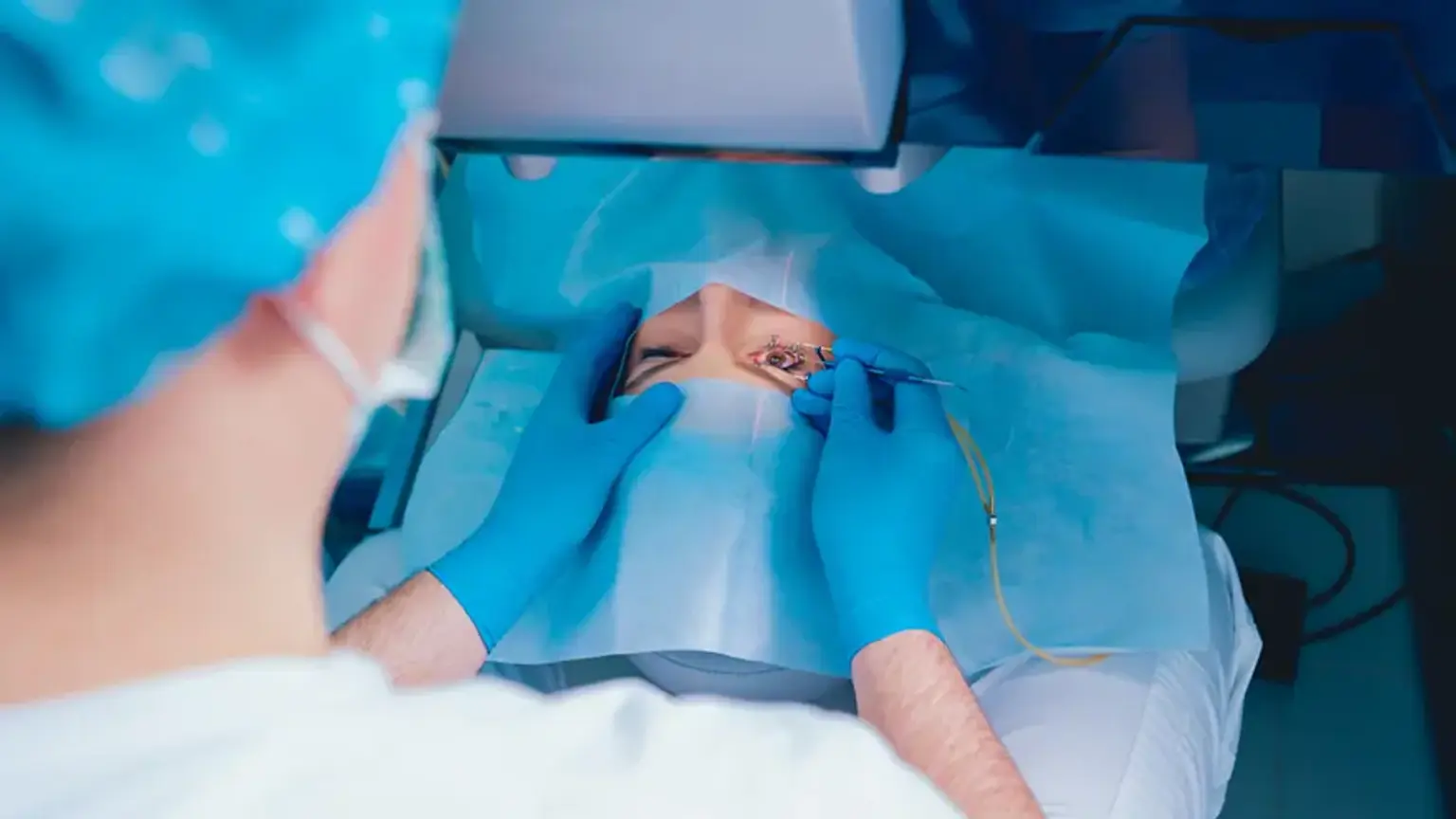
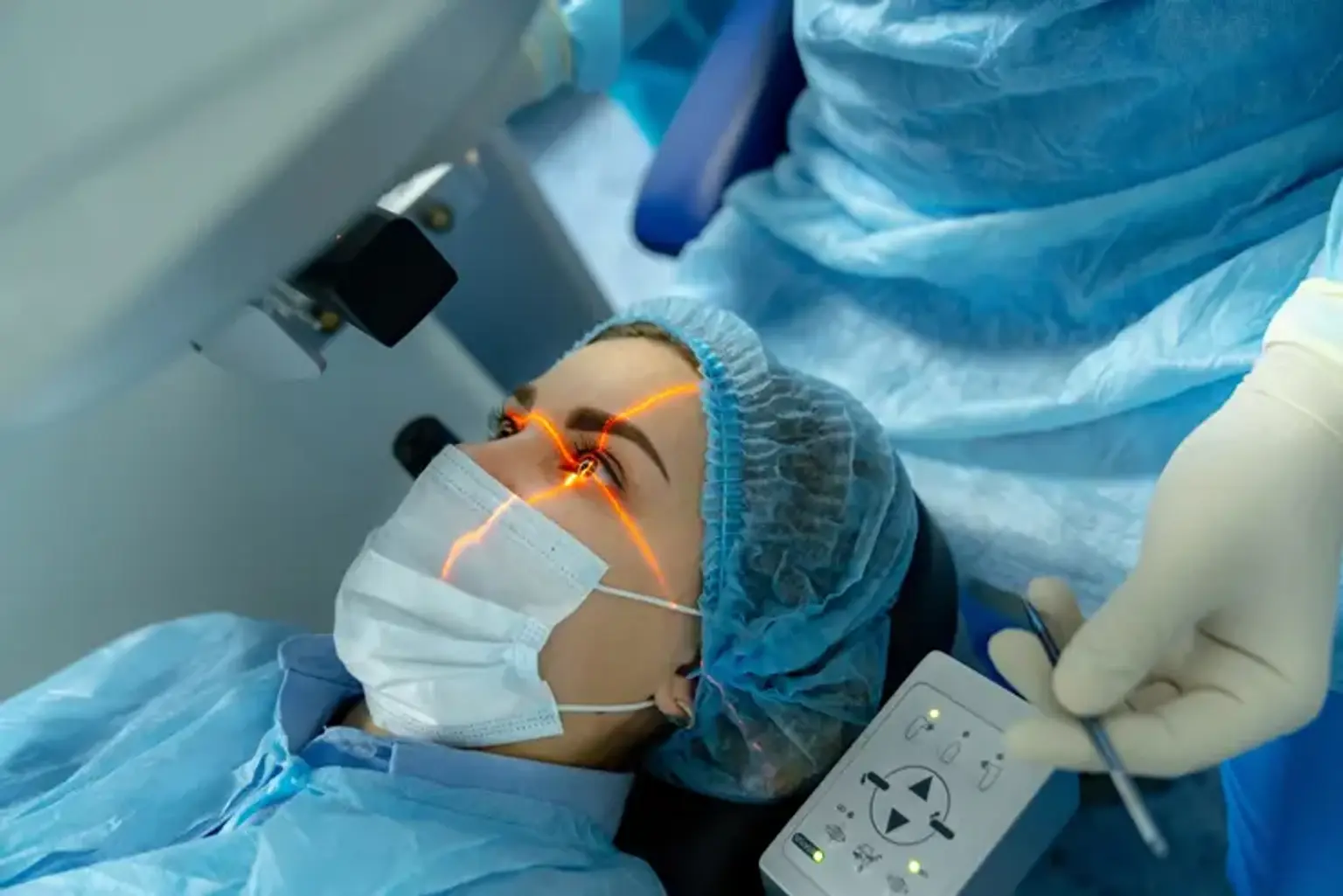
what-are-the-most-advanced-eye-surgeries-in-koreaThe most advanced eye surgeries in Korea encompass a range of procedures designed to correct various vision impairments, offering high success rates and rapid recovery. These include LASIK, SMILE Eye Surgery, Cataract Surgery, Premium Cataract Surgery with IOLs, and Implantable Collamer Lens ICL Surgery, all utilizing cutting edge technology and performed by highly skilled ophthalmologists.
How does LASIK compare to other advanced eye surgeries?
how-does-lasik-compare-to-other-advanced-eye-surgeriesLASIK is a well established refractive surgery that reshapes the cornea to correct myopia, hyperopia, and astigmatism, typically offering quick visual recovery compared to older methods like LASEK by creating a corneal flap. While highly effective, newer procedures like SMILE are less invasive as they do not create a flap, potentially reducing the risk of dry eyes and flap related complications.
What is SMILE Eye Surgery recovery time and benefits?
what-is-smile-eye-surgery-recovery-time-and-benefitsSMILE Eye Surgery involves creating a small lenticule inside the cornea using a femtosecond laser, which is then removed through a tiny incision, resulting in a minimally invasive procedure with a rapid visual recovery time, often within a few days. The benefits include a smaller incision, reduced risk of dry eye syndrome compared to LASIK, and suitability for higher prescriptions.
Is Cataract Surgery safe and what options are available in Korea?
is-cataract-surgery-safe-and-what-options-are-available-in-koreaCataract Surgery is considered a very safe and effective procedure to restore vision by replacing the clouded natural lens with an artificial [intraocular lens] IOL. In Korea, advanced options include standard cataract surgery and Premium Cataract Surgery with IOLs, which utilize multifocal, toric, or extended depth of focus IOLs to correct presbyopia or astigmatism simultaneously, often eliminating the need for glasses after surgery.
Where can I get Premium IOLs in Korea and what are their advantages?
where-can-i-get-premium-iols-in-korea-and-what-are-their-advantagesPremium IOLs are available at many specialized eye clinics and university hospitals across Korea, offering advanced solutions for vision correction beyond basic cataract removal. The main advantages of Premium Cataract Surgery with IOLs include multifocal correction for both near and distant vision, astigmatism correction with toric IOLs, and enhanced visual quality, significantly improving a patient’s quality of life and reducing dependence on eyeglasses. These lenses allow for a more comprehensive visual rehabilitation.
"Choosing the right advanced eye surgery procedure in Korea was a significant decision, but after extensive research and consulting with several clinics, I opted for SMILE surgery. The seamless process and the excellent outcome have completely transformed my vision and daily life, making me confident in my choice." – An anonymous patient, USA.
Recommended Clinics with Relevant Expertise in South Korea
recommended-clinics-with-relevant-expertise-in-south-koreaWebsite | Clinic Name | Best Known For | Address | Contact |
|---|---|---|---|---|
Gangnam Joeunnun Vision Clinic | High-volume LASIK, LASEK, SMILE, and lens implantation surgeries. | Gangnam-gu, Seoul, South korea | ||
Jryn Eye Clinic | Comprehensive eye care including vision correction and presbyopia treatment. | Busanjin-gu, Busan, South Korea | ||
SNU Eye Clinic | Complex refractive surgeries, corneal diseases, and academic-level care. | Gangnam-gu, Seoul, South Korea | ||
Global Ubal Eye Center | Specialized in difficult vision correction cases and re-operations. | Jung-gu, Incheon, South Korea | ||
Bright Eye Clinic - Gangnam | Offers comprehensive vision correction (SMILE, LASIK, SMILE PRO) | Seocho, Seoul, South Korea | ||
Pusan National University Yangsan Hospital | University hospital setting for complex eye diseases and retinal disorders. | Gyeongsangnam-do, Yangsan, South Korea | ||
B & VIIT Eye Center | Uses AI-powered prediction, and offers SMILE, LASIK, LASEK, and ICL | Seocho, Seoul, South Korea | ||
Samyook Busan Adventist Hospital | General ophthalmology services and surgical interventions. | Busan, Seo-gu, South Korea |
Recommended Treatment/Procedure Names with Average Costs in South Korea
recommended-treatmentprocedure-names-with-average-costs-in-south-koreaTreatment/Procedure Name | Duration | Hospitalization? | Avg. Cost (USD) in S. Korea | Contact |
|---|---|---|---|---|
LASIK | 15-20 mins | Not Needed | $1,800 - $3,000 | |
SMILE Eye Surgery | 15-20 mins | Not Needed | $2,200 - $3,500 | |
Cataract Surgery | 20-30 mins | Not Needed | $2,000 - $4,000 | |
Premium Cataract Surgery with IOLs | 20-30 mins | Not Needed | $3,500 - $7,000 | |
LASEK | 15-20 mins | Not Needed | $1,600 - $2,800 | |
Presbyopia Correction | 15-30 mins | Not Needed | $3,000 - $6,500 | |
Dry Eye Treatment (IPL) | 15 mins | Not Needed | $200 - $500 | |
Glaucoma Treatment (SLT Laser) | 10-15 mins | Not Needed | $800 - $1,500 | |
Vitreoretinal Surgery | 1-3 hours | Needed (1-2 days) | $7,000 - $15,000 | |
Corneal Transplantation Surgery | 1-2 hours | Needed (1-3 days) | $12,000 - $25,000 |
What Else Should I Consider When Choosing an Option for Advanced Eye Surgery Korea?
what-else-should-i-consider-when-choosing-an-option-for-advanced-eye-surgery-koreaThis section addresses the most common follow-up questions a reader has after reviewing the listed options, helping them compare options or understand how to apply the recommendations to their own situation.
1. Which of these advanced eye surgeries is best for my specific vision problem?
1.-which-of-these-advanced-eye-surgeries-is-best-for-my-specific-vision-problemThe best advanced eye surgery depends entirely on your individual eye condition, prescription, and lifestyle. A comprehensive eye examination by a qualified ophthalmologist is crucial to determine suitability for procedures like LASIK, SMILE, or Premium Cataract Surgery.
2. How do the costs compare between these advanced eye treatments in Korea?
2.-how-do-the-costs-compare-between-these-advanced-eye-treatments-in-koreaThe costs for advanced eye treatments in Korea vary significantly. Generally, procedures like LASIK and LASEK are less expensive than SMILE or Premium Cataract Surgery with specialized IOLs. Factors influencing cost include the clinics reputation, the technology used, and the complexity of the individual case.
3. Are the results from these advanced eye procedures permanent?
3.-are-the-results-from-these-advanced-eye-procedures-permanentFor most refractive surgeries like LASIK and SMILE, the vision correction is generally considered permanent. However, natural aging processes can lead to conditions like presbyopia or cataracts later in life, which are not corrected by these procedures. Cataract surgery provides a permanent solution for cataracts.
4. What is the typical recovery process for advanced eye surgery in Korea?
4.-what-is-the-typical-recovery-process-for-advanced-eye-surgery-in-koreaRecovery processes vary by procedure. SMILE and LASIK typically offer rapid visual recovery within a few days, while LASEK might have a slightly longer initial healing period. For cataract surgery, visual improvement is often noticeable within days, with full recovery taking a few weeks.
5. How do I choose the right eye clinic and surgeon in South Korea for my needs?
5.-how-do-i-choose-the-right-eye-clinic-and-surgeon-in-south-korea-for-my-needsChoosing the right eye clinic involves considering the surgeons experience, the clinics technological advancements, patient testimonials, and post operative care support. Researching accreditation and specialization in your desired procedure is also key.
6. Are there any potential risks or complications associated with these advanced eye surgeries?
6.-are-there-any-potential-risks-or-complications-associated-with-these-advanced-eye-surgeriesAs with any surgical procedure, there are potential risks, though they are generally low for advanced eye surgeries performed by experienced surgeons. Common, temporary side effects can include dry eyes, glare, or halos. Serious complications are rare, but it is important to discuss them thoroughly with your surgeon.
7. What pre operative preparation is required before undergoing advanced eye surgery?
7.-what-pre-operative-preparation-is-required-before-undergoing-advanced-eye-surgeryPre operative preparation typically involves a series of detailed eye examinations to assess your eligibility and gather precise measurements. You may also be advised to stop wearing contact lenses for a period before the surgery and to avoid eye makeup on the day of the procedure.
Achieve Clear Vision: Inquire About Advanced Eye Surgery in Korea Today!
achieve-clear-vision:-inquire-about-advanced-eye-surgery-in-korea-todayEmbark on your journey to superior vision with confidence. Inquire about the most advanced eye surgery procedures available in Korea and let CloudHospital guide you. Our dedicated Care Managers ensure a seamless, transparent process, providing end to end support from your initial inquiry to post recovery care. And Start Your Confidential Inquiry to achieve the clear vision you deserve.