
The clinical information regarding Under-Eye Fat Repositioning in this article has been rigorously verified against the latest procedural standards from the American Society of Plastic Surgeons (ASPS) and primary research from databases like PubMed. This piece was reviewed for accuracy and patient-centric clarity and was last updated in October 2023.
Introduction
introductionUnder eye fat repositioning is a highly effective surgical procedure within Plastic Surgery designed to correct tired looking eyes by addressing both under-eye bags and hollow tear troughs simultaneously. Its primary goal is to create a smooth, revitalized transition from the lower eyelid to the cheek, restoring a more youthful and rested appearance. For individuals in middle age seeking to address these specific signs of aging, it represents a definitive and long-lasting solution. This guide provides a detailed examination of the procedure for those considering this transformative step.
How Does Under-Eye Fat Repositioning Work? The Surgical Mechanism
how-does-under-eye-fat-repositioning-work:-the-surgical-mechanismThe aging process often causes the fat pads beneath the eyes to bulge forward, creating prominent bags. At the same time, the area just below the bag, known as the tear trough, can lose volume and appear hollow. This combination creates a distinct line of demarcation and a tired, aged look. Under-eye fat repositioning, a form of lower blepharoplasty, surgically corrects this. Instead of simply removing the bulging fat, the surgeon makes a discreet incision, typically hidden on the inside of the lower eyelid a transconjunctival approach. Through this incision, the surgeon accesses the protruding orbital fat pads. This fat is then carefully mobilized and repositioned downward to fill in the hollow tear trough, effectively using the patient's own tissue as a natural filler. The fat is then secured into its new position, creating a smooth, blended contour.
Key Benefits of Under-Eye Fat Repositioning
key-benefits-of-under-eye-fat-repositioningThis technique offers several distinct advantages over other methods.
Correction of Eye Bags: It directly reduces the puffiness and bulging caused by herniated orbital fat.
Elimination of Tear Trough Hollows: By filling the depression with the patient's own fat, it provides a permanent and natural looking solution to under-eye hollows.
A Single, Unified Solution: It addresses the dual problem of bags and hollows in one procedure, creating a more harmonious and natural rejuvenation than just removing fat or using temporary fillers.
Increased Self-Confidence: Achieving a refreshed, less tired appearance can significantly boost confidence and well being.
Who is an Ideal Candidate for Under-Eye Fat Repositioning?
1.-who-is-an-ideal-candidate-for-under-eye-fat-repositioningIdeal candidates for this procedure typically share several characteristics. A thorough consultation is necessary to confirm suitability.
Presence of both under-eye bags and tear trough depressions.
Good overall physical and mental health.
Good skin elasticity and muscle tone in the lower eyelid.
Non-smokers, or those willing to quit well before and after surgery.
Individuals with realistic expectations about the outcome.
Who Should Be Cautious or Avoid This Procedure?
2.-who-should-be-cautious-or-avoid-this-procedureCertain conditions or factors may make this procedure inadvisable or require special consideration.
Severe dry eye or other significant ophthalmological conditions.
Medical conditions that impair healing, such as uncontrolled diabetes or bleeding disorders.
Active skin infections or inflammation in the periorbital area.
Unrealistic expectations or a history of Body Dysmorphic Disorder.
Severe lower eyelid laxity, which might require an additional procedure like a canthoplasty.
The Under-Eye Fat Repositioning Procedure: A Step-by-Step Patient Walkthrough
the-under-eye-fat-repositioning-procedure:-a-step-by-step-patient-walkthroughUnderstanding the patient journey can help demystify the process and set clear expectations.
Before the Procedure: Consultation and Preparation
before-the-procedure:-consultation-and-preparationYour journey begins with an in depth consultation. The surgeon will evaluate your facial anatomy, skin quality, and the specific nature of your under-eye concerns. They will review your medical history and discuss your aesthetic goals. Pre-operative instructions will be provided, which typically include avoiding blood thinning medications like aspirin and ibuprofen and supplements for about two weeks prior to surgery.
During the Procedure: What Happens in the Operating Room
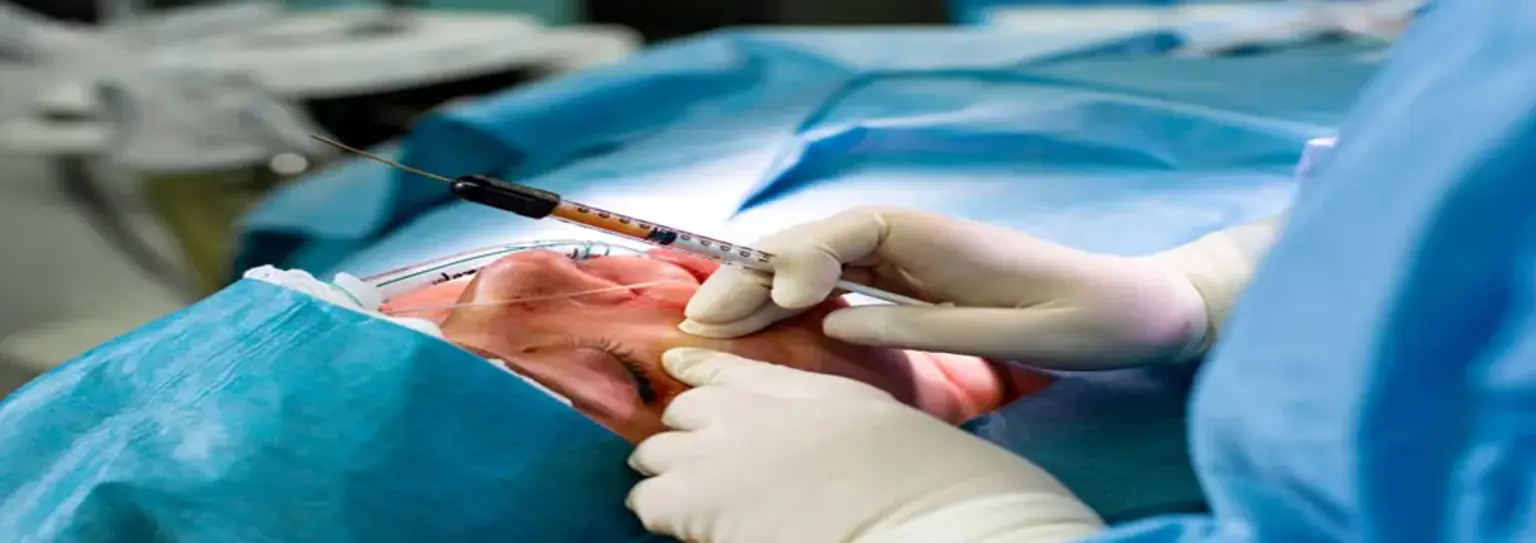
during-the-procedure:-what-happens-in-the-operating-roomThe surgery is usually performed as an outpatient procedure under local anesthesia with sedation or general anesthesia, depending on the patient and surgeon's preference. The procedure itself typically takes 1 to 2 hours. The surgeon makes the incision inside the lower eyelid, so there are no visible external scars. The orbital fat is then carefully separated, repositioned over the orbital rim to fill the tear trough, and secured in place with fine, dissolvable sutures.
Immediately After the Procedure: The Initial Recovery Phase
immediately-after-the-procedure:-the-initial-recovery-phaseAfter the procedure, you will rest in a recovery area for monitoring. Cold compresses will be applied to minimize swelling and bruising. Some mild discomfort, tightness, and blurred vision from ointment are normal. You will be discharged with specific aftercare instructions, including how to care for your eyes and which activities to avoid.
"For the first week, I was so swollen I couldn't imagine the final result. But when the surgeon removed the tapes and the worst of the swelling went down, I looked in the mirror and saw the smooth contour under my eyes for the first time in years. It was exactly what I had hoped for." – an anonymous patient, Australia.
Potential Risks and Complications of Under-Eye Fat Repositioning
potential-risks-and-complications-of-under-eye-fat-repositioningWhile generally safe, all surgical procedures carry inherent risks. These can include infection, bleeding, asymmetry, dry eyes, or an unsatisfactory aesthetic result like under-correction or over-correction. Choosing a highly skilled, board certified plastic surgeon in a technologically advanced setting, such as those in South Korea, is the most critical factor in mitigating these risks. Meticulous surgical technique, advanced facilities, and superior post-operative care protocols significantly enhance safety and outcomes.
Recovery and Aftercare: Your Under-Eye Fat Repositioning Timeline
recovery-and-aftercare:-your-under-eye-fat-repositioning-timelineRecovery is a gradual process that varies for each individual.
Week 1: Swelling and bruising are most significant during this tim ghewe. Discomfort is managed with prescribed medication. You should rest with your head elevated and use cold compresses. Light activities like walking are encouraged.
Weeks 2-4: Most significant bruising and swelling will have subsi ded. Most patients feel comfortable returning to work and social activities around the 10-14 day mark. Strenuous exercise and heavy lifting should still be avoided.
Months 1-3: Swelling continues to subtly decrease, and the initial results become much clearer. The new, smoother contour is well established.
6 Months to 1 Year: Final results are typically visible as all residual, minor swelling resolves completely. The under-eye area appears smooth, natural, and rejuvenated.
Recommended Clinics for Under-Eye Fat Repositioning in South Korea
recommended-clinics-for-under-eye-fat-repositioning-in-south-koreaSouth Korea is globally recognized for its expertise in advanced aesthetic procedures, particularly in facial surgery. The clinics below are renowned for their high standards of care and specialization in periorbital rejuvenation.
Website | Clinic Name | Best Known For | Address | Inquire Now |
|---|---|---|---|---|
Human Plastic Surgery | Facial Contouring, Eye & Nose Surgery | Gangnam-gu, Seoul, South Korea | ||
Dite Plastic Surgery | Rhinoplasty, Eye Plastic Surgery | Gangnam-gu, Seoul, South Korea | ||
1mm Plastic Surgery | Eye Surgery, Anti-Aging, Rhinoplasty | Gangnam-gu, Seoul, South Korea | ||
Kowon Plastic Surgery | Specialized Rhinoplasty, Revision Surgery | Gangnam-gu, Seoul, South Korea | ||
TJ plastic surgery | Facial Contouring, Breast & Body Surgery | Gangnam-gu, Seoul, South Korea | ||
Hugo Plastic Surgery | Eye Surgery, Rhinoplasty, Facial Lifting | Gangnam-gu, Seoul, South Korea | ||
SoonPlus Plastic Surgery | Eye & Nose Surgery, Revision Specialist | Gangnam-gu, Seoul, South Korea | ||
Face plus plastic surgery | Facial Contouring, Orthognathic Surgery | Gangnam-gu, Seoul, South Korea | ||
Yujin Plastic Surgery & Dermatology | Comprehensive Aesthetics, Stem Cell Research | Gangnam-gu, Seoul, South Korea | ||
JK Plastic Surgery Center | Comprehensive Care, One-Stop Center | Gangnam-gu, Seoul, South Korea | ||
ID Hospital | Facial Bone Surgery, Comprehensive Aesthetics | Gangnam-gu, Seoul, South Korea |
Under-Eye Fat Repositioning Techniques and Average Cost in South Korea
under-eye-fat-repositioning-techniques-and-average-cost-in-south-koreaThe cost can vary based on the surgeon's expertise, the complexity of the case, and whether other procedures are performed concurrently.
Treatment/Procedure Name | Duration | Hospitalization? | Avg. Cost Range (USD) in S. Korea | Contact |
|---|---|---|---|---|
Full Face Lifting | 3-5 hours | Needed (1-2 days) | $12,000 - $20,000 | |
SMAS Facelift | 3-4 hours | Needed (1 day) | $8,000 - $15,000 | |
Face Lift | 2-4 hours | Needed (1 day) | $7,000 - $14,000 | |
Face Contouring | 2-4 hours | Needed (1-2 days) | $8,000 - $18,000 | |
Square Jaw Surgery | 1-2 hours | Needed (1 day) | $4,500 - $7,500 | |
Cheekbone Reduction Surgery | 1-2 hours | Needed (1 day) | $5,000 - $8,000 | |
Revision Rhinoplasty | 2-4 hours | Not Needed | $6,000 - $10,000 | |
Rhinoplasty | 1-3 hours | Not Needed | $4,000 - $7,000 | |
Breast Augmentation | 1-2 hours | Needed (1 day) | $8,000 - $15,000 | |
Liposuction (Abdominal) | 1-3 hours | Not Needed | $4,000 - $8,000 | |
Chin Correction (Genioplasty) | 1-2 hours | Needed (1 day) | $4,000 - $6,500 | |
Upper & Lower Blepharoplasty | 1.5-2.5 hours | Not Needed | $3,500 - $6,000 | |
Lower Eyelid Surgery | 1-1.5 hours | Not Needed | $2,500 - $4,500 | |
Neck Lift | 2-3 hours | Needed (1 day) | $6,000 - $10,000 | |
Brow Lift / Forehead Lift | 1-2 hours | Not Needed | $4,000 - $7,000 | |
Double Eyelid Surgery | 30-60 mins | Not Needed | $1,500 - $3,500 | |
Thread Lifting | 30-60 mins | Not Needed | $2,000 - $5,000 |
Expected Results and Longevity
expected-results-and-longevityA successful outcome is a natural and lasting rejuvenation of the under-eye area. The hollows are filled, the bags are gone, and the junction between the lid and cheek is smooth. The results of under-eye fat repositioning are considered permanent, as the repositioned fat will remain in its new location. However, the procedure does not stop the natural aging process. Over many years, skin and facial tissues will continue to change, but the specific correction of the bag and trough deformity should persist.
Frequently Asked Questions (FAQs) about Under-Eye Fat Repositioning
frequently-asked-questions-(faqs)-about-under-eye-fat-repositioning1. Will I have a visible scar?
1.-will-i-have-a-visible-scarNo. For most under-eye fat repositioning procedures, the surgeon uses a transconjunctival approach, meaning the incision is made on the inner surface of the lower eyelid. There are no external cuts and therefore no visible scars on the skin.
2. Is under-eye fat repositioning painful?
2.-is-under-eye-fat-repositioning-painfulPatients typically experience discomfort and a feeling of tightness rather than severe pain. This is well-managed with prescribed pain medication for the first few days. The most common sensations are mild soreness and irritation.
3. How is this different from under-eye fillers?
3.-how-is-this-different-from-under-eye-fillersFillers are temporary injectable gels used to fill the tear trough hollows, lasting from 9 to 18 months. They do not address the bulging fat bag itself. Fat repositioning is a permanent surgical solution that uses your own fat to correct both the bag and the hollow for a more complete and long-lasting result.
4. How soon can I go back to work and wear makeup?
4.-how-soon-can-i-go-back-to-work-and-wear-makeupMost patients can return to a desk job or non-strenuous work within 10 to 14 days, by which time the majority of bruising can be covered by makeup. Your surgeon will provide specific clearance on when it is safe to resume wearing contact lenses and eye makeup.
Your Strategic Next Step
your-strategic-next-stepThe decision to undergo any surgical procedure is significant. Under-eye fat repositioning offers a powerful and permanent solution for rejuvenating the appearance of tired eyes in middle age. The most crucial step for any prospective patient is to schedule a thorough consultation with a board certified plastic surgeon. This allows for a personalized assessment of your unique anatomy, a discussion of your goals, and a definitive determination of your candidacy for the procedure.
Speak With a Specialist About Under-Eye Fat Repositioning Today!
speak-with-a-specialist-about-under-eye-fat-repositioning-today!Ready to unveil a brighter, more youthful you? Say goodbye to under-eye bags and hello to a refreshed, confident gaze with under-eye fat repositioning. Don't let another day pass feeling anything less than your best – take the first step towards a personalized transformation! Get a Free Treatment Plan & Quote from CloudHospital today! to connect with a specialist, receive a complimentary treatment plan, and get a no-obligation quote. It's 100% free, and your journey to smoother, more radiant under-eyes starts now!