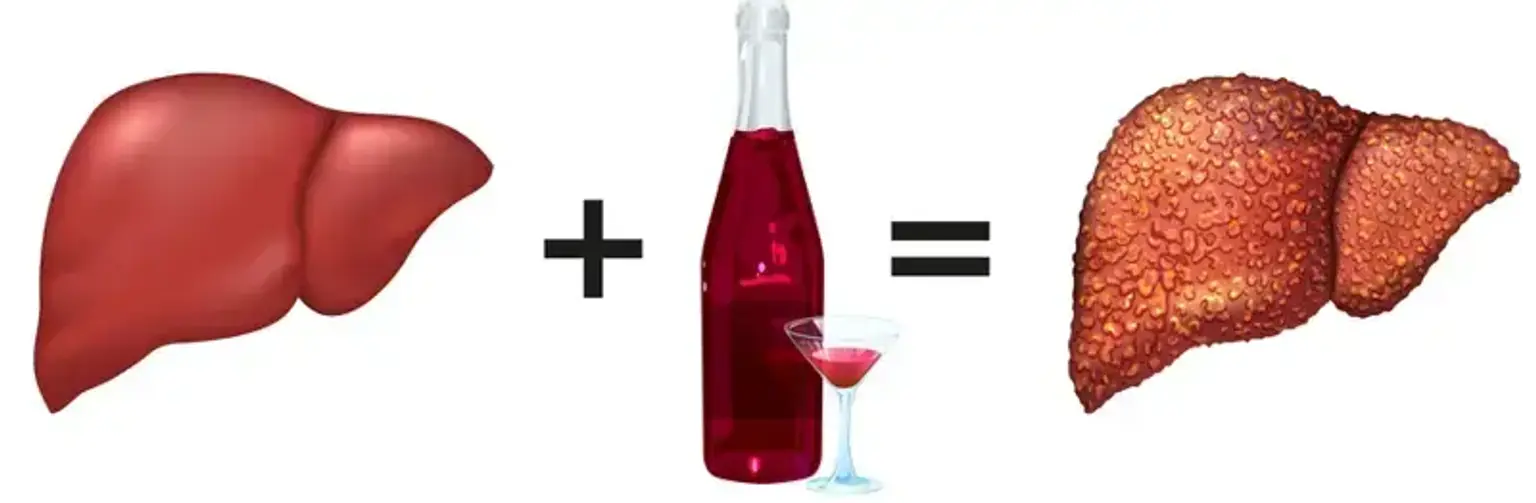

The clinical information regarding Understanding Alcohol Induced Hepatitis in this article has been rigorously verified against the latest guidance from the National Institute on Alcohol Abuse and Alcoholism (NIAAA) and primary research from databases like PubMed. This piece was reviewed for accuracy and patient-centric clarity and was last updated in October 2023.
Introduction
introductionAlcohol induced hepatitis is a serious and potentially life-threatening form of alcohol related liver disease. It is inflammation of the liver caused by consuming excessive amounts of alcohol over a prolonged period. This condition represents a critical stage of liver injury that can progress rapidly. This guide provides a comprehensive overview of alcohol induced hepatitis, offering clear, evidence-based information for individuals seeking to understand its causes, recognize its symptoms, and explore effective treatment pathways.
What is Alcohol-Induced Hepatitis?
what-is-alcohol-induced-hepatitis
Alcohol induced hepatitis, often called alcoholic hepatitis, is acute on chronic liver inflammation triggered by heavy and prolonged alcohol use. When the body metabolizes alcohol, it produces highly toxic chemicals that can injure liver cells. This injury leads to inflammation and cellular death, impairing the liver's ability to perform its vital functions, such as filtering toxins from the blood, producing bile for digestion, and regulating blood clotting. The severity can range from mild, with only abnormal lab tests, to severe, leading to acute liver failure, a condition with high mortality.
What are the Common Causes and Risk Factors?
what-are-the-common-causes-and-risk-factorsThe primary cause of alcohol induced hepatitis is excessive alcohol consumption. However, not everyone who drinks heavily develops the condition, indicating that other factors play a significant role.
Quantity and Duration of Alcohol Use: The risk directly correlates with the amount and length of time an individual has been drinking heavily. Binge drinking can also trigger acute episodes.
Genetic Predisposition: Certain genetic factors can influence how the body metabolizes alcohol, making some individuals more susceptible to liver damage.
Gender: Women tend to develop alcohol related liver disease more quickly and at lower levels of alcohol consumption compared to men, partly due to differences in alcohol metabolism.
Malnutrition: Heavy drinkers often have poor nutritional intake. Deficiencies in essential vitamins and minerals can exacerbate alcohol's damaging effects on the liver.
Obesity: Being overweight increases the risk of developing fatty liver, which can progress to more severe inflammation and damage when combined with alcohol.
Co-existing Liver Conditions: Having a chronic viral infection like Hepatitis C significantly accelerates liver damage from alcohol.
What are the First Signs of Alcoholic Hepatitis?
what-are-the-first-signs-of-alcoholic-hepatitisThe symptoms of alcohol induced hepatitis can develop suddenly and worsen quickly. Recognizing them early is critical for seeking timely medical intervention.
Jaundice: A yellowing of the skin and the whites of the eyes. This is a hallmark sign of liver dysfunction caused by a buildup of bilirubin in the blood.
Abdominal Pain and Tenderness: Discomfort, particularly in the upper right side of the abdomen where the liver is located.
Ascites: Swelling in the abdomen due to fluid accumulation, a sign of advanced liver disease.
Loss of Appetite and Weight Loss: A general feeling of being unwell, nausea, and vomiting are common.
Fatigue and Weakness: Profound tiredness and a lack of energy that is not relieved by rest.
Fever: A low-grade fever may be present due to the inflammatory process.
Confusion and Cognitive Changes (Hepatic Encephalopathy): In severe cases, toxins building up in the bloodstream can affect brain function, causing confusion, drowsiness, and changes in behavior.
How is Alcohol-Induced Hepatitis Diagnosed?
how-is-alcohol-induced-hepatitis-diagnosedA definitive diagnosis of alcohol induced hepatitis involves a combination of a thorough medical history, physical examination, and specific diagnostic tests.
Medical History and Physical Exam: A doctor will ask detailed questions about alcohol consumption patterns, symptoms, and medical history. During the physical exam, the doctor will check for signs like an enlarged and tender liver, jaundice, and ascites.
Blood Tests: These are crucial for diagnosis. A complete blood count (CBC) and liver function tests (LFTs) will measure levels of liver enzymes like aspartate aminotransferase (AST) and alanine aminotransferase (ALT). In alcoholic hepatitis, the AST level is typically much higher than the ALT level, often by a ratio of 2:1 or greater. Other tests measure bilirubin, albumin, and clotting factors to assess overall liver function.
Imaging Tests: An abdominal ultrasound, CT scan, or MRI may be used to visualize the liver, assess its size and texture, and rule out other conditions like gallstones or tumors.
Liver Biopsy: In some cases, a small sample of liver tissue is removed with a needle and examined under a microscope. This is the most definitive way to confirm the diagnosis and assess the extent of liver damage, including the presence of inflammation, scarring fibrosis, or cirrhosis.
Can Alcoholic Hepatitis Be Reversed if I Stop Drinking?
can-alcoholic-hepatitis-be-reversed-if-i-stop-drinkingYes, in many cases, liver damage from mild to moderate alcoholic hepatitis can be reversed or significantly improved with complete and permanent abstinence from alcohol. The liver has a remarkable capacity to regenerate. When alcohol is removed, the inflammatory process can subside, and damaged liver cells can be replaced by new, healthy ones.
However, for individuals with severe alcoholic hepatitis or those who have already developed advanced scarring cirrhosis, the damage may be irreversible. Even in these cases, stopping alcohol is the single most important action to prevent further liver injury, improve quality of life, and increase survival rates. Continued drinking with this condition dramatically worsens the prognosis.
What is the Treatment for Severe Alcoholic Hepatitis?
what-is-the-treatment-for-severe-alcoholic-hepatitisTreatment for severe alcoholic hepatitis typically requires hospitalization and focuses on three main goals: stopping alcohol consumption, providing nutritional support, and managing complications.
Alcohol Abstinence: This is the cornerstone of all treatment. Counseling, support groups like Alcoholics Anonymous, and sometimes medication are used to help patients achieve and maintain sobriety.
Nutritional Therapy: Malnutrition is almost universal in patients with this condition. A high-calorie, high-protein diet, often supplemented with vitamins especially B vitamins and vitamin K and minerals, is critical to support liver regeneration and improve outcomes.
Medications:
Corticosteroids: For patients with severe inflammation, a course of corticosteroids like prednisolone may be prescribed to reduce the inflammatory response and improve short-term survival. Doctors often use a scoring system, such as the Maddrey's Discriminant Function (MDF), to determine if a patient is likely to benefit.
Pentoxifylline: This medication may be used as an alternative or in addition to corticosteroids to improve blood flow, though its effectiveness is debated.
Liver Transplantation: For patients with severe, life-threatening alcoholic hepatitis who do not respond to medical therapy, a liver transplantation may be the only option. This is a complex decision, and candidates must typically demonstrate a commitment to long-term sobriety, usually by completing a period of abstinence and undergoing psychological evaluation.
How Can I Manage Life After an Alcoholic Hepatitis Diagnosis?
how-can-i-manage-life-after-an-alcoholic-hepatitis-diagnosis"I just thought I was tired from working too much. The yellowing in my eyes was subtle at first, but then my stomach started to swell. I couldn't ignore it anymore. Getting the diagnosis was terrifying, but it was also the first step toward saving my own life." – an anonymous patient, United States.
Managing life after a diagnosis requires a lifelong commitment to health.
Complete Alcohol Abstinence: This is non-negotiable for survival and recovery.
Follow a Nutritious Diet: Work with a doctor or dietitian to create a liver-friendly diet that is low in sodium to prevent fluid retention and rich in nutrients.
Regular Medical Follow-up: Consistent appointments with a gastroenterologist or hepatologist are necessary to monitor liver function and manage any complications.
Avoid Liver-Toxic Substances: This includes certain over-the-counter medications like acetaminophen in high doses, some herbal supplements, and illicit drugs. Always consult a doctor before taking any new medication.
Recommended Clinics with Relevant Expertise in South Korea
recommended-clinics-with-relevant-expertise-in-south-koreaSouth Korea is home to world-class medical centers with advanced gastroenterology and hepatology departments, specializing in complex liver diseases and organ transplantation.
Website | Clinic Name | Best Known For | Address | Contact |
|---|---|---|---|---|
Asan Medical Center | Advanced Gastroenterology & Cancer Care | Songpa-gu, Seoul, South Korea | ||
Seoul St. Mary's Hospital-Seocho | Comprehensive Medical & Surgical Care | Seocho-gu, Seoul, South Korea | ||
Seoul National University Hospital-Gangnam district | Leading Research & Clinical Gastroenterology | Jongno-gu, Seoul, South Korea | ||
Kangdong Sacred Heart Hospital | Specialized Digestive Disease Center | Gangdong-gu, Seoul, South Korea | ||
H Plus Yangji Hospital | Specialized Endoscopy & GI Health Checks | Gwanak-gu, Seoul, South Korea | ||
Soon Chun Hyang University Hospital Seoul | Advanced Endoscopic Procedures & IBD Care | Yongsan-gu, Seoul, South Korea | ||
Kyung Hee University Hospital At Gangdong | Integrative Gastroenterology & Cancer Care | Gangdong-gu, Seoul, South Korea | ||
Hanyang University Seoul Hospital | Comprehensive Digestive Disease Treatment | Seongdong-gu, Seoul,South Korea |
Recommended Treatment/Procedure Names with Average Costs in South Korea
recommended-treatmentprocedure-names-with-average-costs-in-south-koreaThe following procedures are relevant for the diagnosis, management, or treatment of advanced liver disease and related gastroenterological conditions. Costs are estimates and can vary based on the specific hospital and patient condition.
Treatment/Procedure Name | Duration | Hospitalization? | Avg Cost Range (USD) in S. Korea | Contact |
|---|---|---|---|---|
Liver Transplantation | 4-8 hours | Needed (10 to 14 days) | $130,000 - $180,000 | |
ERCP with Biliary or Pancreatic Stenting | 30-90 mins | Needed (1-2 days) | $4,000 - $7,000 | |
Endoscopic Ultrasound (EUS) with Fine Needle Aspiration | 30-60 mins | Not Needed | $2,500 - $4,500 | |
Upper GI Endoscopy with Biopsy (EGD) | 15-30 mins | Not Needed | $800 - $1,500 | |
Colonoscopy with Polypectomy | 30-60 mins | Not Needed | $1,000 - $2,500 | |
Pancreatic Surgery (Whipple Procedure) | 4-7 hours | Needed (1-2 weeks) | $40,000 - $60,000 | |
Hepatitis C Antiviral Therapy | 8 to 12 weeks | Not Needed | $20,000 - $35,000 | |
Bariatric Surgery (Gastric Bypass, Sleeve Gastrectomy) | 2-4 hours | Needed (2-4 days) | $12,000 - $18,000 | |
Colon Cancer Surgery (Colectomy) | 2-4 hours | Needed (3-7 days) | $15,000 - $25,000 | |
Inflammatory Bowel Disease (IBD) Biologic Therapy | 3–5 years | Not Needed | $2,000 - $5,000 |
What Are Common Questions About Alcohol-Induced Hepatitis?
what-are-common-questions-about-alcohol-induced-hepatitisThis section addresses practical questions that patients often have about this condition.
1. How long does it take to develop alcoholic hepatitis?
1.-how-long-does-it-take-to-develop-alcoholic-hepatitisThere is no exact timeline, but it typically develops after years of heavy drinking. However, it can also appear after a shorter period of intense binge drinking. The risk accumulates over time, and for many, it manifests after more than a decade of excessive alcohol use.
2. Is alcoholic hepatitis the same as cirrhosis?
2.-is-alcoholic-hepatitis-the-same-as-cirrhosisNo, they are different but related conditions. Alcoholic hepatitis is acute inflammation of the liver. Cirrhosis is the late stage of scarring fibrosis of the liver. Severe and repeated episodes of alcoholic hepatitis can lead to the development of cirrhosis, which is generally irreversible. A person can have both conditions at the same time.
3. Can I have a single glass of wine after recovering?
3.-can-i-have-a-single-glass-of-wine-after-recoveringNo. For anyone diagnosed with any form of alcohol related liver disease, including recovered alcoholic hepatitis, the only safe amount of alcohol is zero. Any amount of alcohol can trigger a relapse of inflammation and cause further, potentially fatal, liver damage.
4. What is the life expectancy with alcoholic hepatitis?
4.-what-is-the-life-expectancy-with-alcoholic-hepatitisPrognosis varies widely depending on the severity of the disease and, most importantly, whether the person stops drinking. For mild to moderate cases where abstinence is achieved, the long-term outlook can be good. For severe alcoholic hepatitis requiring hospitalization, the short-term mortality rate can be high, potentially up to 50% within a few months if there is no response to treatment. Complete abstinence dramatically improves these odds.
Reclaim Your Health: Take Control of Alcohol-Related Liver Disease Now!
reclaim-your-health:-take-control-of-alcohol-related-liver-diseaseA diagnosis of alcohol induced hepatitis is a serious wake-up call but also a chance to take control of your health. CloudHospital and other top South Korean medical centers offer expert care from world class liver specialists using advanced technology. With support from a dedicated Care Manager, your journey from first inquiry to post-recovery care will be seamless and transparent. Take the first step today. Get Free Treatment Plan & Quote and connect with leading experts to reclaim your life from liver disease.