
The clinical information regarding Anemia in this article has been rigorously verified against the latest guidelines from the National Heart, Lung, and Blood Institute (NHLBI) and primary research from databases like PubMed. This piece was reviewed for accuracy and patient-centric clarity and was last updated in October 2023.
Introduction
introductionAnemia is a global health issue affecting an estimated 1.62 billion people, or nearly a quarter of the world's population. It is a condition that develops when your blood lacks sufficient healthy red blood cells or hemoglobin. While often dismissed as simple tiredness, untreated anemia can significantly impact your quality of life and may signal a more serious underlying medical condition. This comprehensive guide provides a detailed overview of anemia, from its root causes and diverse symptoms to the most effective diagnostic and treatment strategies available.
What is Anemia?
what-is-anemia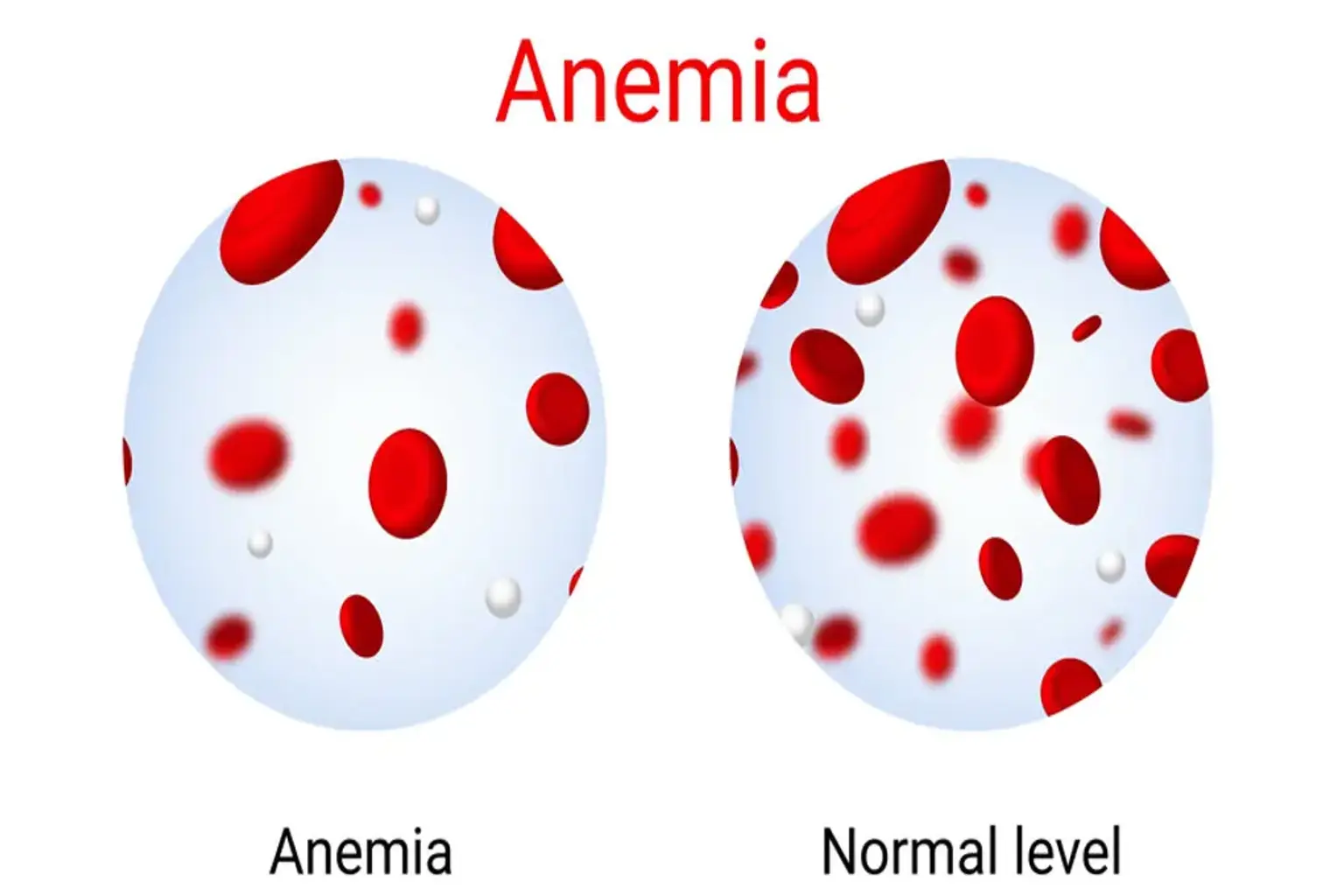
Anemia is a medical condition characterized by a deficiency in the number or quality of red blood cells in the body. Red blood cells are essential for transporting oxygen from the lungs to the rest of the body's tissues. This oxygen transport is facilitated by an iron rich protein called hemoglobin. When you have too few red blood cells, or when they don't contain enough hemoglobin, your body's organs do not receive adequate oxygen to function properly. This oxygen deprivation is what leads to the common symptoms of fatigue, weakness, and shortness of breath associated with the condition.
What are the Main Causes of Anemia?
what-are-the-main-causes-of-anemiaAnemia is not a single disease but a condition that can arise from over 400 different causes. These causes are generally categorized into three primary groups:
Blood Loss: This is the most common cause of anemia, particularly iron deficiency anemia. Blood loss can be acute from injury or surgery or chronic from conditions like heavy menstrual periods, gastrointestinal ulcers, or colon cancer.
Decreased or Faulty Red Blood Cell Production: The body may not produce enough red blood cells, or the cells it produces may be dysfunctional. This can be caused by:
Nutritional Deficiencies: Lack of iron, vitamin B12, or folate in the diet is a primary driver.
Bone Marrow Problems: Conditions like aplastic anemia, leukemia, or myelofibrosis can impair the bone marrow's ability to create red blood cells.
Chronic Diseases: Conditions such as chronic kidney disease, cancer, Crohn's disease, and rheumatoid arthritis can interfere with the hormones that signal red blood cell production.
Destruction of Red Blood Cells: The body may destroy its own red blood cells at a rate faster than they can be produced. This can be due to:
Inherited Conditions: Sickle cell anemia and thalassemia are genetic disorders that cause red blood cells to be fragile and have a shorter lifespan.
Autoimmune Disorders: Conditions like lupus can cause the immune system to mistakenly attack and destroy red blood cells.
What are the First Signs of Being Anemic?
what-are-the-first-signs-of-being-anemicThe symptoms of anemia can be subtle at first and are often mistaken for the stresses of modern life. As the condition worsens and oxygen deprivation becomes more pronounced, symptoms become more obvious.
Common Early Symptoms:
Persistent and unexplained fatigue or lack of energy
General weakness
Pale skin, especially noticeable on the face, nails, and inner eyelids
Shortness of breath with minimal physical exertion
Dizziness or feeling lightheaded
Symptoms of More Severe Anemia:
Cold hands and feet
Headaches
Rapid or irregular heartbeat
Brittle nails or a spoon-shaped indentation in the nails
Pica unusual cravings for non-nutritive substances like ice, dirt, or starch
Sore or swollen tongue
Chest pain
How is Anemia Diagnosed and Confirmed?
how-is-anemia-diagnosed-and-confirmedDiagnosing anemia begins with a thorough medical history and physical examination. If anemia is suspected, your doctor will order blood tests to confirm the diagnosis and identify the underlying cause.
Complete Blood Count (CBC): This is the primary test used to diagnose anemia. A CBC measures several components of your blood, including:
Red Blood Cell (RBC) Count: The total number of red blood cells.
Hemoglobin (Hgb): The amount of oxygen carrying protein in the blood.
Hematocrit (Hct): The percentage of your blood volume composed of red blood cells.
Peripheral Blood Smear: A sample of blood is examined under a microscope to assess the size, shape, and color of your red blood cells, which can provide clues to the type of anemia.
Iron Studies: If iron-deficiency anemia is suspected, tests to measure ferritin and other iron levels in the blood will be conducted.
Vitamin Level Tests: Blood tests can measure levels of vitamin B12 and folate to check for deficiency.
Bone Marrow Tests: In some cases, a bone marrow biopsy or aspiration may be necessary to evaluate the health and function of the body's red blood cell factory.
What are the Different Types of Anemia?
what-are-the-different-types-of-anemiaUnderstanding the specific type of anemia is crucial for effective treatment.
Iron-Deficiency Anemia: The most common type globally. It occurs when the body lacks sufficient iron to produce hemoglobin.
Vitamin-Deficiency Anemia: Caused by low levels of vitamin B12 or vitamin B9. A specific type, pernicious anemia, is an autoimmune condition where the body cannot absorb vitamin B12 from the gut.
Anemia of Chronic Disease: Associated with long-term inflammatory conditions that interfere with red blood cell production.
Aplastic Anemia: A rare, serious condition where the bone marrow stops producing enough new blood cells.
Hemolytic Anemias: A group of disorders where red blood cells are destroyed faster than they are made.
Sickle Cell Anemia: An inherited disorder characterized by abnormally shaped like sickle or crescent red blood cells that can block blood flow.
"For years, I just thought I was 'always tired' because of work and life. The bone-deep exhaustion was something else entirely. Getting a diagnosis of iron-deficiency anemia and starting treatment felt like someone finally turned the lights back on. The simple act of walking up a flight of stairs without feeling winded was a victory." – An anonymous patient, United Kingdom.
When Should I Be Worried About Anemia Symptoms?
when-should-i-be-worried-about-anemia-symptomsYou should schedule an appointment with a doctor if you experience persistent fatigue, shortness of breath, or other symptoms of anemia that do not resolve with rest. It is particularly important to seek medical advice if:
Symptoms are affecting your daily activities, work, or quality of life.
You have risk factors for anemia, such as heavy menstrual periods, a vegetarian or vegan diet, a chronic disease, or a family history of anemia.
You notice signs of blood loss, such as blood in your stool which can appear black and tarry or unusually heavy bleeding.
Recommended Clinics with Relevant Expertise in South Korea
recommended-clinics-with-relevant-expertise-in-south-koreaSouth Korea's advanced medical infrastructure provides excellent options for comprehensive health diagnostics and treatment. The following institutions are well equipped for executive health check-ups and managing conditions like anemia.
Website | Clinic Name | Best Known For | Address | Contact |
|---|---|---|---|---|
Ewha Womans University Medical Center | Comprehensive University Hospital Services & Research | Gangseo-gu, Seoul, South Korea | ||
Gangnam Severance Hospital | Specialized Joint & Spine; Comprehensive Internal Medicine | Gangnam-gu, Seoul, South Korea | ||
Seoul Bumin Hospital | Premium Health Screening & Advanced Specialty Care | Gangseo-gu, Seoul, South Korea | ||
Jaseng Hospital of Korean Medicine | Integrative & Korean Medicine for Chronic Conditions | Gangnam-gu, Seoul, South Korea | ||
Incheon Hospital of the Labor Welfare Corporation | General Hospital Services & Occupational Health | upyeong-gu, Incheon, South Korea | ||
Jeju Youth Center Affiliated Clinic | Primary Care & General Health Services | Jeju-si, Jeju-do, South Korea | ||
Andong Seongso Hospital | Regional General Hospital & Emergency Services | Andong-si, Gyeongsangbuk-do, South Korea | ||
Jeungpyeong First Orthopedic Clinic | Orthopedic Care & General Outpatient Services | Jeungpyeong-gun, Chungcheongbuk-do, South Korea |
Recommended Diagnostic & Preventive Programs with Average Costs in South Korea
recommended-diagnostic-and-preventive-programs-with-average-costs-in-south-koreaDiagnosing anemia and its underlying causes often involves comprehensive screening programs that assess overall health.
Treatment/Procedure Name | Duration | Hospitalization? | Avg. Cost (USD) in S.Korea | Contact |
|---|---|---|---|---|
Executive Health Check-Up Programs | 4-8 hours | Not Needed | $800 - $3,500 | |
Genetic & Genomic Screening | 30 min | Not Needed | $1,000 - $5,000 | |
Advanced Cardiac Screening | 2-3 hours | Not Needed | $600 - $2,000 | |
Cancer Screening Panels | 1-2 hours | Not Needed | $1,500 - $4,000 | |
Longevity & Anti-Aging Programs | 1 to 3 hours | Not Needed | $2,000 - $10,000 | |
Metabolic and Nutritional Optimization | 30-60 mins | Not Needed | $500 - $1,500 | |
Precision Preventive Health Plans | 2-4 hours | Not Needed | $1,200 - $6,000 | |
Preventive Neurocognitive Screening | 1-2 hours | Not Needed | $700 - $2,500 | |
Sleep Optimization & Sleep Apnea Screening | 8 hours | Not Needed | $500 - $2,000 | |
Corporate Wellness & Preventive Health | 30 mins to 2 hrs | Not Needed | $2,000 – $10,000 |
Common Questions About Anemia
common-questions-about-anemia1. How do you fix anemia effectively?
1.-how-do-you-fix-anemia-effectivelyTreatment for anemia depends entirely on the cause. For iron deficiency anemia, treatment involves iron supplements and dietary changes. For vitamin deficiency anemia, it involves B12 shots or folic acid supplements. If anemia is caused by a chronic disease, managing that underlying condition is the primary goal. In severe cases, a blood transfusion may be required.
2. What foods are highest in iron for anemia?
2.-what-foods-are-highest-in-iron-for-anemiaTo increase iron intake, focus on both heme iron from animal sources, more easily absorbed and non-heme iron from plant sources.
Heme Iron: Lean red meat, poultry, oysters, and fish.
Non-Heme Iron: Beans, lentils, spinach, kale, tofu, and fortified cereals.
Tip: Consuming vitamin C from oranges, bell peppers, broccoli with non-heme iron sources significantly enhances iron absorption.
3. Can anemia be cured permanently?
3.-can-anemia-be-cured-permanentlyWhether anemia can be cured permanently depends on its cause. Anemia due to poor diet or temporary blood loss like after surgery can often be fully resolved with supplements and dietary adjustments. However, anemia caused by a chronic disease like kidney disease or an inherited condition like sickle cell anemia may require lifelong management rather than a one time cure.
4. How long does it take to recover from iron-deficiency anemia?
4.-how-long-does-it-take-to-recover-from-iron-deficiency-anemiaWith consistent iron supplementation, most people start to feel better within a week or two. However, it can take several months to fully replenish the body's iron stores. It is crucial to continue taking supplements as prescribed by your doctor, even after symptoms improve, to build back these reserves.
5. Can I have anemia even if I eat a healthy diet?
5.-can-i-have-anemia-even-if-i-eat-a-healthy-dietYes. It is possible to develop anemia despite a healthy diet. Certain conditions can interfere with nutrient absorption. For example, celiac disease or Crohn's disease can impair iron and vitamin B12 absorption in the gut. Additionally, some individuals have higher iron needs, such as pregnant women or endurance athletes, which may not be met by diet alone.
Take Control of Your Health: Investigate Your Symptoms Today
take-control-of-your-health:-investigate-your-symptoms-todayPersistent fatigue is not normal. Understanding the root cause of your symptoms is the first and most critical step toward regaining your energy and well-being. The advanced diagnostic capabilities in South Korea offer a clear path to answers. By engaging with CloudHospital, you can access a seamless and transparent process for comprehensive health screenings. Your journey, from initial questions to post-screening care, will be fully supported. Start Your Confidential Inquiry and get a free, personalized health plan to investigate your symptoms.