


The clinical information regarding Understanding Astigmatism in this article has been rigorously verified against the latest guidelines from the American Academy of Ophthalmology and primary research from databases like PubMed. This piece was reviewed for accuracy and patient-centric clarity and was last updated in August 2025.
Introduction
introductionAstigmatism is one of the most common vision problems worldwide, affecting millions of children and adults. It is a type of refractive error, not an eye disease, that causes blurred or distorted vision at all distances. This condition occurs when the eye's cornea or lens has an irregular shape, preventing light from focusing properly on the retina. For those experiencing symptoms like persistent headaches, eye strain, or difficulty seeing clearly, understanding this condition is the first step toward effective management and clear vision. This guide offers a comprehensive overview for those seeking to understand and manage astigmatism.

What is Astigmatism?
what-is-astigmatismAstigmatism is a common and generally treatable imperfection in the curvature of the eye. Ideally, an eyeball is shaped like a perfect sphere, allowing light to enter and bend evenly to create a sharp focus on the retina, the light-sensitive tissue at the back of the eye. In an eye with astigmatism, however, the cornea, the clear front surface of the eye, or the lens inside the eye is shaped more like a football or an egg.
This irregular shape causes light rays to bend unevenly, resulting in two different focal points. This means that only part of an object can be in focus at any given time, causing vision to be blurry or distorted at all distances. Astigmatism frequently occurs along with other refractive errors like nearsightedness (myopia) or farsightedness (hyperopia).
What are the Common Causes and Risk Factors for Astigmatism?
what-are-the-common-causes-and-risk-factors-for-astigmatismThe exact reason why corneal or lens shapes vary from person to person is not fully understood, but the primary cause is believed to be genetic.
Heredity: Most cases of astigmatism are present at birth and are passed down from parents.
Eye Injury or Surgery: Trauma to the eye or complications from certain types of eye surgery can lead to astigmatism.
Eye Diseases: Rarely, a condition called keratoconus, where the cornea progressively thins and bulges outward, can cause astigmatism.
Changes Over Time: The curvature of the lens inside the eye can change as a person ages, sometimes leading to the development or worsening of astigmatism.
It is a common misconception that astigmatism can be caused or made worse by activities like reading in low light or sitting too close to a screen. These actions do not alter the physical shape of the eye.
What are the Symptoms and Signs of Astigmatism?
what-are-the-symptoms-and-signs-of-astigmatismSymptoms can vary depending on the degree of astigmatism. Some people with very mild astigmatism may not notice any symptoms at all. When symptoms are present, they often include:
Blurred or distorted vision: This is the most common symptom and occurs at all distances.
Eye strain or discomfort: Particularly noticeable after prolonged focus, such as reading or using a computer.
Headaches: Often linked to eye strain and squinting.
Difficulty with night vision: Seeing glare, halos, or starbursts around lights, especially when driving at night.
Squinting: A frequent, often subconscious, effort to see more clearly.
Children may not be able to articulate that their vision is blurry and may not complain. Untreated astigmatism in children can significantly impact their performance in school and may lead to a condition called amblyopia (lazy eye).
How is Astigmatism Officially Diagnosed by an Eye Doctor?
how-is-astigmatism-officially-diagnosed-by-an-eye-doctorA comprehensive eye examination by an optometrist or ophthalmologist is required to diagnose astigmatism.
The diagnostic process includes several tests:
Visual Acuity Test: This involves reading letters on a distance chart to determine the sharpness of your vision.
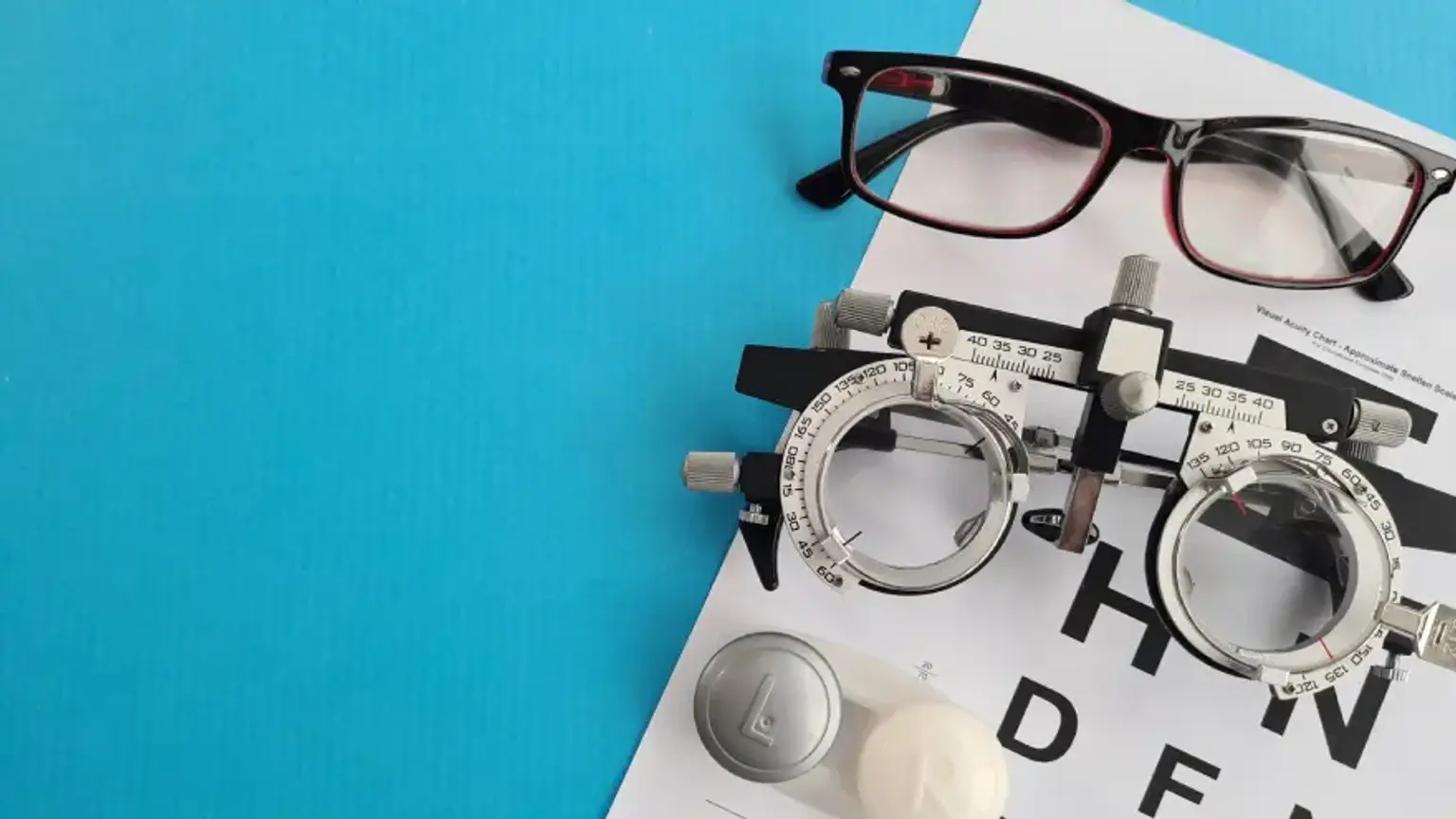
Refraction Test: Using a device called a phoropter, you will look through a series of lenses to determine which ones provide the clearest vision. This helps establish the precise prescription needed for corrective lenses.
Keratometry: This test measures the curvature of your cornea, identifying the steepest and flattest curves to determine the extent and orientation of corneal astigmatism.
Corneal Topography: This advanced imaging technique creates a detailed, color-coded map of the cornea's surface. It is particularly useful for planning surgical treatments and fitting specialized contact lenses.
What are the Most Effective Treatment Options for Astigmatism?
what-are-the-most-effective-treatment-options-for-astigmatismThe goal of treatment is to counteract the eye's irregular curvature to improve vision clarity and comfort. There is no single best way to correct astigmatism; the most appropriate option depends on your lifestyle, the severity of the condition, and your overall eye health.
Can astigmatism be corrected without surgery?
can-astigmatism-be-corrected-without-surgeryYes, for the vast majority of individuals, astigmatism is effectively managed with non-surgical methods.
These are the most common approaches:
Eyeglasses: This is the simplest and safest way to correct astigmatism. The lenses are specially crafted with a cylindrical correction to compensate for the eye's irregular shape, allowing light to focus correctly.
Contact Lenses: Many people achieve clearer vision and a wider field of view with contacts.
Toric Soft Lenses: These are the most popular type of contact lens for astigmatism, designed with different powers in different meridians to correct the uneven curvature.
Gas Permeable (GP) Lenses: Also known as rigid gas permeable (RGP) lenses, these maintain their shape on the eye, effectively creating a new, smooth refractive surface to correct the corneal irregularity.
Orthokeratology (Ortho-K): This non-surgical treatment involves wearing specially designed rigid contact lenses overnight. The lenses temporarily reshape the cornea, providing clear vision during the day without the need for glasses or daytime contacts. The effect is reversible and requires consistent nightly wear.
Surgical Interventions
surgical-interventionsFor those seeking a more permanent solution, several refractive surgery procedures can reshape the cornea to correct astigmatism.
LASIK (Laser-Assisted In Situ Keratomileusis): The most well-known vision correction surgery. A surgeon creates a thin flap in the cornea, uses an excimer laser to reshape the underlying corneal tissue, and then repositions the flap.
SMILE (Small Incision Lenticule Extraction): A newer, less invasive procedure where a laser creates a small, lens-shaped piece of tissue (lenticule) within the cornea, which is then removed through a tiny incision.
LASEK and PRK (Photorefractive Keratectomy): These procedures are often recommended for patients with thinner corneas. The surgeon removes the cornea's outer layer (epithelium) before using a laser to reshape the cornea. The epithelium then grows back naturally.
Implantable Collamer Lens (ICL): For those with high astigmatism or who are not candidates for laser surgery, an ICL can be an excellent option. This involves placing a biocompatible lens, similar to a contact lens, inside the eye between the iris and the natural lens.
"For years, I just thought my constant headaches and the blurry street signs at night were just normal fatigue. Getting diagnosed with astigmatism and trying my first pair of toric contact lenses was a revelation; the world finally snapped into sharp focus." – an anonymous patient, South Korea.
When Should I See a Doctor for Astigmatism?
when-should-i-see-a-doctor-for-astigmatismYou should schedule an eye exam if you or your child experience any of the common symptoms, such as persistent blurry vision, frequent headaches, or difficulty seeing at night. Because children may not realize their vision is abnormal, regular screenings starting around six months of age are crucial to detect and treat astigmatism early, preventing potential impacts on learning and development.
Recommended Clinics with Relevant Expertise in South Korea
recommended-clinics-with-relevant-expertise-in-south-koreaSouth Korea is recognized for its advanced ophthalmology centers, offering a wide range of treatments for astigmatism and other refractive errors. Below are some recommended clinics known for their expertise and advanced technology.
Website | Clinic Name | Best Known For | Address | Contact |
|---|---|---|---|---|
SNU Eye Clinic | Comprehensive eye care, association with Seoul National University | Gangnam-gu, Seoul, South Korea | ||
Gangnam Joeunnun Vision Clinic | SMILE LASIK, ICL, Presbyopia Correction | Gangnam-gu, Seoul, South Korea | ||
Jryn Eye Clinic | Vision correction and anti-aging ophthalmology | Busanjin-gu, Busan, South Korea | ||
Global Ubal Eye Center | LASIK, LASEK, Cataract surgery | Jung-gu, Incheon, South Korea | ||
Cha University Bundang Medical Center | University hospital-grade diagnostics and treatment | Bundang-gu, Seongnam-si, South Korea | ||
Chosun University Hospital | Comprehensive ophthalmology in a major university hospital setting | Dong-gu, Gwangju, South Korea | ||
Kangdong Sacred Heart Hospital | Advanced vision correction and retinal disease treatment | Gangdong-gu, Seoul, South Korea | ||
Samyook Busan Adventist Hospital | Full-service eye center within a general hospital | Seo-gu, Busan, South Korea |
Recommended Treatment/Procedure Names with Average Costs in South Korea
recommended-treatmentprocedure-names-with-average-costs-in-south-koreaThe cost of vision correction can vary based on the technology used, the clinic's reputation, and the complexity of the patient's prescription. Below is a table of estimated costs for common procedures in South Korea.
Treatment/Procedure Name | Duration | Hospitalization? | Avg Cost Range (USD) in S. Korea | Contact |
|---|---|---|---|---|
LASIK / LASEK | 10-15 minutes | Not Needed | $1,500 - $2,500 | |
SMILE Eye Surgery | 10-15 minutes | Not Needed | $2,000 - $3,500 | |
Implantable Collamer Lens (ICL) Surgery | 20-30 minutes | Not Needed | $4,500 - $7,000 | |
Astigmatism Refractive Surgery | 10-20 minutes | Not Needed | $1,500 - $3,500 | |
Premium Cataract Surgery with Toric IOLs | 15-30 minutes | Not Needed | $2,500 - $4,500 | |
Non-Surgical (Ortho-K) | 1-1.5 hours | Not Needed | $1,000 - $2,000 | |
Treatment for Keratoconus | 1 hour | Not Needed | $1,500 - $3,000 | |
Corneal Transplantation Surgery | 1-2 hours | Needed | $5,000 - $10,000 | |
Vitreoretinal Surgery | 1-3 hours | Not Needed | $6,000 - $15,000 | |
Glaucoma Treatment (Laser) | 10-20 minutes | Not Needed | $1,000 - $2,000 |
What Are Common Questions About Astigmatism?
what-are-common-questions-about-astigmatism1. Is astigmatism hereditary?
1.-is-astigmatism-hereditaryYes, a person's risk of having astigmatism is higher if it is present in their family history. Most cases are congenital, meaning they are present from birth.
2. Can astigmatism get worse over time?
2.-can-astigmatism-get-worse-over-timeAstigmatism can change, either increasing or decreasing, throughout a person's life. It is common for vision to change during childhood and again in adulthood, sometimes alongside the development of cataracts. Regular eye exams are essential to monitor these changes.
3. Can diet or eye exercises affect my astigmatism?
3.-can-diet-or-eye-exercises-affect-my-astigmatismThere is no scientific evidence to suggest that diet or specific eye exercises can change the shape of the cornea or lens to correct astigmatism. While a healthy diet supports overall eye health, it cannot reverse or cure this refractive error.
4. What does vision with uncorrected astigmatism look like?
4.-what-does-vision-with-uncorrected-astigmatism-look-likeA person with uncorrected astigmatism sees blurry or distorted images. Straight lines may appear wavy. A point of light, like a headlight at night, may look streaked or smeared, often described as a starburst effect. This distortion affects vision at all distances.
5. Can astigmatism be cured permanently?
5.-can-astigmatism-be-cured-permanentlySurgical procedures like LASIK, SMILE, or ICL offer a permanent correction of astigmatism by physically reshaping the cornea or implanting a corrective lens. However, the eye can continue to change with age, which may lead to new vision changes years later. For most people who undergo surgery, the correction is stable and long-lasting.
See the World Clearly: Start Your Vision Correction Journey Today!
see-the-world-clearly:-start-your-vision-correction-journey-todayDon't let blurry vision and eye strain dictate your life. Understanding your astigmatism and exploring the advanced treatment options available is the first step toward visual freedom. The world-class clinics in South Korea offer a seamless, transparent process to help you achieve clear, sharp vision through CloudHospital. With a dedicated Care Manager to support you from your initial inquiry to your post-recovery care, your journey is in expert hands. And Start Your Confidential Inquiry to receive a free, personalized treatment plan and discover how you can correct your astigmatism.