

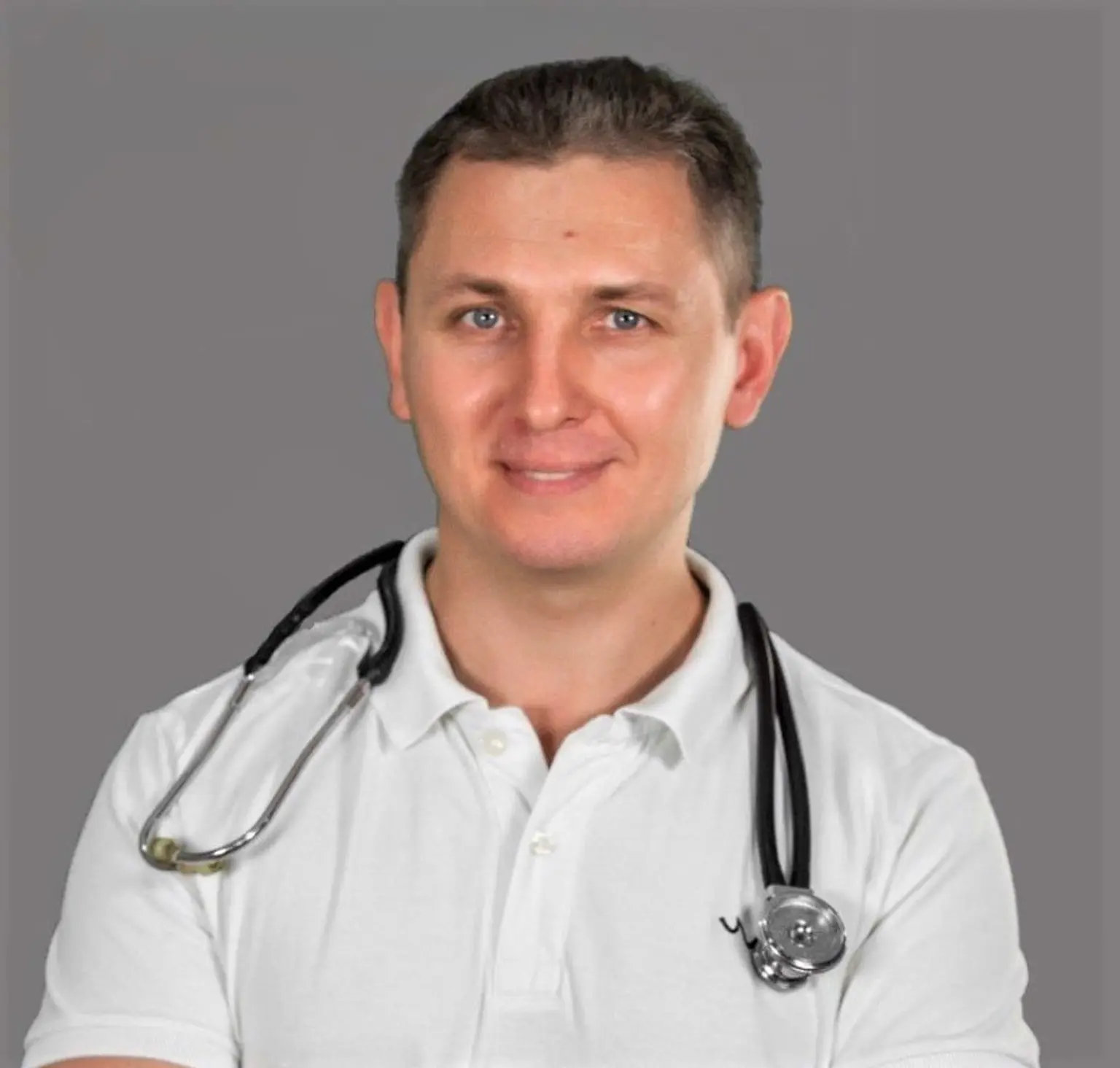

The clinical information regarding Understanding Depression in this article has been rigorously verified against the latest guidelines from the American Psychiatric Association (APA), including the DSM-5-TR, and primary research from databases like PubMed. This piece was reviewed for accuracy and patient-centric clarity and was last updated in March 2022.
Introduction
introduction
Depression is more than just feeling sad it is a complex and serious medical illness that negatively affects how you feel, the way you think, and how you act. It is a common but treatable condition, affecting an estimated 5% of adults globally. For those navigating its challenges, understanding the condition is the first step toward finding effective relief and reclaiming a sense of well-being. This guide offers a comprehensive overview of depression, from its diagnostic criteria to the most advanced treatment options available.
What is Depression?
what-is-depressionDepression, clinically known as major depressive disorder (MDD), is a mood disorder characterized by a persistent feeling of sadness or a loss of interest in activities you once enjoyed. It can lead to a variety of emotional and physical problems and can decrease your ability to function at work and at home. The condition is believed to stem from a complex interaction of genetic, biological, environmental, and psychological factors. It impacts brain chemistry, particularly the function of neurotransmitters like serotonin and dopamine, which are crucial for mood regulation.
What are the main types of depression?
what-are-the-main-types-of-depressionWhile major depressive disorder (MDD) is the most recognized form, depression manifests in several different ways. A precise diagnosis is key to finding the most effective treatment.
Major Depressive Disorder (MDD): Characterized by a combination of symptoms that interfere with the ability to work, sleep, study, eat, and enjoy life. An episode can occur only once in a person's lifetime, but more often, a person has several episodes.
Persistent Depressive Disorder (Dysthymia): This is a depressed mood that lasts for at least two years. A person diagnosed with persistent depressive disorder may have episodes of major depression along with periods of less severe symptoms.
Postpartum Depression: Many women experience baby blues after childbirth, but postpartum depression is more severe and long-lasting. It involves full-blown major depression during pregnancy or after delivery.
Seasonal Affective Disorder (SAD): Characterized by the onset of depression during the winter months, when there is less natural sunlight. The depression generally lifts during spring and summer.
Bipolar Disorder: While a separate condition, individuals with bipolar disorder experience episodes of extreme lows that meet the criteria for major depression, alongside periods of extreme highs mania.
What are the most common signs and symptoms of depression?
what-are-the-most-common-signs-and-symptoms-of-depressionThe signs of depression can vary from mild to severe. To be diagnosed with major depressive disorder, an individual must experience at least five of the following symptoms for a two week period, representing a change from previous functioning. One of the symptoms must be either a depressed mood or a loss of interest or pleasure.
Persistent sad, anxious, or empty mood
Feelings of hopelessness or pessimism
Irritability
Feelings of guilt, worthlessness, or helplessness
Loss of interest or pleasure in hobbies and activities
Decreased energy or fatigue
Moving or talking more slowly
Feeling restless or having trouble sitting still
Difficulty concentrating, remembering, or making decisions
Changes in sleep patterns difficulty sleeping, early morning awakening, or oversleeping
Changes in appetite or weight
Thoughts of death or suicide, or suicide attempts
Aches or pains, headaches, cramps, or digestive problems without a clear physical cause
How is depression officially diagnosed by a psychiatrist?
how-is-depression-officially-diagnosed-by-a-psychiatristA formal diagnosis can only be made by a qualified healthcare professional, such as a psychiatrist or psychologist. The process is thorough to ensure accuracy and rule out other medical conditions that can mimic depression symptoms (e.g., thyroid problems, vitamin deficiencies).
Clinical Interview: The core of the diagnosis is a detailed discussion about your symptoms, their duration and severity, your personal and family medical history, and how your daily life is being impacted.
Physical Examination: A physical exam may be conducted to investigate potential physical causes for the symptoms.
Psychological Evaluation: You will be asked questions based on established diagnostic criteria, such as those in the Diagnostic and Statistical Manual of Mental Disorders (DSM-5).
Lab Tests & Assessments: In some cases, blood tests or a Comprehensive Neurological Assessment may be used to rule out other conditions. This ensures the treatment plan is targeted specifically at depression.
What are the most effective treatments for depression?
what-are-the-most-effective-treatments-for-depressionThere is no one size fits all treatment for depression. An effective plan is often personalized and may involve a combination of therapies. Modern psychiatry offers a robust toolkit to help manage and overcome depressive episodes.
Psychotherapy: Often called talk therapy, this is a foundational treatment. Cognitive Behavioral Therapy (CBT) is highly effective; it helps individuals identify and change negative thinking patterns and behaviors. Interpersonal therapy (IPT), which focuses on relationships, is another proven approach.
Medication: Antidepressants are commonly prescribed to help modify brain chemistry. Classes include Selective Serotonin Reuptake Inhibitors (SSRIs), Serotonin and Norepinephrine Reuptake Inhibitors (SNRIs), and others. Finding the right medication can sometimes require a period of adjustment.
Neuromodulation Therapies: For treatment resistant depression, advanced technologies can be highly effective. Transcranial Magnetic Stimulation (TMS) is a non-invasive procedure that uses magnetic fields to stimulate nerve cells in the brain involved in mood control. Electroconvulsive Therapy (ECT) is another option for severe cases.
Lifestyle & Complementary Approaches: Regular exercise, a balanced diet, consistent sleep, and stress management techniques are powerful adjuncts to clinical treatment.
Can depression be treated without medication?
can-depression-be-treated-without-medicationYes, for many individuals, especially those with mild to moderate depression, treatment without medication is possible and effective. Psychotherapy, particularly CBT, is a powerful first line treatment that provides coping skills for long-term resilience. Lifestyle modifications such as establishing a routine, engaging in regular physical activity, and practicing mindfulness can also have a significant positive impact. For some, newer technologies like Transcranial Magnetic Stimulation (TMS) offer a non-pharmacological, device-based treatment that directly targets mood centers in the brain.
"For months, nothing brought me joy. It wasn't sadness, just a total grayness, an inability to feel anything. Getting the diagnosis was terrifying but also a relief. It had a name. Starting therapy gave me a language for the emptiness and a path out of it." – an anonymous patient, South Korea.
When should I seek professional help for depression?
when-should-i-seek-professional-help-for-depressionYou should consider seeking professional help if you experience symptoms of depression for most of the day, on most days, for more than two weeks. It is especially critical to see a doctor if:
Your symptoms are severe enough to cause noticeable problems in your daily life, such as at work, school, or in your relationships.
You are experiencing thoughts of harming yourself or others.
Your mood is consistently low and does not improve.
You have co-occurring conditions like anxiety, PTSD, or substance use issues.
Early intervention significantly improves treatment outcomes and can prevent the condition from becoming more severe.
Recommended Clinics with Relevant Expertise in South Korea
recommended-clinics-with-relevant-expertise-in-south-koreaSouth Korea has a growing number of advanced mental health clinics that offer a range of modern, evidence-based treatments for depression with English-speaking staff.
Website | Clinic Name | Best Known For | Address | Contact |
|---|---|---|---|---|
Seoul Psychiatry Gangnam | Comprehensive psychiatric care for adults, including evaluation and therapy for mood and anxiety disorders. | Gangnam-gu, Seoul, South Korea | ||
It's Okay Mental Health Medicine Clinic | Personalized, modern mental wellness care in a comfortable and approachable setting. | Songpa-gu, Seoul, South Korea | ||
Yonsei Gasansup Mental Health Clinic | Treatment for depression, anxiety, insomnia, and ADHD, focusing on evidence-based therapies. | Geumcheon-gu, Seoul, South Korea | ||
Same Heart Mental Health Medicine Clinic | Comprehensive psychiatric services for various conditions with a patient-centered approach. | Namyangju-si, Gyeonggi-do, South Korea | ||
Jangdeok-hwan Mental Health Clinic | Experienced psychiatric care from a dedicated specialist for a range of mental health concerns. | Paldal-gu, Gyeonggi-do, South Korea | ||
Son Psychiatry Clinic | General psychiatric services and counseling for adults in the Gyeongsangbuk-do region. | Gyeongju-si, Gyeongsangbuk-do, South Korea | ||
Saerom Mental Health Medicine Clinic | Mental health medicine focusing on stress, depression, and other adult psychiatric conditions. | Gyeongsan-si, Gyeongsangbuk-do, South Korea | ||
Seongmo Mental Health Clinic | Mental health services including diagnostics and therapy for conditions like anxiety and sleep disorders. | Nonsan-si, Chungcheongnam-do, South Korea |
Recommended Treatment/Procedure Names with Average Costs in South Korea
recommended-treatmentprocedure-names-with-average-costs-in-south-koreaTreatment plans for depression are highly personalized. The cost varies based on the specific therapies included. Below are estimates for common evidence-based interventions available in South Korea.
Treatment/Procedure Name | Duration | Hospitalization? | Avg. Cost (USD) in S. Korea | Contact |
|---|---|---|---|---|
Personalized Treatment Plan (For Depression, Anxiety, PTSD, ADHD) | 2-3 hours | Not needed | $800 - $2,000 | |
Psychotherapy / Counseling Session | 45-60 mins | Not Needed | $100 - $250 | |
Cognitive Behavioral Therapies (CBT) | 45-60 mins | Not Needed | $100 - $250 | |
Stress Management Program | 8-12 weekly | Not Needed | $800 - $2,000 | |
Social Anxiety Disorder Program | 4 to 12 weeks | Not Needed | $1,200 - $3,000 | |
ADHD & Attention Disorders Assessment | 2-3 hours | Not Needed | $600 - $1,800 | |
Sleep Disorders (Insomnia) Program | 2 to 8 weeks | Not Needed | $700 - $1,800 | |
Brainstim100 Helmet TMS (Full Course) | 20-40 mins | Not Needed | $3,000 - $6,000 |
What Are Common Questions About Depression?
what-are-common-questions-about-depressionThis section addresses practical questions many people have about living with and managing depression.
1. Is depression a sign of weakness?
1.-is-depression-a-sign-of-weaknessNo. Depression is a legitimate and complex medical illness, not a character flaw or a sign of personal weakness. It is caused by a combination of biological, genetic, and environmental factors. Seeking help is a sign of strength and self awareness.
2. Can diet and exercise really help with depression?
2.-can-diet-and-exercise-really-help-with-depressionYes, they can be highly effective components of an overall treatment plan. Regular physical activity has been shown to boost mood-enhancing endorphins and reduce stress. A balanced diet rich in nutrients supports overall brain health. While not a cure on their own, they are powerful tools for managing symptoms.
3. How long does it take for depression treatment to work?
3.-how-long-does-it-take-for-depression-treatment-to-workThe timeline varies for each person. Some people may start to feel better within a few weeks of starting psychotherapy or medication. For others, it may take a few months to find the most effective combination of treatments. Consistency and open communication with your healthcare provider are key.
4. What is the difference between sadness and depression?
4.-what-is-the-difference-between-sadness-and-depressionSadness is a normal human emotion that is usually a temporary reaction to a difficult situation. Depression is a clinical illness where feelings of sadness, emptiness, and hopelessness are persistent lasting weeks or longer and interfere with daily functioning, even without an obvious cause.
5. Are antidepressants addictive?
5.-are-antidepressants-addictiveAntidepressants are not considered addictive in the same way as substances like opioids or alcohol. They do not cause cravings or a high. However, stopping them abruptly can cause withdrawal like symptoms discontinuation syndrome. It is crucial to only taper off these medications under the guidance of a doctor.
Find Relief and Start Your Journey to Wellness Today!
find-relief-and-start-your-journey-to-wellness-todayTaking the first step toward addressing depression can feel overwhelming, but you do not have to do it alone. The path to feeling better begins with a confidential conversation and a personalized plan tailored to your unique needs. By inquiring about treatment, you access a seamless and transparent process guided by a dedicated Care Manager who provides end-to-end support, from your initial questions to post-treatment care. Start Your Confidential Inquiry and Get a Free Personalized Treatment Plan