


The clinical information regarding Understanding GERD in this article has been rigorously verified against the latest guidelines from the American College of Gastroenterology (ACG) and primary research from databases like PubMed. This piece was reviewed for accuracy and patient-centric clarity and was last updated in January 2022.
Introduction
introduction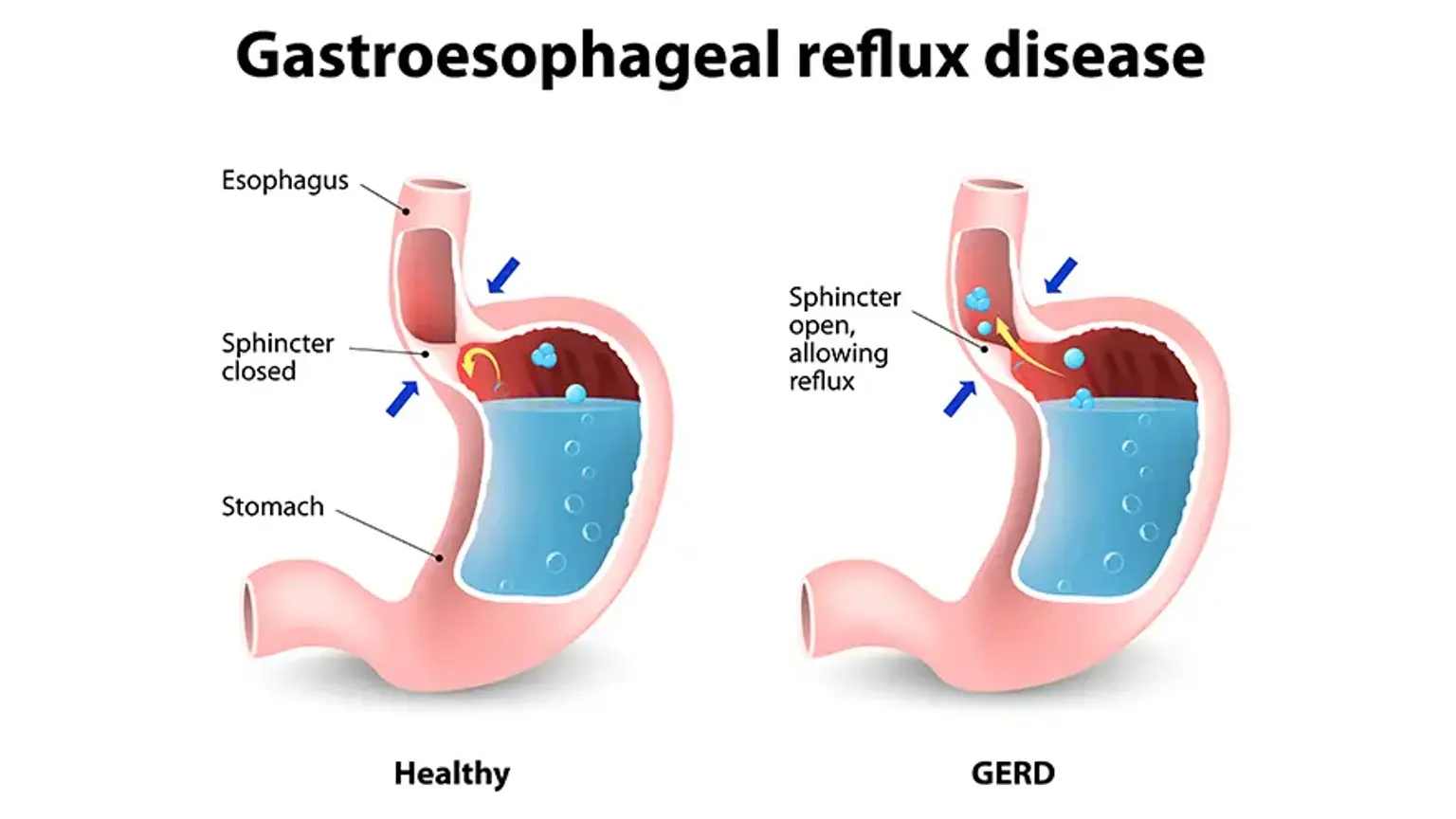
Gastroesophageal reflux disease (GERD) is a chronic digestive condition that extends far beyond occasional heartburn. It affects a significant portion of the global population, with prevalence in North America estimated to be between 18% and 28%. This guide offers a comprehensive, medically grounded overview of GERD for individuals seeking to understand its mechanisms, diagnose its presence, and explore effective, lasting solutions for relief.
What is Gastroesophageal Reflux Disease (GERD)?
what-is-gastroesophageal-reflux-disease-(gerd)GERD is a condition characterized by the frequent backflow of stomach acid into the esophagus, the tube connecting the throat and stomach. This reflux occurs when the lower esophageal sphincter (LES), a muscular ring at the bottom of the esophagus, weakens or relaxes inappropriately. Unlike occasional acid reflux, the chronic nature of GERD can cause significant discomfort, disrupt daily life, and lead to inflammation and damage of the esophageal lining.
What are the Common Causes and Risk Factors for GERD?
what-are-the-common-causes-and-risk-factors-for-gerdThe primary cause of GERD is a dysfunctional lower esophageal sphincter (LES). However, several factors can contribute to or exacerbate this dysfunction.
Hiatal Hernia: A condition where the upper part of the stomach bulges through the diaphragm, impairing the function of the LES.
Obesity: Increased abdominal pressure from excess weight can push stomach contents upward.
Pregnancy: Hormonal changes and increased pressure on the abdomen contribute to reflux.
Dietary Habits: Consumption of fatty, fried, spicy, or acidic foods, as well as chocolate, caffeine, and alcohol, can trigger symptoms.
Smoking: Nicotine can relax the LES, facilitating acid reflux.
Certain Medications: These include some asthma medications, calcium channel blockers, antihistamines, and sedatives.
Delayed Stomach Emptying: Conditions that slow down the digestive process can increase the likelihood of reflux.
What are the Main Symptoms of GERD?
what-are-the-main-symptoms-of-gerdWhile heartburn is the hallmark symptom, GERD can manifest in various ways. The signs can be categorized as typical or atypical.
Typical Symptoms:
Heartburn: A burning sensation in the chest, often occurring after eating and worsening at night or when lying down.
Regurgitation: The sensation of acid or food backing up into the throat or mouth, often with a sour or bitter taste.
Dysphagia: Difficulty swallowing or the sensation of food being stuck in the throat.
Atypical Symptoms:
Chronic cough, especially at night
Laryngitis or hoarseness
New or worsening asthma
Sore throat
Chest pain (non-cardiac)
Disrupted sleep
Dental erosion
How is GERD Officially Diagnosed?
how-is-gerd-officially-diagnosedA thorough diagnosis is critical to differentiate GERD from other conditions and to assess for any potential complications. The diagnostic process typically involves:
Clinical Evaluation: A physician will review your symptoms, their frequency and severity, and your medical history. Often, a diagnosis can be made based on classic symptoms alone.
Upper GI Endoscopy (EGD): A thin, flexible tube with a camera is passed down the throat to visually inspect the esophagus, stomach, and duodenum. This allows the doctor to see inflammation esophagitis and take tissue samples biopsies to check for complications like Barrett's esophagus.
Ambulatory Acid (pH) Probe Test: A monitor is placed in your esophagus to measure when and for how long stomach acid regurgitates there. This is considered the gold standard for confirming a GERD diagnosis, especially when symptoms are atypical.
Esophageal Manometry: This test measures the rhythmic muscle contractions in your esophagus when you swallow and assesses the coordination and force exerted by the esophageal muscles and the LES.
What are the Treatment Options for GERD?
what-are-the-treatment-options-for-gerdTreatment is aimed at reducing reflux, relieving symptoms, and preventing esophageal damage. The approach is typically tiered, starting with lifestyle modifications and progressing to medication and surgery if necessary.
Lifestyle and Dietary Changes: Often the first line of defense. This includes weight loss, elevating the head of the bed, avoiding trigger foods, eating smaller meals, and refraining from eating 2-3 hours before bedtime.
Medications:
Antacids: Provide quick, temporary relief for mild symptoms.
H2 Blockers: These medications (e.g., famotidine) reduce acid production and offer longer relief than antacids.
Proton Pump Inhibitors (PPIs): These are potent acid suppressing drugs (e.g., omeprazole, lansoprazole) that provide time for the damaged esophageal tissue to heal. They are the most effective medical therapy for GERD.
Surgical Interventions: For patients who do not respond well to medication or wish to avoid long-term drug use, surgery can be an effective option. The most common procedure is Nissen fundoplication, where the top of the stomach is wrapped around the LES to tighten it and prevent reflux. This is often performed laparoscopically for a faster recovery.
What are the Long-Term Complications of Untreated GERD?
what-are-the-long-term-complications-of-untreated-gerd"For years, I thought the constant burning in my chest and the sour taste were just something I had to live with. Getting a proper diagnosis and treatment didn't just stop the pain; it gave me back my sleep and my ability to enjoy food without fear. The relief was profound." – an anonymous patient, South Korea.
Ignoring chronic GERD can lead to serious health issues. The constant exposure of the esophagus to stomach acid can cause:
Esophagitis: Severe inflammation, bleeding, and ulceration of the esophagus.
Esophageal Stricture: Damage from stomach acid leads to scar tissue formation, which narrows the esophagus and causes swallowing difficulties.
Barrett's Esophagus: A precancerous condition where the cells lining the esophagus change to resemble intestinal cells. This significantly increases the risk of developing esophageal adenocarcinoma, a type of cancer. A diagnosis of Barrett's esophagus requires regular surveillance endoscopies.
When Should I See a Doctor for Chronic Heartburn?
when-should-i-see-a-doctor-for-chronic-heartburnYou should consult a healthcare professional if you experience any of the following:
Heartburn two or more times a week.
Symptoms that persist despite using over the counter medications.
Difficulty or pain with swallowing.
Unexplained weight loss.
Vomiting, especially if it contains blood.
Severe or frequent chest pain.
These alarm symptoms may indicate a more serious complication and warrant immediate medical attention.
Recommended Clinics with Relevant Expertise in South Korea
recommended-clinics-with-relevant-expertise-in-south-koreaSouth Korea is home to world-class medical centers with advanced gastroenterology departments capable of providing comprehensive diagnosis and treatment for GERD and other digestive disorders.
Website | Clinic Name | Best Known For | Address | Contact |
|---|---|---|---|---|
Asan Medical Center | Organ Transplantation, Cancer, Digestive Disease Center | Songpa-gu, Seoul,South Korea | ||
Seoul St. Mary's Hospital-Seocho | Cancer Treatment, Organ Transplantation, Cardiovascular Center | Seocho-gu, Seoul,South Korea | ||
Seoul National University Hospital- ganganm district | High-Risk Cancer, Rare Diseases, Advanced Diagnostics | Gangnam-gu, Seoul, South Korea | ||
Kangdong Sacred Heart Hospital | Cardiovascular, Cerebrovascular, and Geriatric Diseases | Gangdong-gu, Seoul, South Korea | ||
H Plus Yangji Hospital | Specialized Centers for Digestive, Spine, and Joint Health | Gwanak-gu, Seoul, South Korea | ||
Soon Chun Hyang University Hospital Seoul | Comprehensive Care, International Patient Services | Yongsan-gu, Seoul, South Korea | ||
Kyung Hee University Hospital At Gangdong | East-West Collaborative Medicine, Comprehensive Health Screening | Gangdong-gu, Seoul, South Korea | ||
Hanyang University Seoul Hospital | Rheumatology, Geriatrics, and Organ Transplantation | Seongdong-gu, Seoul, South Korea |
Recommended Treatment/Procedure Names with Average Costs in South Korea
recommended-treatmentprocedure-names-with-average-costs-in-south-koreaThe following are common gastroenterological procedures, including key diagnostic and treatment options relevant to GERD, available at leading South Korean hospitals.
Treatment/Procedure Name | Treatment Duration | Hospitalization? | Avg Cost Range (USD) in S. Korea | Contact |
|---|---|---|---|---|
Upper GI Endoscopy with Biopsy (EGD) | 15-30 minutes | Not Needed | $400 - $800 | |
Endoscopic Ultrasound (EUS) with Fine Needle Aspiration | 30-60 minutes | Not Needed | $1,500 - $3,000 | |
Colonoscopy with Polypectomy | 30-60 minutes | Not Needed | $600 - $1,200 | |
ERCP with Biliary or Pancreatic Stenting | 30-90 minutes | Needed (1-2 days) | $4,000 - $8,000 | |
Inflammatory Bowel Disease (IBD) Biologic Therapy | 1-3 hours | Not Needed | $2,000 - $5,000 | |
Hepatitis C Antiviral Therapy | 1-2 hpurs | Not Needed | $15,000 - $30,000 | |
Colon Cancer Surgery (Colectomy) | 2-4 hours | Needed (4-7 days) | $15,000 - $25,000 | |
Pancreatic Surgery (Whipple Procedure) | 4-8 hours | Needed (7-14 days) | $40,000 - $65,000 | |
Bariatric Surgery (Gastric Bypass, Sleeve Gastrectomy) | 2-3 hours | Needed (2-4 days) | $12,000 - $20,000 | |
Liver Transplantation | 6-12 hours | Needed (2-4 weeks) | $130,000 - $180,000 |
What Are Common Questions About GERD?
what-are-common-questions-about-gerdThis section addresses the most frequent practical questions patients have about living with and managing the condition.
1. Can GERD be cured permanently?
1.-can-gerd-be-cured-permanentlyFor many, GERD is a chronic condition that requires long-term management through lifestyle changes and/or medication. Surgical interventions like Nissen fundoplication can provide a permanent or long-lasting structural solution for many patients, effectively curing the mechanical issue, but it is not suitable for everyone.
2. Can diet alone control my GERD?
2.-can-diet-alone-control-my-gerdFor individuals with mild GERD, dietary modifications can be highly effective and may be sufficient to control symptoms. However, for moderate to severe GERD, or when complications are present, diet alone is typically not enough and must be combined with medical treatment.
3. Is GERD hereditary?
3.-is-gerd-hereditaryWhile GERD itself is not a classic genetic disease, there appears to be a hereditary component. Individuals with a family history of GERD, hiatal hernias, or Barrett's esophagus may have a higher predisposition to developing the condition.
4. What is the difference between heartburn, acid reflux, and GERD?
4.-what-is-the-difference-between-heartburn-acid-reflux-and-gerdAcid reflux is the action of stomach acid backing up into the esophagus. Heartburn is the primary symptom of acid reflux the burning sensation in the chest. GERD is the chronic, more severe form of acid reflux, diagnosed when it occurs frequently typically more than twice a week and causes significant symptoms or complications.
5. Are proton pump inhibitors (PPIs) safe for long-term use?
5.-are-proton-pump-inhibitors-(ppis)-safe-for-long-term-usePPIs are highly effective, but concerns exist regarding potential side effects with long-term use, such as an increased risk of bone fractures and certain infections. The decision to use PPIs long-term should be made with a doctor, weighing the significant benefits of controlling GERD against potential risks.
6. Can stress make GERD worse?
6.-can-stress-make-gerd-worseStress does not cause GERD, but it can significantly worsen symptoms. Stress can increase the production of stomach acid and heighten the perception of pain, making reflux episodes feel more severe. Managing stress is a key component of a holistic GERD treatment plan.
Find Lasting Relief from GERD: Begin Your Consultation in Korea Now!
find-lasting-relief-from-gerd:-begin-your-consultation-in-koreaTaking control of GERD is a critical step towards protecting your long-term health and improving your quality of life. The journey begins with expert diagnosis and a personalized treatment plan. You can inquire about GERD treatment at the recommended clinics or directly through CloudHospital for faster, customized assistance. We provide a seamless, transparent process with a dedicated Care Manager to support you from your initial inquiry to your post-recovery care. And Start Your Confidential Inquiry with CloudHospital to receive a personalized treatment plan.